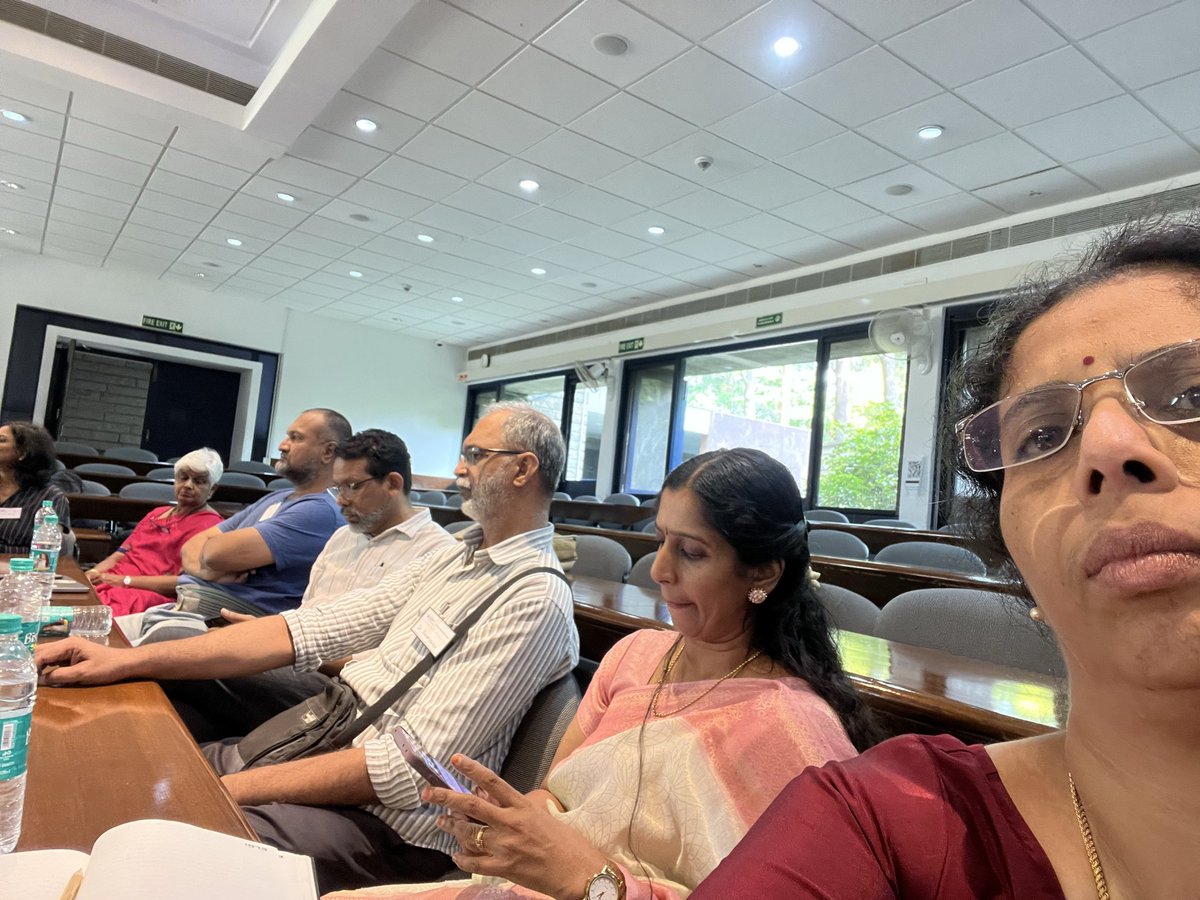
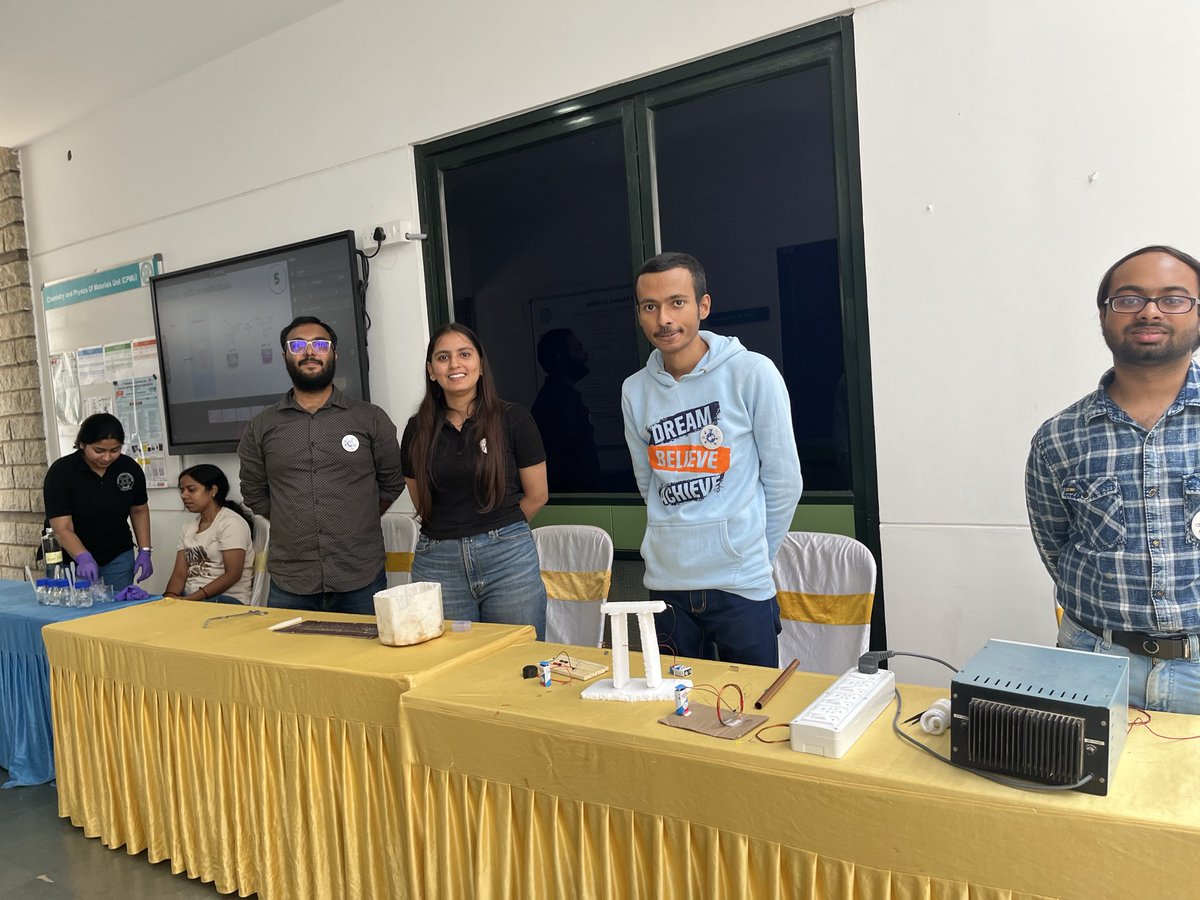
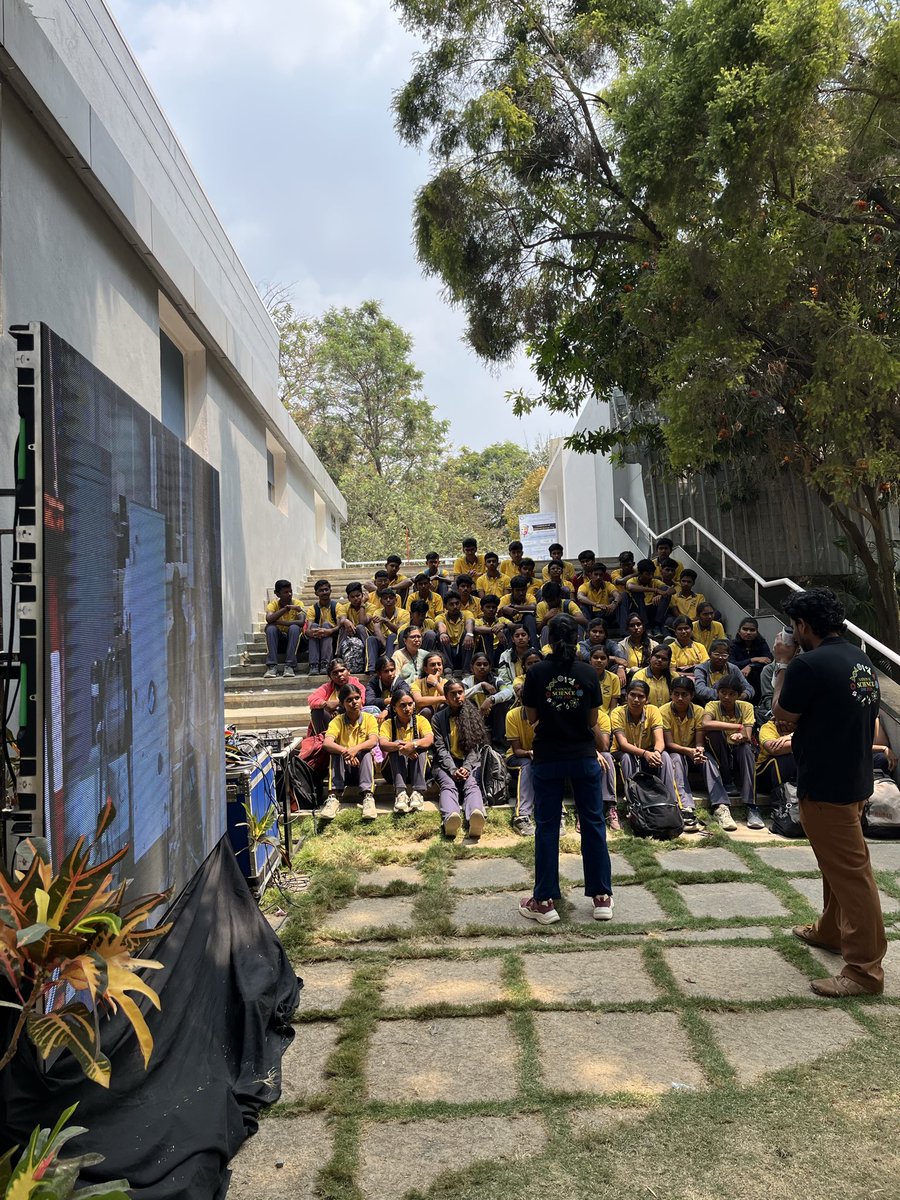
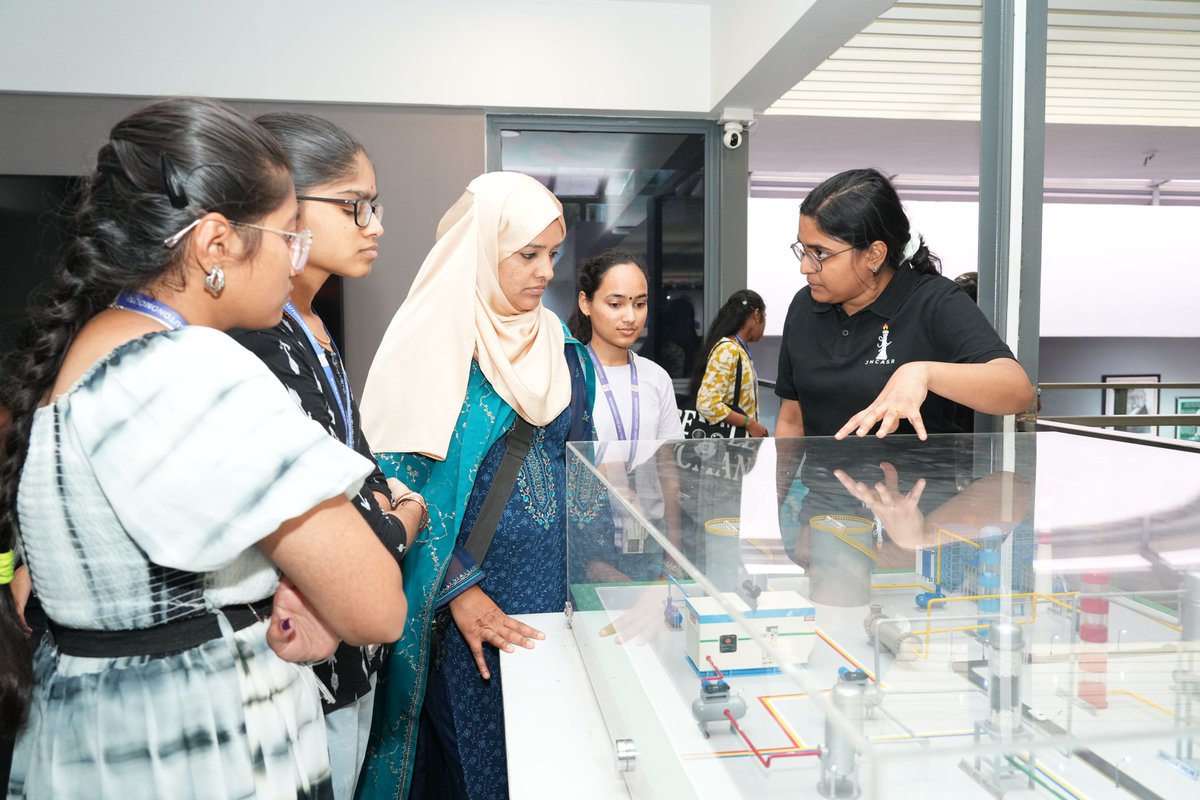
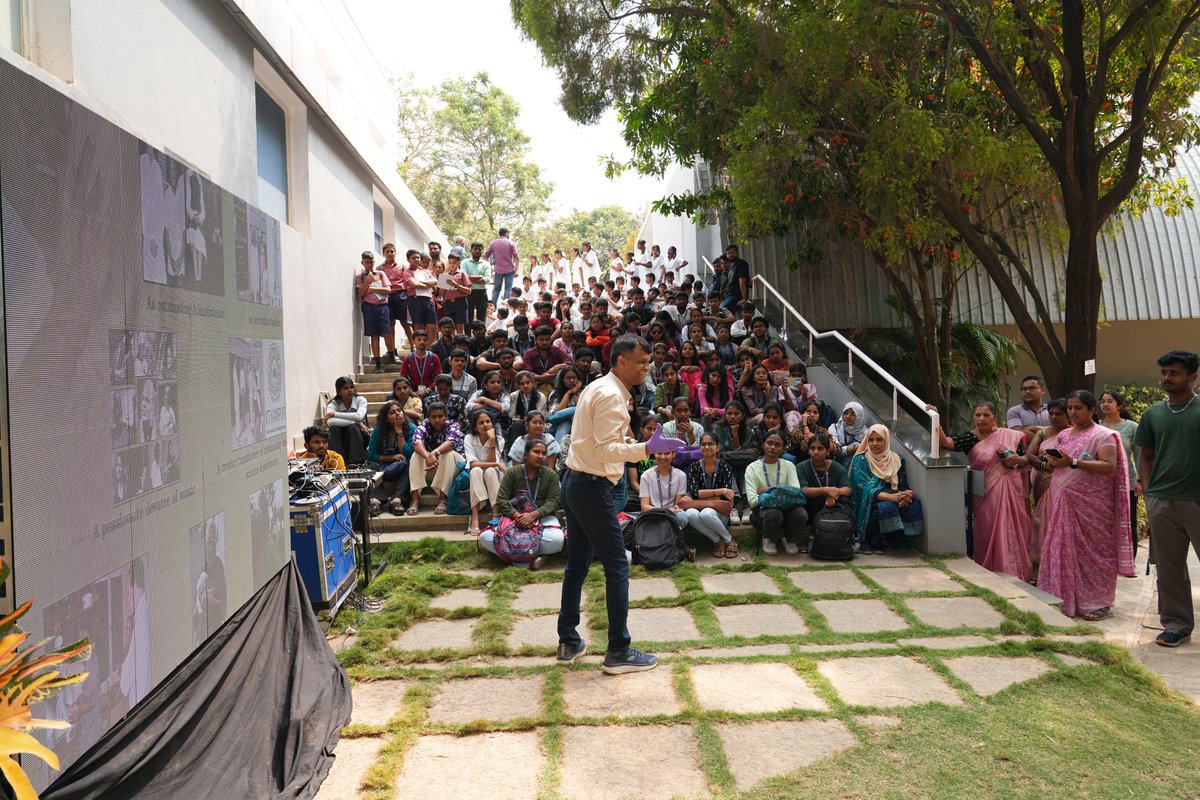
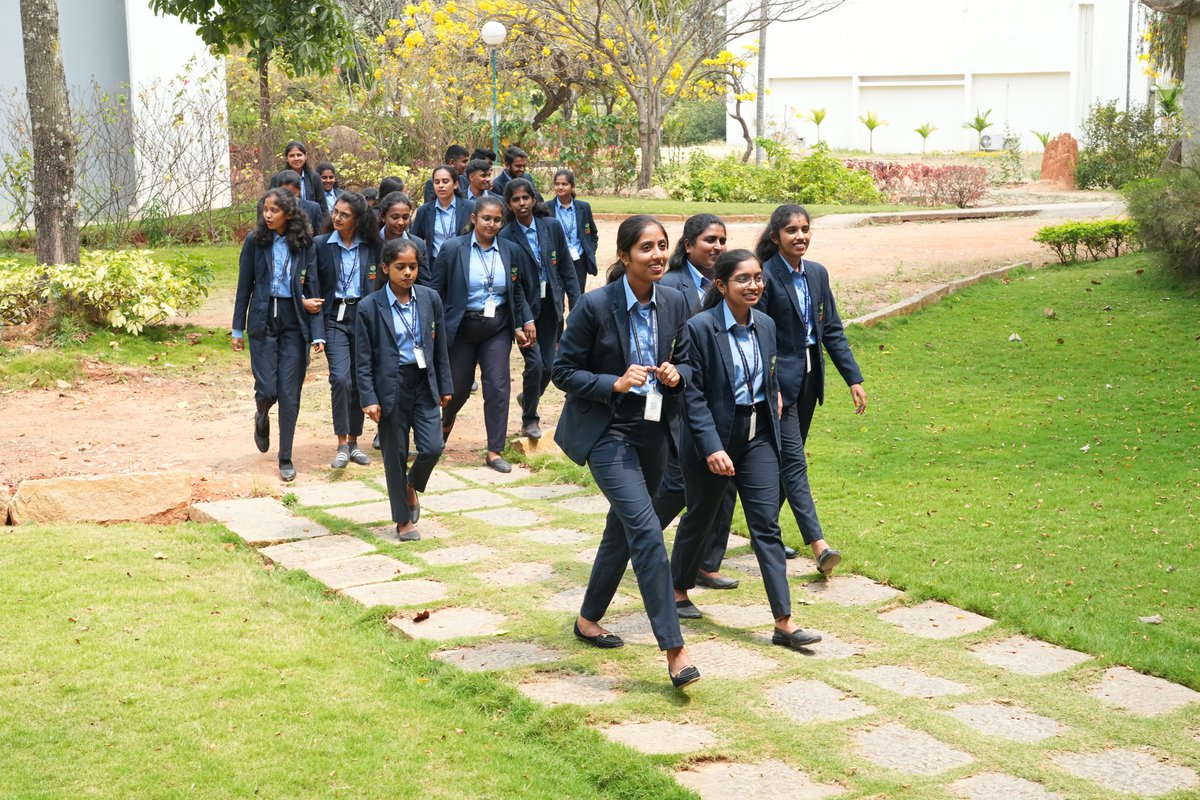
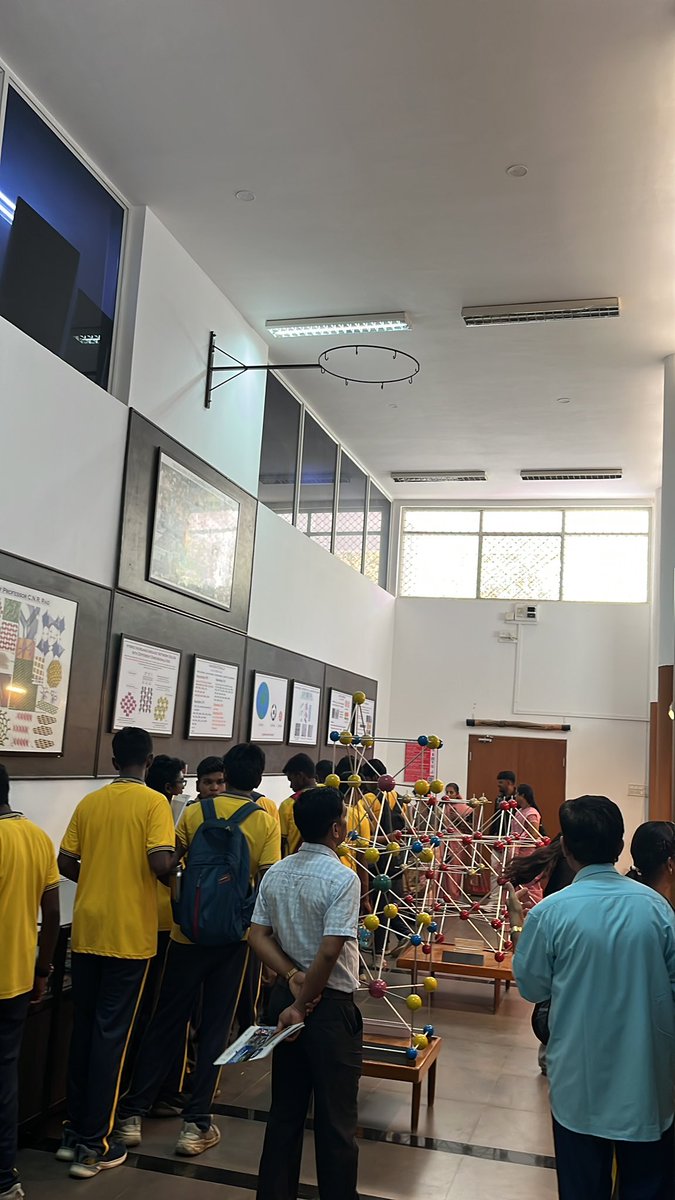
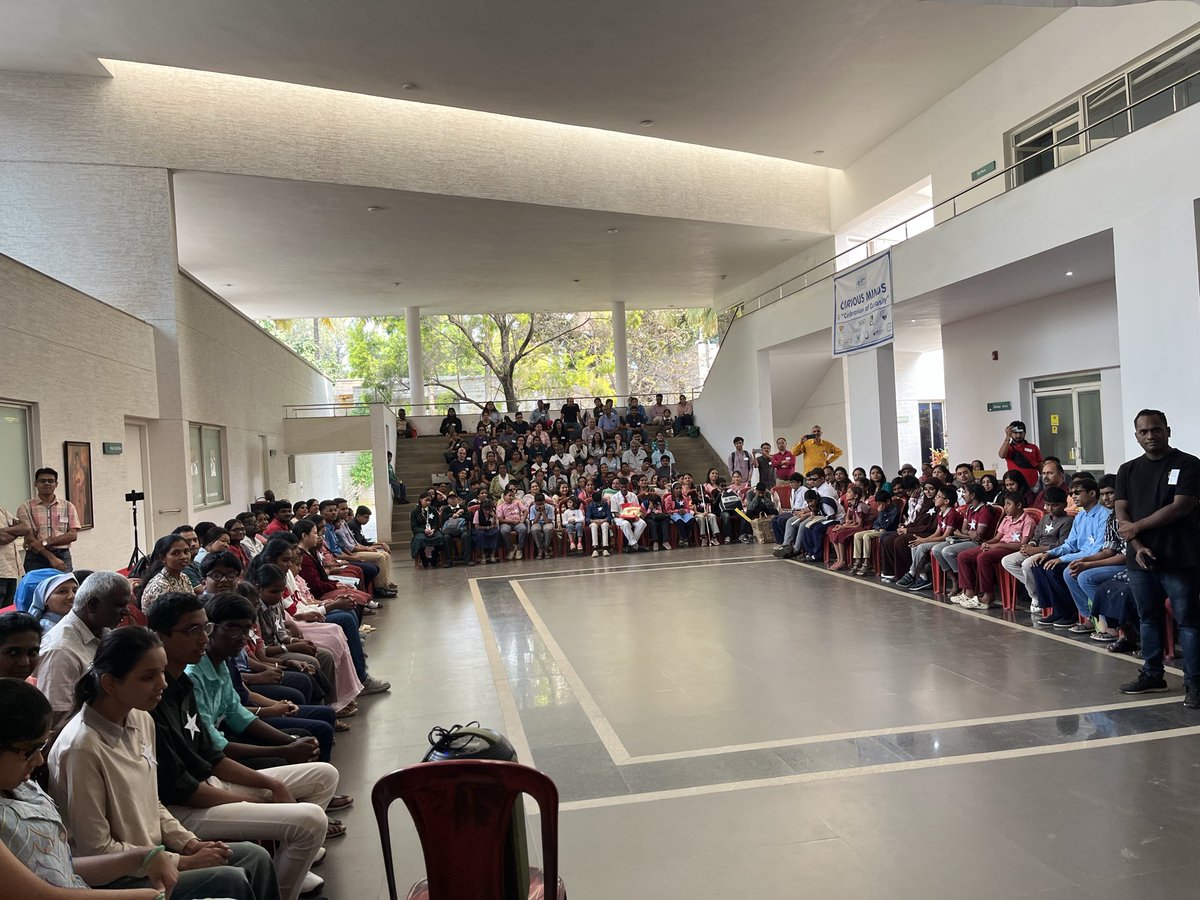
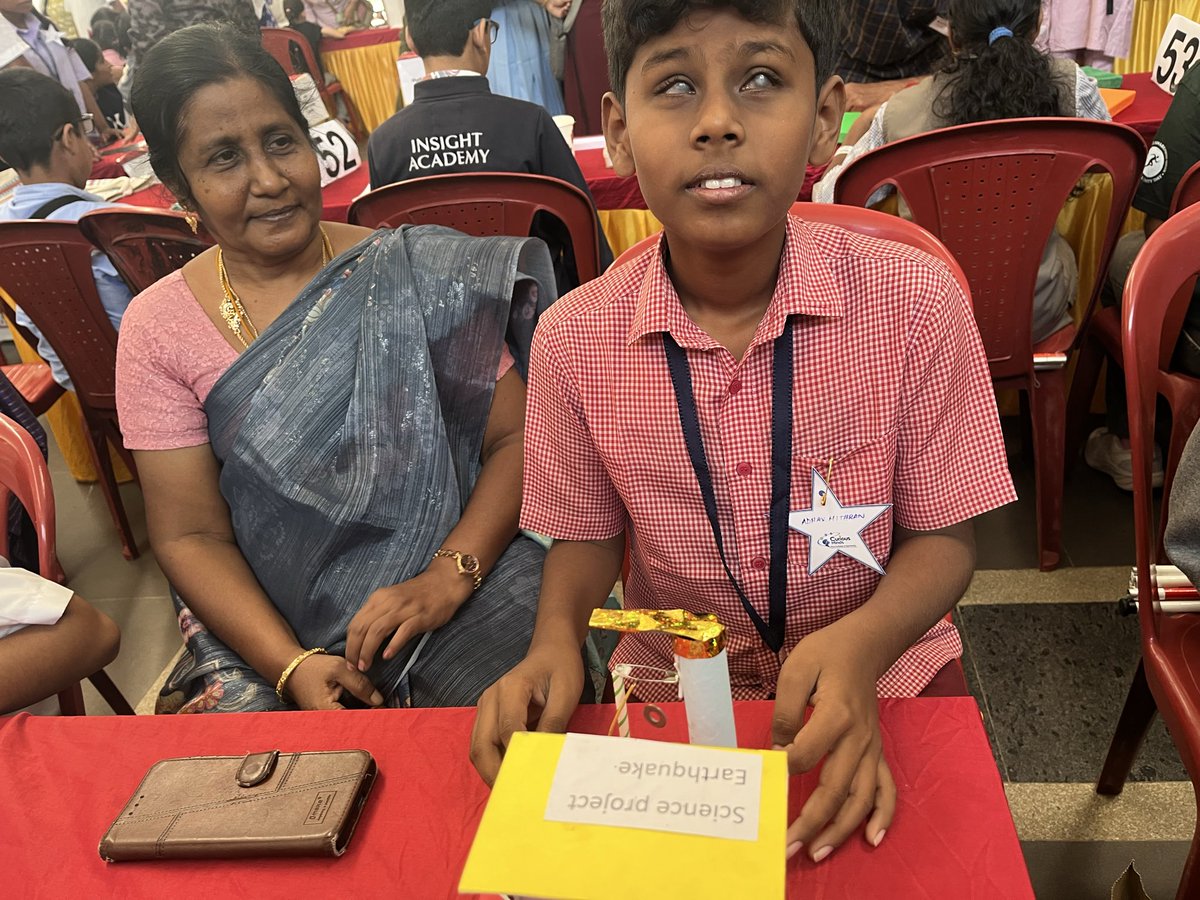
So many aspiring young people. @IndiaDST we need practical steps to enable mainstreaming physically challenged students to contribute their perspectives to the advancement of scientific knowledge
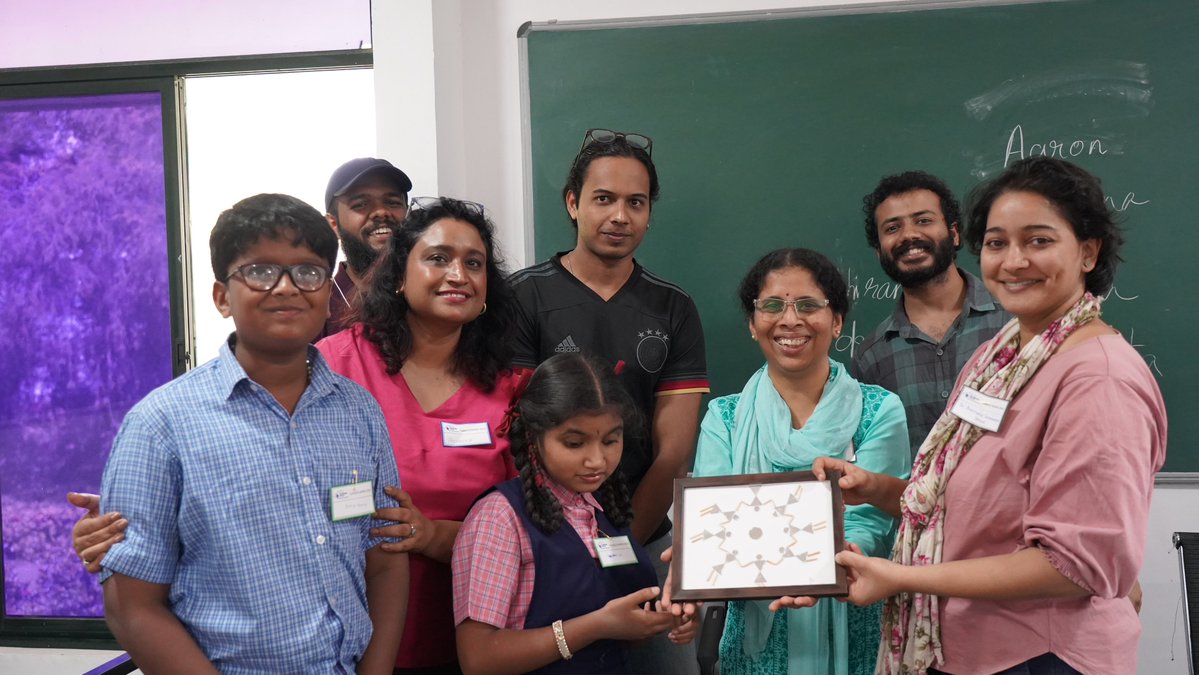
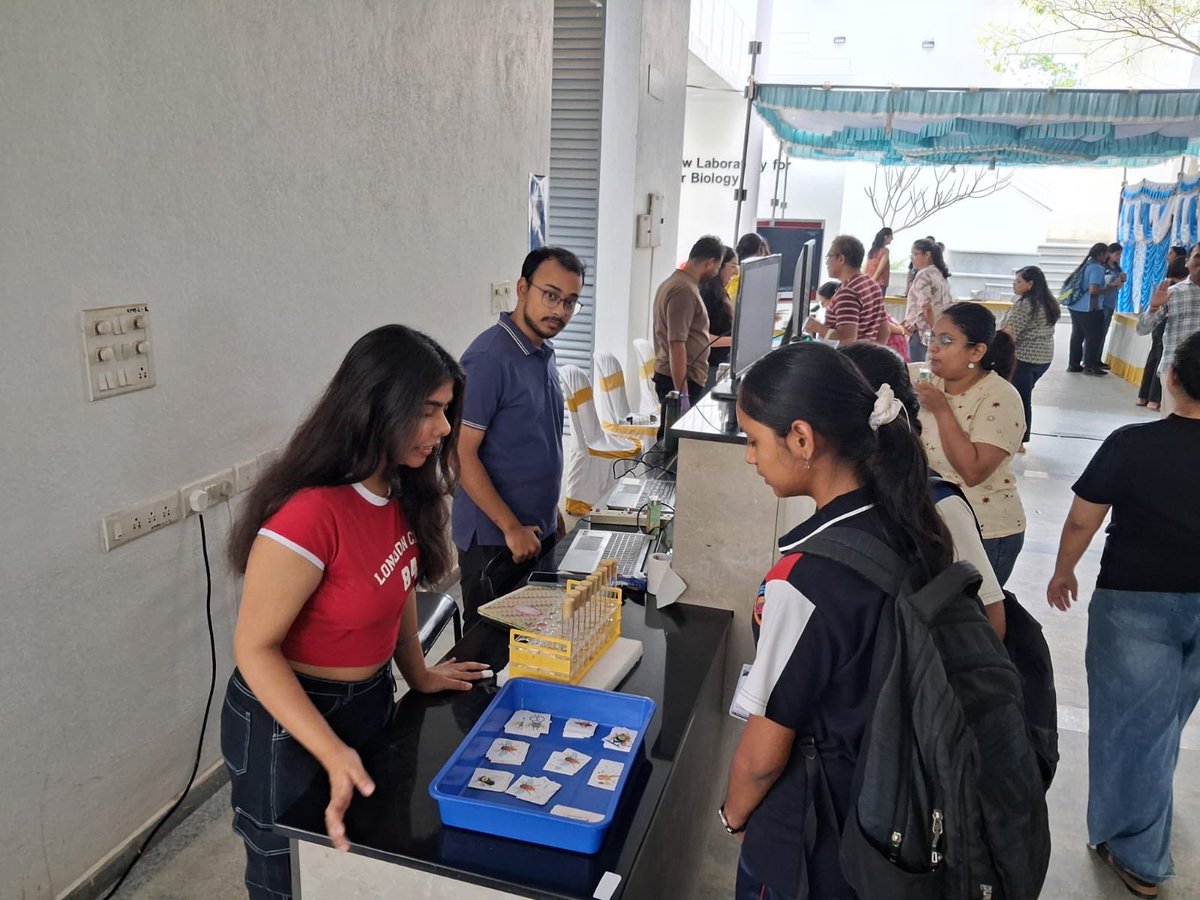
Students from schools across the country told us about their interests and their excitement for the future. looking forward to hosting you at JNCASR again
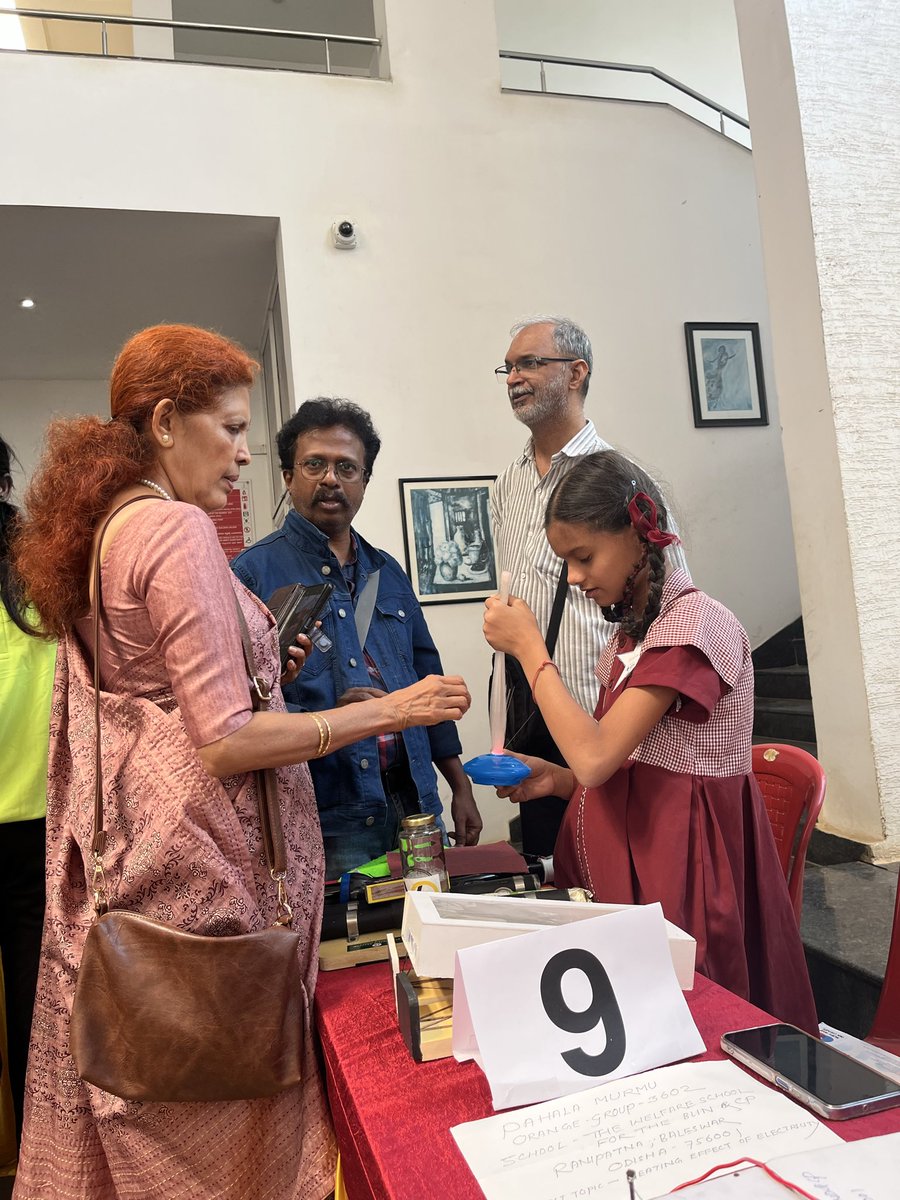
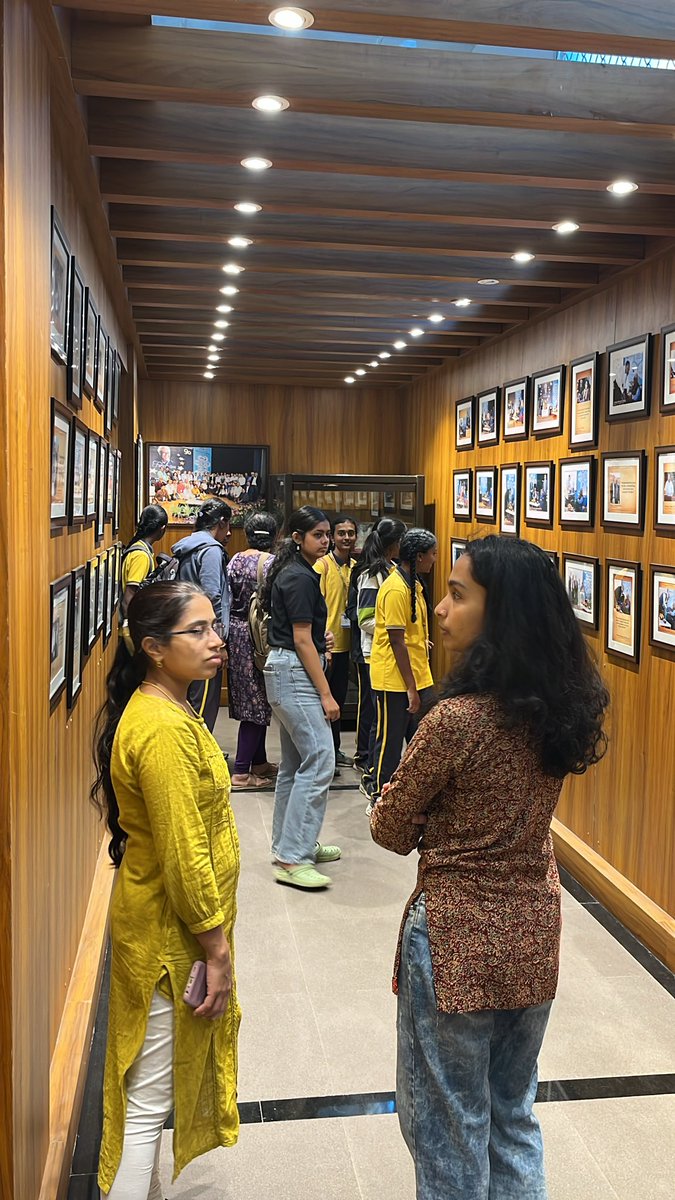
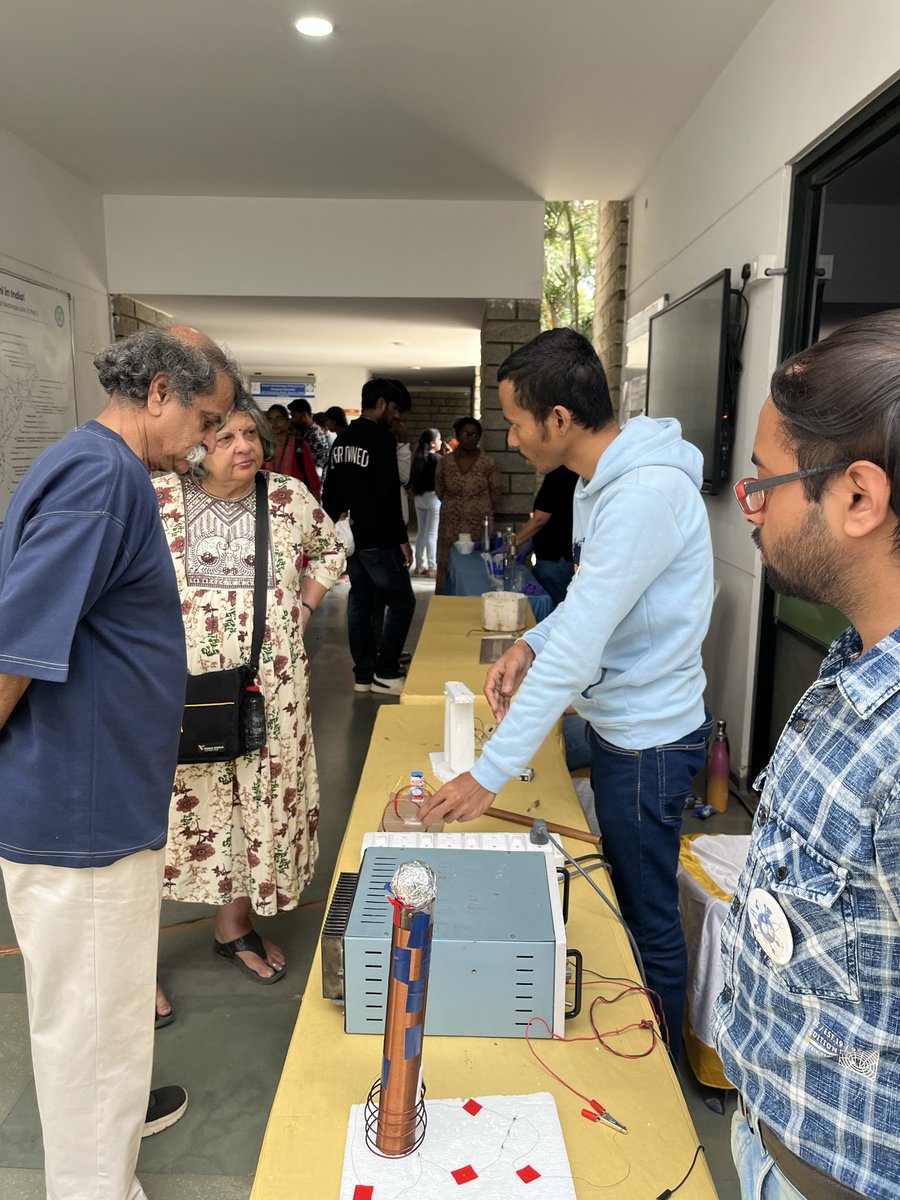
Students, teachers, volunteers, educators and STEM practitioners from across India came together to explore science through hands-on activities, exhibitions, competitions, discussions, and interactive learning experiences.
Science beyond barriers, curiosity beyond limits. Moments from Curious Minds 2026, a unique STEM outreach programme for visually impaired children hosted at JNCASR.
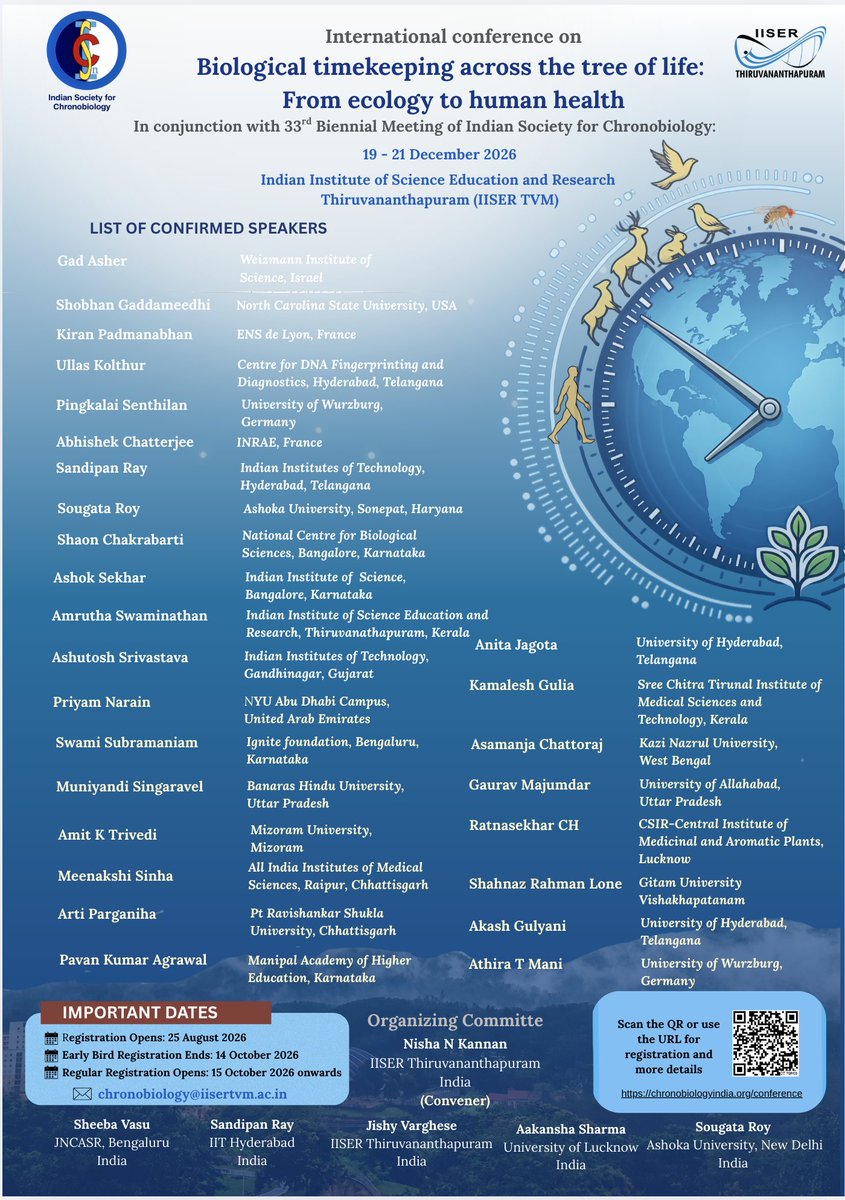
For all things rhythmic -cell cycles to seasons - Extended deadline for early registration to attend the Indian Society for Chronobiology Biennial meeting at IISER-Tvm
Looking forward to exciting conversations around biological clocks across the tree of life with clockwatchers young and young in spirit. Register soon to avail early bird registration rates. Do retweet @SRBR_Outreach@AshuCompBio@aakansha93@DrGaurav007@flygal_antara
The International Conference on “Biological Timekeeping Across the Tree of Life: From Ecology to Human Health”, in conjunction with the 33rd Biennial Meeting of the Indian Society for Chronobiology (InSC), will be held at IISER Thiruvananthapuram from 19–21 December 2026.
Our group is looking for students interested in circadian clock evolution and underlying cellular, molecular and physiological bases. email [email protected] for more details
Applicants are advised to visit the website https://t.co/DYsVy28rAf for detailed information about the Units participating in this programme, eligibility criteria, etc. The last date for online submission of the application is 30.09.2026.
Sd/-
Deputy Controller of Examinations
Tomorrow,we will be celebrating World Circadian Day, by answering your questions on all things circadian, via a reddit AMA. Researchers across the globe will be present to discuss. So be ready with your ques in your respective timezone and post them to https://t.co/nSm2V25h4s
Do you know about the scientific discovery that motivates India's National Science Day, celebrated today.
India celebrates the #NationalScienceDay🇮🇳
in commemoration of the discovery of the Raman Effect. If you do not know about this phenomena, here is a simple explanation.
Imagine you are in a dark room, shining a torch at a glass of water. While most of the light passes straight through the glass with a bit of scattwer, some light bounces back with the same colour it went in to the fluid (water in this case). But a tiny bit of light comes back (or is scattered) at a different colour (or wavelength). That is the Raman Effect!
The important point is that the change in colour or wavelength of the original light due to Raman scattering holds clues to the fluid or substance that scattered it. Therefore Raman effect is a powerful scientific tool to explore the properties of different constituents of the fluid, that is molecules.
Why does this happen?
When light hits a molecule, it gives that molecule a little nudge. Most photons (light particles) bounce off without any change in energy (which determines its wavelength or colour). But a few photons exchange energy with the molecule. They come out slightly different, shifted in energy (colour or wavelength). This interaction carries the fingerprint of exactly what that molecule is made of.
And boom you have discovered a powerful scientific tool of exploration. That's what Prof. C.V. Raman achieved in Kolkata on 28 February 1928.