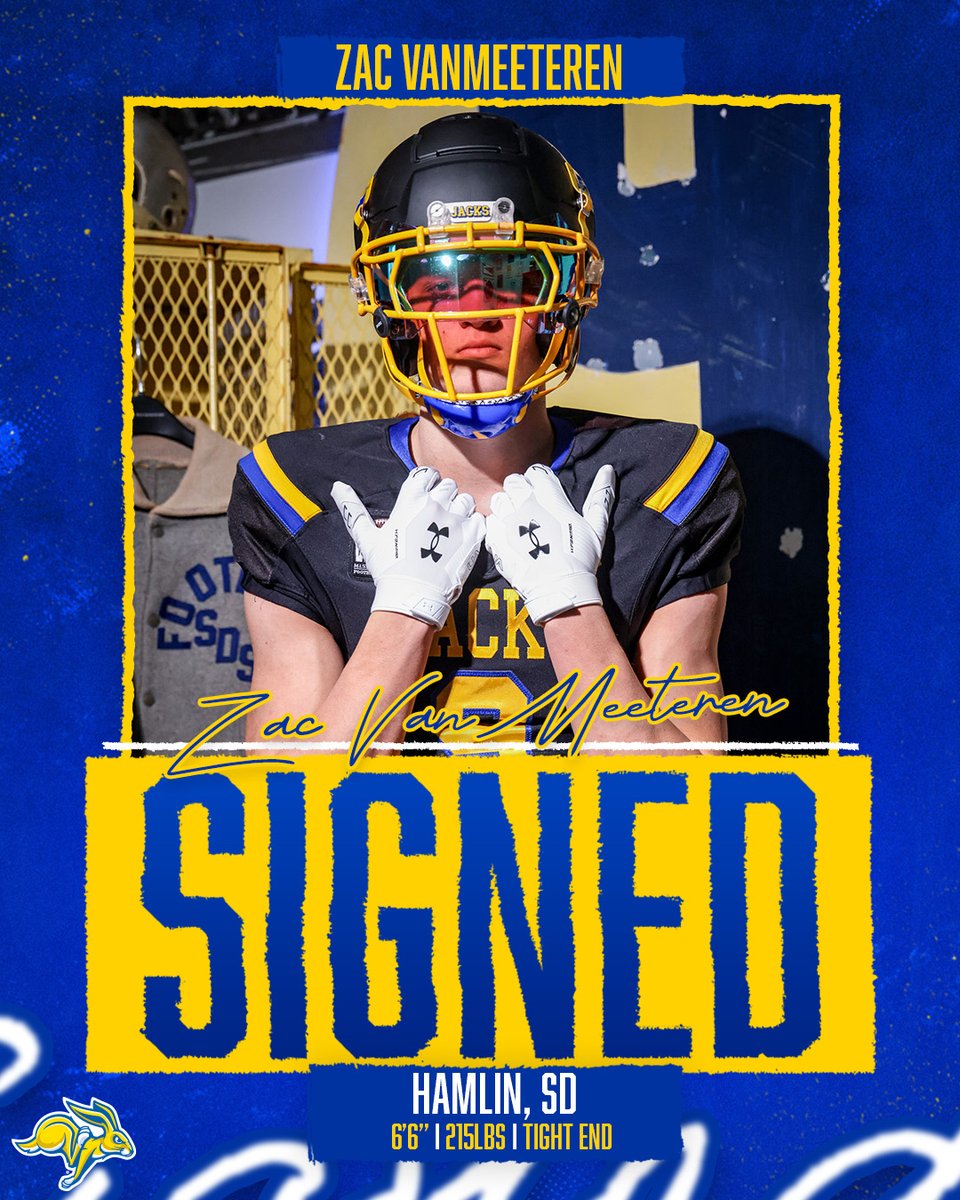
Congrats to our Blue All-Stars, who will play Sat, June 7, 11:00 at Dana J. Dykhouse Stadium at SDSU!
Asst Coaches
🏈Brandon Colpitts, Rapid City Central
🏈Matt Grave, Parkston
🏈Dusty Hourigan, Deuel
🏈Billy Young, Aberdeen Roncalli
Head Coach
Matt Christensen, Brandon Valley
-Jr season -State champs 12-0
-35 pass td, 2 int , 2063 yds
-74 % completion
-44 total td -78 tackles
-Elite 45 -All state -All conference
-PO football player of the year
Most valuable back, Joe Robbie MVP, in state title game
@NWahlScouting
https://t.co/OBpTbVPbqT
Getting angry at yourself after making mistakes in games isn’t going to help you play any better, so you might as well stay calm and continue to do the best you can. Leave your mistakes in the past. Learn from them, move on, and focus on what’s next!
RECRUITs: When coaches are watching you during games, ensure they don't observe the following:
1. Casually walking between plays.
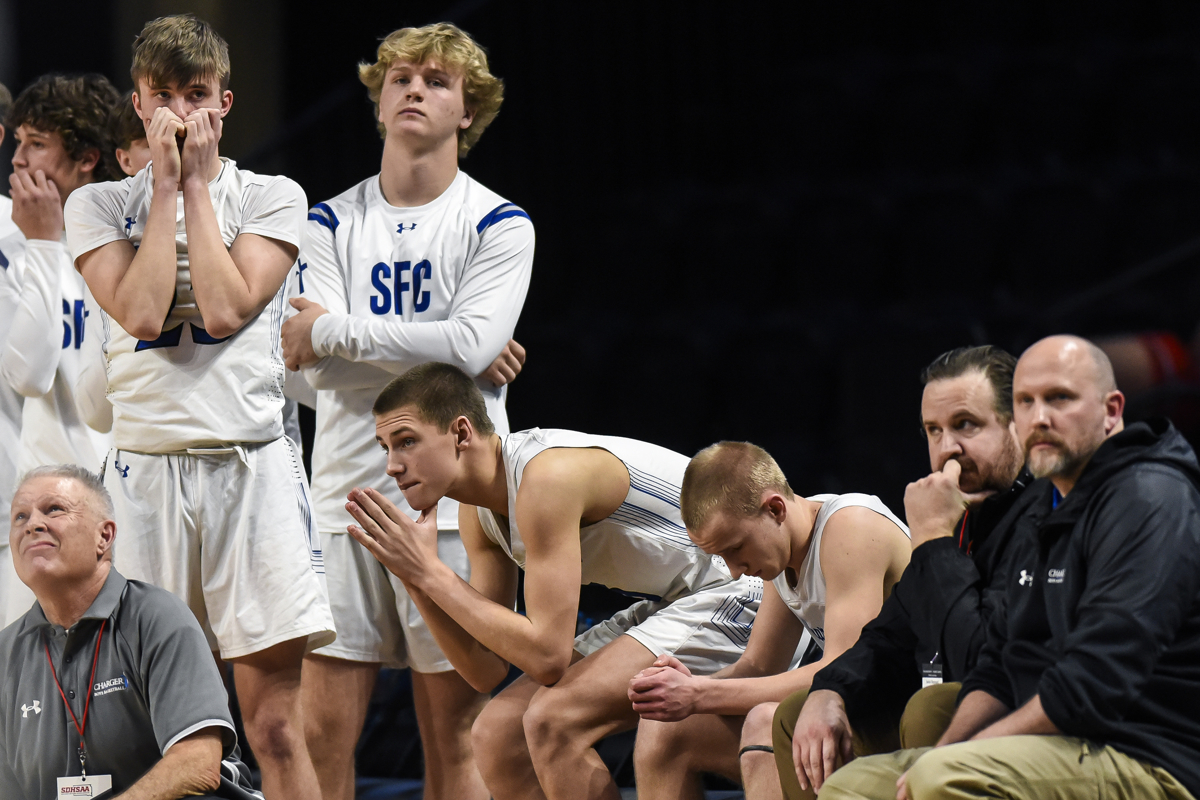
2. Displaying defeated body language.
3. Showing disinterest in the game from the sideline.
4. Engaging in back talk with a coach.
5. Failing to be a supportive teammate.
6. Exhibiting a lack of effort when the ball is not directed towards you.
7. Carelessly leaving your helmet on the ground.
#Recruiting101
Stop making excuses for your mindset.
Stop making excuses for your attitude.
Stop making excuses for your effort.
Stop making excuses for your performance.
Stop making excuses for your leadership.
Stop making excuses.
Call yourself up to a higher standard.
In 1992, Kurt Warner was a backup quarterback at the University of Northern Iowa.
He was more talented than the starter, but he never got on the field.
Warner asked his friend to ask the coaches why he wasn’t playing. The response changed the way Warner approached the game and his life.
The coaches said, "The reason you're not starting is that you're not very good in practice."
The response shocked Warner. He knew he could throw better than the other QBs. He outshined them when the lights came on whether it was spring ball or the game.
But then he started to think about it. He realized that almost 99% of the time the coaches and teammates saw him was in practice.
This moment shifted his mindset and perspective.
Warner said, "That was one of the greatest lessons that I ever learned about life and about football. You have to bring it every day. You got to show me what to expect from you every single day."
He realized that every moment is a moment to lead by example.
How you do one thing is how you do everything.
In life, he realized that people watch what you do all of the time, not just when the lights are on or not just for one moment.
That moment changed everything for him. He started to take practice seriously and results started to appear.
In 1993, Kurt Warner was the starting quarterback for the University of Northern Iowa. He led the team to an 8-4 season with over 2,500 yards and 17 TDs.
He was invited to training camp with the Green Bay Packers and that was just the beginning for him.
Takeaway 1: Be the Example and Lead by Example
In every aspect of life, not just sports, people often observe and judge us based on our consistent behavior and actions.
To inspire and motivate others, it's essential to consistently demonstrate the qualities and behaviors we wish to see in ourselves and those around us.
Takeaway 2: Value Feedback and Embrace Growth
Growth is a habit and a choice. Feedback might not always be easy to hear or accept, but it's your choice whether to grow from it or deny it.
You have to honest with yourself on where there are opportunities to grow. Whether in sports, career, or personal development, being open to constructive criticism and actively seeking opportunities for growth can lead to greater success and achievement.
"If you're willing to put yourself and your dreams on the line, at the very least you'll discover an inner strength you may not have known existed."
- Kurt Warner
- - -
Follow @coachajkings for more content like this!
If you're not willing to give solid effort during practice, why even show up? Going through the motions won’t help you improve. The purpose of practice is to improve, not just to show up and say you did it!
When coachable players are held accountable, they understand it's for the good of the team and seek to learn from the situation.
Uncoachable players think they're being picked on and play the blame game when held accountable.