🔥🇫🇷 | Daar staat Sifan Hassan. Zij ontvangt de laatste gouden medaille van deze Olympische Spelen van Paris 2024! 🥇😍 Wat staat goud je nog steeds ongelooflijk goed, Sifan! 🔥🔥 #Paris2024
📺 Stream Paris 2024 op HBO Max
🔥🇫🇷 | Worthy de Jong maakt de tweepunter. De vlaggendrager ziet zijn olympische droom uitkomen. Nederland heeft GOUD! 🤩🥇 #Paris2024#3x3basketball
📺 Stream Paris 2024 op HBO Max
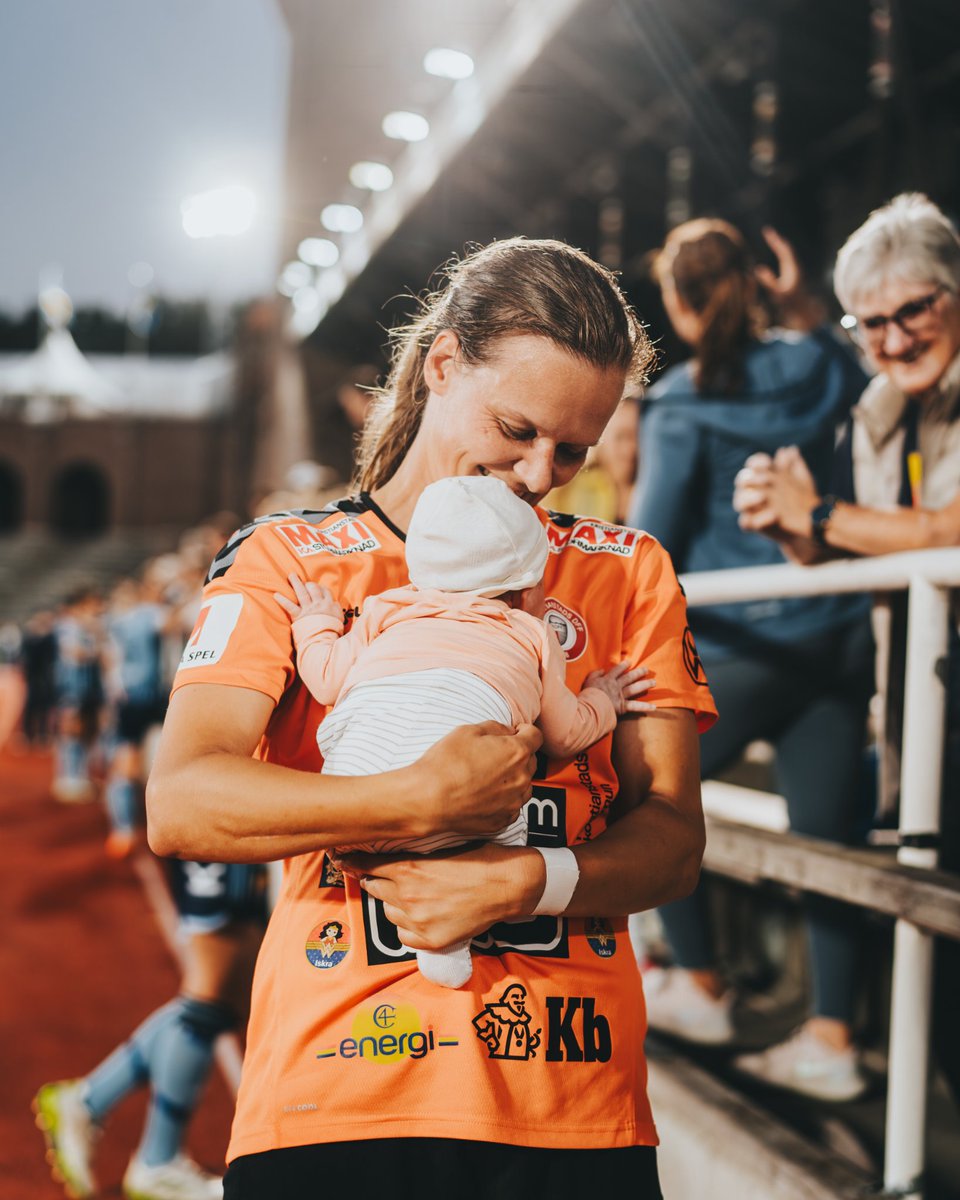
One of my most wonderful moments of 2023. Nora, here 3 weeks old, meeting Berit for the first time at Stockholm Stadion. Always a beautiful place to play, but this one was special ❤️
@CollinBeijk Vergeet de Damallsvenskan niet, ook leuk om te kijken op Viaplay. Maar je hebt zeker een punt, plus dat ik persoonlijk het Engelse commentaar van F1 tv een stuk interessanter vind.
12 Reasons Why Cities Need More Trees:
1. Temperature Control
One large tree is equivalent to 10 air conditioning units, and the shade they provide can reduce street temperature by more than 30%.
2. Noise Reduction
Trees can reduce loudness by up to 50%. In urban areas filled with the sound of cars, construction, sirens, aeroplanes, and music, trees are essentially the best way to block noise and keep cities — along with the homes and workplaces in them — quieter.
3. Air Purity
Trees remove an astonishing amount of harmful pollutants and toxins from the air. In urban areas air quality is often disastrously bad — with severe consequences for our health. Trees make the air we breathe much cleaner.
4. Oxygen
And, while absorbing all those pollutants, trees also put more oxygen back into the urban environment. Oxygen levels are significantly lower in cities compared to the countryside; trees help to solve that problem.
5. Water Management
Trees do more than just shelter us and our buildings from rain — which is, in fact, extremely important. They also absorb huge quantities of water, reduce run-off, neutralise the severity of flooding, and make flooding more unlikely altogether. Not to forget that their roots absorb pollutants and prevent them from feeding back into a city's water supply.
6. Psychological Health
Studies have proven what we instinctively know to be true: that human beings are significantly happier when surrounded by nature rather than sterile urban environments. Our emotions, behaviour, and thoughts are shaped by the places we spend time — and trees have a profoundly positive effect on our psychology. The consequential benefits of being happier and more peaceful — as individuals and as a society — are immense.
7. Physical Health
Beyond all the other ways in which trees improve air quality and the urban environment, much to the benefit of our health, they also encourage people to go outside. Cycling, running, and walking are all more common in urban areas with plenty of trees. A knock-on effect of people spending more time outdoors is also social integration and stronger communities.
8. Privacy
A simple point, but not inconsequential, is that trees provide privacy.
9. Economics
The total economic benefit of urban trees is hard to calculate. There are costs, of course, including the repair of infrastructure damaged by roots and maintaining the trees themselves. But the total economic benefit — a consequence of everything else in this list and more — far outweighs the expenditure. Trees make cities wealthier.
10. Wildlife
Trees are miniature cities all of their own, serving as a habitat for hundreds of different species, including birds and mammals and insects.
11. Light Pollution
Trees don't only block the light shining down, therefore keeping us and our cities cooler — they also disrupt light shining up, from street lighting, cars, houses, and billboards. Skies are clearer in cities with more trees.
12. Aesthetics
And, finally, trees are beautiful. They break up the potential monotony of urban environments — the sharp geometry, the greyscale roads and buildings, the endless rows of cars — with their trunks, boughs, canopies, and flowers.
Just think: the gold and red of falling leaves in autumn, the white and pink blossom of spring, the vast green canopies of summer, and the branches lined with hoar-frost in winter. Every single tree is a myriad of intricacy and texture, of colour and scent, of dappled light on the pavement, mottled bark, knotted roots, of clustered leaves and delicate petals and stern boughs.
Few streets would not be improved by the kaleidoscopic aesthetic delights of a tree, not to mention the many different species of tree, all over the world, whether willow, oak, lime, cherry, aspen, maple, birch, horse chestnut, dogwood, hornbeam, ash, sycamore... the list goes on.
There are some drawbacks to urban trees, most of them context-specific, and they are not — of course — universally appropriate. But it seems fair to say that many cities would benefit from at least a few more trees here and there.
Morocco captain Ghizlane Chebbak’s almost in disbelief reaction to the question, says it all.
A completely unethical out of line question that poses safety concerns to the players he asking to be named.
Bizarre push followed.
https://t.co/MKk84O774E
"She [Miedema] is the best player in the women's game by a country mile."
@fara_williams47 just doesn't understand why Vivianne Miedema doesn't get the same hype as other players! 🤔
The 🇸🇪 @_OBOSDamallsv is back!!!
That also means Evelyne Viens is back with goals and assists for @KDFF1998
🎥 Here’s the clip of her first goal in Sweden, just 41 minutes into the season.
Picking up where she left off.
#wsoccerCa@AlexGangueRuzic@Canucks_Abroad