I love that investor education is gaining momentum on the NGX.
You may think it’s a small thing today, but watch the domino effect over the next decade.
Today’s education. Tomorrow’s market transformation.
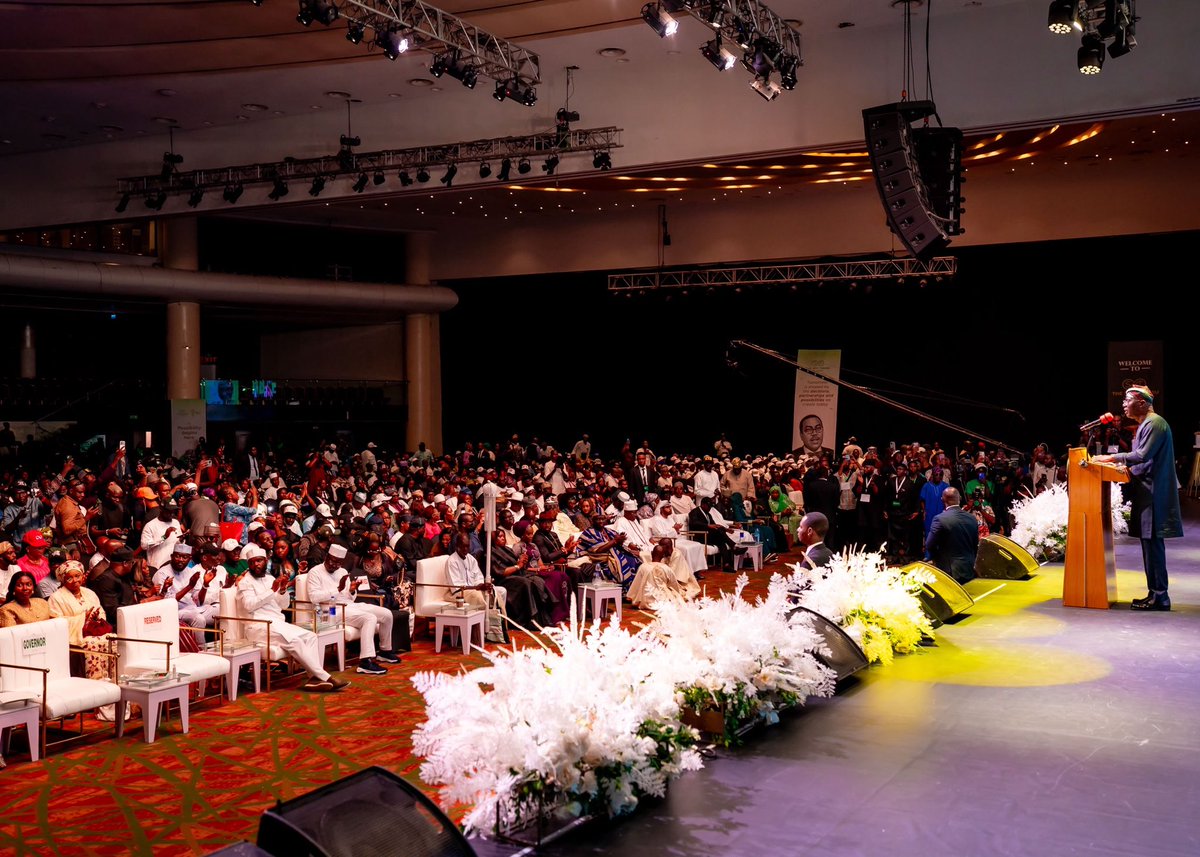
At the Seyi Tinubu 41st Birthday Colloquium, I spoke about the importance of building a future where young people have the opportunity to thrive.
As we celebrate Seyi, the Okanlomo of Yorubaland, I commend him for bringing young Nigerians together to discuss the future we all share.
Lagos teaches us that progress takes time and collective effort. The Blue Line, first conceived in 1983, became a reality 40 years later through the efforts of successive administrations. That tells us that some of the most important things we start today may be completed by those who come after us.
I trained as a surveyor before becoming a banker and, eventually, your Governor. I know that before you build, you must first survey the ground. That is why I spoke about where we stand as a state and the work still ahead of us.
When HE President Bola Ahmed Tinubu brought me into government in my 30s, his cabinet was filled with young professionals willing to challenge ideas and push boundaries. He gave us room to debate and grow. That is how leaders are made.
To our young people, I say keep showing up. Decisions that affect your lives are made at community meetings, ward meetings and budget hearings. Get your voter card, participate and take your place in shaping the future.
Master a skill, whatever you choose to do. Work at it until you become so good at what you do that your ability speaks for itself.
Build for home, too. Travel to learn if you must, but keep a foothold back home and bring your knowledge and ideas back to help build our communities.
To my generation, we have a responsibility to clear the path. We must mentor without expecting anything in return, hire young talent and make room for the next generation to lead.
As I prepare to hand over the reins in a few months, my hope is that we finish what others started, begin work that others can continue and leave behind a solid foundation for those who come after us.
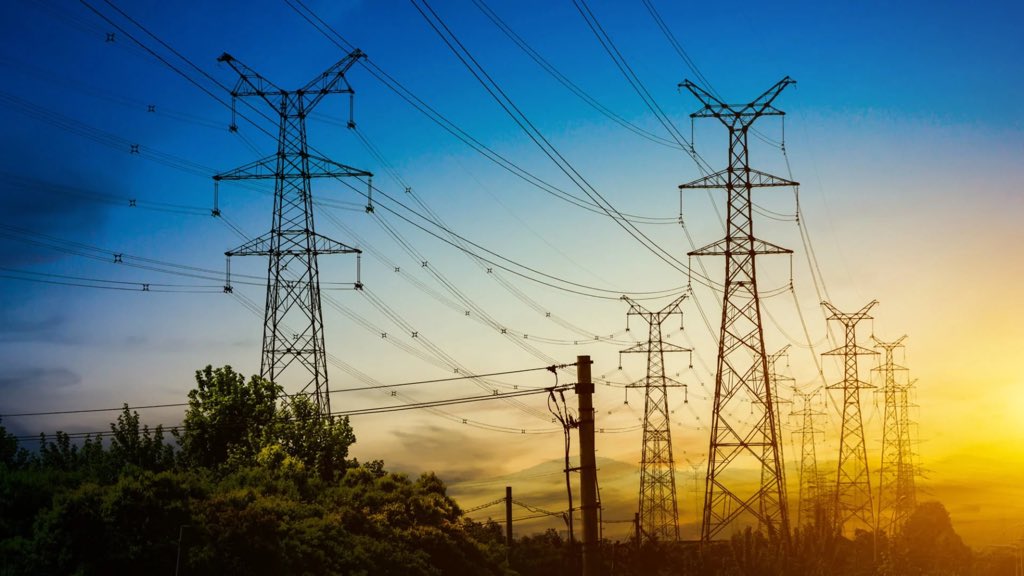
The Lagos State Government has announced plans to increase electricity supply to above 3,000 megawatts (MW) from the current level of below 1,000MW by March 2027.
1/3
Dear Blessing,
I watched your video and listened as you explained how your journey from Masaka to Berger in the FCT now costs ₦500 instead of ₦1,500. That is ₦1,000 saved every trip. I know what that means when you have a family to feed, bills to pay and other responsibilities waiting at home.
I was equally pleased to hear from Ada and Abigail, who now pay ₦1,600 instead of ₦4,000 to travel from Enugu to Nsukka, saving ₦2,400 on each journey.
I also listened to Kabir, a taxi driver who explained that ₦10,000 worth of CNG allows him to make three more return trips than his colleagues using petrol. He says he has no intention of going back to petrol.
I have also received encouraging feedback from Borno, where some commuters are now paying as little as ₦50 per trip on CNG and electric vehicles.
Your various experiences show what our investment in CNG transportation is intended to achieve. Lower operating costs for drivers should translate into more affordable fares for passengers, leaving families with more money for their everyday needs.
When we removed the petrol subsidy, I knew the decision would bring difficulties for many households. With that decision came a responsibility to provide practical alternatives that would ease transportation costs.
Your stories show this is already happening, and I want more Nigerians to experience these benefits.
The AC on this train in Nigeria 🇳🇬 can actually freeze you to dead 🤣
Is there anyone here who has experienced this?
My journey across Nigeria 🇳🇬 as a Ghanaian 🇬🇭