Biggest issue facing Ontario: access to housing.
Biggest failure of Ford’s government: housing starts have plummeted.
This is what happens when politicians tinker with policies they don’t understand. Changes to the Planning Act, intended to speed up approvals, have actually slowed the process dramatically. You can blame municipalities all you want, but these province-wide changes are a key reason starts have ground to a halt.
And about Development Charges? There’s a straightforward fix: eliminate them and make municipalities whole by creating a Housing Development Infrastructure Fund. It could be set up as an incentive-based program to cover infrastructure costs while accelerating housing development. It’s that simple.
https://t.co/BjCmgqZ9zf
Each and every fresh snow reveals how much we’ve over-designed our streets and roads for cars, making them faster and more dangerous, and how much space we could reclaim for people and public life.
We call them #sneckdowns. GIF via @otucis#sneckdown
Somehow the Eglinton Crosstown and the impacts of construction there never seem to make @cityoftoronto, @fordnation or even Swift’s priority list @EglintonWay 👷♀️🚧🚊
But hey, at least Eglinton now has bike lanes and new sidewalks 🚲🌳
The @cityofcalgary has done an absolutely phenomenal job with their riverside landscaping programming.
The mix of amphitheater style seating next to multiuse riverside trails is inviting, accessible and made for a very pleasant local run by the water today.
“Development charges increase the cost of homes for everyone. They are a housing tax. During a housing crisis, we don’t think you should raise taxes on housing. That’s why provinces and cities must freeze the fees in order to get federal infrastructure funding.” - Minister @SeanFraserMP
Economists agree: (New homeowners) "were paying for their own new infrastructure through the charges and, at the same time, for rebuilding my street through their property taxes. If it’s younger people buying houses, they’re getting dinged.”
We need a better model for funding critical infrastructure in our cities - layering the costs of both old and new infrastructure on to new homeowners and renters does not make sense.
https://t.co/MXISteuuxx
1/4 I am grateful to the thousands of Calgarians who took the time to write or speak about housing & rezoning over the past few weeks. Council's decision will create greater choice in housing across the city, which will bring better entry level price points.
My hometown is currently considering opening up their “Yellow belt” and granting permission for six-plexes and townhomes as-of-right in existing neighbourhoods.
This type of gentle intensification could be a significant step forward and limit sprawl 🚘
https://t.co/c0ntNmOY5d
Our Taskforce on Housing and Climate report is out.
And we put a stake in the ground.
The No. 1 factor for building affordable, low-carbon and resilient homes is where they are built. Building ��inside existing communities” can be cheaper, faster and less carbon-intensive. Once built, communities with 'sufficient' density enable the choice of living without a car, thereby significantly reducing household costs.
That is the foundation - the starting point - that the rest of our 140 recommendations hinge on.
Every new housing development across this country that requires new roads, schools and transit should be viewed as off-side with a climate forward approach to new housing development.
Read the report, here:
https://t.co/qDrBEfccXv
Despite its reputation, Calgary is a diverse city full of hidden gems. I recently visited a new strip mall in the northeast and was charmed by the local place making here, including this gateway in a south asian neighborhood that is a clever hat tip to the community here
Removing and reducing parking minimums in cities has gone from trendy to main stream.
It’s better for the environment, place making and encouraging transit use and it’s great to this happening more and more! 🚗👏
https://t.co/mc8J1RO83i via @MorningBrew
“At the risk of spoiling a future announcement, if we fund a transit line, you will need to allow density to be built within walking distance of it” - @SeanFraserMP at the #ULIToronto@ULIToronto#housing panel with @jen_keesmaat
Housing minister @SeanFraserMP, @jen_keesmaat and the members of the Task Force for #HousingandClimate are setting house policy and planning on track.
It was great to hear from both of this morning at @ULIToronto’s event on Ramping up housing delivery in Canada 🇨🇦
We need to build a tremendous amount of housing. But we shouldn't put that housing anywhere, or we solve one problem and create another.
I am thrilled to be a part of this non-partsian Task Force for Housing and Climate led by former Conservative cabinet minister Lisa Raitt and former Mayor of Edmonton Don Iveson, supported by @MikePMoffatt. We are focusing on the the importance of pursuing urban density in proximity to public transit as we build new housing, and identifying tangible actions for all levels of government to address our housing crisis.
We need to reduce our carbon emissions as we build housing. It's the only way.
https://t.co/MLlSQaHo3I
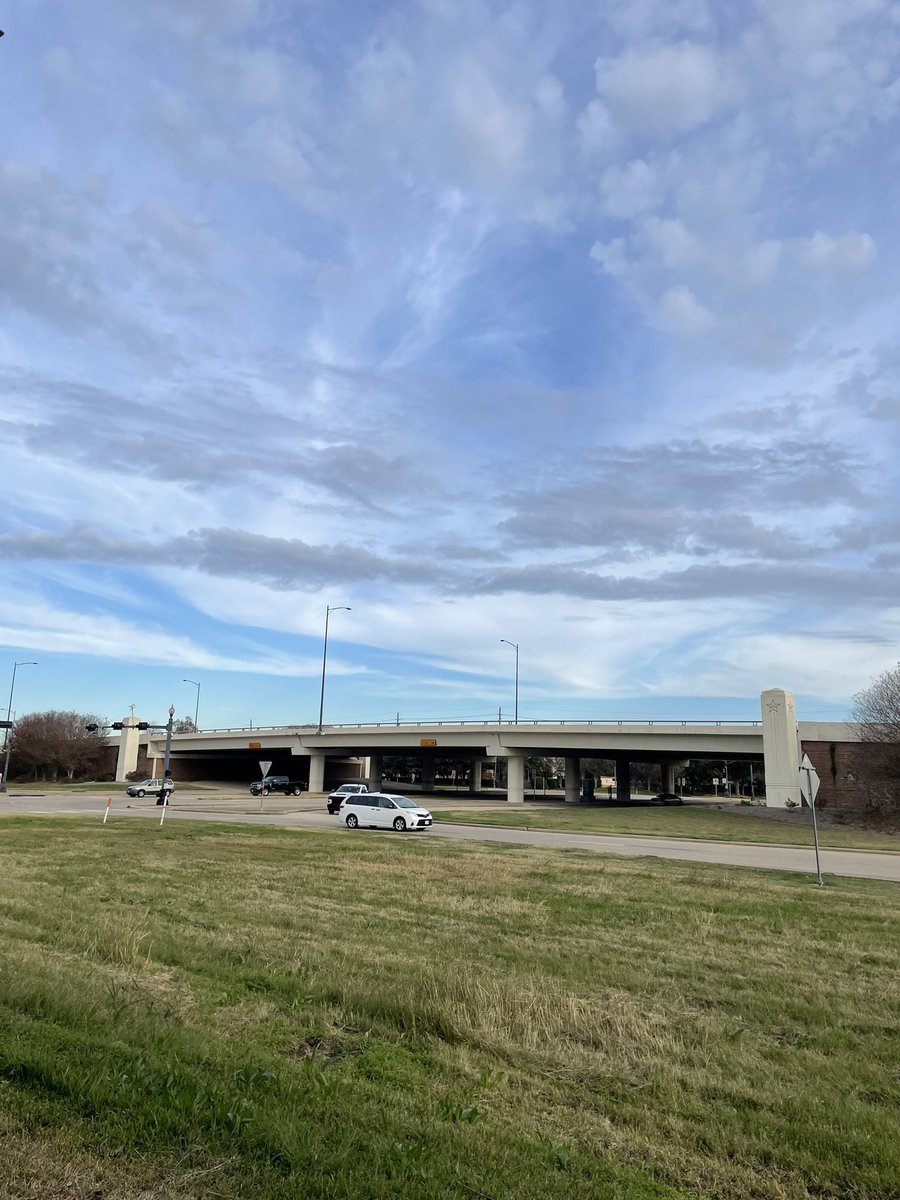
The days between Christmas and New Year’s are typically a blur and this year, we’ve been spending them in Houston, Texas. This city is a blur of suburban sprawl and a highway filled haze ☀️🚙