In September 1938, British Prime Minister Neville Chamberlain met with Adolf Hitler, the leader of Nazi Germany, which had already annexed Austria and was methodically dismantling the international security system created after the First World War.
At that time, Hitler was known as a dictator who built his power on blackmail, threats, and mass repression. His military parades were a demonstration of readiness for war, and his public speeches increasingly contained direct demands to annex the territories of neighboring countries – the Sudetenland, Danzig, and the Polish Corridor.
Despite warnings from many politicians, much of the Western public and establishment greeted the Chamberlain–Hitler talks with naïve optimism. The negotiations took place in an atmosphere of marked politeness, while Hitler calculated what concessions he could extract without firing a shot. Chamberlain returned to London with a piece of paper and the words “peace for our time.”
The outcome of 1938 was the Munich Agreement, under which Czechoslovakia lost the Sudetenland, and within a year Hitler had launched the Second World War – the bloodiest in the history of the 20th century.
At the time of that meeting, Hitler had been in power for only five years. Vladimir Putin has ruled Russia for a quarter of a century. During this time, he has waged wars in Georgia and Ukraine, annexed Crimea, carried out mass repression, imprisoned thousands on fabricated charges, and presided over the killings of Boris Nemtsov, Anna Politkovskaya, Alexander Litvinenko, Alexei Navalny, and dozens of other political opponents and journalists. Tens of thousands have been killed, millions have become refugees, cities have been erased from the map, there have been systematic shellings of civilian infrastructure, the deportation of Ukrainian children to Russia, and mass executions and torture in occupied territories.
Despite this, Donald Trump is ready to receive Putin, shake his hand, and discuss concessions that would in practice cement the results of aggression.
History shows that such meetings almost always turn into gifts for the aggressor – they give him breathing space, strengthen his power and legitimacy, and instill confidence that he can continue. In 1938, the price of such “peace” negotiations was another country’s territory and the collapse of Europe’s security system. Today, the risk of repeating this scenario is not just obvious – it is close to inevitable.
And all of this would matter if not for one “but”: while Donald Trump believes he is making history, in reality, history, taking Putin by the hand, is using him as the trigger for a new war.
The scale of Russia’s war machine and its momentum mean that any truce under current conditions will only be a pause before a new, even larger war. And this does not depend on either Trump or the EU. But what does depend directly on them is something else – the complete destruction and unconditional capitulation of Russia, here and now.
If this seems unexpected or radical to you, just imagine it is 1939 and you are asking the leaders of Europe and the United States whether they were ready at that time to jointly destroy Nazi Germany to avoid tens of millions of deaths and tragedies – or not.
I think the answer is obvious. But not for those who remain in the rear of our war. Not yet.
subscribe https://t.co/CRs6z6puze
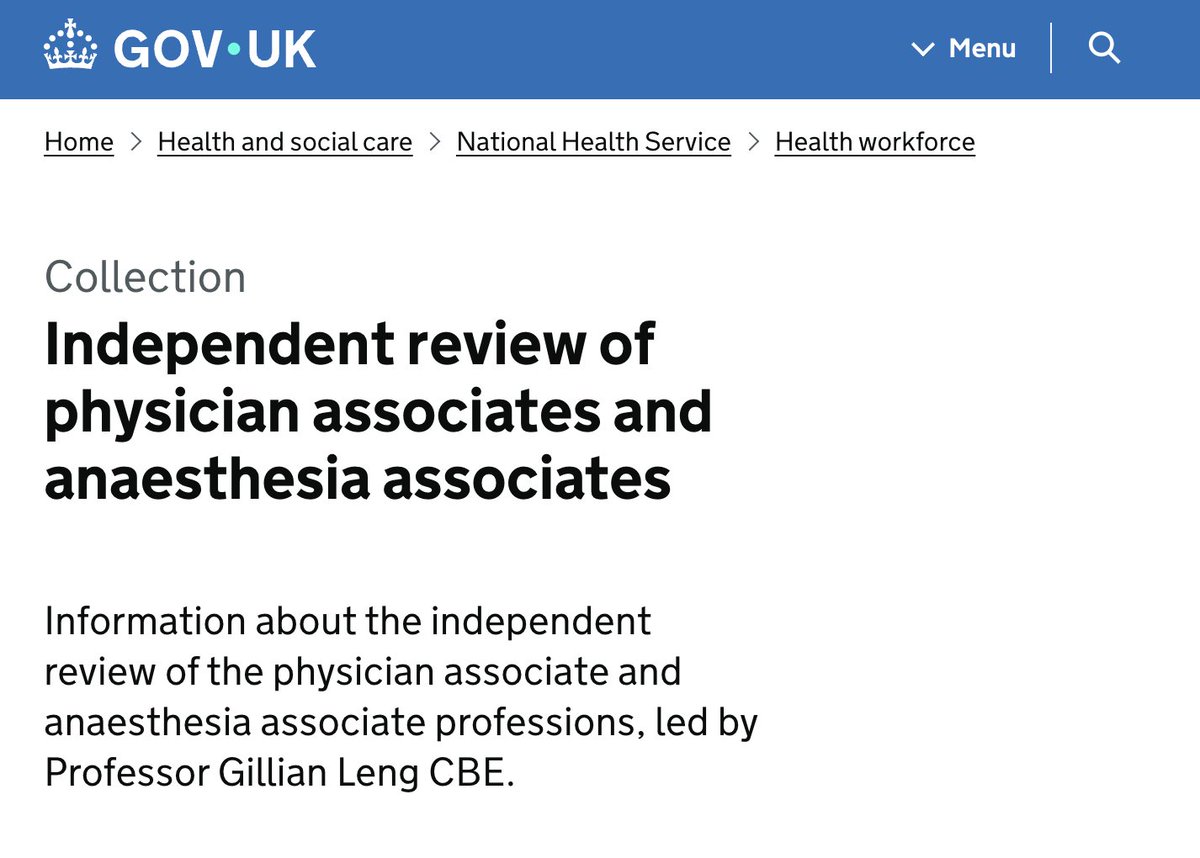
1/ Now the embargo has lifted, I’ve had time to read the @lengreview in full. While some celebrate minor cosmetic wins, I see the formal entrenchment of a parallel, underqualified medical workforce — built without medical training.
@sardroid Nieprawdopodobne są te zdjęcia. Obiektyw telephoto? Warto np. z S25 Ultra się przesiąść. Czy są krzaczki w sofcie i w codziennym użytkowaniu?
Right now, all of you will think about this question after watching #SamsungUnpacked:
"Software aside, where's the excitement?"
Imma tell you: NONE! ABSOLUTELY NONE!
80% of the event was about AI, Software, and Ecosystem stuff. That's it.
Imma list everything in this thread.