Look at those teeny tiny feets! 😄
Those little tootsies are totally out of proportion to the chonky bird.
A laughing kookaburra beside the River Murray at Morgan.
Roland Garros semifinalists:
Cobolli: “Novak has been my idol since I started playing tennis.”
Arnaldi: “Novak Djokovic is my idol since I was a child.”
Mensik: “Novak is the reason I’m here. I started playing tennis because of him.”
Zverev: “There’s nobody I respect more than Novak."
Even on the biggest stage without him, Novak’s influence is still all over this tournament.
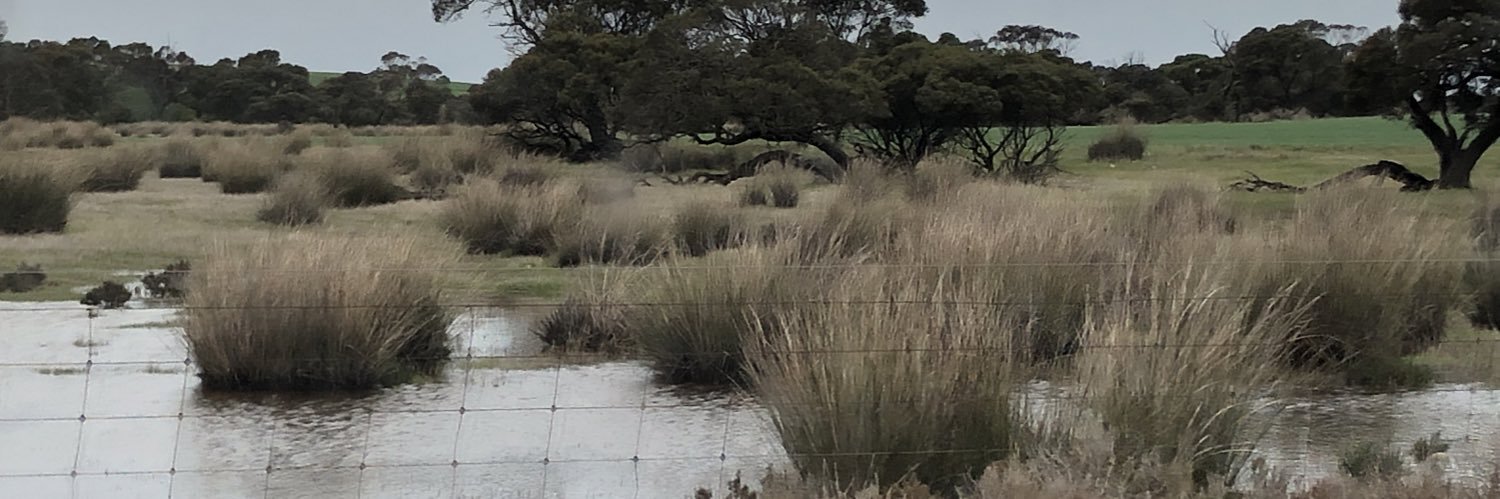
Lots of impressive vegetation coming up on our ponded area. Banks combined with controlled grazing can really kick start the land, makes the most of rainfall
A farmer dies in April 2026.
His son inherits the farm. The farm has been in the family since 1847.
The farm consists of: 300 acres of grazing pasture, a farmhouse built in 1892, a barn, a milking parlour, two tractors of varying ages, a Land Rover that runs about 70% of the time, and a herd of 180 Hereford-cross cattle.
On paper, the farm is worth approximately £3.2 million. This is because land near him has been bought recently by a London hedge fund looking for carbon credits, which has dragged the comparable value of every field within forty miles upward to a number nobody local can justify.
In cash, the farm produces a profit of about £28,000 a year in a good year. In a bad year it loses money. The son also works as a fencing contractor three days a week to keep the operation viable.
The inheritance tax bill on a £3.2 million estate, even at the reduced 20% rate, comes to approximately £140,000 after the increased threshold is applied. The son does not have £140,000. The son has never had £140,000. The son has £4,200 in his current account and an overdraft.
The son sells 60 acres to a developer to pay the tax. The developer puts solar panels on the 60 acres. The remaining herd cannot be sustained on the reduced land. The herd is sold. The barn becomes a holiday let.
A different family eats Brazilian beef this Christmas without knowing why the price went up.
The Treasury collects £140,000.
The land never produces British food again.
Please keep the pressure on about the Dartmoor pony cull these have been apart of our country since the ice age ! They are going to get rid of them no doubt to put more houses in their place for foreigners stop this !
Listen to the bird song…!
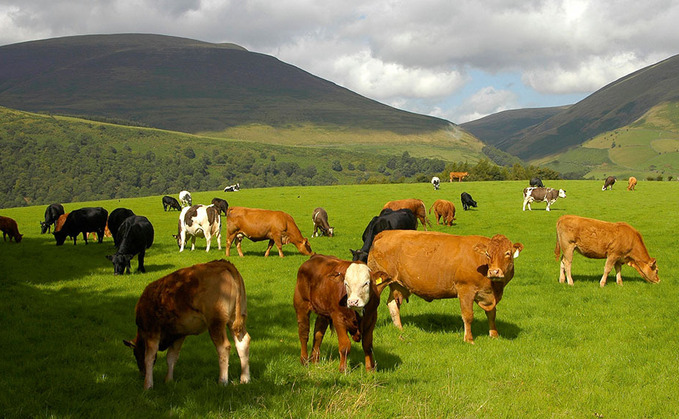
The swallows and house martins are back in numbers - they fly above the cattle and eat insects - I wish we had more.
You may have accepted the BBC view of the world that beef is bad… Reconsider: beef is good, it’s a health food.
Andy Burnham should make red meat the core of his diet; the former Health Secretary would lose his fat belly.
Eat real red meat and animal fat; buy the best you can.
@SandyHorne61 Oh … Sad to hear this Jo & Shane… have been keeping my eye on Ablas antics for a few years now bless her! ❤️ yes they certainly take & break our hearts when they go… but memories stay … and you’ll always talk and laugh about her funny stories…I promise! 🥰
For anyone who has never met the Superb Lyrebird of Australia.
David Attenborough says it displays one of the most sophisticated voice skills within the animal kingdom—"the most elaborate, the most complex, and the most beautiful."
The chainsaw always brings tears to my eyes.
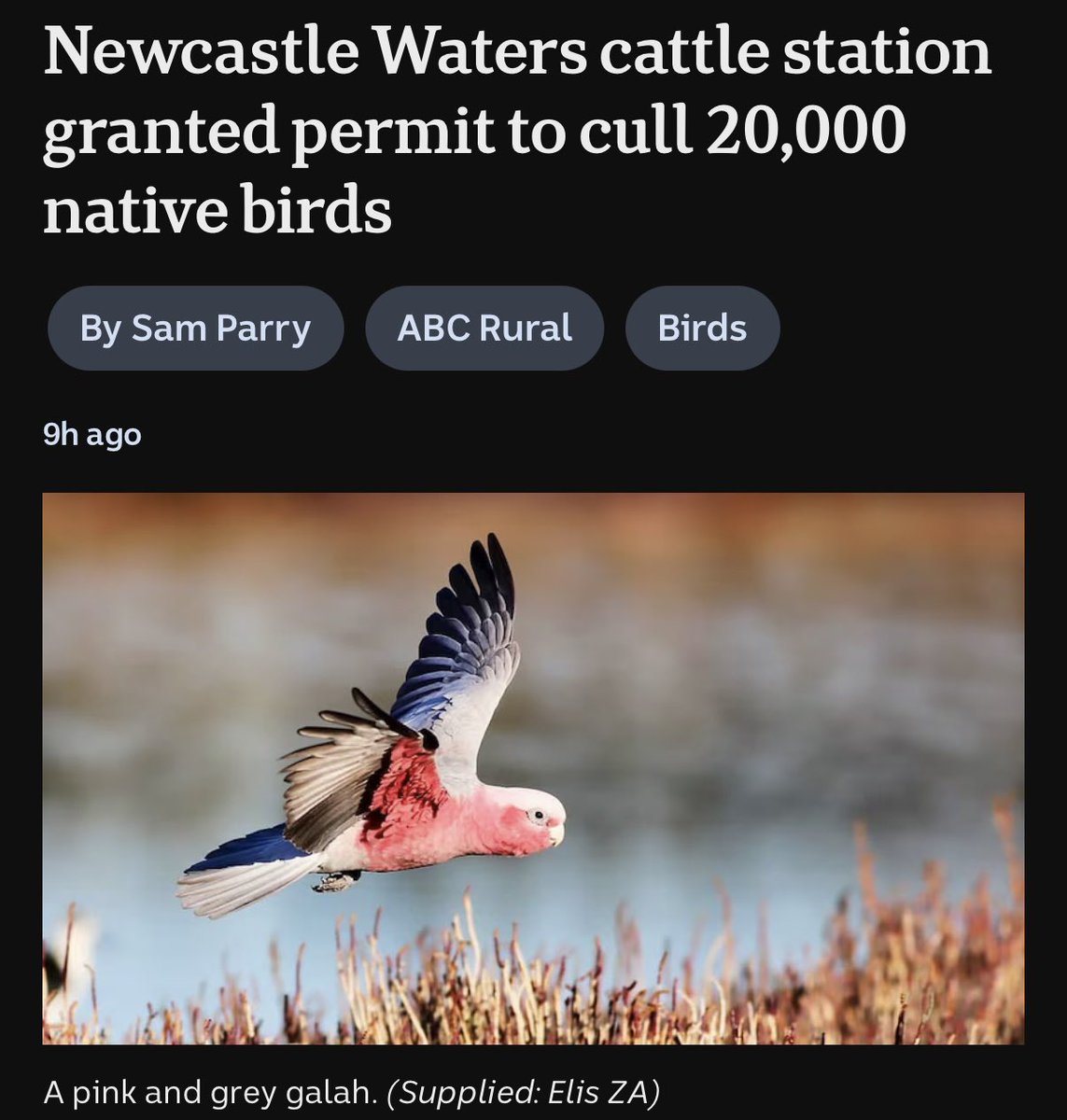
DISGUSTING! 😡
The concept that cattle stations own millions of hectares of bush in Australia and are allowed to destroy it is one of the biggest environmental disasters in the world! ❌
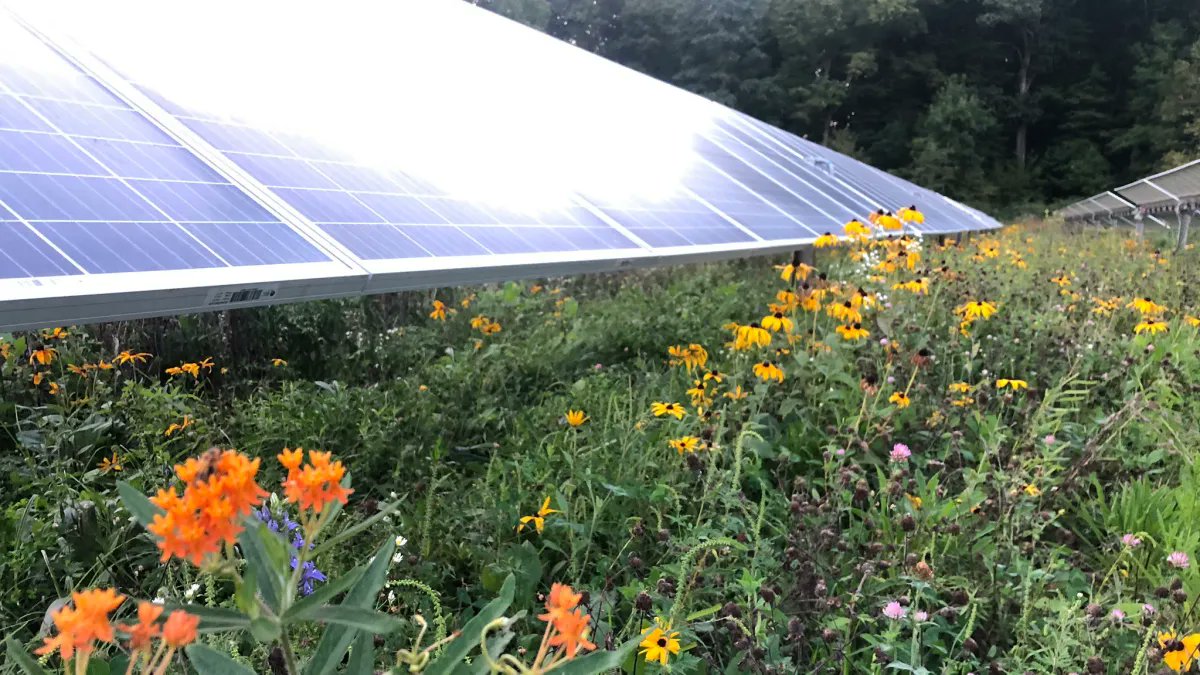
A solar farm in Minnesota planted native wildflowers between its panel rows. Five years later, total insect populations tripled. Native bees increased 20-fold.
Not only did insect populations boom, soybean fields next to the solar arrays got twice as many bee visits as fields farther away.
Two of the things we usually think of as competing turned out to reinforce each other.
One study, published in Environmental Research Letters in late 2024, tracked two utility-scale solar sites built on retired farmland in southern Minnesota, where the developer seeded native prairie species between rows of panels in 2018.
By 2022, the sites looked less like industrial energy infrastructure and more like remnant prairie.
Goldenrod soldier beetles colonized the goldenrod stands. Bumblebees nested in the soil. Monarch butterflies passed through during migration. The wildflower diversity grew sevenfold; insect diversity grew eightfold.
This matters because, like it or not, utility-scale solar is going to take up real space. The US is on track to cover roughly six million acres in panels by 2050.
The default approach is turfgrass, gravel, or herbicide-maintained bare ground, which is ecologically dead.
The Argonne study shows the alternative isn't more expensive or harder to maintain. It's just a different seed mix.