The most genius life-saving device of World War || (WWII) wasn't a weapon, med or vehicle.
It was a metal box floating along the English Channel.
Here's how these "sea hotels" changed combat survival forever:
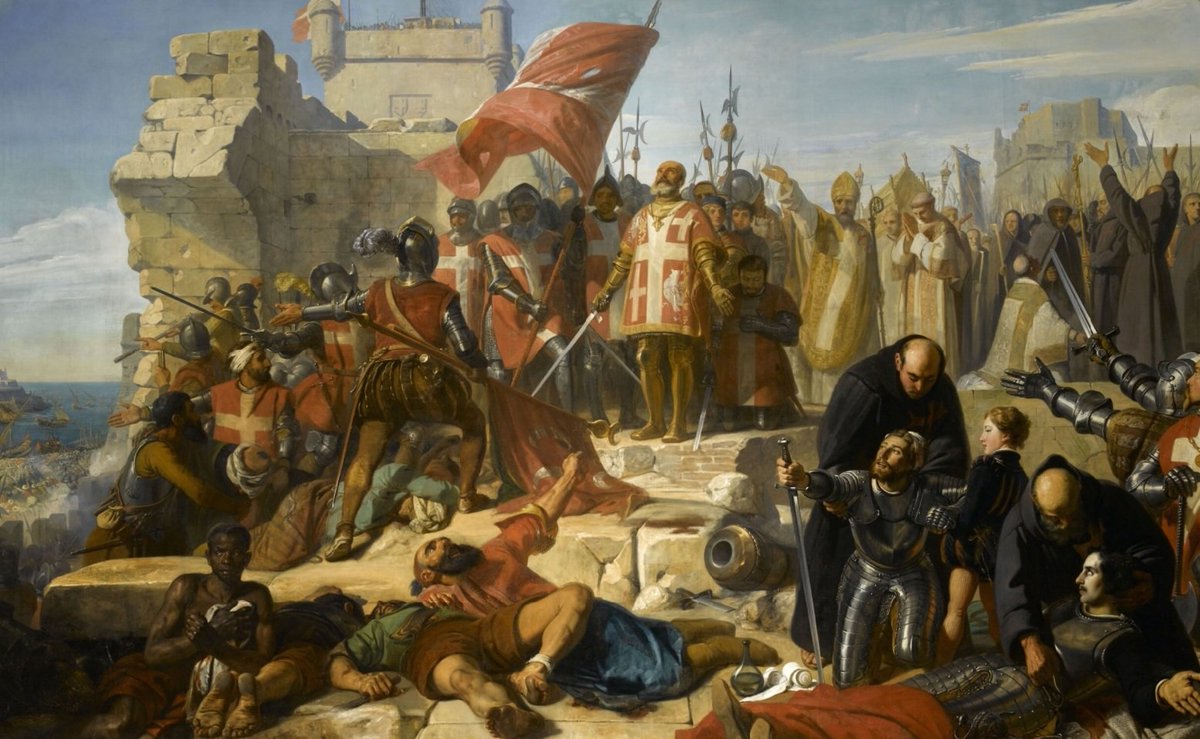
۱/۱۴ این آخرین درگیری جنگهای صلیبی بود. یک پادگان جزیرهای کوچک در برابر قدرت کامل امپراتوری عثمانی. به مدت چهار ماه در سال ۱۵۶۵، سرنوشت مدیترانه و شاید تمام اروپا با آتش، فولاد و ارادهی محض تعیین میشد.
این داستان محاصرهی بزرگ مالت است. 🧵
1/14 It was the final clash of the Crusades. A tiny island garrison against the full might of the Ottoman Empire. For four months in 1565, the fate of the Mediterranean, and perhaps all of Europe, was decided by fire, steel, and sheer will.
This is the story of the Great Siege of Malta. 🧵
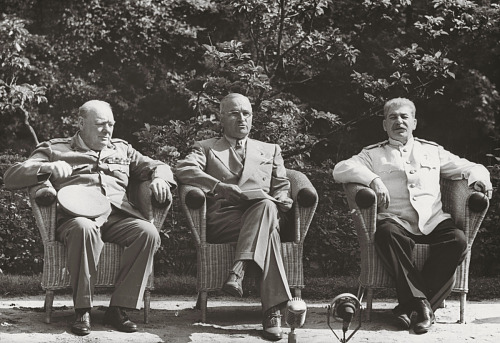
1/10 #OnThisDay in 1945, the Allied leaders met at Cecilienhof Palace, former home of Germany's last Crown Prince. The irony was thick: in the heart of a fallen empire, they gathered to decide its fate. This wasn't a victory lap; it was the tense start of a new world order.
Think you’ve seen something massive? Wait until you meet the legendary metal giant: **Bagger 288**. This isn’t just a machine—it’s a human-made monster, a colossus with the size of a small town and the strength to shake mountains. Built in Germany in 1978 by the industrial company Krupp for the energy firm Rheinbraun, Bagger 288 became the largest land vehicle on Earth, costing over \$100 million at the time—equivalent to hundreds of millions today.
To understand its scale, imagine this: the machine stretches **220 meters in length** (longer than two football fields), stands **96 meters tall** (like a 30-story skyscraper), and weighs nearly **13,500 tons**—more than 20 fully loaded Boeing 747s. Despite its overwhelming size, it actually moves. Slowly but surely, this iron behemoth crawls across the ground like something out of a science fiction saga.
But what makes Bagger 288 truly awe-inspiring is its power. At its front is a massive rotating wheel with **18 bucket-like scoops**, capable of excavating **240,000 tons** of soil or coal per day. That’s enough to dig out an entire football stadium 30 meters deep in under 24 hours. Even more incredible? It only needs **a crew of 4 to 5 operators** thanks to a sophisticated control system. Bagger 288 isn’t just a machine—it’s an engineering marvel that represents the peak of industrial ambition and human ingenuity.
#drthehistories
صومعه ماناستیر ماناسیجا که با نام رساوا نیز شناخته میشود، یک صومعه ارتدکس صربی در نزدیکی دسپوتوواتس، صربستان است که توسط استفان لازارویچ، حاکم مستبد، بین سالهای ۱۴۰۶ تا ۱۴۱۸ تأسیس شد.
[📹 bokehm0n]
Manastir Manasija, also known as Resava, is a Serbian Orthodox monastery near Despotovac, Serbia, founded by Despot Stefan Lazarević between 1406 and 1418.
[📹 bokehm0n]
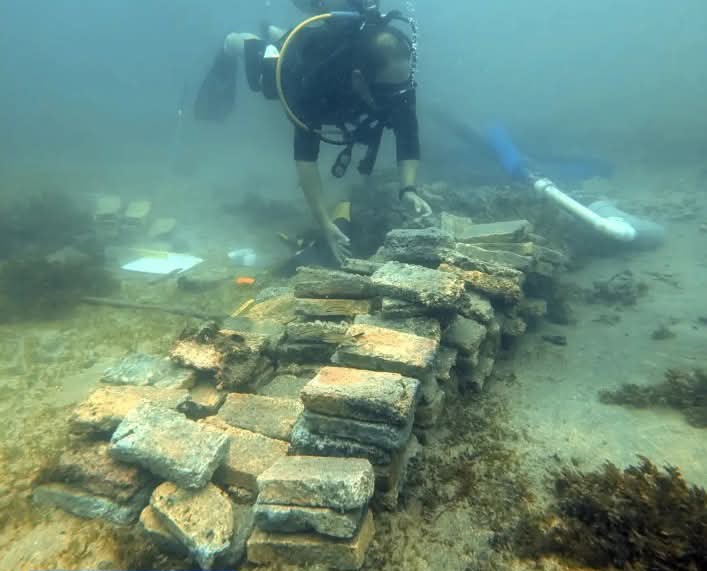
In 1710, two Danish slave ships — the Fridericus Quartus and the Christianus Quintus — lost their bearings in a dense smog as they navigated the Caribbean. Drifting aimlessly, they eventually wrecked off what is now the southern coast of Costa Rica. On board were around 800 people, including crew and enslaved Africans. For two tense days, the ships lay stranded as arguments erupted over whether it was safe to go ashore for food and water.
Then, chaos. A revolt broke out — reportedly led by both sailors and enslaved Africans — and it ended with one ship set adrift and the other consumed by fire. When the turmoil subsided, nearly 600 Africans were left behind on the shore. Their presence would shape the local community for generations; many of their descendants still live in the region today.
Over 300 years later, researchers have now uncovered the remains of those long-lost vessels. Among the findings: charred wooden beams, clay tobacco pipes, and striking yellow bricks—a fashionable building material of the time. These discoveries not only shed light on the harrowing events of that voyage but also offer a rare, tangible link to a chapter of history that shaped the Afro-Costa Rican identity.
#archaeohistories
مسه خیابان اصلی قسطنطنیه رومی بود و از میان بسیاری از فورومهای آن میگذشت.
فورومها توسط امپراتورها ساخته شده بودند تا همزمان با گسترش روم جدید، توسعه شهر را در امتداد این خیابان پیش ببرند.
The Mese was the main street of Roman Constantinople, and went through many of its Forums.
The Forums had been built by Emperors in part to push development of the City further down this street as New Rome expanded.
🧵 تا حالا فکر کردید چطور بریتانیا «رومی» شد؟ این یه دعوت مودبانه نبود! برای یه تاپیک در مورد حمله رومیها به بریتانیا آماده بشید - با کلی حقایق شگفتانگیز در طول مسیر! 🧵
🧵 Ever wondered how Britain became 'Roman'? It wasn't a polite invitation! Get ready for a thread on the Roman invasion of Britain – with some surprising facts along the way! 🧵
در ۱۱/۱، جهان خشم و خروش پیاده شدن سربازان در روز دی در ۶ ژوئن ۱۹۴۴ را به یاد میآورد. اما برای سربازانی که به ساحل رسیدند، نبرد برای نرماندی تازه آغاز شده بود. پیش روی آنها چشماندازی قرار داشت که به تله مرگ تبدیل شد: بوکاژ. #تاریخ_جنگ_جهانی_دوم#نرماندی
1/11 The world remembers the fury of the D-Day landings on June 6, 1944. But for the soldiers who made it ashore, the fight for Normandy had just begun. Ahead of them lay a landscape that would become a death trap: the Bocage. #WW2History#Normandy