@impactology Each deliverable addresses a problem, communicates an idea, or is intended to entice an action from the receiver. So my main thoughts are: what deliverable do I need to reach my goal, and is the information conveyed through this deliverable easy to communicate to others
@missbangg I feel ya. It's been tough. Aiming to have joy in the small things has helped personally and professionally. Wouldn't mind shooting the shit about the state of *waves frivolously* things if you wanna ever Zoom :)
I literally can't wait for Leading-Trim.
It will significantly improve spacing consistency in design systems.
Finally spacing tokens will 'just work' without weird hacks or manual tweaking.
Fantastic work by @SashimiEthan and @MicrosoftDesign
https://t.co/zKwHs7Aksw
I hate everything about looking for recipes online. It reveals the epitome of garbage internet. Shit results, shit webpages, shit recipes always tooted from a shitty cookie cutter western narrative
@philipardeljan Nice post, I enjoyed the kinds of questions you'd ask for each element that's going to be included in an interface. Asking similar questions may help justify removing elements that were "designed fast" too.
@amythibodeau@johnny_makes Amy’s remarks about the privilege is a good point, made me think back to your article. It adds an extra challenge on solving the “social serendipity” problem. There might be easy solutions to this but still some food for thought
@kevmoss@pushmatrix@NeilCocker@amythibodeau Biofeedback in VR is a neat concept but I’m not sure it serves the same purpose a tradition boardroom serves. Care to explain?
I was just reading an article describing this problem that ya’ll might enjoy too: https://t.co/CZG98fGeCR
I think about this often. The ease by which we feel we can "shoot the shit" in a physical space is hard to replicate online; setting up a #wateringhole Slack channel doesn't quite cut it. This article explores and frames the problem really well https://t.co/g8EuYAcplj
@johnny_makes Either way, your article helped me think about it in depth. Thanks for taking the time to write it out and good luck with https://t.co/dActBxdEF8!
@johnny_makes Hey! Great work analyzing "social serendipity". I fluctuate between thinking that the solution is in replicating physical factors that create safe space online or it's in allowing the online env to naturally cultivate a new def of "social serendipity" unique to remote culture.
I think about this often. The ease by which we feel we can "shoot the shit" in a physical space is hard to replicate online; setting up a #wateringhole Slack channel doesn't quite cut it. This article explores and frames the problem really well https://t.co/g8EuYAcplj
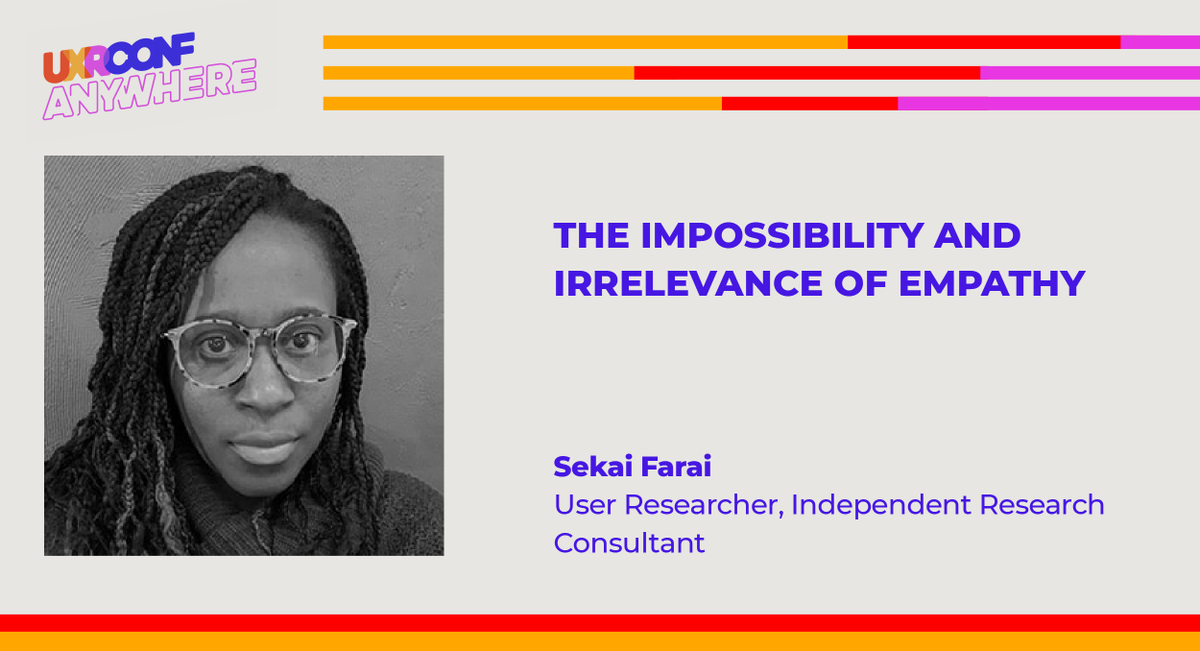
I've never attended a talk that made me feel equal parts ashamed and empowered. Definitely one of the highlights of a great online conference. @SekaiFarai#UXRConfAnywhere
No surprise. What's more cost/time effective for these (inevitable) data breaches? Stricter penalties for inadequate data infrastructure + Crown cntrl of such 3rd party companies? Or a govt that can proactively flag stolen PII data + fast track ID replacements for those affected?
From CBC's Tanya Fletcher: A joint investigation in Ontario & B.C. has found that LifeLabs failed to protect the personal health information of millions of Canadians, resulting in a significant privacy breach in 2019. Previous story: https://t.co/NphQGoy2SE
This article does a good job of explaining how to be an ally regardless of if you're a designer. Self educate, reflect, and most importantly, donate. Worth the read. https://t.co/IbrGWwcZ6Z