Python 3.14 has officially landed.
Released on October 7, 2025, this version introduces the long-awaited free-threaded (no GIL) build of CPython - a historic step toward true multi-core parallelism in Python.
It’s still optional (not the default), and single-threaded performance can be slightly slower, but this is the beginning of a new era for Python developers.
Highlights:
Free-threaded mode available via PEP 703
Regular GIL build remains the default
Ecosystem and C-extension support in progress
Supported until October 2030
A foundational release that opens the door to a fully parallel future for Python.
Introducing Grok Code Fast 1, a speedy and economical reasoning model that excels at agentic coding.
Now available for free on GitHub Copilot, Cursor, Cline, Kilo Code, Roo Code, opencode, and Windsurf.
https://t.co/3tMbmLbxOP
Single Shot Output.
Can your designer match this quality and speed ? and can your enginner keep up?
If not, ask them to start using Rollout in their workflow.
Fun fact - there is Not even a single Ai product globally that can match this output and experience. Globally.
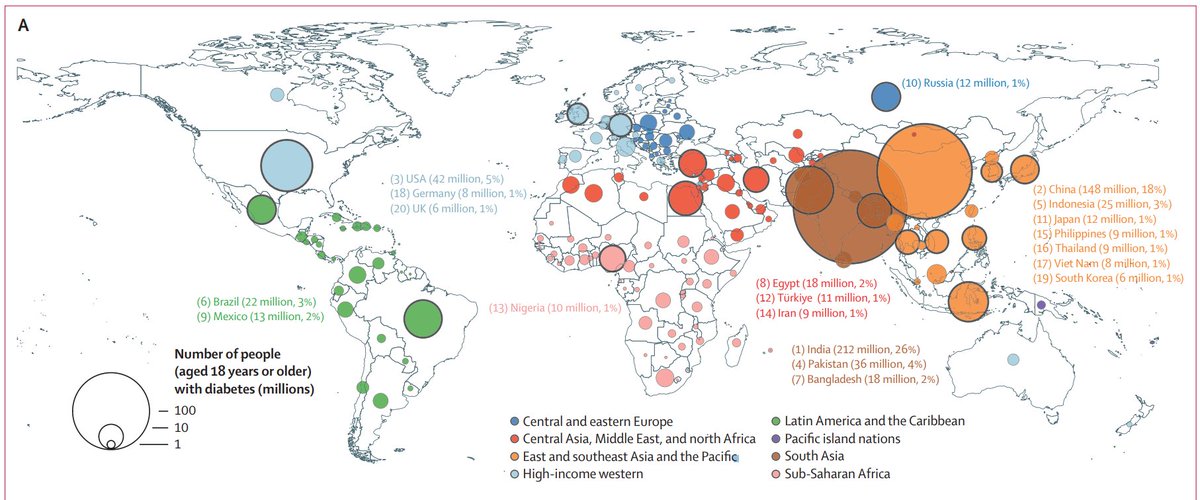
Diabetes is a ticking time bomb for India. We have the largest number of people with diabetes in the world.
There was a time when people used to call diabetes a rich person's disease. But that's no longer the case. According to a recent study, 21 crore Indians are living with diabetes.
The scary part is the rate at which it's affecting young Indians. If you're a 20-year-old woman living in a city today, you have a 64.6% chance of developing diabetes during your lifetime. If you're a young man, your risk is also quite high at 55.5%.
But the sad part is there's a lack of awareness among people. About 27.5% of people with diabetes don't even know they have it. Even if they do know, very few people get treatment.
What makes this a serious crisis is that less than 20% of Indians have health insurance. Most Indians end up spending out of their pocket, which is a huge burden for poor and low-income households.
There's no magic bullet to solve this issue. We need multiple approaches, from public awareness campaigns, insurance coverage for the poor and vulnerable, to introducing early detection programs.
Simple lifestyle changes, like adding a few extra minutes of exercise each day or reducing time spent sitting, can make a big difference. Even small changes, such as walking or cycling for an extra five minutes a day, can lower the risk of diabetes.
We've been supporting founders and startups that are working on helping Indians become healthier, but this is a systemic challenge that needs all people involved—from individuals to the government—to take action.