You know what shook me when I was Muslim?
The story of Hosea. God tells a prophet to marry a woman He knows will betray him.
She does. She runs to other men. She ends up enslaved, sold, used up, worthless to the world.
And God tells Hosea to go BUY HER BACK.
To pay money for his own wife who cheated on him, and love her again. Hosea 3.
I thought it was the most humiliating command in the Bible. Why would any man do that?
Then I realized I was the wife.
I gave my heart to everything but God. I chased other masters. I sold myself cheap. I made myself worthless.
And God looked at me, the betrayer, and didn’t say “you’re not worth it.”
He said, “Name the price. I’m buying her back.”
That’s the Gospel. God doesn’t wait for the unfaithful to come crawling back clean.
He pays to redeem them while they’re still dirty.
Islam told me to make myself worthy of God.
Hosea showed me a God who pays to redeem the unworthy.
The cross was Him naming the price.
Praise the Lord.
For the United States Bicentennial in 1976, the government funded one of the wildest short films ever made.
Created by animator Vincent Collins & produced by the United States Information Agency, the film goes on a kaleidoscopic journey through iconic
American symbols.
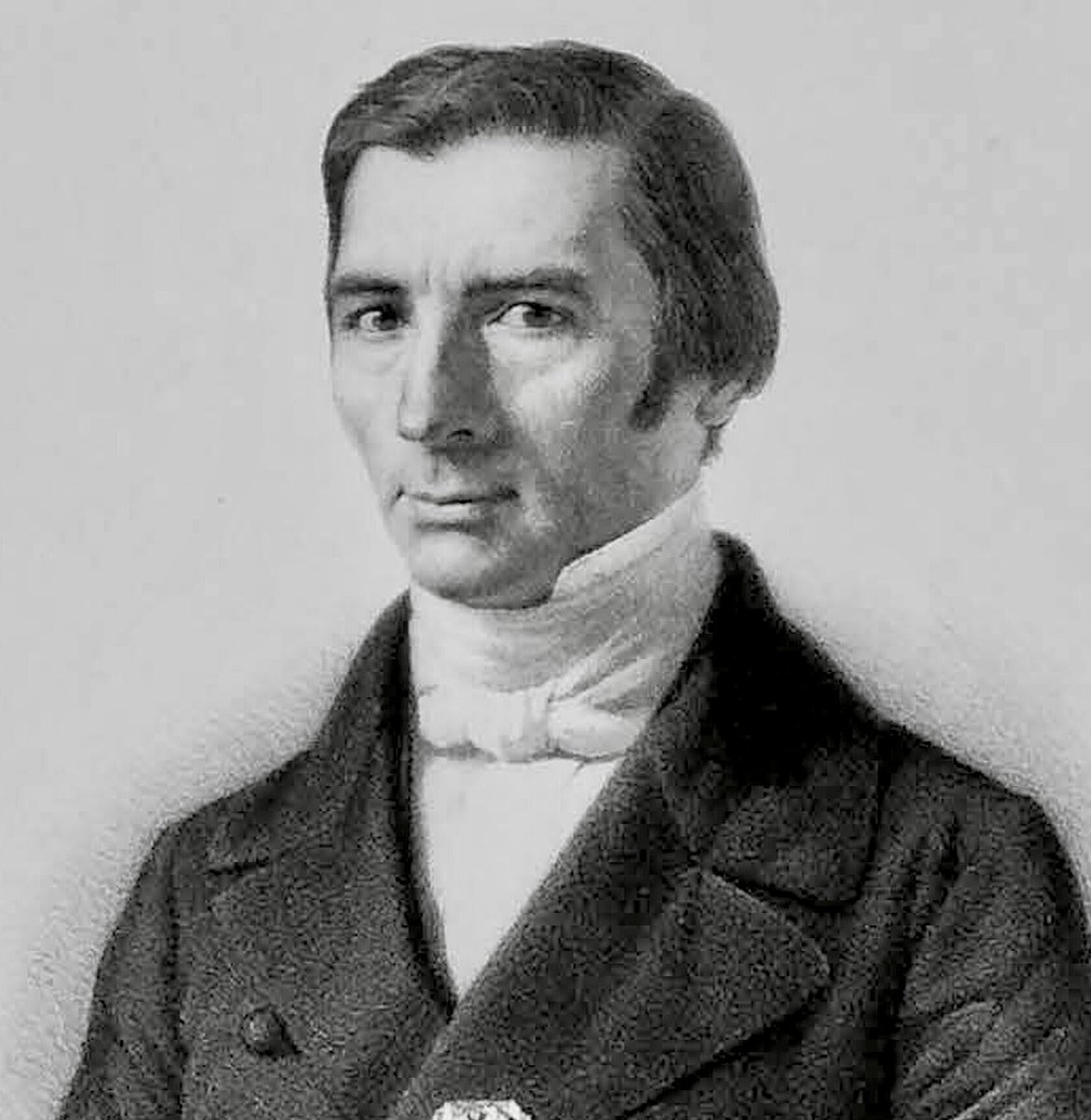
The Law by Bastiat made simple:
1. Every person has a natural right to defend their life, liberty, and property. Law is simply that individual right organized collectively – nothing more, nothing less.
2. The moment law goes beyond that — taking from some to give to others — it has stopped being law and become legal plunder.
3. Legal plunder isn’t exceptional. It’s the normal operating mode of most governments most of the time: subsidies, redistribution, bailouts – each one a faction using state force to extract what it couldn’t get by voluntary agreement.
It was all already there in 1850.
4. The test is simple: if the same act performed by a private individual would be called theft, it’s theft when the state does it too. The badge doesn’t change the nature of the act.
5. Two wrong responses to legal plunder: give everyone the right to plunder (socialism), or let the current plunderers keep going (cronyism).
The only legitimate answer is to strip law back to its actual function.
6. Once people see law as a machine for taking rather than protecting, everyone floods politics to control it – because whoever runs the machine can point it at their enemies. This is why Bastiat defined the state as “that great fiction by which everyone tries to live at the expense of everyone else.” Lobbying and corruption aren’t aberrations. They’re the logical conclusion of a law that plunders.
7. The title is the whole argument: Bastiat isn’t describing what the law is. He’s describing what it’s supposed to be – and showing, relentlessly, how far the thing calling itself law has drifted from that. Real law protects. Everything else wearing that name is organized force and theft in disguise.
The Road to Serfdom made simple:
1. Plan the whole economy: someone must decide what gets made and who gets what, since people don’t naturally agree on one set of priorities.
2. These decisions are too big and detailed for normal democratic debate, so power shifts to a smaller group who can just act – technocrats.
3. Fixed laws everyone can rely on get replaced by case-by-case rulings, because a plan needs flexibility, not predictability.
4. Dissent becomes a problem to manage, not an opinion to vote on – the plan can’t work if people are free to ignore it.
5. Enforcing all that selects for people most willing to be ruthless – Hayek’s “worst get on top” – i.e. negative moral selection.
6. Since economics touches everything (your job, home, speech), controlling the economy ends up controlling your whole life.
That’s the "serfdom."
Atlas Shrugged made simple:
1. Society runs on a small number of highly capable producers – industrialists, inventors, engineers – whose work everyone depends on but takes for granted.
2. The system starts rewarding need over achievement: the more capable you are, the more you’re expected to sacrifice for those who aren’t.
3. Success gets treated like a debt – taxed, regulated, resented – until the most capable start asking why they bother trying at all.
4. One by one, led by a man named John Galt, they simply withdraw – walking away rather than keep propping up a system that punishes them for producing.
5. Without them, the whole structure collapses, revealing that the “automatic” prosperity everyone assumed was actually being generated by specific, irreplaceable people.
6. Atlas is the Titan from Greek myth, condemned to carry the sky on his shoulders forever – Rand’s stand-in for the producer class, holding up civilization while getting blamed for it.
7. “Shrugged” is the whole argument in one word: Atlas doesn’t fight, doesn’t protest – he just quietly sets the weight down. Nobody realized the sky was being held up by anyone in particular, until the day it isn’t.
You don’t want us? We just go…🤷🏻♂️
This is deep in Seven Corners on Arlington Blvd… from Seven Corners to Annandale to Bailey’s Crossroads… @ICEgov is hitting illegals’ heartland in Fairfax & Arlington Counties, VA
Keep it up @EROWashington! They’ve all got to go!
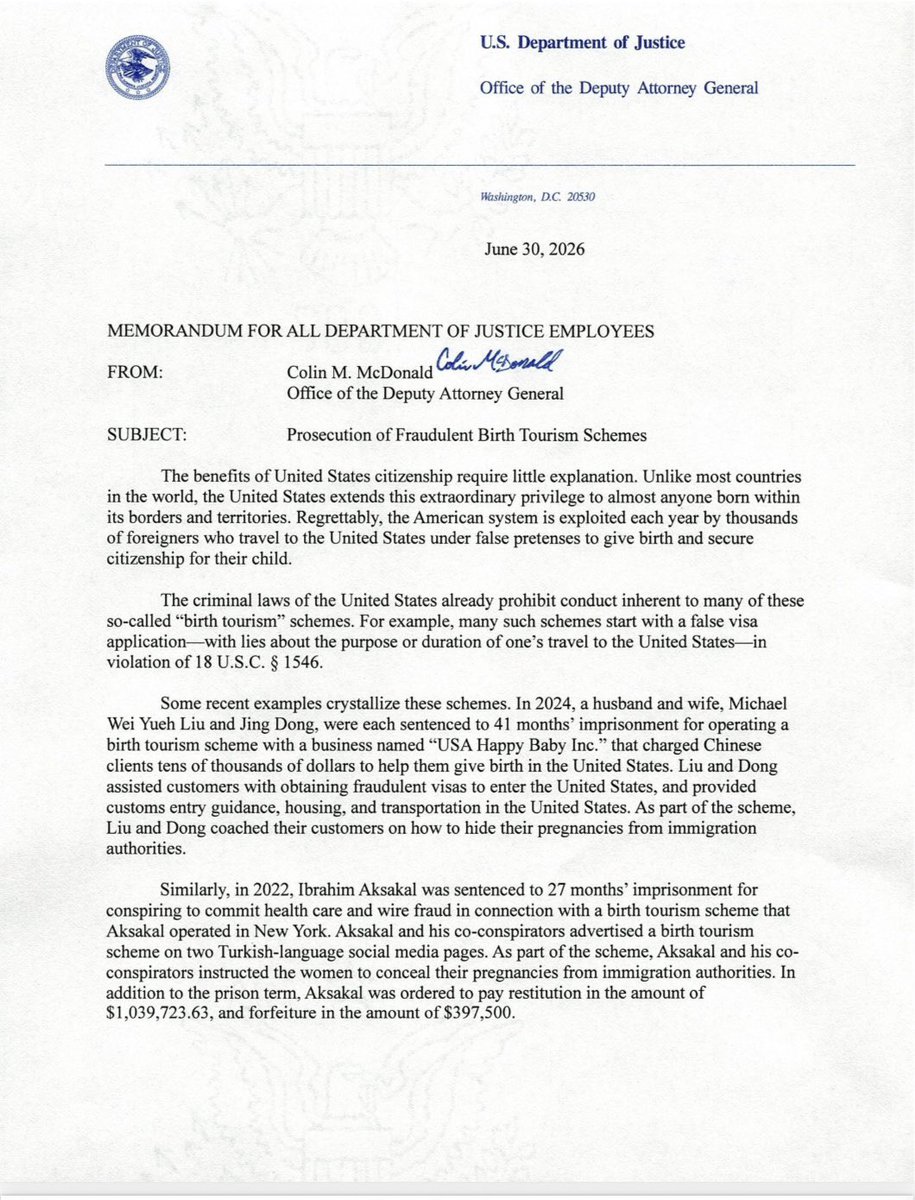
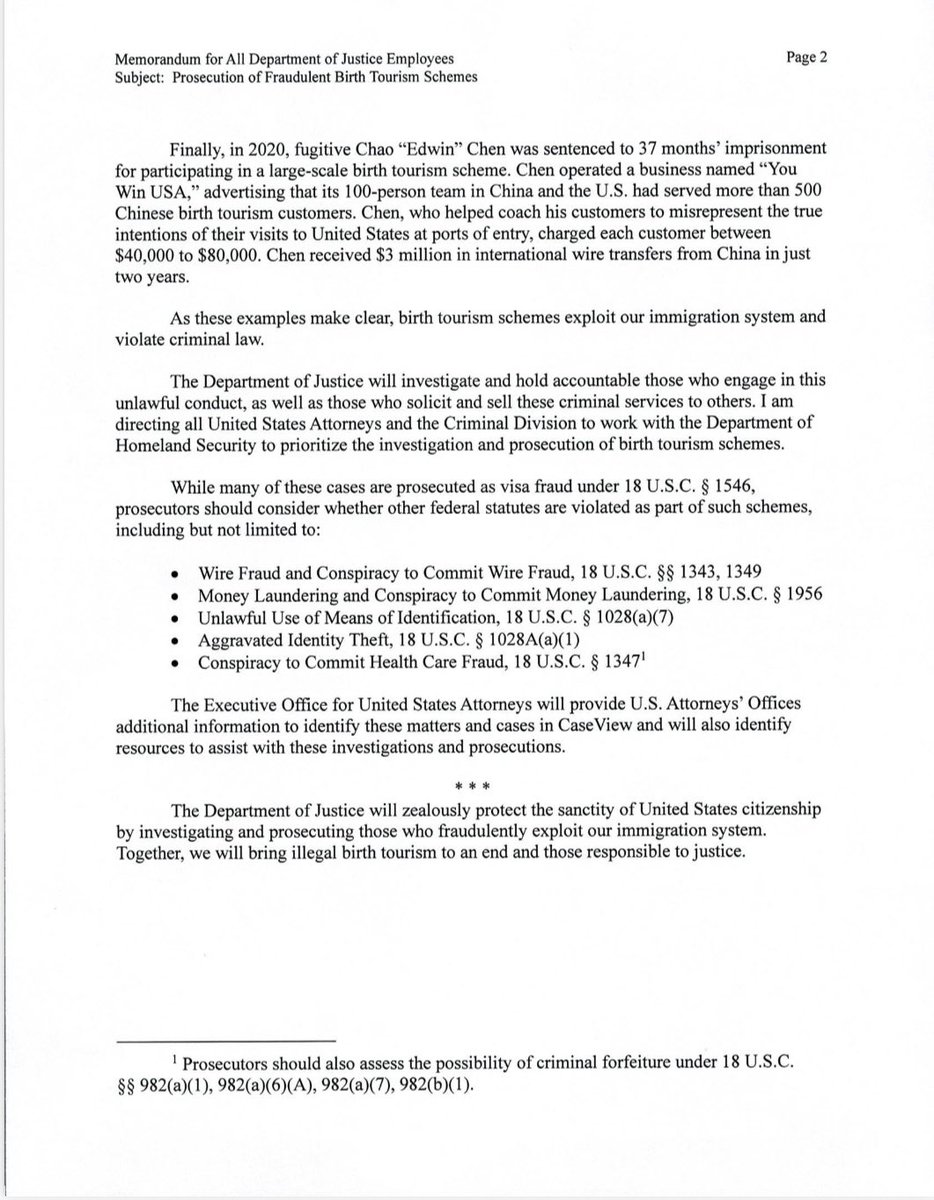
Well the Supreme Court has made their decision…and apparently 5 of the justices think the authors of the 14th amendment clearly meant anyone could randomly show up illegally, have a baby, and that suddenly meant citizenship.
We should now move to significantly cut all immigration, and significantly reduce visas.
Look, I wanted to be reasonable. But reason doesn’t seem to work for some people, so now we have to take more drastic measures.
It’s a shame really, but that’s where we are.
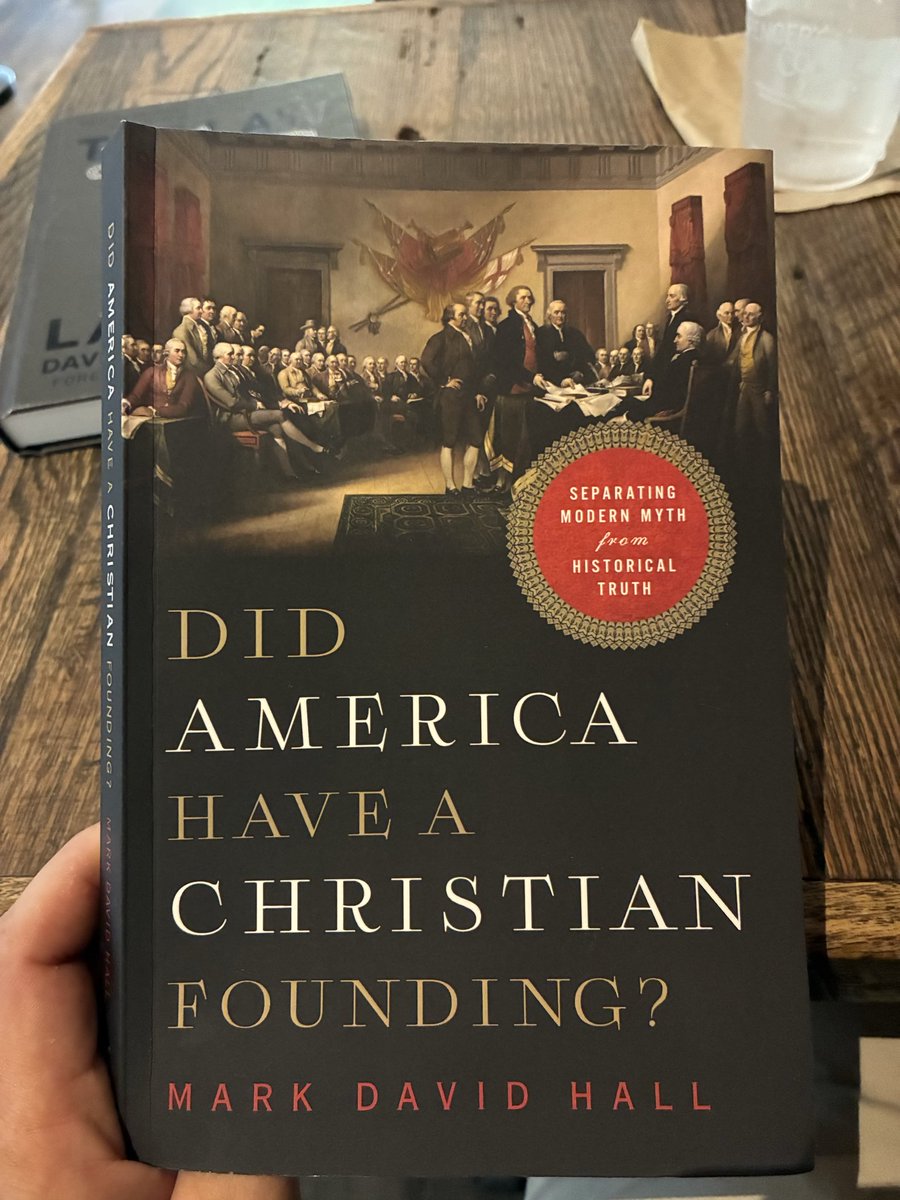
People think you’re just talking about 10 or 12 guys when you say “America was founded as a Christian nation.”
When you do the reading you’ll see that it was more like everyone. Especially the government throughout the colonies during the 1600-1700s. We are a Christian Nation. It’s time to take it back.