المشهد ده بالنسبة لي أفضل وأعظم مشهد حصل في مونديال أمريكا لحد دلوقتي. 👏🇺🇸
لاعب الإكوادور كايسيدو وقع على الأرض بدون أي إصابة واضحة، والحكم أوقف اللعب معتقدًا إنه محتاج علاج.
لكن بعدها كايسيدو قام بشكل طبيعي جدًا وكان مستعد يكمل المباراة عادي.
هنا جاء الجزء العبقري...
الحكم طلب منه الخروج خارج الملعب لمدة دقيقة كاملة قبل ما يرجع يشارك من جديد. ⏳
والأجمل إن كايسيدو كان بيحاول يقنع الحكم يدخله بسرعة، لكن الحكم تجاهله تمامًا، والإكوادور اضطرت تكمل ناقصة لاعب.
القانون ده عظيم جدًا بصراحة.
لأنه ببساطة هيخلي أي لاعب يفكر مرتين قبل ما يقع مع كل احتكاك بسيط.
وكمان هيقلل من ظاهرة تضييع الوقت اللي كانت بتكسر رتم المباريات وتقتل متعتها.
الرسالة بقت واضحة:
لو أنت مصاب فعلًا، خد وقتك واتعالج.
لكن لو وقعت بدون سبب حقيقي... فريقك هو اللي هيدفع الثمن.
وأعتقد إن ده واحد من أفضل القوانين اللي ممكن نشوفها تتطبق في كل البطولات خلال السنوات الجاية. 👏🏆
Em 1931, no estado do Alabama, nos Estados Unidos, nove jovens negros foram presos.
Duas mulheres brancas os acusaram de estupro. Não havia provas. Mesmo assim, um júri formado apenas por homens brancos condenou oito deles à pena de morte. O mais novo tinha apenas 13 anos.
Na prisão, ninguém se importava com aqueles rapazes.
Até que apareceu uma costureira branca de 57 anos chamada Jane Newton.
Depois de ler a notícia no jornal, ela começou a pegar ônibus até a prisão e, todas as terças-feiras, ia visitá-los.
Ela não era advogada nem ativista. Era apenas uma mulher comum.
Levava frango frito, pão de milho e também lápis, ensinando aqueles jovens, muitos deles quase analfabetos, a escrever o próprio nome.
Os guardas a chamavam de “amante de negros”, mas ela respondia apenas:
“Sou cristã. Esses rapazes merecem escrever cartas para suas mães.”
Ela os ajudava a escrever e enviar cartas. Quando um deles perdeu a visão de um olho após ser espancado, ela lia histórias para ele. Quando era aniversário de algum deles, cantava parabéns do outro lado do vidro e levava bolo.
Mais tarde, a Suprema Corte anulou a sentença duas vezes. O caso se arrastou por seis anos.
Jane Newton morreu em 1946. Não deixou família.
Os rapazes juntaram dinheiro para erguer uma lápide em homenagem a ela. Nela, escreveram apenas uma frase:
“Quando ninguém mais vinha, ela veio.”
Em 2023, o estado do Alabama finalmente inocentou oficialmente aqueles jovens.
O último sobrevivente, já idoso, foi perguntado se ainda guardava ódio.
Ele respondeu:
“Não. Dona Jane me ensinou a escrever o meu nome. Foi com esse mesmo nome que assinei o documento da minha inocência. Isso basta.”
Às vezes, quem realmente muda destinos não são os grandes líderes nem as pessoas poderosas.
Às vezes, é apenas alguém comum disposto a tratar outro ser humano com bondade. ❤️
🇧🇷 PSOL se antecipa ao PL e apresenta antes o destaque para votar a PEC da deputada Erika Hilton, que reduz a escala para 4x3 e diminui a jornada de trabalho para 36 horas.
Partido também pede votação nominal do destaque, ou seja: que os votos dos parlamentares sejam públicos.
Tarantino accidentally wrote the most pharmacologically accurate cocaine scene in film history, and nobody caught it for 30 years.
Cocaine blocks dopamine reuptake transporters, flooding the reward system. The appetite suppression everyone associates with that? Transient. Research from Cambridge published in the journal Appetite found that chronic cocaine users actually report higher levels of uncontrolled eating than non-users. Their preference shifts specifically toward high-fat foods and carbohydrates.
Mia Wallace ordering a Durward Kirby burger, bloody, is exactly what the pharmacology predicts.
The mechanism is counterintuitive. Cocaine disrupts leptin signaling. Leptin is the hormone that tells your brain you have enough fat stored and can stop eating. Chronic users show significantly lower plasma leptin levels, which means the "I'm full" signal weakens over time. The body stops regulating fat intake properly. Users crave fat. They eat fat. They stay thin anyway because cocaine simultaneously prevents the body from storing it.
The Cambridge team found cocaine users had remarkably low body fat despite consuming significantly more fatty food than control groups. The drug rewires fat metabolism at the level of the sympathetic nervous system and alters proteins that control fat storage. You eat the burger. You stay thin. The body just can't process it normally.
That's why recovery is brutal. The fat craving stays. The metabolic disruption reverses. People in cocaine recovery gain weight rapidly because their appetite was permanently altered but their body's inability to store fat was temporary. The dietary preference for burgers and fries outlasts the drug.
So the tweet has it backwards. Mia crushing a cheeseburger after a line isn't a mistake. A character with Mia's habits would crave exactly that meal. Tarantino either researched this or wrote from observation, because the scene is clinically precise.
Vou falar mais uma vez.
Vocês sabiam que nos documentos liberados dos EUA há vários momentos em que eles condicionam o desenvolvimento do Brasil como risco à segurança nacional dos EUA?
Eles consideravam o Brasil com capacidade de se tornar superpotência e começar a falar em nome de outras nações em situação igual.
Hoje Lula faz exatamente isso nos fóruns internacionais, usa o exemplo brasileiro para influenciar outras nações a abandonar o modelo onde as nações não se desenvolvem porque não é de interesse dos EUA.
Esse modelo imperialista não cabe mais no século 21 e os EUA vão aprender de um jeito ou de outro que era inevitável, que não daria para conter todos ao mesmo tempo.
Um dos maiores fatores que muda com a ascensão do mundo multipolar é a lógica de segurança dos EUA ser uma linha vermelha intransponível com risco de ser atacado militarmente.
A segurança deles termina na fronteira deles.
About a quarter of the ocean's surface is a desert. Hundreds of miles of open water with almost no food in it. So when a big ship crosses one of these empty stretches, it becomes the only interesting thing for miles, and fish start trailing along behind it.
Biologists have studied this for decades. Any floating object out there, a log, a clump of seaweed, a drifting coconut, a stray piece of trash, a whole ship, ends up working like a magnet for fish. To something living in all that emptiness, anything floating might mean food, or a place to hide. The effect is so dependable that a big share of the world's tuna fishing is built on it. Boats drop rafts in the open sea, sail away, and come back later to find fish gathered underneath.
It builds in stages. A few small fish turn up first, sometimes within hours. Those small fish draw in bigger ones, and before long a whole moving crowd is traveling along under the ship. Sailors noticed this ages ago. In the 1840s a young naturalist fresh out of Yale wrote about little fish that lived for days right beneath a slow ship, and Melville put the same scene in Moby-Dick, a school of fish that drops one ship to follow the next one passing by.
So by the time someone leans over the railing with a scrap of food, there's already a hungry audience waiting below. It has been tagging along for who knows how long, maybe days.
The corn itself barely matters. Out in open water, fish aren't fussy eaters, grabbing whatever they happen to bump into, so the splash just tells them where to aim. A piece of bread or a chunk of corn gets the same result. The ship had already gathered the crowd. The food only told them where to go.
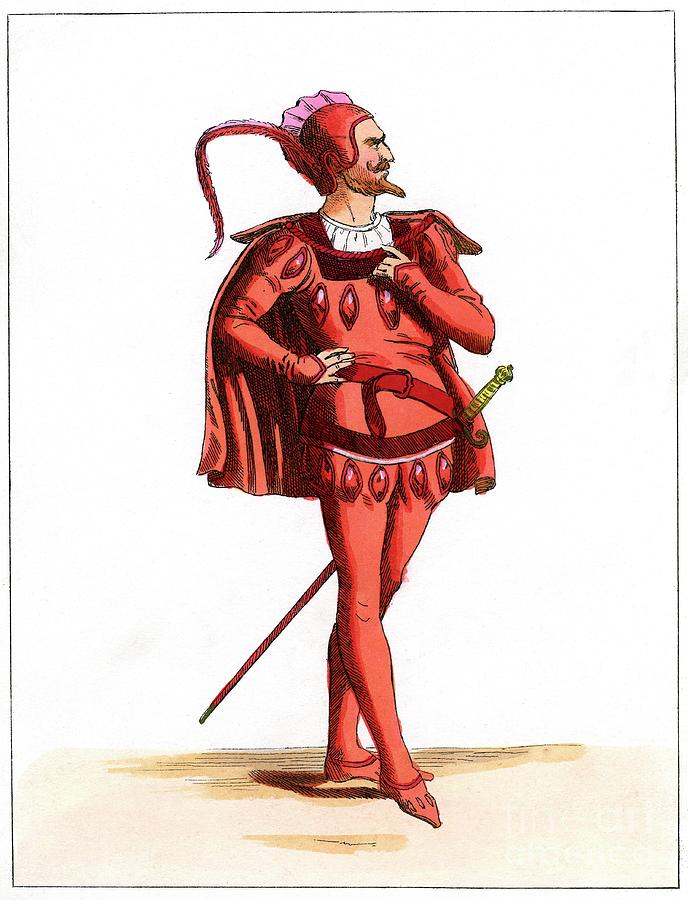
Eu gosto da palavra "Capeta" por causa da origem dela (em peças de teatro era comum que parte do figurino do diabo fosse uma capa curta, uma "capeta", e logo "o capeta" virou eufemismo pra ele)
This has a clinical name. Revenge bedtime procrastination. And the ADHD version runs on a completely different mechanism than the neurotypical one.
A neurotypical person stays up late because they want more leisure time. The ADHD brain stays up because it spent every drop of dopamine it had on executive function during the day. Sitting in meetings, managing transitions, filtering impulses, remembering the thing you were supposed to remember. That burns through dopamine the way sprinting burns through glycogen. By 10pm the tank is empty.
But here's where it gets counterintuitive. The exhaustion is physical. The dopamine deficit is neurological. Those are two separate systems. Your muscles want sleep. Your prefrontal cortex is starving for the stimulation it was denied all day because it spent 14 hours on task-switching and impulse control instead of anything that actually felt rewarding.
The phone at midnight is the brain trying to collect what it's owed. Low-effort, high-stimulation content. Scrolling, short videos, rabbit holes. The exact profile of activity that delivers dopamine without requiring the executive function you already depleted.
The sleep researchers call this a "self-regulation failure." It's closer to a debt collection. You borrowed against your own reward system to function all day. The bill comes due at midnight. And the brain will not let you sleep until it gets paid.
A frog the size of your fingernail lives at this waterfall, inside a single species of plant. It is born in one, mates in one, raises its tadpoles in one, and dies in one. The whole species is found in this small corner of Guyana and nowhere else on Earth.
The plant is a giant bromeliad. It belongs to the same family as the pineapple, with long stiff leaves that spiral out from the center and trap rainwater between them in small pools. Those pools are the frog's entire world. Males defend one plant as their home territory. They carry tadpoles on their backs from pool to pool. The females lay extra eggs that never hatch, so the tadpoles have something to eat. The entire species lives in a patch of forest under 8 square miles.
The waterfall makes all of this possible. Water drops 741 feet in a single fall, more than four times the height of Niagara. Every four seconds, enough water goes over the edge to fill an Olympic swimming pool. No other single-drop waterfall on Earth carries that much water.
When the water hits the bottom of the cliff, the impact throws up a permanent cloud of mist. The wind pushes the mist back up over the cliff edge. Up top, the mist soaks the rocks and the trees, building a narrow strip of cool, wet, foggy forest in the middle of a hot, lowland jungle. Nothing else for hundreds of miles has this same environment.
Almost half of the plant species that grow only in this part of northern South America are found inside this one national park. Swifts (small, fast birds) nest in a hidden rock shelf right behind the curtain of falling water. The falls have been a wall to fish for so long that the fish living above the cliff are trapped up there. With nowhere to go, they evolved into species that exist nowhere else. Researchers sampled 28 fish species above the falls. 4 of them live only there, and 6 more may not yet have a name.
Kaieteur sits on a giant slab of ancient rock called the Guiana Shield. It is about 1.7 billion years old, and it is completely separate from the Amazon basin. The river feeding the waterfall (the Potaro) flows east into another river called the Essequibo, which empties into the Atlantic Ocean without ever touching the Amazon. That separation, plus the Shield's age, is the whole reason this frog and these fish and this little patch of cloud forest could evolve here in the first place.
A British surveyor named Charles Barrington Brown was the first European to lay eyes on the falls in 1870. The local Patamona people had known about them for centuries. Take the waterfall away, and most of what lives within a mile of it, the frog included, would have nowhere left on Earth to go.