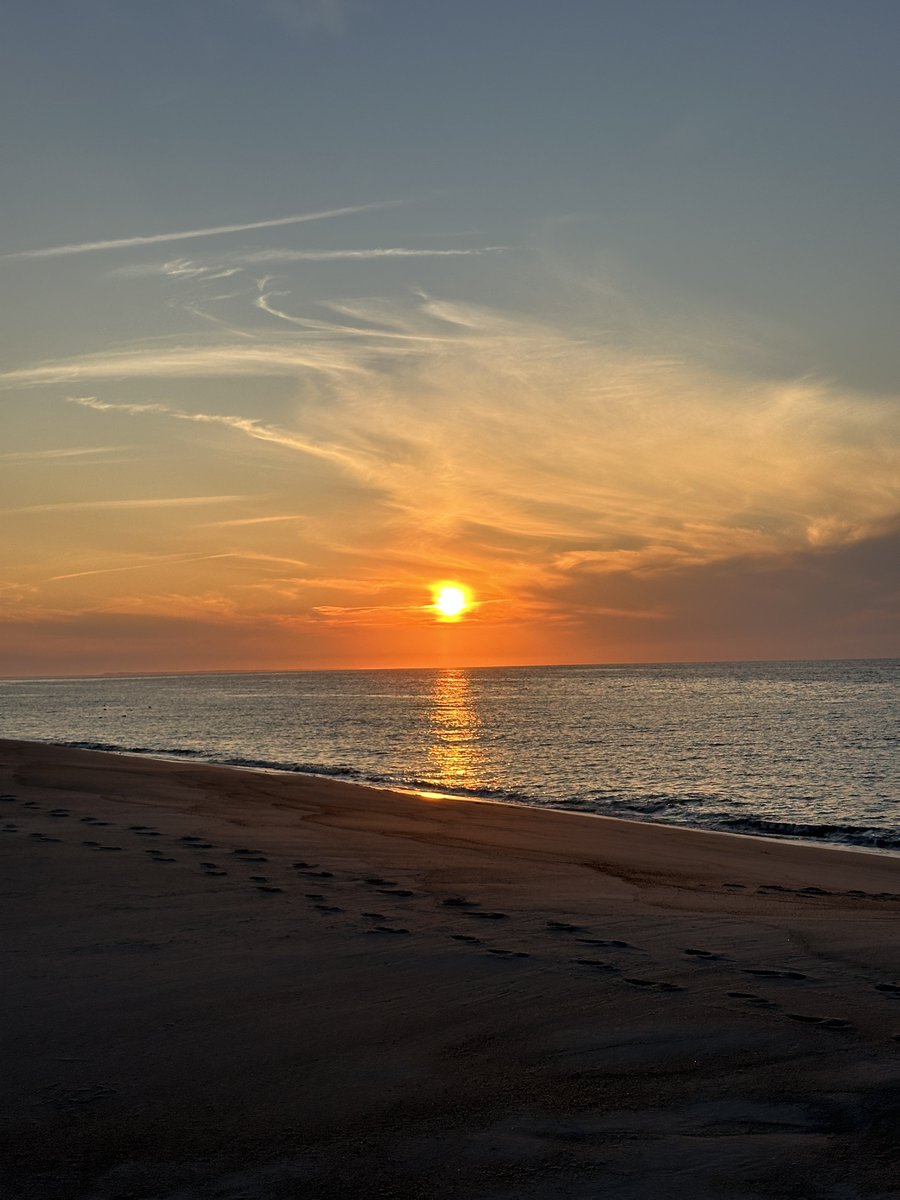
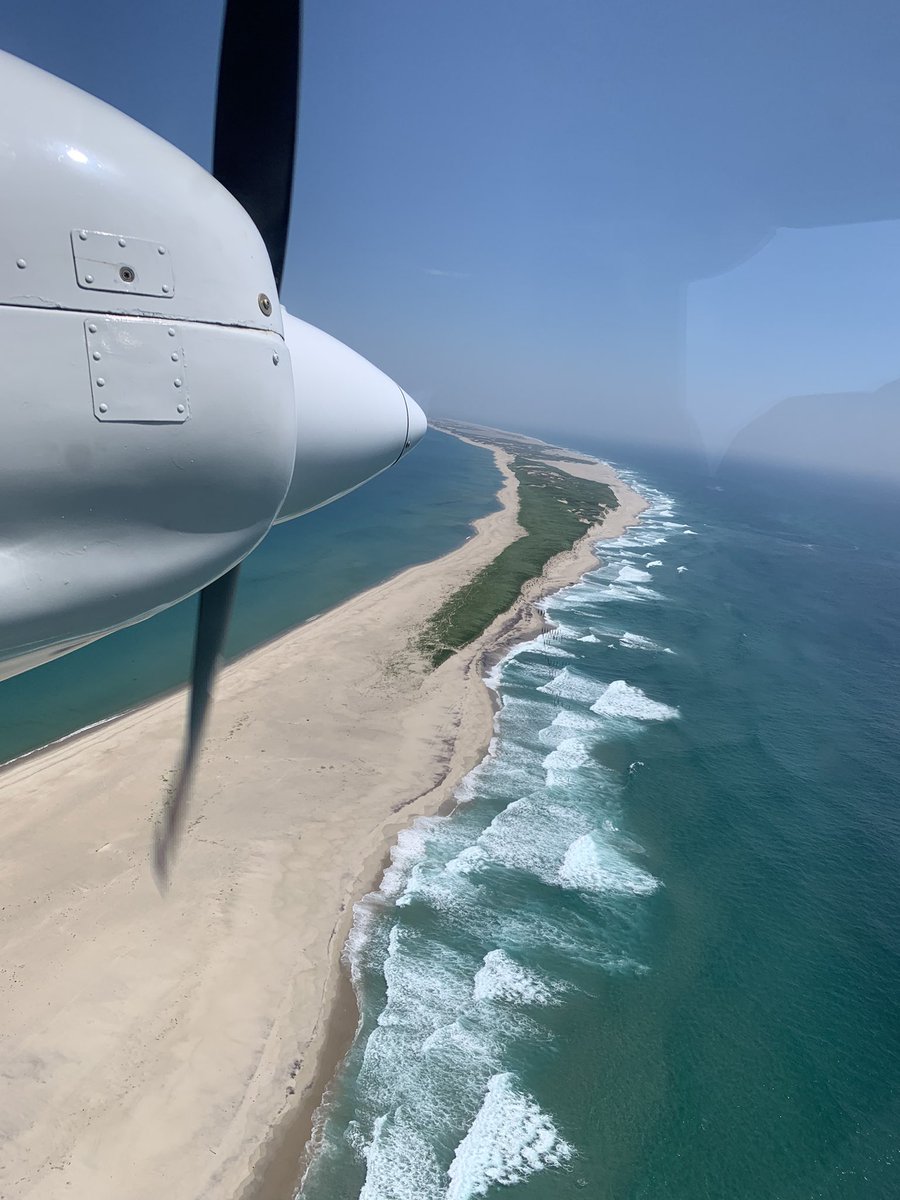
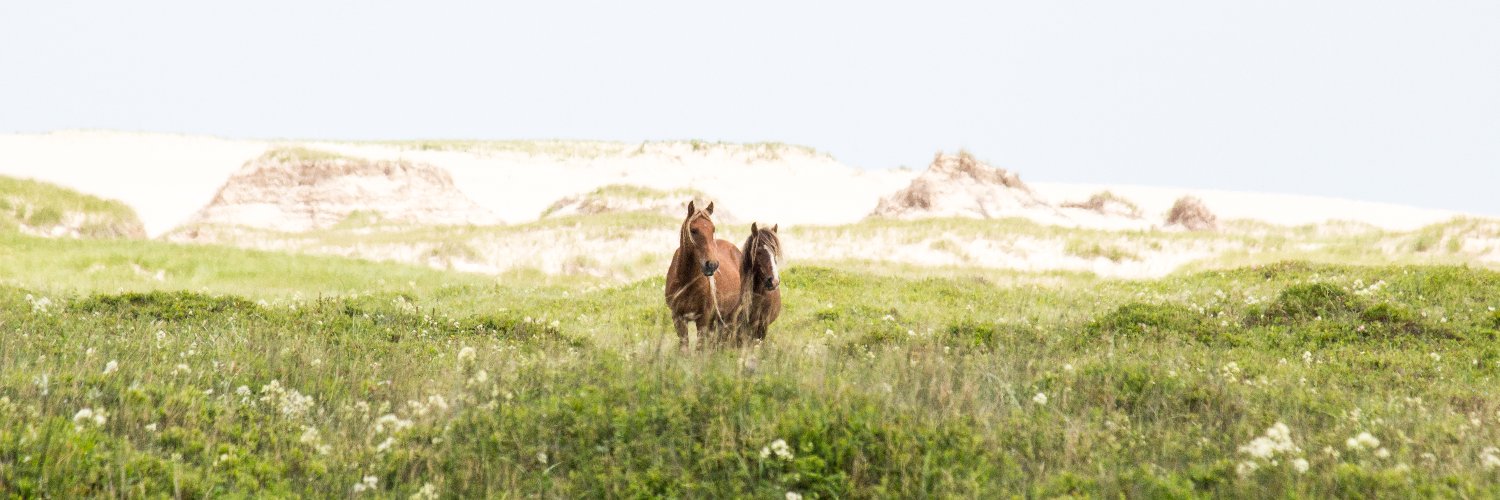
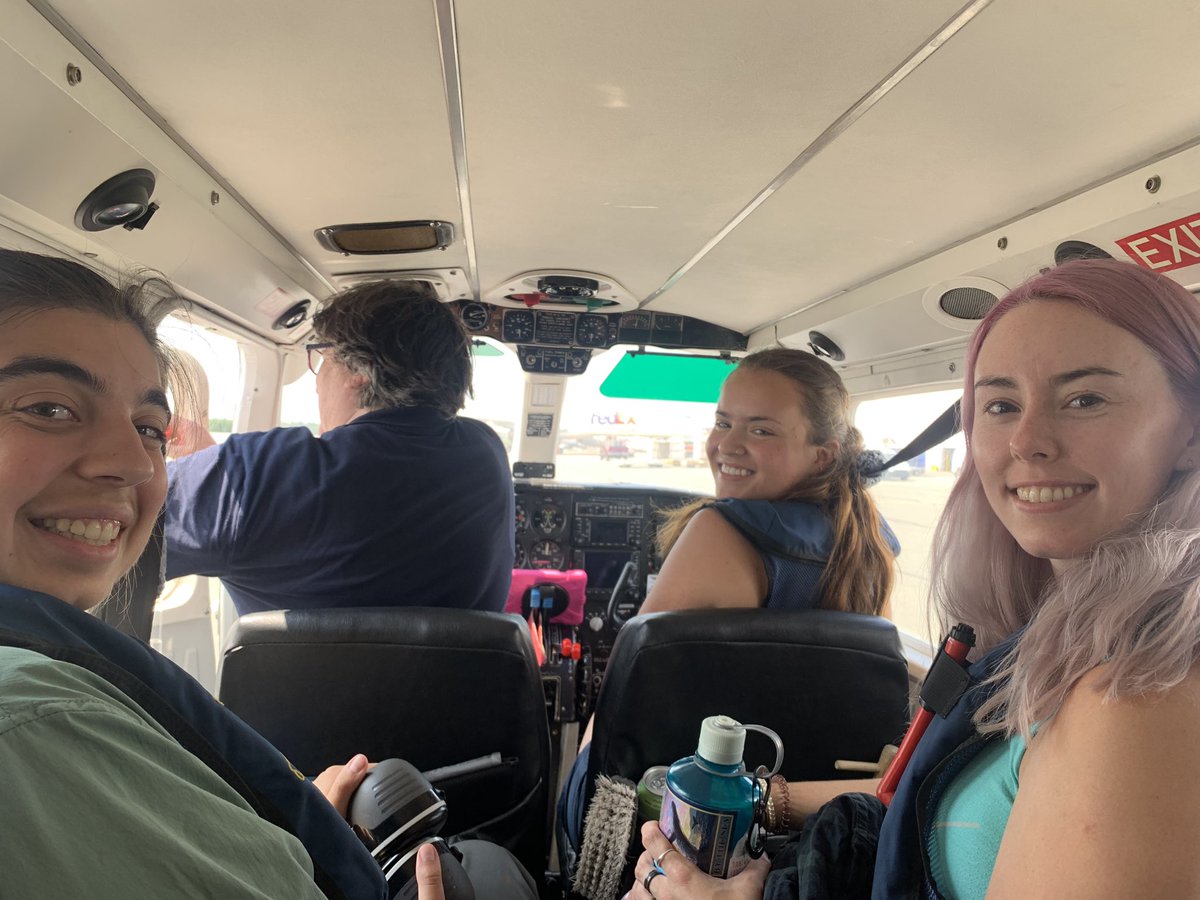
🐎 #USask biology PhD student Victoria Crozier and undergraduate student Olivia Andres were two of three early-career researchers who wrote about their shared experience on the remote Sable Island.
🦭 Read their column in Nature: https://t.co/ZfD75vNggZ
Mixed strongyle parasite infections vary across host age and space in a population of feral horses | Parasitology | Cambridge Core - https://t.co/xoBOldIC4Y
Sharing again for those who were on summer holiday when it came out: Gut microbiome variation predicts survival in feral horses @NatureComms https://t.co/fLeZLoVQMs
Sable Island season 2 ✔️
Another field season in the books, the longest I’ve been in one place since February. Now I have a few days at home to finish packing, then it’s time to move to Saskatoon!
New research at the University of Calgary has found a link between animal health and gut microbiome variations. We hear from a researcher on the project:
https://t.co/ARO5IPAWu5
We lack study of natural selection acting on gut microbiome variation. Stothart et al. provide evidence that gut microbiome variation is associated with survival in a population of feral horses.
@M_Stothart@jocelynpoissant
@ali_wilson
@ruthjgee
@SI_horses
https://t.co/fYiZCbKPCK
Proud to see this out from my PhD! The culmination of years of work + data collection by many people. Does gut microbiome variation matter in free-living wildlife?
https://t.co/i6ch9ufS9F
Sure seems to for survival in @SI_Horses
Why?
We think it might be partly related to…
New @ucalgaryvetmed study uncovers life-sustaining microbiome secrets in wild horses, with far-reaching implications for animal, human, agricultural and environmental health https://t.co/gBeCfUtCyp #UCalgary
@M_Stothart @ruthjgee @ali__wilson@McLoughlin_PD Using shallow shotgun sequencing of ~2400 💩 samples collected from ~800 horses over 7 year, we found that gut microbiome taxonomic and functional profiles predict survival, and identified methanogenesis as the likely key proximate mechanism
Does the gut microbiome explain variation in fitness in wildlife? Our decade-long effort to answer this question in @SI_horses suggests that it does. Out in @NatureComms today:
https://t.co/fLeZLoViWU
Looking for MSc students! I have three fully funded positions available in 2024 on: 1) soil invertebrates in agriculture (with @paulypod, based in his lab); 2) earthworm invasions in Nova Scotian forests; and 3) soil microbes/eDNA on Sable Island:
https://t.co/1cKXTMJc7T
Are you an Alberta horse owner? Is so, please consider contributing to our @ucalgaryvetmed study on parasite management practices in the province. The survey takes ~15-20 minutes to complete, and can be accessed here: https://t.co/aRBuxlK5Nb