@CalvinTeddy The whole project was done by group 5 from Plumtree to Mutate via Harare, Bitumen did that stretch from Plumtree to Bulawayo if I remember correctly
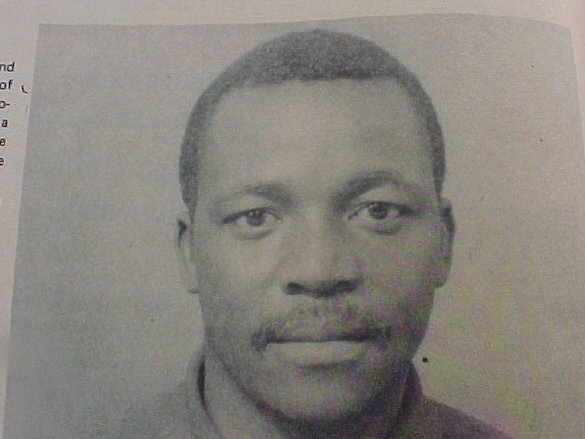
On 11 April 2011, the Deputy Director-General of the Central Intelligence Organisation (CIO), Menard Livingstone Muzariri, died from a liver ailment at St Anne’s Hospital in Harare. He was 56.
Muzariri’s name was closely associated with the Gukurahundi massacres in Matabeleland and the Midlands. Within CIO circles, he was known as a ruthless operator who, alongside Colonel Perence Shiri, then commander of the Air Force of Zimbabwe, oversaw the massacres.
Muzariri was among the officers who led public executions, frequently forcing victims to dig their own graves in front of their families and fellow villagers. Working with the Fifth Brigade, his CIO operatives routinely gathered villagers at gunpoint and marched them to central locations.
The villagers were forced to sing Shona songs praising ZANU-PF while being beaten with sticks. These gatherings frequently ended in public executions.
#Gukurahundi
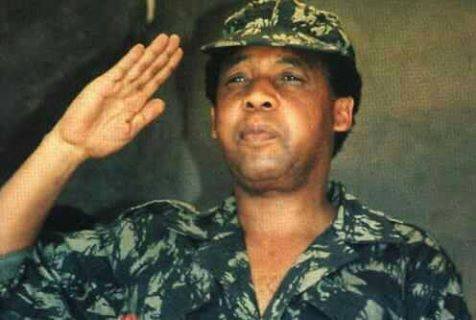
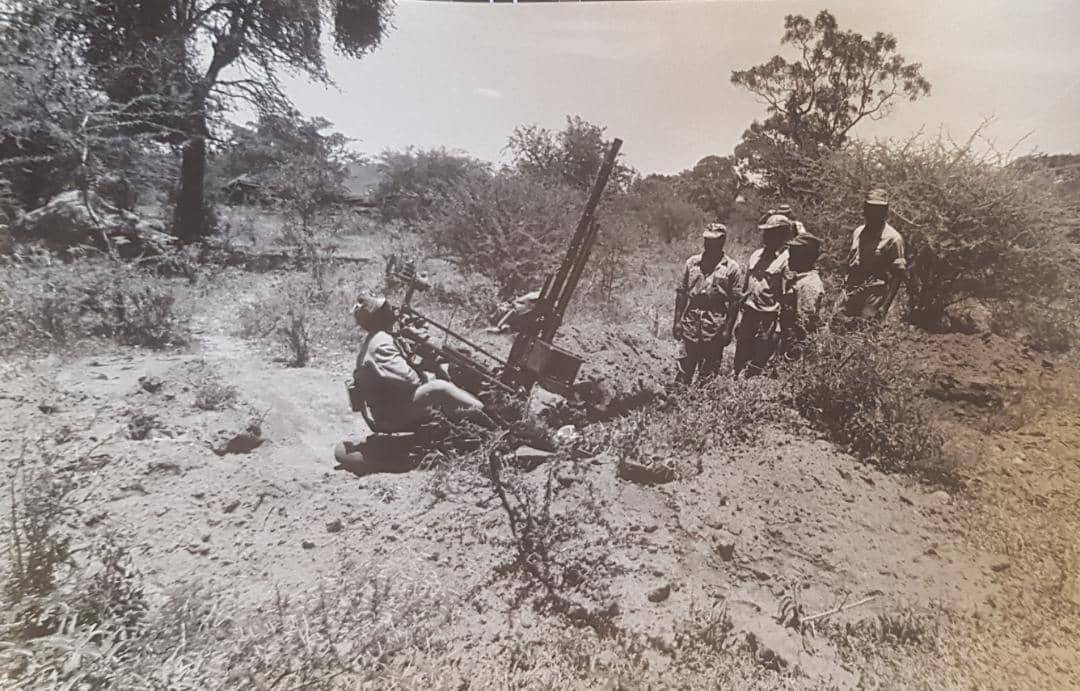
On the night of 31 July 1967, about 80 guerrillas from Umkhonto we Sizwe (MK) and ZAPU crossed the mighty Zambezi River into Rhodesia under the command of Charles Sotsha Ngwenya (John Dube/JD). Their crossing marked the beginning of the Wankie Campaign, the first major joint military operation between MK's Luthuli Detachment and ZAPU's military wing. ( Special Affairs)
The plan was for the force to split into two later. One group, made up mainly of MK cadres, would continue towards South Africa to mobilise communities and establish underground structures. The second group, consisting of ZAPU guerrillas and some MK cadres, would move into Lupane to mobilise the local population and establish operational bases.
The standing instruction was to avoid direct engagements with the enemy wherever possible. History, however, unfolded differently.
Before the crossing, JD addressed the assembled guerrillas on the banks of the Zambezi River:
"Today, we are beginning the long journey home, home to those we left behind with the promise to return. We must each be determined to see our task through to the end. The enemy is strong; we must not underestimate his strength, but we, too, are strong. We are now trained and will meet their bullets with our own."
Nike spent ten years trying to break the 2-hour marathon. They named a project after it. They built special shoes. They paid the greatest marathoner alive to chase it. Yesterday, a Kenyan runner finally did it in 1:59:30, wearing Adidas.
Sabastian Sawe used to be a pacemaker. A pacemaker is the kind of runner you hire to set the speed for the first few miles of a race and then drop out before the finish. In January 2022, Sawe got booked to do exactly that at a half-marathon in Spain. He'd never raced more than three miles in his life. He stayed in for the full 13 and won the whole thing. Adidas signed him not long after. Four years later, he became the first human ever to run an official marathon under 2 hours.
Nike, meanwhile, started this whole project in 2016 with a public goal called "Breaking2." They paid for the shoes, the pacemakers, the science labs, and Eliud Kipchoge himself. Kipchoge ran 1:59:40 in Vienna in 2019, but the event was a closed-course exhibition with rotating pacemakers and a pace car projecting a green laser line onto the road. The sport's governing body never recognized it as a real race. It didn't count.
Then Nike's running business cratered. Digital sales fell 26% in one quarter. Their share of footwear sold at Dick's Sporting Goods went from 39% to 32% in five months. On Running grew from $330 million to $1.8 billion between 2020 and 2025. Hoka nearly quadrupled. Roger Federer left Nike for On. Nike's board fired the CEO in October 2024.
Adidas spent the same period building a better shoe. The new Adizero Adios Pro Evo 3 took three years to develop. It weighs 97 grams, about 3.4 ounces, lighter than a deck of cards. A Wall Street Journal-cited study found that wearing a shoe 3.5 ounces lighter saves a runner around 57 seconds across a marathon. Sawe beat the third-place finisher by 58 seconds.
Adidas also did something Nike never did for Kipchoge. They wrote a $50,000 check to the official anti-doping body for track and field, asking it to test Sawe more aggressively than any other runner alive. He got tested 25 times in the two months before last year's Berlin Marathon, and Adidas signed up to fund this for the length of his contract. The logic: the moment Sawe ran a marathon this fast, the world was going to ask if he cheated, especially after his countrywoman Ruth Chepngetich got a 3-year doping ban in 2025. Adidas got out ahead of it.
The shoe retails at $500 and is barely available. Adidas's Adizero shoes won half of all major marathon races in 2024. Yesterday in London, four of the top five finishers wore the same Adidas shoe. Yomif Kejelcha crossed the line 11 seconds after Sawe and also broke 2 hours. The top three runners all beat the previous world record.
Nike's only response was an Instagram post. Three sentences long: "The clock has been reset. There is no finish line." That was their entire public reaction to losing a 10-year moonshot to their biggest rival.
@hankasello There are basically 3 major reasons the way I see it first, Infrastructure roads are just terrible, secondly centralization of everything in Zim you have to go to town for everything, thirdly we don't have banks or money (currency) to support e commerce .
@Mamoxn I'm not surprised he has that killer instinct in him his farther committed unspeakable crimes its only natural for him to be a criminal he leant from the best