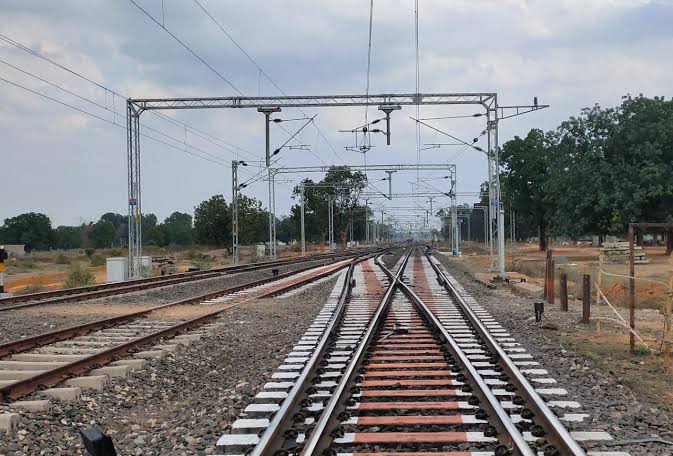
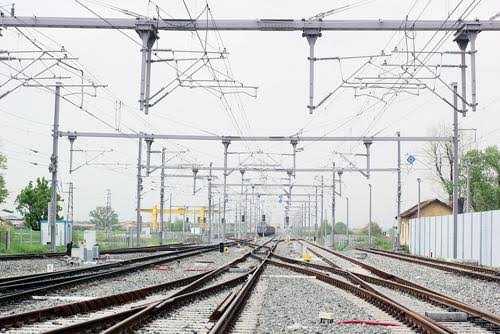
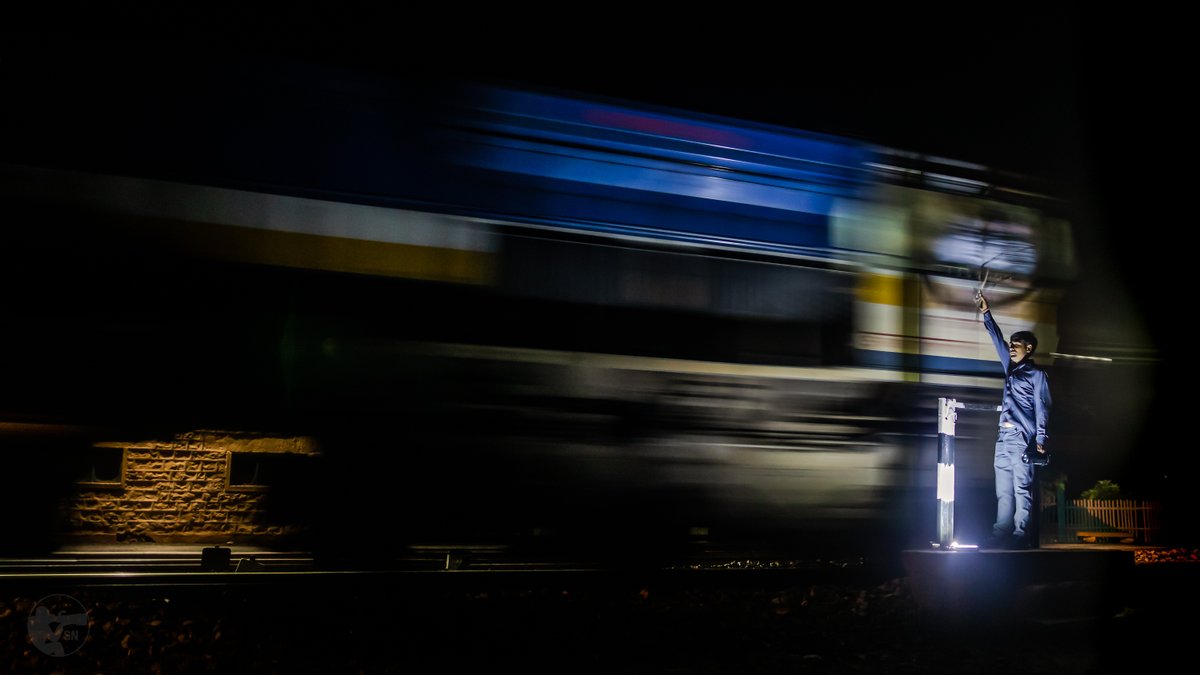
Starting a new series today, documenting some of my favourite moments spent #chasingtrains. Here I try to capture the drama of a night token exchange on the line to Jaisalmer #irfca
78 years ago today, India's and @airindia's 1st international flight took to the skies.
Operated by a Lockheed constellation named Malabar Princess (VT-CQP) departed from Mumbai for London with 35 passengers who paid Rs. 1720 each. A significant sum of money then.
#AvGeek
Hello @policybazaar how persistent are you in spamming me to insure a car that's been deregistered for years? And no amount of blocking stops you! It amazes me. No really!
Dear @selfdrives_in You just about have the rudest customer care staff on the planet. It's a shame that a good drive with your cars has been ruined by your post-return experience. Please find better people. You've lost one customer today, you'll lose more soon.
Speaking of the route, here's a video capturing some highlights of a2015 trip to these parts. we chased the trains all the way from Mhow to Dhulghat https://t.co/sK9dj1X6FY
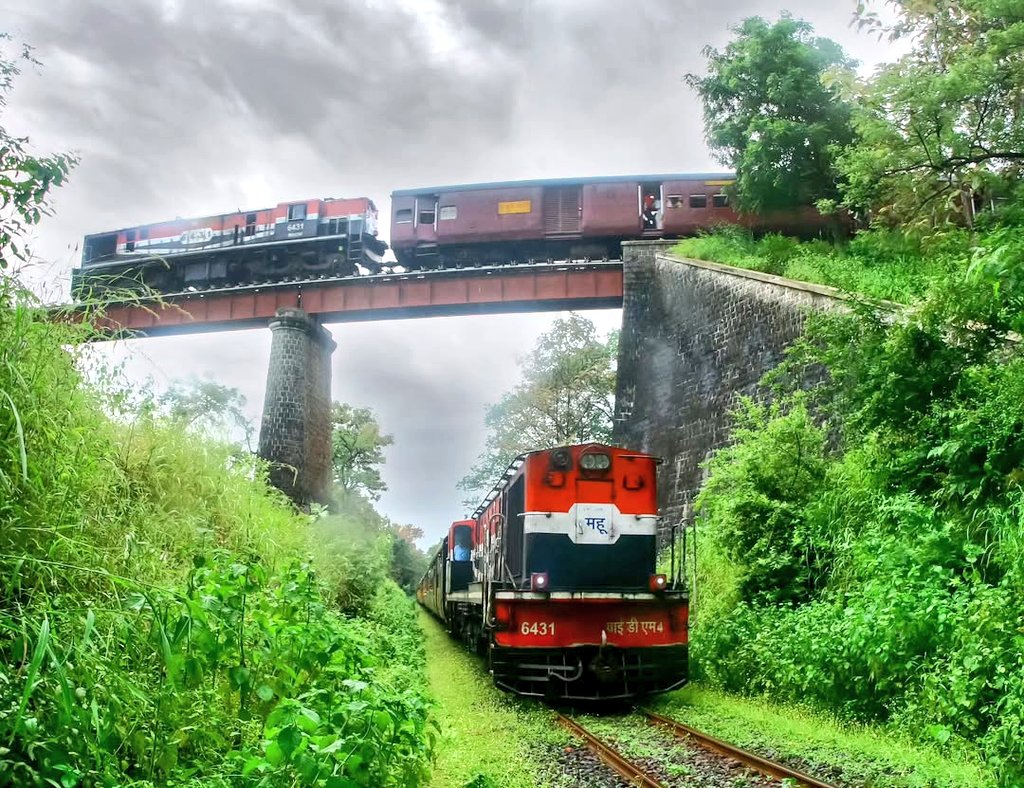
The beautiful capture from 2015 of the famous Dhulghat spiral with two MG trains passing above a below the viaduct - now a defunct station on the Akola-Khandwa section, in the jurisdiction of @drmned in @SCRailwayIndia! Pic courtesy, @sidelower!
The Dhulghat Spiral, historically known as "Char ka Ankda" (digit of four), was a renowned engineering marvel on the Akola-Khandwa meter gauge line in Maharashtra's Melghat Tiger Reserve. It featured a 193-metre-long steel viaduct allowing trains to circle a hill, overcoming steep gradient changes before the line was closed for gauge conversion in 2017.
The track formed a, roughly "4" shape in the Devnagari script (char ka ankda - "४") to manage a steep descent across a shallow valley. The spiral was a highlight of the Akola-Khandwa meter gauge section, which once served as part of a major, scenic, north-south rail route. #IndianRailways #photography @godbole_shilpa@docbhooshan@Mohansinha
Thanks @Ananth_IRAS But these are not 'two trains'. It is a composite image depicting the same train as it crossed the bridge, went around the spiral and then passed under it. It was shot this way to depict the functioning of the spiral.
The beautiful capture from 2015 of the famous Dhulghat spiral with two MG trains passing above a below the viaduct - now a defunct station on the Akola-Khandwa section, in the jurisdiction of @drmned in @SCRailwayIndia! Pic courtesy, @sidelower!
The Dhulghat Spiral, historically known as "Char ka Ankda" (digit of four), was a renowned engineering marvel on the Akola-Khandwa meter gauge line in Maharashtra's Melghat Tiger Reserve. It featured a 193-metre-long steel viaduct allowing trains to circle a hill, overcoming steep gradient changes before the line was closed for gauge conversion in 2017.
The track formed a, roughly "4" shape in the Devnagari script (char ka ankda - "४") to manage a steep descent across a shallow valley. The spiral was a highlight of the Akola-Khandwa meter gauge section, which once served as part of a major, scenic, north-south rail route. #IndianRailways #photography @godbole_shilpa@docbhooshan@Mohansinha
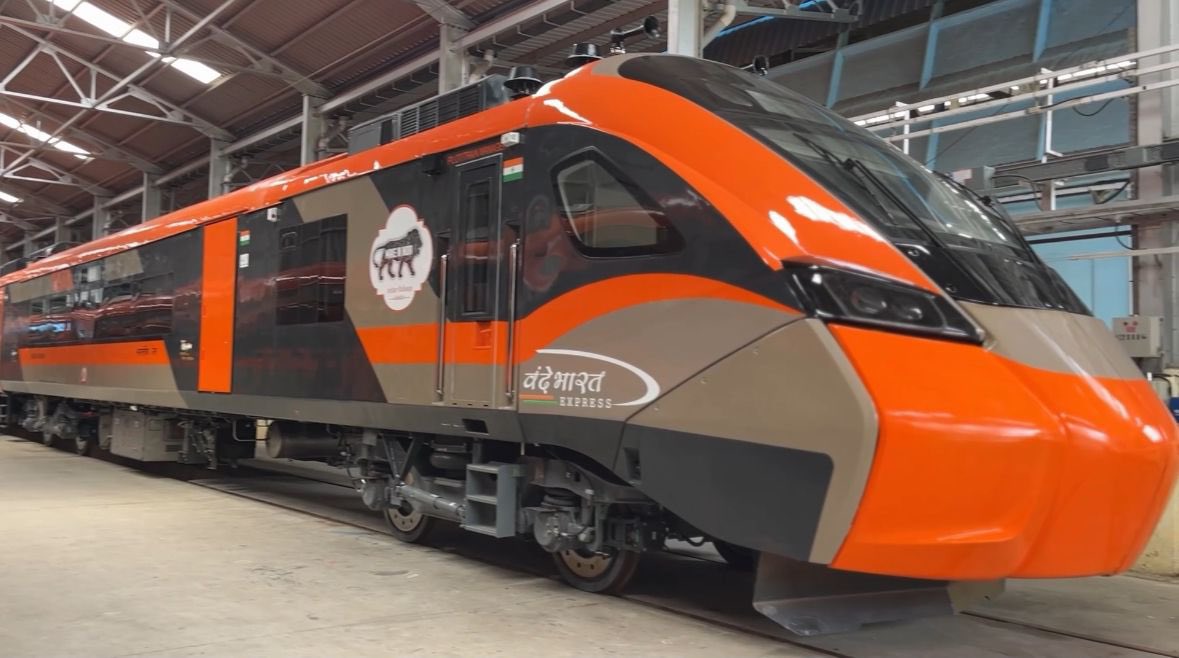
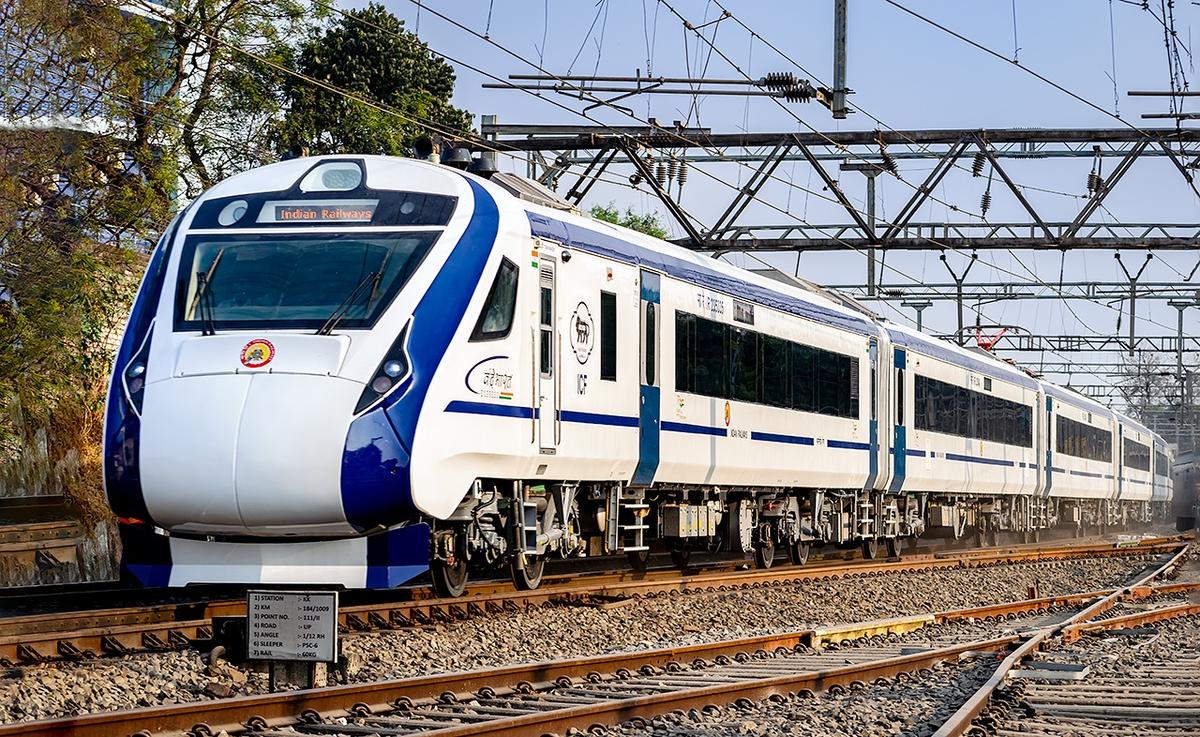
Indian Railways pushes towards 160 kmph speeds! Signal spacing to double from 1 km to 2 km, improving loco pilot reaction time, safety & smoother high-speed operations. Pilot rollout first, then nationwide expansion if successful. 🚄🇮🇳
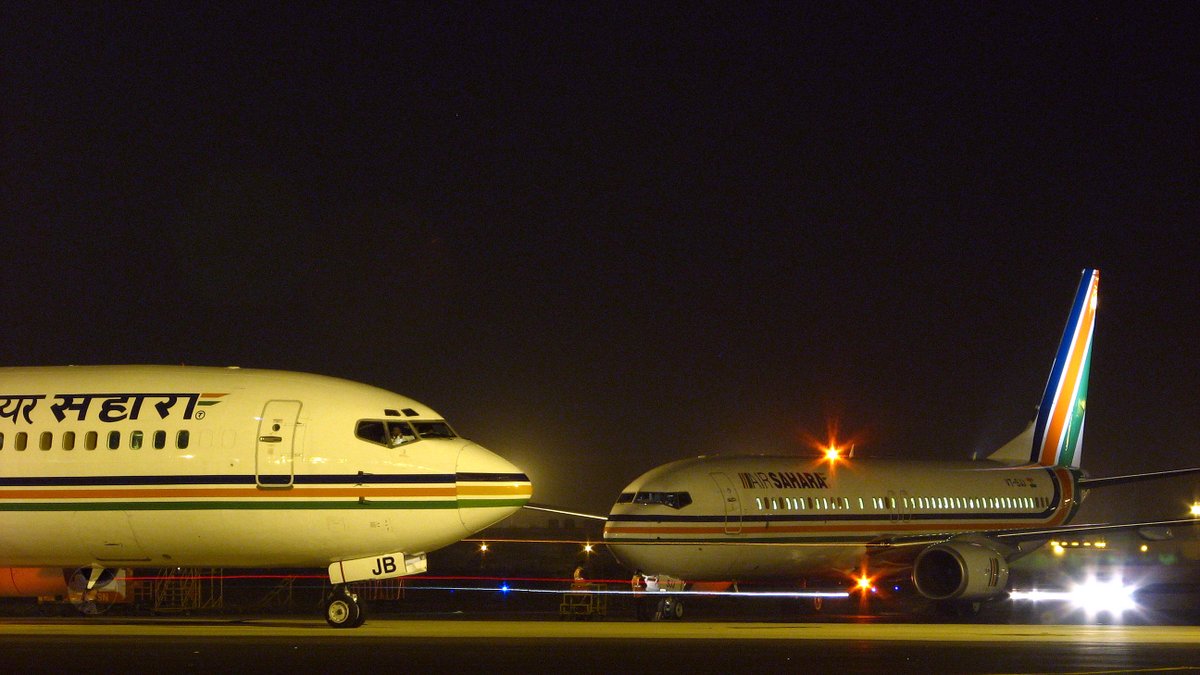
Starting a new series today - images from a bygone era of Indian Civil Aviation. Kicking off with these two B738s of the former Air Sahara at @DelhiAirport#avgeek#DELClicks
If you are going to the AI summit tomorrow, do go to hall 6 where in a small canopy you would find a guy, who lost his mother to a long cancer battle last year, explaining about his Ai tool under the umbrella of BigOhealth that will help cancer patients and their relatives get information on the line of treatment that they can go for. These decisions is being taken by the ai tool while assessing patient records and past treatment and studies happening across the world. He has tied it up with a hospital initially to get more data with all required consent.
He told me how when cancer was detected in his mother, like most of us, he went blank and could not think clearly. Later, through the AI analysis, he found that in two districts of an Eastern state, three patients passed away due to cancer because they didn't get the correct treatment.
IFS is used by both Indian Forest Service and Indian Foreign Service, and their tussle over the abbreviation is quite amusing. In 2016, MEA wrote to DOPT that Indian Foreign Service was created in 1946, whereas Indian Forest Service came into being in 1966, so they should have the sole claim over IFS and Forest Service should instead use IFOS.
In response, MoEFCC said that the very nomenclature Indian Foreign Service sounds unconvincing: how can a service be both 'Indian' and 'Foreign' at the same time? it appears incomplete and alien, and proposed that it be renamed "Indian Diplomatic Service (IDS)" or "Indian External Affairs Service (IEAS)."
They further pointed that Imperial Forest Service (IFS) was established in 1866 and later revived as the Indian Forest Service in 1966, therefore, they have the earlier claim over IFS.
Hilarious.
@LiveFromALounge@ShivrattanDhil1 Any event of this scale will create a shortage of options and a price hike. Matches, concerts, races all fall in the same bracket. Also, Delhi has the infra to host high security VIP visits, doing so elsewhere comes with its own challenges