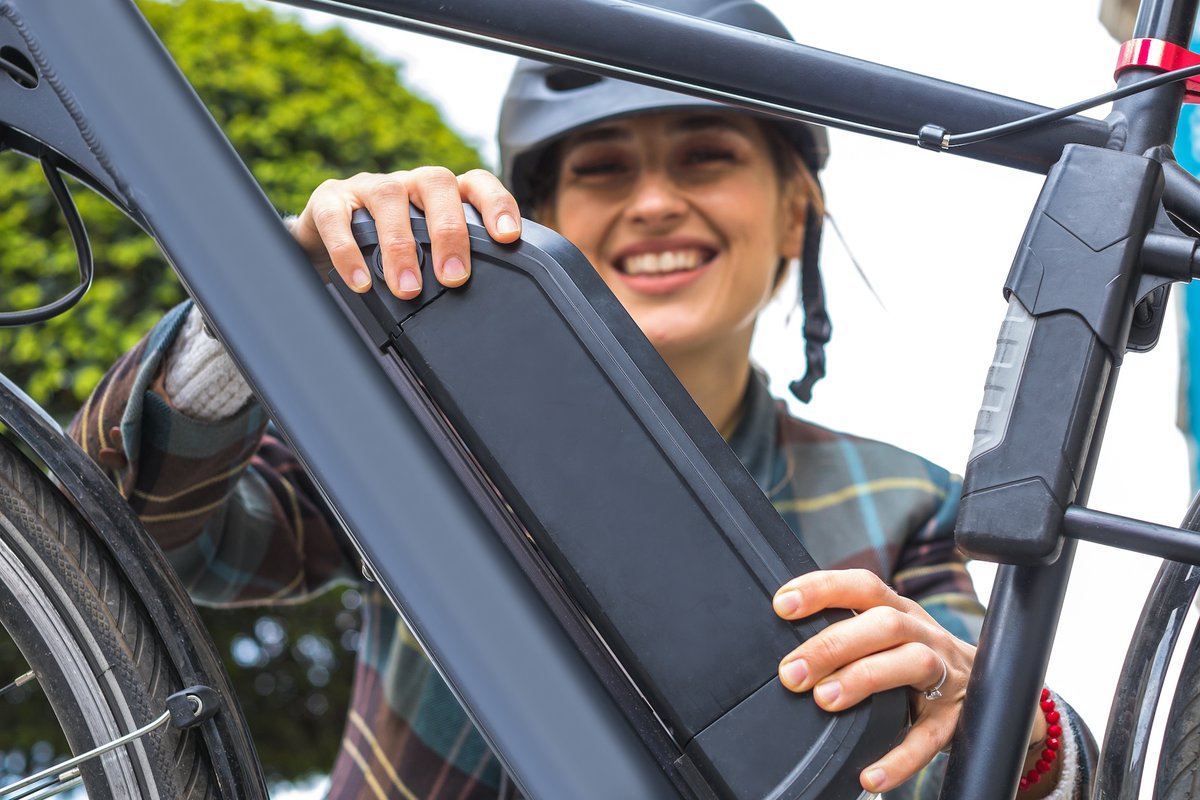
The e-bike boom is not going away. We must ensure the rules governing e-bikes reflect that they are fast, powerful vehicles that deserve the same serious attention we give to any other motorized form of transportation. https://t.co/IwkMpVVujF
The most underreported e-bike story isn't the crashes. It's the battery fires caused by exploding lithium-ion batteries. They happen in apartments, storage rooms, and garages, where bikes charge overnight. https://t.co/NFnKdSzVyz
One of the most important factors to understand about e-bikes is that they are not just faster bicycles. A Class 3 e-bike can reach almost 30 miles per hour! Yet e-bikes are still classified by the federal government as nonmotorized vehicles. https://t.co/3aAcSUmDbl
Electric bikes have transformed how millions of Americans get around. They are convenient, affordable, eco-friendly, and fun to ride. But as ridership has surged, so has something far less welcome: a rapid and alarming rise in injuries. https://t.co/vU10Z9bTgA
A major study, long cited by chemical companies to claim that glyphosate, a common ingredient in chemical pesticides, is safe, was recently withdrawn after it was revealed that the companies themselves had funded the research. https://t.co/lwAPj4ltyR
Pesticides are regulated at the federal level, with the EPA reviewing safety before products reach the market. However, research continues to uncover long-term exposure risks like:
*Cancer
*Neurological disorders
*Hormone disruption
*Respiratory problems. https://t.co/7kHSdHw4Dd
Bayer, the maker of Roundup, has been hit by over 170,000 lawsuits claiming the company did not properly warn consumers that its weedkiller could cause cancer. https://t.co/CqQZlCyEdE
Studies have linked long-term exposure to glyphosate, the key ingredient in weedkillers, to cancer.
At the same time, some lawmakers want to limit lawsuits against manufacturers, arguing that EPA-approved labels should be enough protection. https://t.co/lqnc0xbpQK
If you suspect neglect in a care facility, speak up!
🔹 Contact Adult Protective Services in your state
🔹 Use the Eldercare Locator (https://t.co/ZDhzopc34j)
🔹 Or call the Institute on Aging’s confidential Friendship Line
https://t.co/FapCLRvXqJ
Those “routine” nursing home admission papers? They may include a hidden clause that blocks your right to sue, even after neglect or abuse! Read everything carefully and ask questions. https://t.co/qvY64ZiBEC
Each year, up to 5 million older Americans experience abuse or neglect, including millions living in long-term care. Forced arbitration keeps those stories out of court and out of sight. https://t.co/yKPAYErW2l
When a loved one enters a nursing home, you expect care — not fine print that strips your right to justice. Forced arbitration buries abuse claims in secrecy and shields corporations from accountability. It’s time to end this loophole for neglect. https://t.co/UtJgQACHza
Would you trust an AI chatbot with your mental health? Some people already do—and the outcomes aren’t always hopeful. From loneliness to lawsuits, the risks are mounting. https://t.co/UEaIZfWvrW
🤖💬 AI companions promise connection and companionship, but can also fuel loneliness, dependence, and even tragedy. New research and recent tragedies raise urgent questions: Are chatbots really safe substitutes for friends or therapists? https://t.co/vHyo06vA93
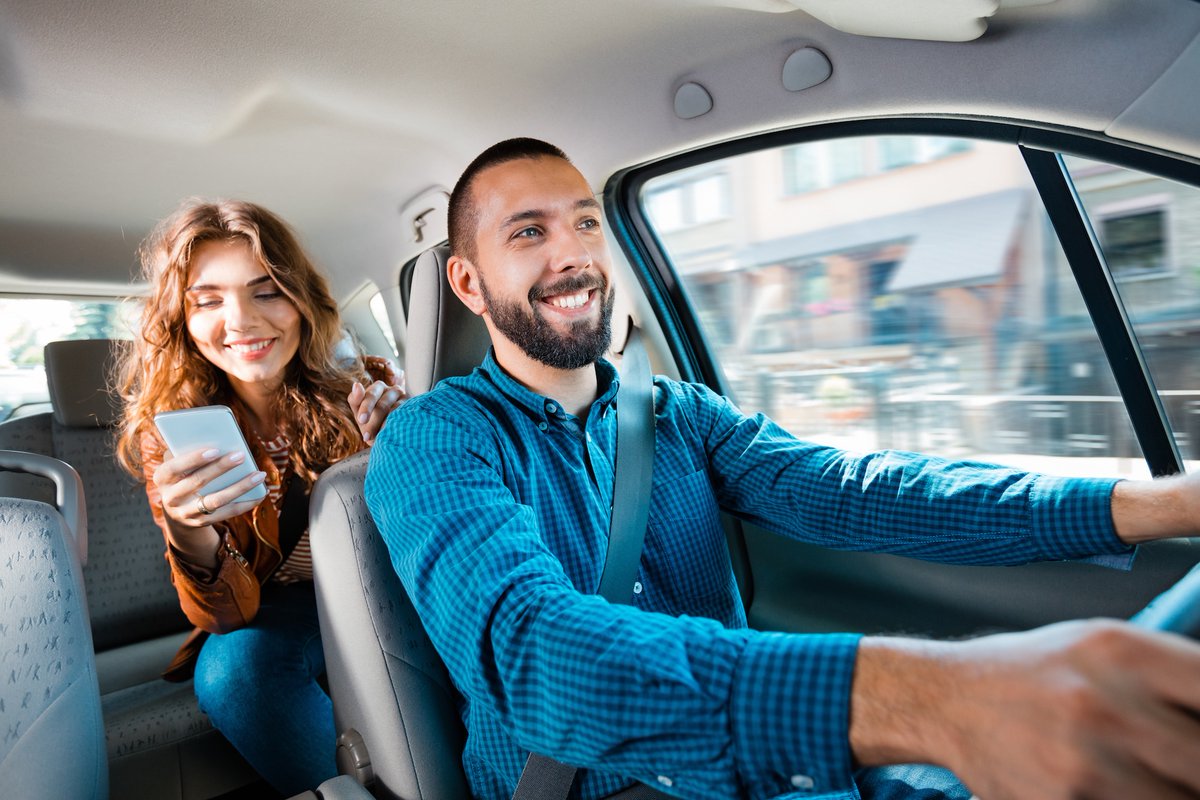
Georgia & John McGinty’s Uber crash left them with spine and rib fractures. Their lawsuit? Thrown out—because their daughter once ordered pizza on Uber Eats. https://t.co/TXrQDYSO5m
Uber’s “independent contractor” model shields the company from liability and lowers costs, but limits its ability to require safety training and mandate safety features. https://t.co/9CZYuYDKi6
🚨𝙴𝚟𝚎𝚛𝚢 𝟾 𝙼𝚒𝚗𝚞𝚝𝚎𝚜🚨
That’s how often Uber received a U.S. report of sexual assault or misconduct on their app from 2017 to 2022. They told the public about just 12,522. The real number? https://t.co/ujjuezcOxd