Stopping food intake 3 hours before bed may be one of the simplest ways to improve cardiovascular health
Digestion can take roughly 5 hours, so eating too close to bedtime may interfere with the parasympathetic shift that helps blood pressure and heart rate fall during sleep
In one study, people who stopped eating 3+ hours before sleep saw deeper overnight blood pressure dipping, lower heart rate, higher HRV, lower cortisol, and improved insulin sensitivity
What you eat matters, but so does *when* you eat
Just two weeks of sleeping 4 hours a night increased visceral fat by 11% in healthy young men, with almost no change on the scale
In other words, they were accumulating harmful visceral fat (the deep, inflammatory fat stored around your organs) even though body weight barely moved
Mechanistically, even one night of short sleep can cause acute insulin resistance, while repeated sleep loss raises cortisol, cravings for high-energy foods, and calorie intake
The result is a metabolic setup that makes visceral fat accumulation much more likely over time
Increasing your dietary fiber intake may be your best defense against microplastics
Fermentable fiber (found in oats, mushrooms, onions, fruits, and artichokes) creates a gel-like barrier in your gut, trapping microplastics and preventing absorption
Non-fermentable fiber (found in vegetables and whole grains) speeds digestion, pushing these plastic particles through your digestive tract before they can be absorbed
Microplastics are unavoidable, but a fiber-rich diet gives you a simple, science-backed tool to reduce their harmful impact
Creatine supplementation at ~10 grams/day may be a targeted way to support brain function in older adults
While muscle tissues become saturated at 5 grams/day, surpassing this threshold allows more creatine to reach the brain and raise brain phosphocreatine levels
Higher phosphocreatine availability supports cognitive performance specifically under brain stressors like aging, sleep deprivation, and neurodegenerative disease
And because aging places ongoing metabolic demands on the brain, this additional phosphocreatine reserve may help support brain energy metabolism when it’s under strain
"جس طرح اس دنیا کے پاس ایک سورج ہے ایک چاند ہے اسی طرح اس دنیا کے پاس ایک نور جہاں ہے"
remembering the Malika e Taranum Noor Jehan on her 25th death anniversary. Born as Allah Wasai, acclaimed as Baby Noor Jehan in earlier years at All India Radio, she became the Queen of melody.
Nicotine can enhance cognition, but it comes at a cost to cardiovascular health.
A single 2–4 mg nicotine pouch can raise blood pressure by ~5 mmHg and increase resting heart rate by ~5–10 beats per minute. Higher doses lead to more pronounced elevations.
More concerning is nicotine’s effect on arterial stiffness, which is a marker strongly associated with long-term cardiovascular disease risk.
These effects are driven largely by nicotine’s activation of the sympathetic nervous system, which promotes vasoconstriction and impairs endothelial function.
While the cardiovascular effects are often short-lived, repeated exposure can make them persistent in habitual users.
High‑protein diets do not harm your kidneys, even in people with impaired kidney function
A 2024 study of adults with and without chronic kidney disease found that higher protein intake wasn’t just safe...
It was associated with progressively lower mortality, up to ~33% lower risk at ~1.6 g/kg/day compared to the RDA
Even in the most extreme cases, such as very sick patients receiving high-dose IV protein directly into their veins, research finds no signal of kidney harm
For typical healthy adults who exercise and want to age well, the real danger isn’t eating “too much” protein, but eating too little, not training enough, and slowly losing muscle and resilience year after year
Plant Protein is as Good as Animal Protein for Building Muscle? New Study Breakdown!
A new study just dropped demonstrating that a plent blend was as good as whey protein at building muscle over 12 weeks in untrained men undergoing a resistance training program. The headline may surprise some of you, but when I read the full study, I was not surprised at all… why?
Because the plant blend was matched to whey in leucine and total EAAs. When you equalize the actual anabolic signals, the gap closes — which is exactly what my PhD thesis showed nearly 20 years ago.
Study details (PMID: 41059835)
• Randomized, controlled trial in untrained men • Whey vs. plant blend (pea + soy + added leucine) • 12-week supervised resistance-training program • Outcomes: quadriceps cross-sectional area (ultrasound), DEXA, lower-body strength • Result: Both groups improved significantly, with no between-group differences in hypertrophy or strength. This is in line with my PhD research which demonstrated that wheat (a poor protein for stimulating muscle protein synthesis) was as good as whey at stimulating MPS when leucine was added to wheat protein to match the leucine content of whey (PMID: 22818257)
Important nuance: The plant blend used in this study is not commercially available, and appears that it was formulated + fortified to match whey’s leucine/EAA profile. That’s why it performed similarly, not because all plant proteins are inherently equivalent to whey for anabolism
If your plant protein is low in leucine or EAAs… the results won’t look like this. That said, a plant protein sources can still be as anabolic as animal protein sources if their leucine/EAA content is high enough or if you consume enough protein overall
Magnesium is one of the most evidence-backed supplements for treating migraine.
400–600 mg per day of oral magnesium reduces migraine frequency and intensity vs placebo in randomized trials. Some studies find benefit only at the higher end (600 mg/day) while lower doses (250–360 mg) often fail to help.
For acute attacks, IV magnesium can also be effective, particularly for migraines with aura.
Magnesium stabilizes neuronal membranes (reducing brain hyper-excitability) and modulates cerebral vascular tone, two core processes in migraine biology.
For routine supplementation, magnesium glycinate, citrate or taurate are preferred for bioavailability. Magnesium threonate gets attention for brain uptake, but it contains very little elemental magnesium and should not replace more bioavailable forms when your goal is correcting total magnesium status.
Another evidence-based regimen for migraine prevention is combining magnesium with CoQ10 and riboflavin (B2), which reduced migraine days substantially in a 3-month trial.
If GI upset is a problem, split the total into ~200 mg doses taken 1–3×/day. This keeps you in the 400–600 mg/day range shown to be effective while reducing loose stools.
Older adults need twice as much protein per meal as younger adults to get the same amount of muscle protein synthesis.
That's because muscles become less sensitive to amino acids in response to protein intake, a phenomenon known as anabolic resistance.
Most people think this is due to aging, but physical inactivity is the real culprit. People are less active as they get older. Only about 30% of young adults and just 20% of older adults regularly engage in some form of resistance training.
Older adults who stay physically active or who engage in resistance exercise right before consuming protein don't experience anabolic resistance. Their anabolic response is identical to that of younger adults.
How do I interpret this? If you're older, you might need a higher daily and per-meal protein dose (30–40 grams versus 20–30 grams for someone younger) to maximize muscle protein synthesis and increase or maintain muscle mass. But it also means that staying physically active and strength training often is the key to preventing "age-related" anabolic resistance. It's not inevitable.
Exercise is an antidepressant.
A new meta-analysis of 26 randomized controlled studies found that both aerobic and resistance training significantly reduced symptoms of depression and anxiety, often rivaling standard treatments like medication and therapy.
Although both modes were beneficial, aerobic exercise had a slightly greater impact on depression, while resistance training showed a modest edge for anxiety.
Many of the included studies didn't even meet the minimum weekly physical activity recommendations for aerobic or resistance exercise, and even then, reduced depressive and anxiety symptoms significantly.
For those with depression or anxiety, movement is powerful medicine. And the dose needed might be smaller than you think.
وفاقی وزیر صحت سید مصطفیٰ کمال کا NHR DisDem کی ذیابیطس اور ڈپریشن پر مشاورتی تقریب سے خطاب
ذیابیطس کے کیسز تشویشناک حد تک بڑھ رہے ہیں، ذہنی صحت کو مزید نظرانداز نہیں کیا جا سکتا۔ پولیو کے خاتمے کے لیے والدین کا کردار کلیدی ہے — ان شاء اللہ پاکستان کو جلد پولیو فری بنائیں گے
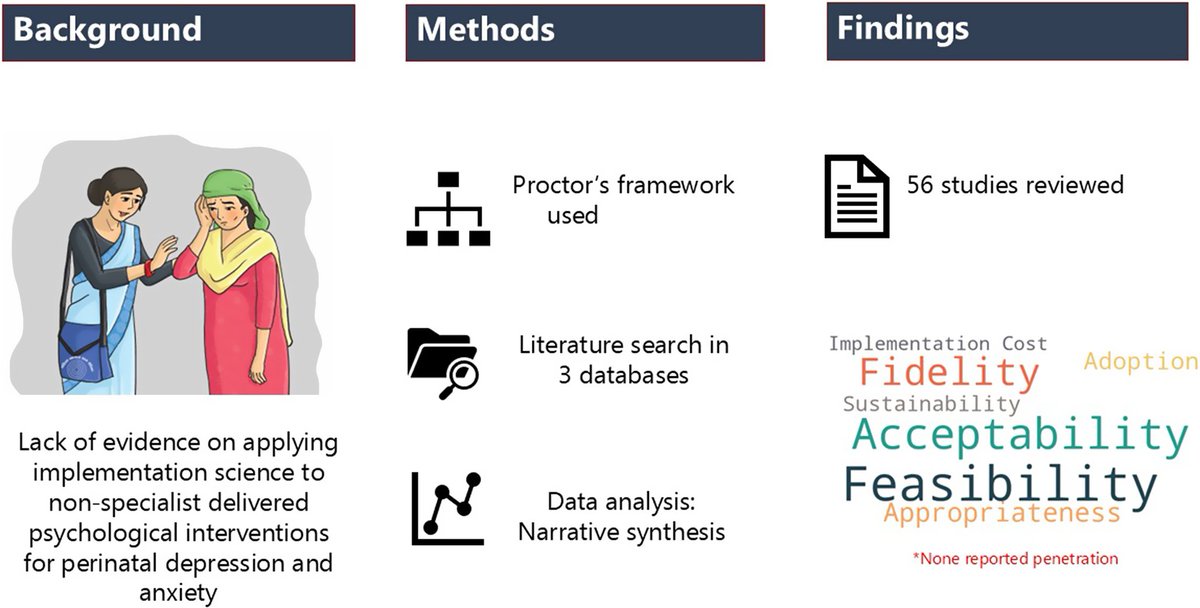
Thanks @forbabyssake for coming to @LivUniPsyc to talk about your work with mothers and families. I enjoyed chatting about overlaps regarding postnatal depression research. Watch this space for the Institute of Public Health podcast! @LivUniEngageHLS @LivUni#MentalHealthMatters