DISCLAIMER
On religious grounds, and based on the teachings of the Most Sacred Fourteen Infallibles (AS), I hate Khomeini, Khamenei I, and Khamenei II. I utterly detest them. In my view, they are among the most reprehensible figures in Islamic history after Abu Bakr and Umar. In fact, I consider them to be of the same kind as Mu'awiya.
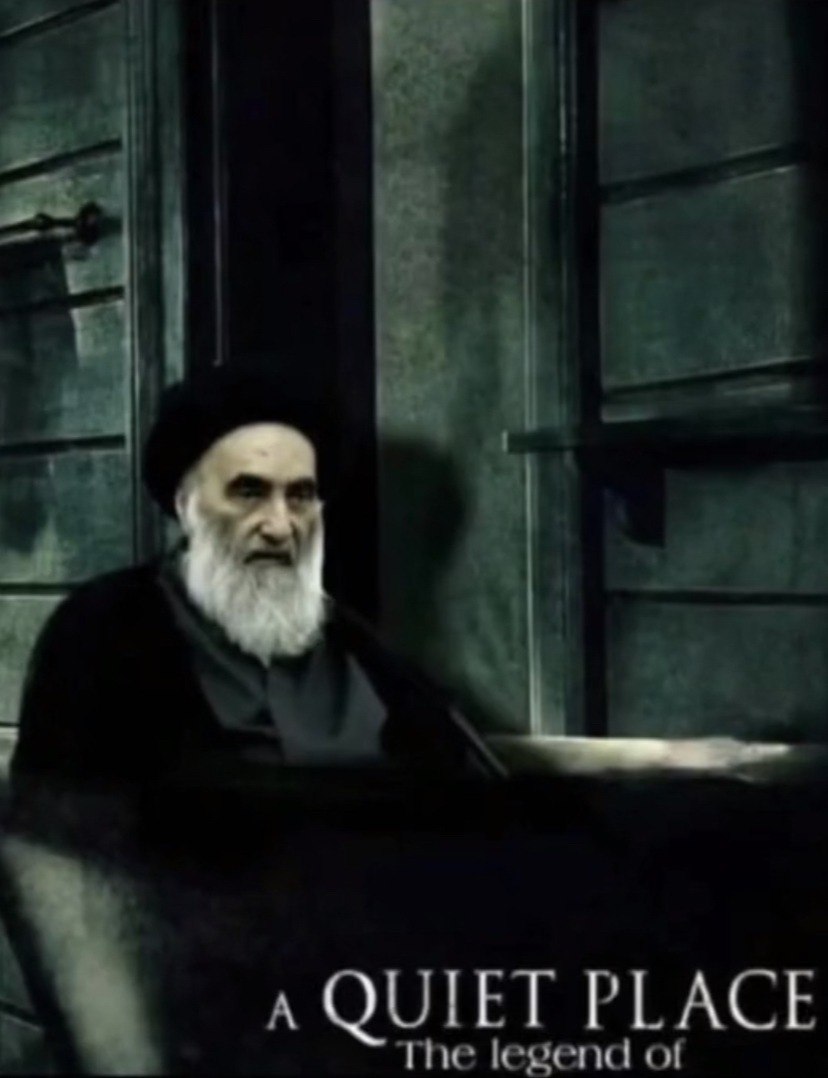
I stand firmly in opposition to Sistani and other marajiʿ and mujtahids of his kind. I have absolutely no respect for them. I deeply detest them, though not quite to the same degree as Khomeini and Khamenei—but close enough. I consider them and the religious establishment they represent to be among the greatest tragedies ever to befall Shi'a Islam.
To those Shi'a who dislike my position or cannot understand it:
Join my live shows and ask me directly why I hold these views. I will gladly explain my reasons.
Watch my extensive lectures on Wilayat al-Faqih (WF), the Iranian Revolution, and Marja'iyya, where I have explained my positions in detail.
Find scholars willing to debate me on these subjects. I welcome any serious scholarly debate and promise to remain humble, polite, and strictly evidence-based throughout the discussion.
If you are unwilling to do any of the above, then get lost. Go away. Unsubscribe from my channel. Unfollow me. I have no interest in seeking your approval or compromising my religious convictions to please you.
Much obliged.
P.S. Only a fool would interpret my condemnation of these individuals as an endorsement of Israel. My opposition to them is rooted in my religious convictions and should not be mistaken for support for Israel or its policies.
Never be too embarrassed or ashamed to tell your parents your struggles and your problems.
It may seem very hard and may feel like the end of the world but they will always understand and support you and lift that weight off of your chest.
Tell your parents you love them.
Today, Israel has lost one of its greatest friends.
Senator Lindsey Graham stood with Israel not because it was easy, but because he believed it was right. His unwavering support, courage, and moral clarity earned him the admiration of millions of Israelis.
The State of Israel will always remember his friendship, his unwavering support, and his steadfast commitment to Israel’s security.
Heartfelt condolences to his family and to the American people.
May his memory be a blessing.
🇮🇱💔🇺🇸
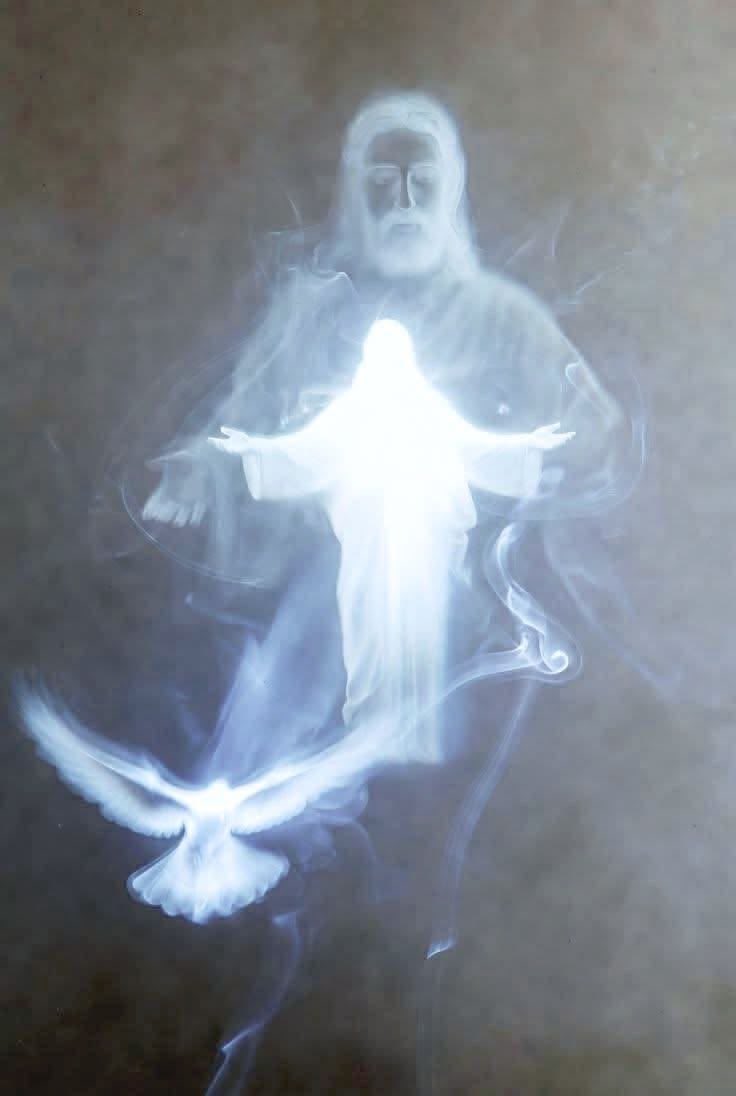
I believe in one God,
the Father Almighty,
Maker of heaven and earth,
of all things visible and invisible.
I believe in one Lord Jesus Christ,
the Only Begotten Son of God,
born of the Father before all ages.
God from God,
Light from Light,
true God from true God,
begotten, not made,
consubstantial with the Father;
through Him all things were made.
For us men and for our salvation
He came down from heaven,
and by the Holy Spirit
was incarnate of the Virgin Mary,
and became man.
For our sake He was crucified under Pontius Pilate,
He suffered death and was buried,
and rose again on the third day
in accordance with the Scriptures.
He ascended into heaven
and is seated at the right hand of the Father.
He will come again in glory
to judge the living and the dead,
and His kingdom will have no end.
I believe in the Holy Spirit,
the Lord, the Giver of life,
who proceeds from the Father and the Son,
who with the Father and the Son is adored and glorified,
who has spoken through the prophets.
I believe in one, holy, catholic, and apostolic Church.
I confess one Baptism
for the forgiveness of sins,
and I look forward to the resurrection of the dead
and the life of the world to come.
Amen. 🙏🏼
I was so sharp and so ready for this fight I cannot believe what has happened. The talk of me being off while walking in to the fight is nonsense. I was calm, ready, and confident. I am in shock what has taken place. The devil is literally staring at me right in front of my face here. I am not engaging. I will be at church tomorrow.
I will overcome this.
I will not be deterred.
I will return.
Saudi minister of entertainment, Turki Alalsheikh, announced that actor Giancarlo Esposito has converted to Islam after filming in Saudi Arabia
The actor is most well known for playing Gus Fring in ‘Breaking Bad’ and ‘Better Call Saul’ and Stan Edgar in ‘The Boys’
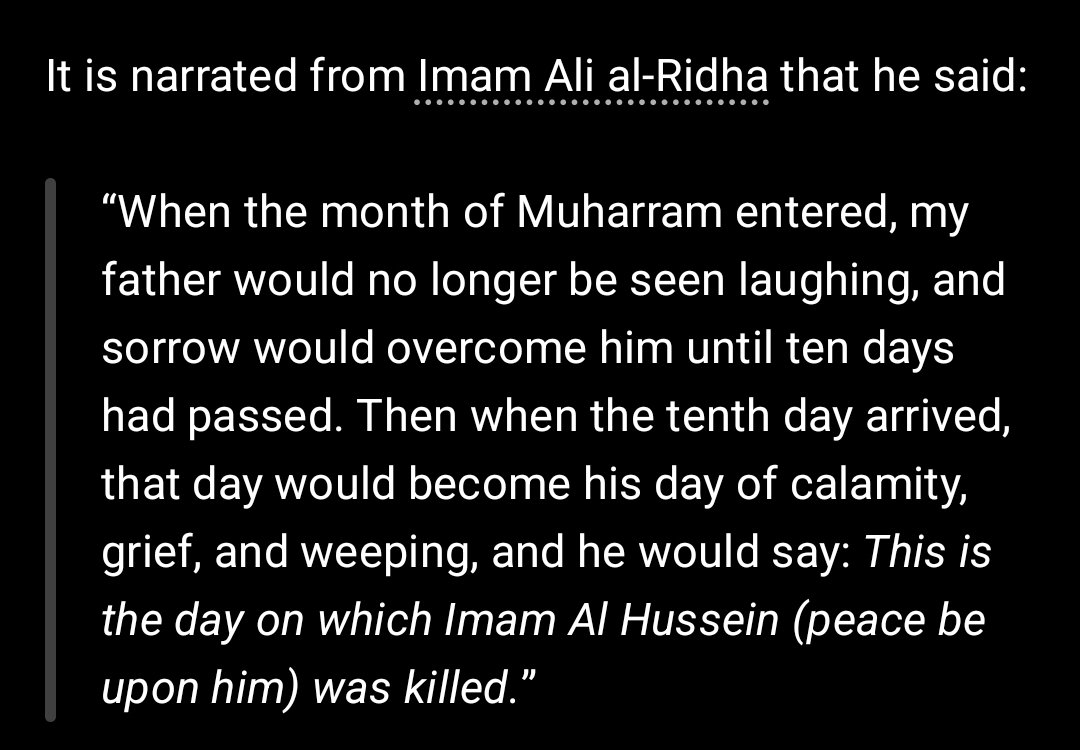
وعن أبيه ، وجماعة من مشايخه ، عن أحمد بن إدريس ، عن العمركي ، عمن حدثه ، عن صندل ، عن هارون بن خارجة ، عن أبي عبدالله عليه السلام قال : سألته عمن ترك الزيارة زيارة قبر الحسين عليه السلام من غير علة ، فقال : هذا رجل من أهل النار.
وسائل الشيعة - الجزء : 14 صفحة : 432
Why am I not a Christian?
Not because I dislike Jesus. Quite the opposite. The more I studied Jesus historically, the harder it became for me to accept the theological claims later made about him.
The central doctrines of Christianity raise questions that scholars have debated for centuries. The Trinity, despite being the defining doctrine of Christianity, is never explicitly taught by Abraham, Moses, the prophets, or even Jesus in the way later creeds formulate it. The doctrine emerged through centuries of theological reflection, controversy, and councils. If it is the foundation of the faith, why is it so difficult to locate clearly in the teachings of the prophets themselves?
The Gospels are formally anonymous documents written decades after Jesus in Greek, while Jesus taught primarily in Aramaic. Scholars continue to debate authorship, sources, editorial activity, and the relationship between the Synoptic Gospels and John. Matthew and Luke present different genealogies. Their infancy narratives differ significantly. The resurrection accounts contain tensions that have generated endless harmonizations. Historical-critical scholarship generally recognizes that the evangelists were theologians as much as historians.
Textual criticism raises further questions. We do not possess the original manuscripts of the New Testament. Famous passages such as the longer ending of Mark, the story of the adulterous woman, and the Comma Johanneum are widely recognized as later additions or interpolations. Even conservative scholars acknowledge a complex transmission history.
Then there is the question of the historical Jesus versus the Christ of later theology. Scholars such as E. P. Sanders, James D. G. Dunn, Raymond Brown, Geza Vermes, Bart Ehrman, and many others differ on numerous points, but there is broad recognition that understanding Jesus requires distinguishing between the earliest traditions and later doctrinal developments.
When I read Jesus, I see someone who consistently distinguishes himself from God. He prays to God, worships God, is sent by God, receives authority from God, says the Father is greater than him, admits limitations, and identifies the Father as the only true God. I see a Jewish prophet and Messiah operating within the framework of strict monotheism.
I also struggle with the extent to which Christianity is shaped by Paul. Paul's letters are our earliest Christian writings, predating the Gospels themselves. This raises a legitimate historical question: to what extent does later Christian theology reflect the teachings of Jesus, and to what extent does it reflect theological developments within the early Church?
I am also unconvinced by the claim that doctrines such as the Incarnation, the hypostatic union, and the Trinity are obvious teachings of Jesus. The very existence of centuries of debate, multiple councils, competing Christologies, and persistent disagreement among Christians suggests the issue is far more complex than often presented.
The deeper I studied Christianity academically, the more I became convinced that the gap between the historical Jesus and later orthodox formulations is larger than many believers realize.
I did not stop believing in Jesus.
I stopped believing that the God Jesus worshipped was Jesus himself.
I believe Jesus was the Messiah. I believe he was born miraculously. I believe he performed miracles. I believe he called people to repentance and obedience to God. I believe he will return.
But I do not believe he was the God he prayed to.
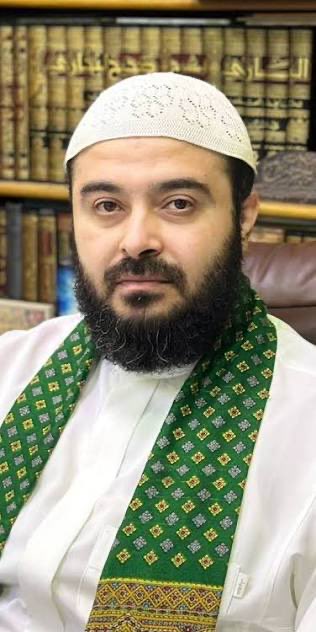
That is why I am Muslim.