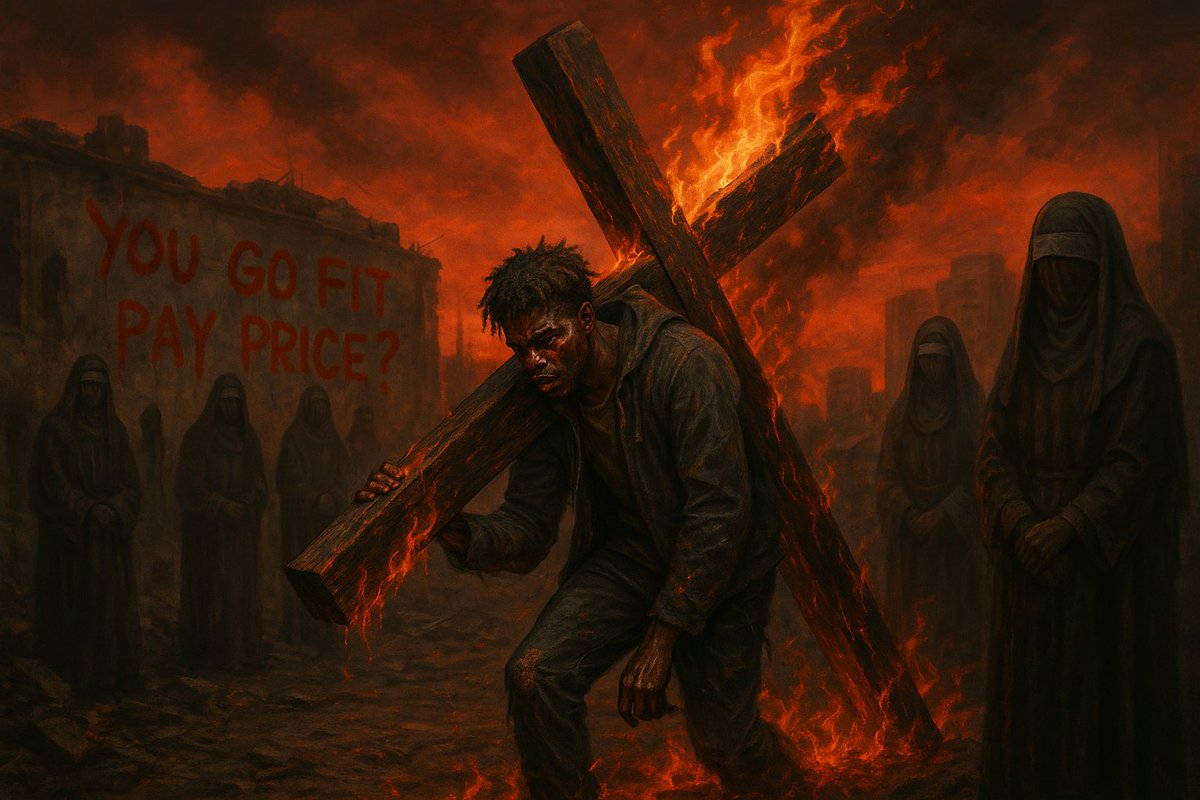
The message is raw: You think you understand the gospel? Look again.
This is sacrifice in the #real#world.’ The #art must #challenge, confuse, even offend!..before it enlightens.
It must walk the thin line between mockery and revelation.
@FARONBI01@Starr_gael Exactly 😭
That’s why transparency like this matters.
People usually only post the comeback… not how close they were to complete failure.
Social media has conditioned traders to think profitability means never bleeding.
Meanwhile, some of the best traders still go through ugly drawdowns.
The difference is: professionals survive them… amateurs emotionally react to them.
Thanks for the honesty @Starr_gael
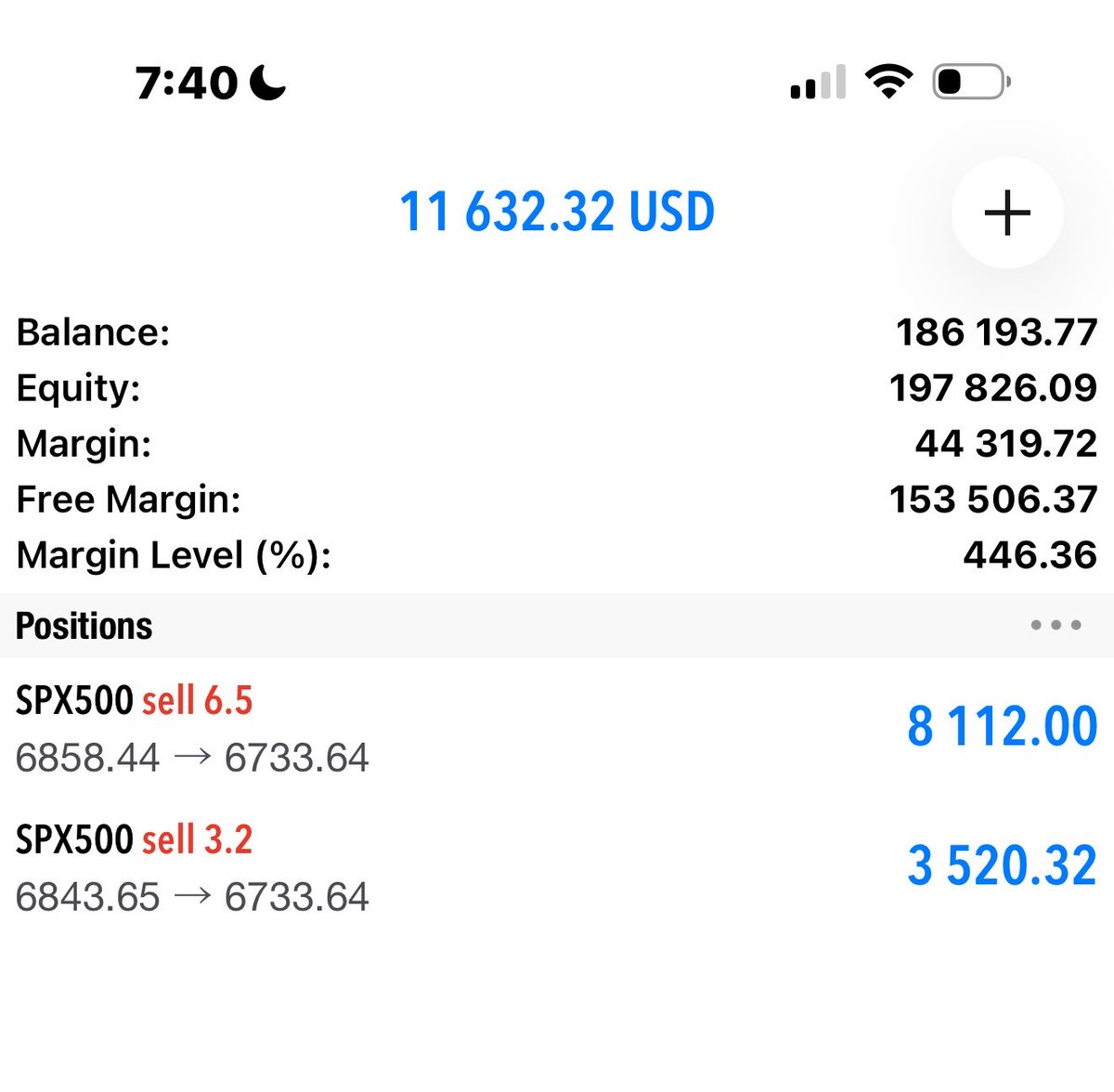
7% drawdown. $186,000 balance on one of my $200,000 accounts.
Only 3% left before it was gone. Most accounts don’t recover from that.
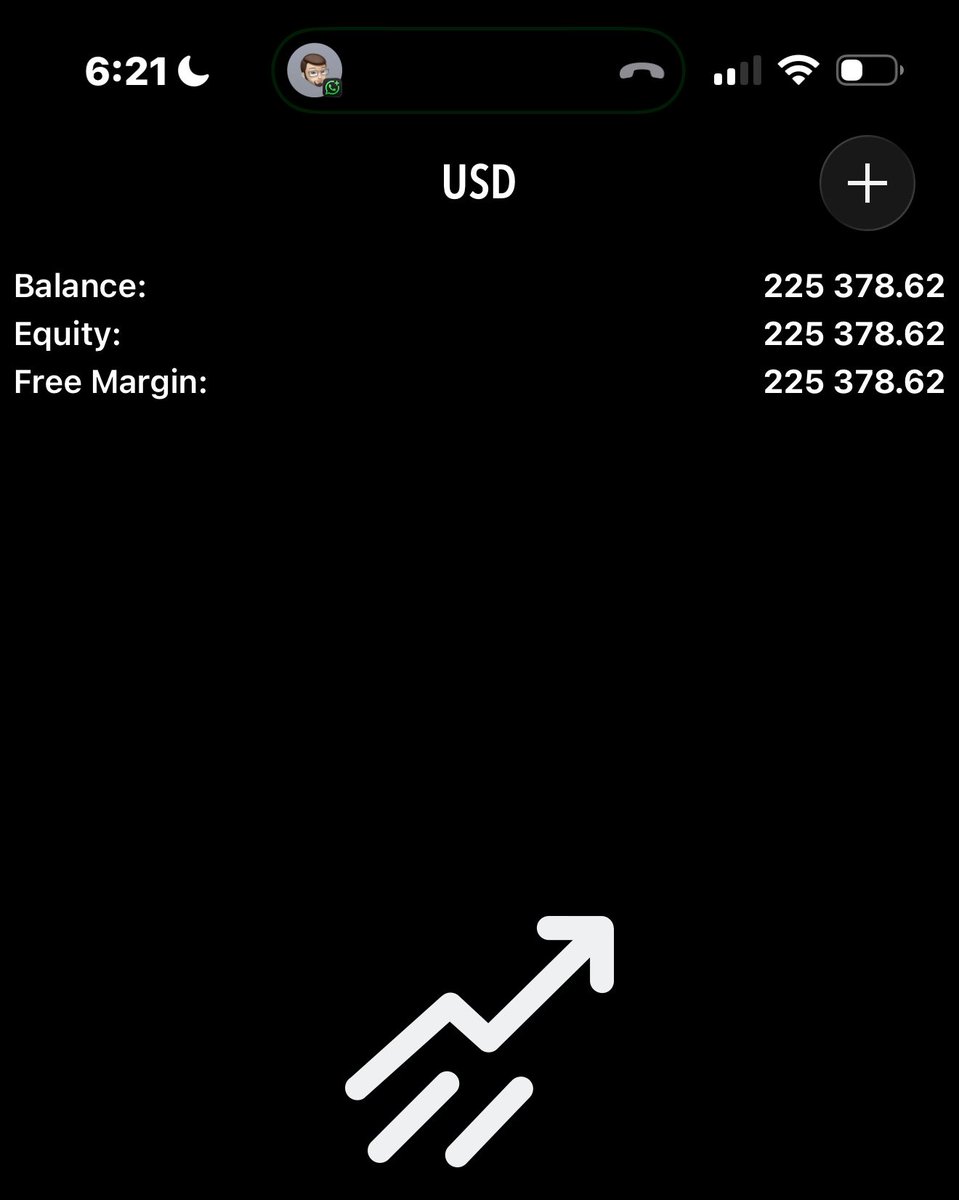
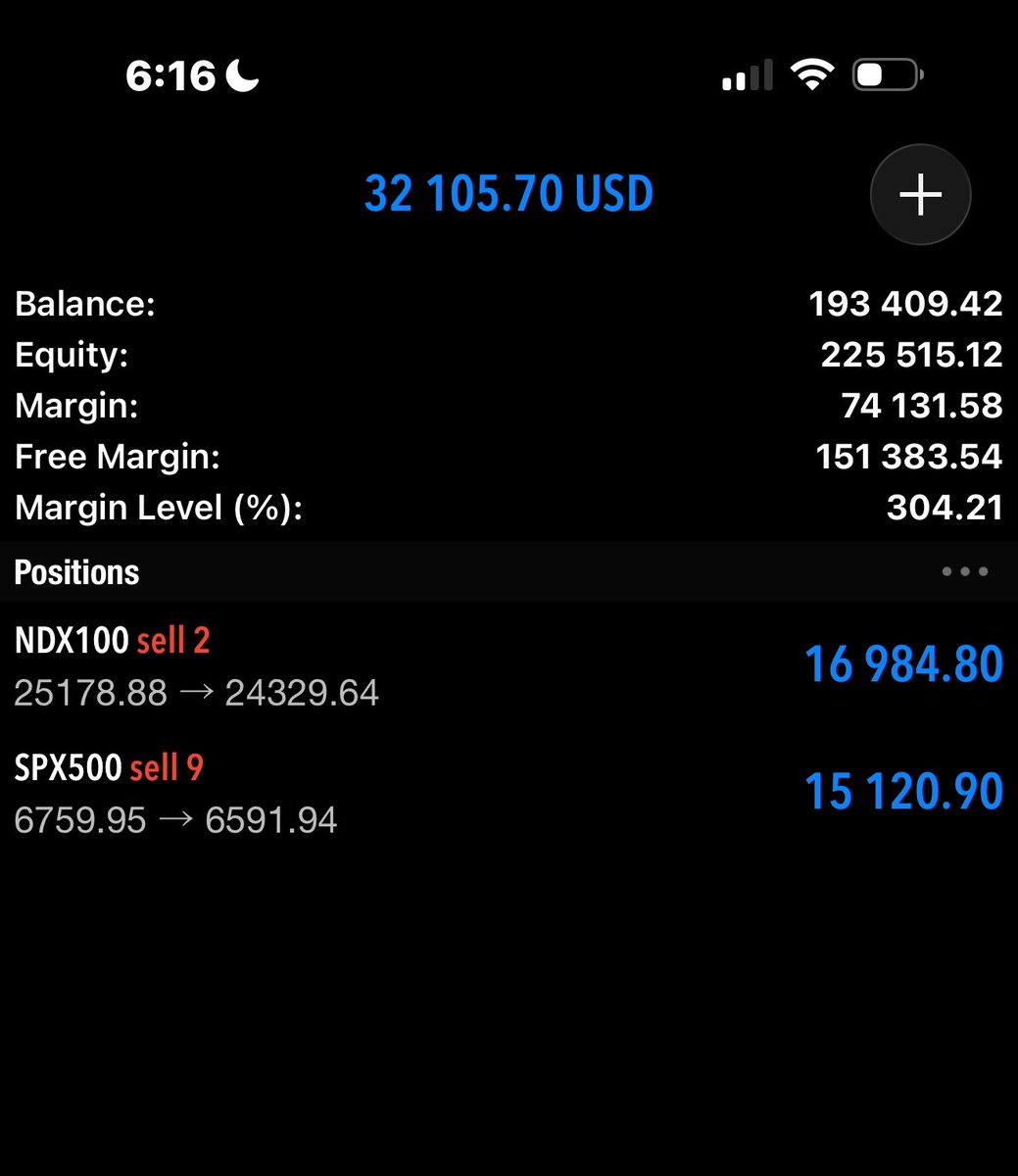
I took it from 7% down to 13% profit ($225,000) in just a few trades.
Here’s exactly what I did, and how you can realistically climb out of a drawdown without revenge trading your way into a blown account.
Read till the end. 👇
With the current market conditions, drawdowns are everywhere on the timeline right now. Even consistently profitable traders are getting hit. I’ve been there too.
Here’s how to recover from drawdowns realistically, not the “just stay disciplined” motivational nonsense.
I’m talking about the actual things that stop you from turning a -5% drawdown into a blown account.
1. Cut your risk immediately.
If you normally risk 1%, drop to 0.25–0.5%.
Why?
Because when confidence is damaged, execution usually gets worse too.
You don’t recover from drawdowns by swinging harder.
You recover by surviving long enough to regain consistency.
My standard risk across all my accounts is 1%. The moment I hit a drawdown above 2%, I immediately cut risk to 0.5% and stay there until I’m back at breakeven.
That one rule alone has helped me trade my $300,000 FundedNext account for over a year and my $400,000 FTMO accounts for 3 months + without a breach or blown account.
Your first priority in a drawdown is survival. Profits come after.
2. Find out what actually caused the drawdown and be brutally honest.
Was it:
• Overtrading?
• Revenge trading?
• Ignoring bias changes?
• Poor entries?
• Trading while emotional?
• Breaking your model?
• FOMO?
Most drawdowns are psychological before they’re technical and sometimes your strategy isn’t the issue, you are.
A profitable system traded by an impatient trader becomes unprofitable very quickly.
You can’t out-trade poor emotional control.
3. Go back to your A+ setups only.
In recovery mode, stop taking mediocre trades. No “maybe” setups, no boredom trades, no random pair hopping, only what has historically worked best for you.
If it’s not an A+, it’s a no.
4. Eliminate the urgency to recover your account in 24 hours.
That urgency creates bad decisions.
A healthy recovery can take 2-4 trades depending on RR. It can take weeks sometimes.
That’s normal.
5. Protecting capital matters more than recovering ego because the market doesn’t care that you “need” the money back.
Trade what’s there, not what you wish was there. Chasing recovery is how a 7% drawdown becomes a blown account.
Survive first. Everything else follows.
Also for my crypto traders, if you’ve been eating heavy spreads trying to trade crypto on forex prop firms, there’s a better option.
Crypto Funded Trader is the first prop firm built specifically for crypto traders. The account types, trading conditions, everything was designed with crypto in mind.
I’ve used it personally. The difference is noticeable. If you’ve been looking to get into prop trading with crypto, this is where I’d start.
Follow me, @Starr_gael, and turn on post notifications to stay updated and be the first to see whenever I make a post.
You’ll find trade documentaries, breakdowns, insights, results and my personal thoughts on my WhatsApp. Click the link below to connect.👇
https://t.co/HOc1mv5KrZ
This is why trading changes people psychologically.
It forces confrontation with:
ego
discipline
emotional instability
uncertainty
self-control
Most people think they’re learning markets.
Eventually they realize: the market was teaching them about themselves.
This is why trading changes people psychologically.
It forces confrontation with:
ego
discipline
emotional instability
uncertainty
self-control
Most people think they’re learning markets.
Eventually they realize: the market was teaching them about themselves.
The market quietly studies traders too.
It watches:
impatience
desperation
ego
fear
emotional inconsistency
And it exploits predictable behavior with brutal efficiency.
The market quietly studies traders too.
It watches:
impatience
desperation
ego
fear
emotional inconsistency
And it exploits predictable behavior with brutal efficiency.
Some traders are not losing because they lack strategy.
They’re losing because trading became emotionally personal.
Every loss feels like failure.
Every missed trade feels painful.
Every win feels necessary.
That emotional attachment distorts decision making.
Some traders are not losing because they lack strategy.
They’re losing because trading became emotionally personal.
Every loss feels like failure.
Every missed trade feels painful.
Every win feels necessary.
That emotional attachment distorts decision making.
The hardest skill in trading is not prediction.
It’s emotional neutrality.
The ability to:
watch price move without you
lose without spiraling
wait without forcing entries
remain patient while uncertain
Very few people can do this consistently.
The hardest skill in trading is not prediction.
It’s emotional neutrality.
The ability to:
watch price move without you
lose without spiraling
wait without forcing entries
remain patient while uncertain
Very few people can do this consistently.
Liquidity often sits exactly where emotional behavior becomes obvious.
Eventually trading stops being about charts.
It becomes about:
emotional control
patience under uncertainty
recovery after losses
resisting emotional urgency
That’s the real game.
Liquidity often sits exactly where emotional behavior becomes obvious.
Eventually trading stops being about charts.
It becomes about:
emotional control
patience under uncertainty
recovery after losses
resisting emotional urgency
That’s the real game.
Sometimes it looks calm.
Logical.
Even intelligent.
That’s why it’s dangerous.
The emotional need to recover often disguises itself as “good analysis.”
The market is deeply connected to human emotion.
Price moves where emotions become predictable.
Fear. Greed. Panic. Impatience.
Sometimes it looks calm.
Logical.
Even intelligent.
That’s why it’s dangerous.
The emotional need to recover often disguises itself as “good analysis.”
The market is deeply connected to human emotion.
Price moves where emotions become predictable.
Fear. Greed. Panic. Impatience.
Not because of greed alone.
But because certainty begins replacing caution.
You stop observing the market carefully…
and start expecting it to obey your bias.
That’s when emotional blindness begins.
Most traders think revenge trading looks aggressive.
Usually it doesn’t.....
Not because of greed alone.
But because certainty begins replacing caution.
You stop observing the market carefully…
and start expecting it to obey your bias.
That’s when emotional blindness begins.
Most traders think revenge trading looks aggressive.
Usually it doesn’t.....
Not through one huge loss.
But through:
hesitation
impatience
overconfidence
revenge
emotional exhaustion
Small fractures in discipline.
Repeated daily.
One of the most dangerous moments in trading is after a winning streak
Not through one huge loss.
But through:
hesitation
impatience
overconfidence
revenge
emotional exhaustion
Small fractures in discipline.
Repeated daily.
One of the most dangerous moments in trading is after a winning streak
That contradiction destroys many traders mentally......
The beginner loses and blames the strategy.
The experienced trader loses and begins questioning themselves.
That’s a different type of pain.
The market has a way of exposing emotional weakness quietly.
That contradiction destroys many traders mentally......
The beginner loses and blames the strategy.
The experienced trader loses and begins questioning themselves.
That’s a different type of pain.
The market has a way of exposing emotional weakness quietly.
So you study harder.
More strategies. More concepts. More confirmations.
But something strange happens.
The more knowledge you gain…
…the more psychological pressure you feel.
Because now you can SEE opportunities…
but still struggle to execute correctly.
So you study harder.
More strategies. More concepts. More confirmations.
But something strange happens.
The more knowledge you gain…
…the more psychological pressure you feel.
Because now you can SEE opportunities…
but still struggle to execute correctly.
WHY THE MARKET BREAKS PEOPLE BEFORE IT PAYS THEM
Most people enter trading thinking the challenge is technical.
It isn’t.
The market usually attacks the mind first.
At first, trading feels exciting.
Charts. Setups. Possibility.
You think:
“If I learn enough, I’ll win.”
WHY THE MARKET BREAKS PEOPLE BEFORE IT PAYS THEM
Most people enter trading thinking the challenge is technical.
It isn’t.
The market usually attacks the mind first.
At first, trading feels exciting.
Charts. Setups. Possibility.
You think:
“If I learn enough, I’ll win.”