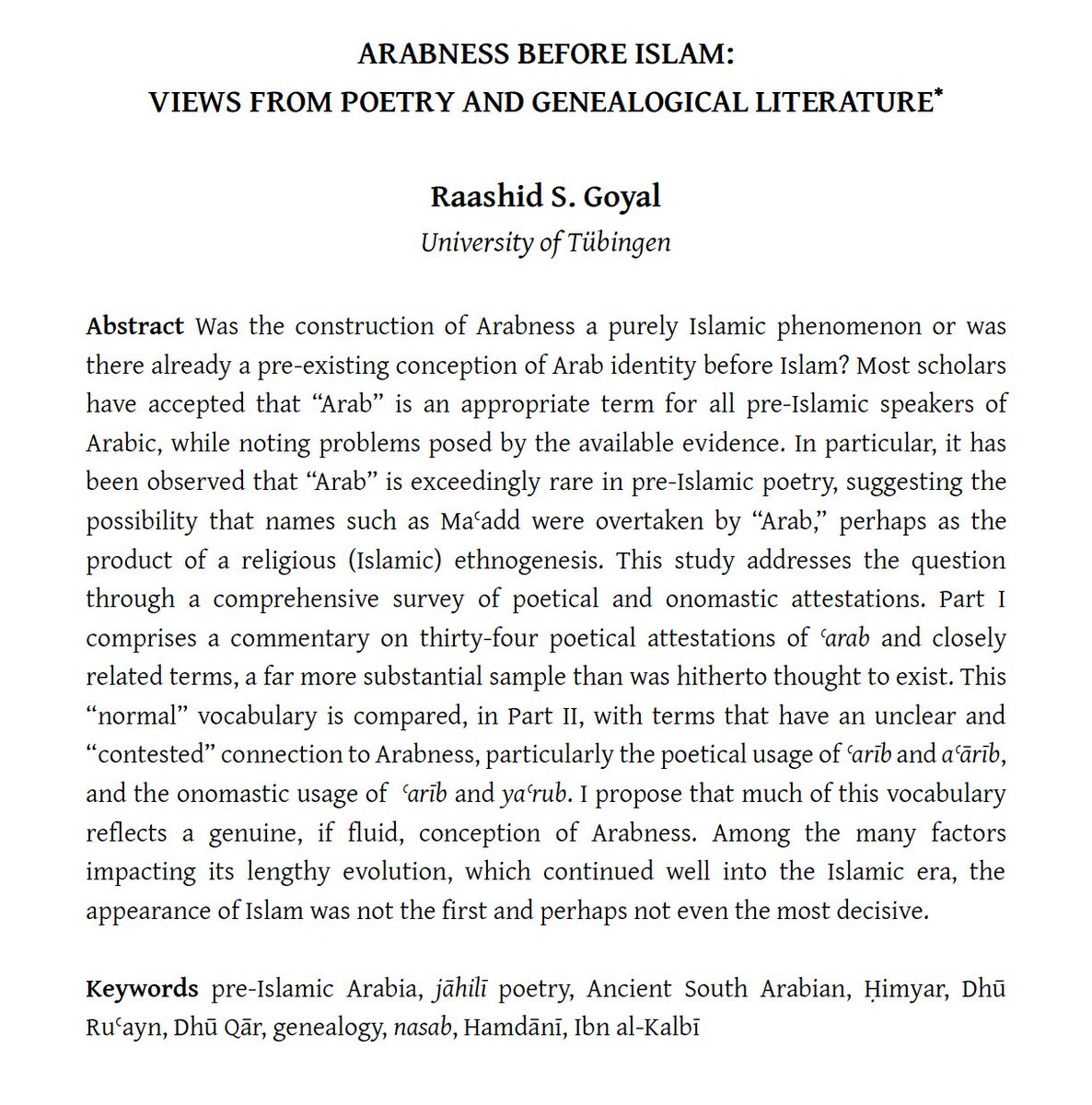
@lefineder The letter undoubtedly mentions the celebration of something akin to Passover, but its fragmentary nature has given rise to interesting debates about its precise meanings. A helpful summary is provided here: https://t.co/4oLzYJlS7p
Anyone looking for some last minute Passover reading, check out my article on the odd Aramaic opening "invitation" of the Haggadah:
https://t.co/OWzYY4dI0i
For anyone interested, a historiographic retrospective on the state of the historical study of the Babylonian Talmud, @ancientjew :
https://t.co/FdJGVO5JOe
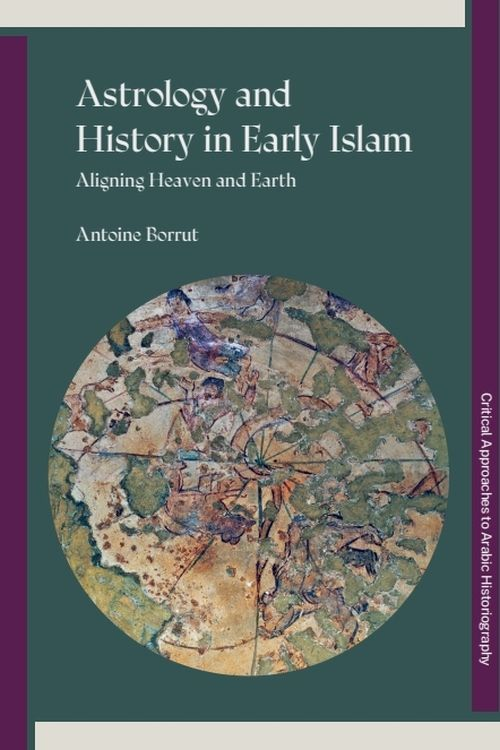
The first book in our new @EdinburghUP series "Critical Approaches to Arabic Historiography" is published next month! Congratulations Prof. Borrut!
https://t.co/CJJDU08l3A
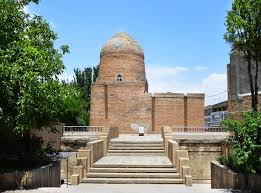
The recent tragic news about the arson attack on the shrine of Mordechai and Esther in Hamadan, Iran, is a good occasion to reflect on the history of this site, a window into Jewish-Iranian identity through the ages. A thread. 1/23
https://t.co/LMWsZPiEGd
Great episode of Byzantium & Friends w/Aaron Butts!
While centering on Aksum, it engages key questions in the study of ancient empires, such as how to historicize religious imagery in imperial self-presentation, & the proxy war model (e.g. Bowersock)
https://t.co/Of1NiUghFn
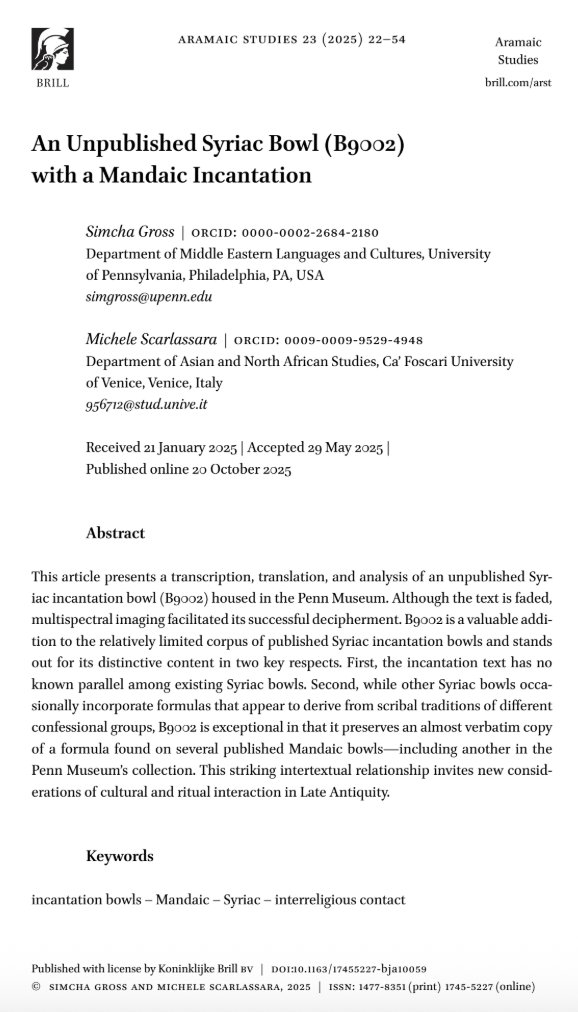
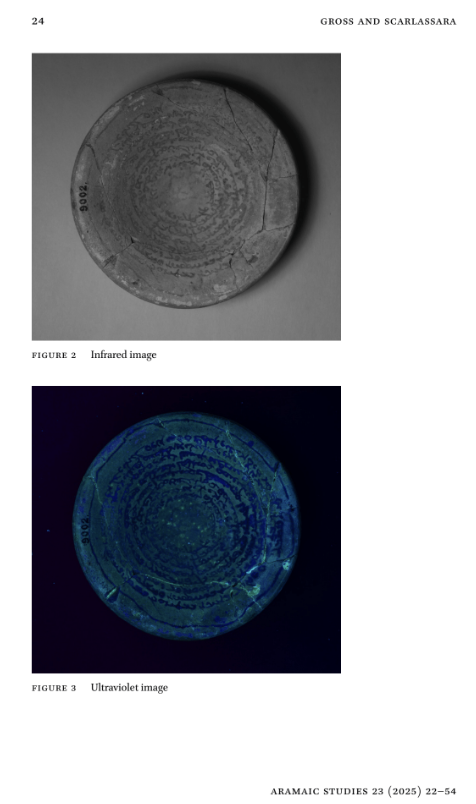
A 2nd article is out today, w/Michele Scarlassara!
We present a previously unpublished Syriac incantation bowl from the Penn Museum, w/a formula paralleling several Mandaic bowls, w/intriguing social-historical implications
This is the 1st bowl published using spectral imaging!
My article “Does an Arrow a Day Keep Satan Away? Late Antique Magical Subtexts in Babylonian Rabbinic Narratives” is now OA in HTR!
It argues that a Talmudic story about a rabbi’s encounter with Satan adjudicates between competing incantations in late antique Iraq
Great images!
New pod! Matthew D. C. Larson and Mark Letteney on Ancient Mediterranean Incarceration
You can now subscribe to the show too.
Apple: https://t.co/ENQiCsepM1
Spotify: https://t.co/4S9X0qrcuF
Why do Jews cover their heads?
In JQR 115.3, @Simcha_Gross looks at norms of Jewish male head covering as a proxy for cultural assimilation and difference in rabbinic Rome and Sasania.
Learn more on the blog and read his essay FREE thru September 5!
https://t.co/0xti5hTXF0
Excited to share the article that @MinasMonier and I wrote on the Introduction to the Gospels by ibn al-Assal and its Arabic and Ethiopic traditions 🤩
https://t.co/j1DNFcpVyn
@shahanSean Would love a post spelling out your disagreements, & in general, your take on the whole "Quran is a levantine product" trend. As an outsider, I find the revisionism quite puzzling, & a throwback to Hagarism & related works of the 70s, but would appreciate your sober expert take!
And for the most recent research on Ashkenazi DNA, see the recently published https://t.co/649AabYSeL.
For a study of the politics and preconceptions driving the question of Jewish origins and genetics more broadly, see Steven Weitzman's book here https://t.co/L5LvQ1nkIu
For anyone actually interested in the question of the conversion of the Khazars, there is more recent and methodologically sound research on the subject by Shaul Stampfer:
Read his lengthy article here: https://t.co/dz67gTeQRr
Or watch him here: https://t.co/81QyELLvSW
Abraham Pollak was an Israeli historian and founder of the department of Middle Eastern history at Tel Aviv University. He was awarded the “Prize for Jewish thought” in 1943 for researching and determining that modern Jews are actually Khazars who mass converted to Judaism.