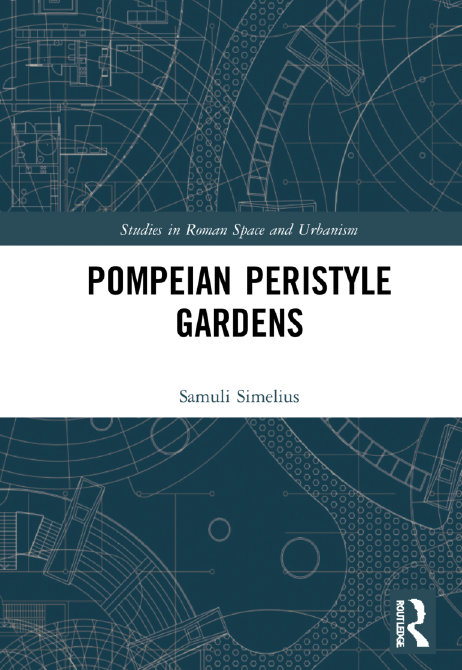
The book is published!🥳
As the name clearly indicates, it is about Pompeian peristyle gardens. The book focuses mainly on their use as a means of socioeconomic representation, but obviously the discussion goes beyond that. Here is a short conclusion of the chapters. 1/x🧵
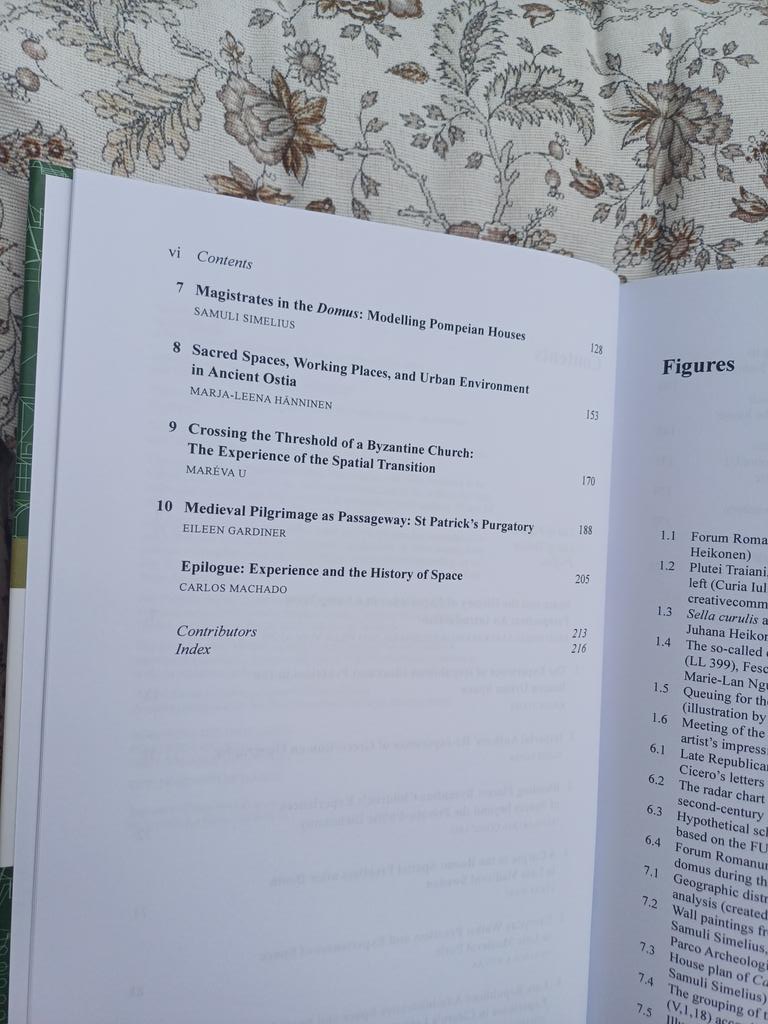
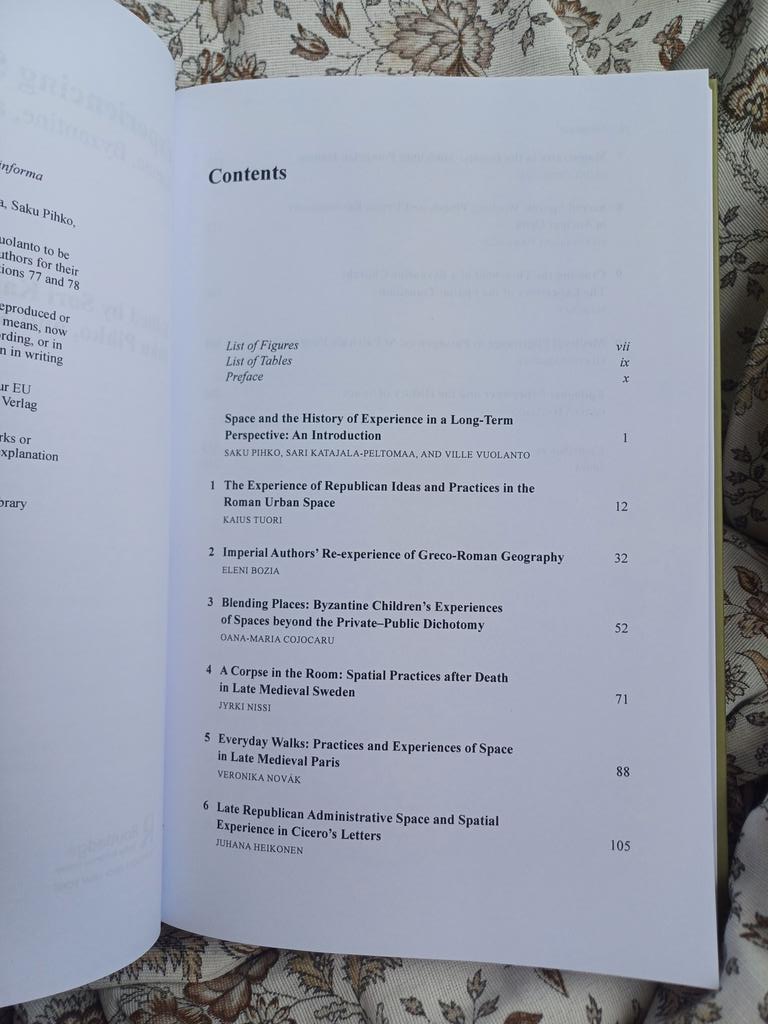
Got a new book!
Many interesting chapters on experiencing space in the past, including chapters dealing with Roman administration and republicanism - one of them mine.
New article: "Reframing Pompeii: Population Debates and Inequality beyond Conventional Models,” Arctos 59, 2026.
There is some critique, but also new results - for example, Gini estimates of Pompeii's income inequality. 1/3
However, I think the main point is that, because the data are uncertain, we should be careful not to make them appear too "rational," especially when studying issues such as inequality, where the extremes are particularly important. 2/3
Found some time to write a short blog post about Liisa Jalkanen's and my article "Feelings and the Roman house: A sentiment analysis of Pompeian graffiti"
https://t.co/BnGp2FrPw4
Una scoperta destinata a entrare nei libri di storia: a Fano è stata identificata con certezza la Basilica descritta da Vitruvio nel De Architectura, l’unico edificio attribuibile senza dubbi al grande architetto romano.
🔗 https://t.co/jd9Mwehiyw