Today is World Fish Migration Day 2026. To mark this day, I want to highlight the extraordinary migration and challenges facing the European Eel (Anguilla anguilla).
This video shows juvenile eels (elvers) attempting to migrate upstream at Ennistymon Falls on the River Inagh, Co. Clare. These falls are natural but have also been modified for hydroelectricity generation. Very few of these elvers make it to the top. Eels migrate thousands of kilometres across the Atlantic Ocean, only to encounter migration barriers almost immediately upon entering the lower reaches of most Irish rivers.
The European Eel is now classified as Critically Endangered. Despite this, very little has been done in Ireland to facilitate eel migration, and we are still waiting for the first functional elver pass to be installed on an Irish river.
Migration barriers, hydropower infrastructure, habitat loss, declining water quality, pollution, and climate change are all contributing to the collapse of eel populations across Europe.
World Fish Migration Day highlights not only the importance of reconnecting rivers for migratory fish, but also the deep historical and cultural connections between people, rivers, and fisheries.
Ireland banned traditional commercial eel fishing in 2009. However, traditional eel fishing was never the primary cause of the collapse and, when properly managed, could potentially form part of a sustainable future for the species. Historically, fishermen often rescued elvers trapped below these falls. Eel fishing also represented an important part of Ireland’s cultural and fishing heritage, connecting local communities with rivers, estuaries, and wetlands for generations.
European Eels remain locally abundant in some areas, and we can still do far more to help them. With proper fish passage, habitat restoration, improved water quality, and targeted conservation measures, we can help this remarkable species recover while also restoring part of our lost aquatic heritage.
Severn Eels
1/5
The annual glass eel migration is underway on the River Severn.
Around 100 million critically endangered baby eels are fighting their way upstream right now.
#EuropeanEel#RiverSevern#EelCrisis
See, one China trawler can strip more fish in weeks than local fleets catch in months
Now picture 10,000 of them, nonstop, year-round, ignoring recovery cycles and crowding waters near places like the Galápagos Islands
This is eco-terrorism. And we’re still too quiet about it
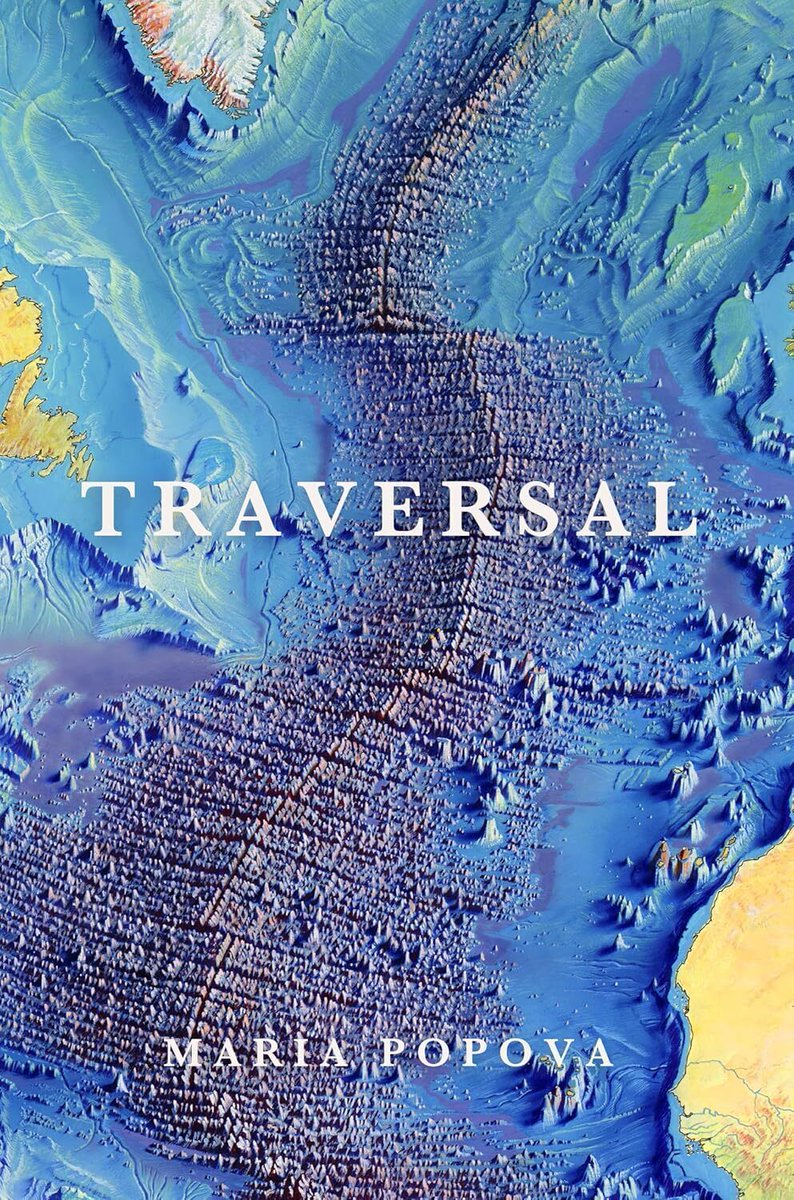
Out today, 7 years in the making — a reckoning with what makes a body a person, what makes a planet a world, and what gives meaning to our tender, transient lives: https://t.co/4MXAUPiyB9
Chicken shit is a big deal, it needs to be dealt with properly not just dumped onto the land and allowed to seep into waterways.
The proposed chicken farm on this site will produce effluent each year equivalent to 12 thousand people. With no sewage treatment system, that will all find its way into the loch and the nearby sea shore.
If someone proposed building a town for 12k people with no sewage system we’d think it madness - we need to see factory farms this way - coz that’s the hidden impact they bring.
https://t.co/oATxbdOedM
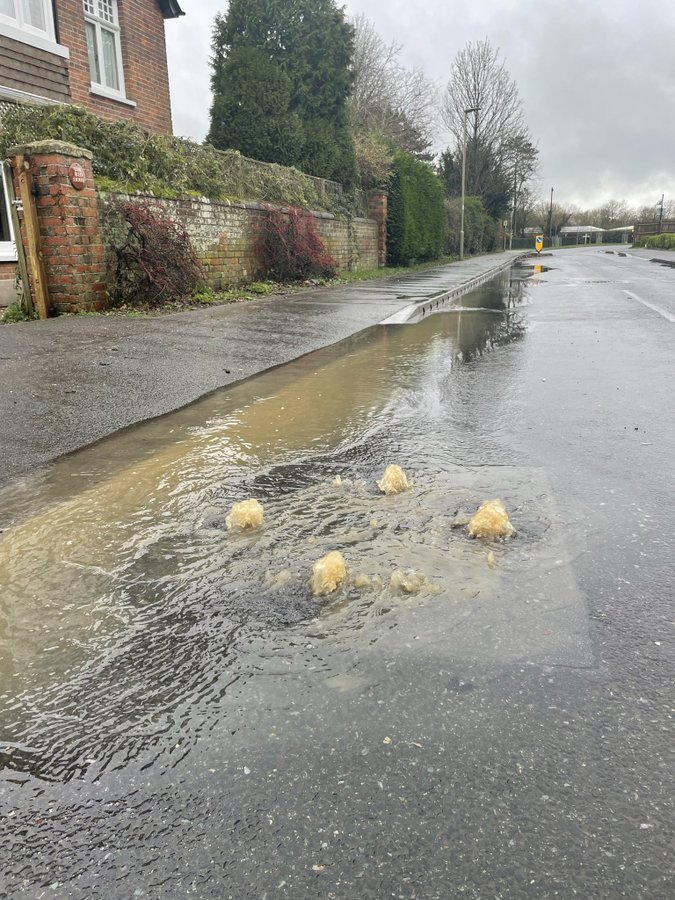
Thames Water's reply to a customer @robJGray82 about sewage spewing into the street. "Hydraulic overload", they say.
That of course translates as we spanked all the money we should have invested in the sewage system, paid it all to shareholders and managers, inflated salaries, bonuses etc and that's why the company is now £20 billion in debt which you'll have to pay for, again.
"Hydraulic overload". Really!
🔴NEW: We reveal behind-the-scenes lobbying over the controversial Coul Links golf plan — backed by two US businessmen.
The project was rejected in 2020 over environmental fears. But now transparency concerns are mounting over a revived bid 👉 https://t.co/plK0DO7FFb
Coral reef ecosystems are in decline and indeed, have been assessed to have passed their Tipping Point. A new study used 7,000 year old fossil evidence to track changes in the food webs of Caribbean reefs.
Fossilised otoliths (tiny ear bones from reef fish) and corals from 7,000 year old remains have been analysed with new protein nitrogen isotope analysis and compared to modern examples. From the analysis, the team were able to determine their trophic position (place on the food chain), charting changes since the pristine past.
They found that fish higher in the food chain are now feeding on lower level prey, while lower level fish are now feeding higher or unchanged. Taken together this indicates that the modern food chains are 60-70% shorter than in pre-historic reefs. They also noted a significant reduction in dietary variation, with 20-70% lower trophic range. This shows less dietary specialisation in modern reefs linked to less food web complexity.
This simplification of the food web results in an increased fragility of the ecosystem as a whole. It is a similar process to mesh network systems, when the number of nodes are reduced and the net simplified, it is more prone to failures and collapse.
In addition to increasing heat stresses which cause highly visible bleaching and mass mortality events, these results highlight a less visible, but just as critical decline in the coral reef ecosystem’s health.
Coral reefs provide habitat for 25% of marine species as well as providing storm protection and nutrition for 13% of the global human population. Caribbean stony coral coverage has declined by 50% since the 1970s.
https://t.co/04ybDoRM2Z
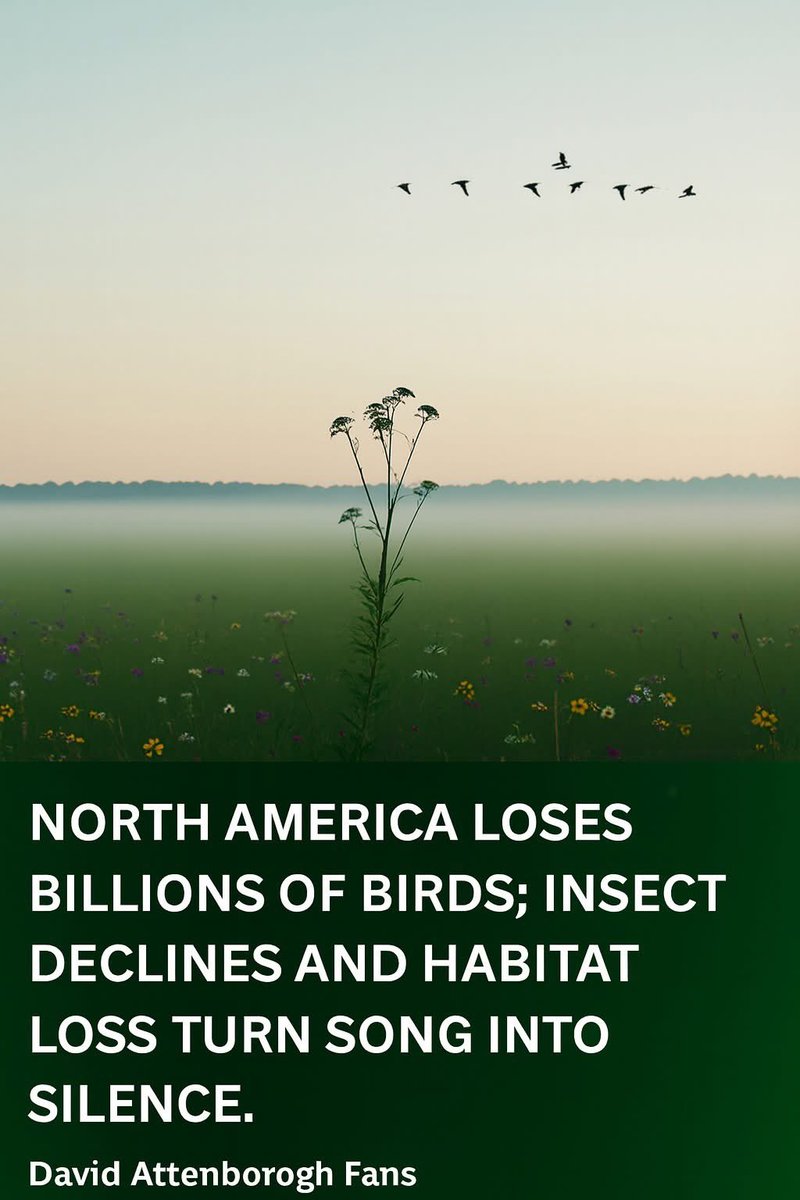
The skies over North America are getting quieter.
Data from long-term surveys show almost 3 billion birds have disappeared since 1970.
One warning sign sits lower in the food web. Insects are falling in many places, and some monitoring shows steep drops, including a 27-year study in protected areas reporting large losses in flying insect biomass.
Birds that rely on insects feel this fast. Less insect food means harder breeding seasons and fewer young surviving. The link is strong, even if it does not prove one single cause.
If this trend continues, the loss spreads beyond birds. It hits pollination, pest control, and the stability of ecosystems people depend on
Following a farmed salmon escape in Iceland, frogmen were paid by Mowi to catch them.
Escape events are heavily fined. Genetic introgression is taken seriously.
In Scotland, @scotgov gives the salmon farmers taxpayers cash to subsidise profit loss.
https://t.co/gJqNK1cZii
A Canadian firm is applying for a licence to strip vast quantities of seaweed from the west of Irelands coastline.
As an interesting aside, this is banned in Canada, the country with the world’s largest coastline, for environmental reasons.
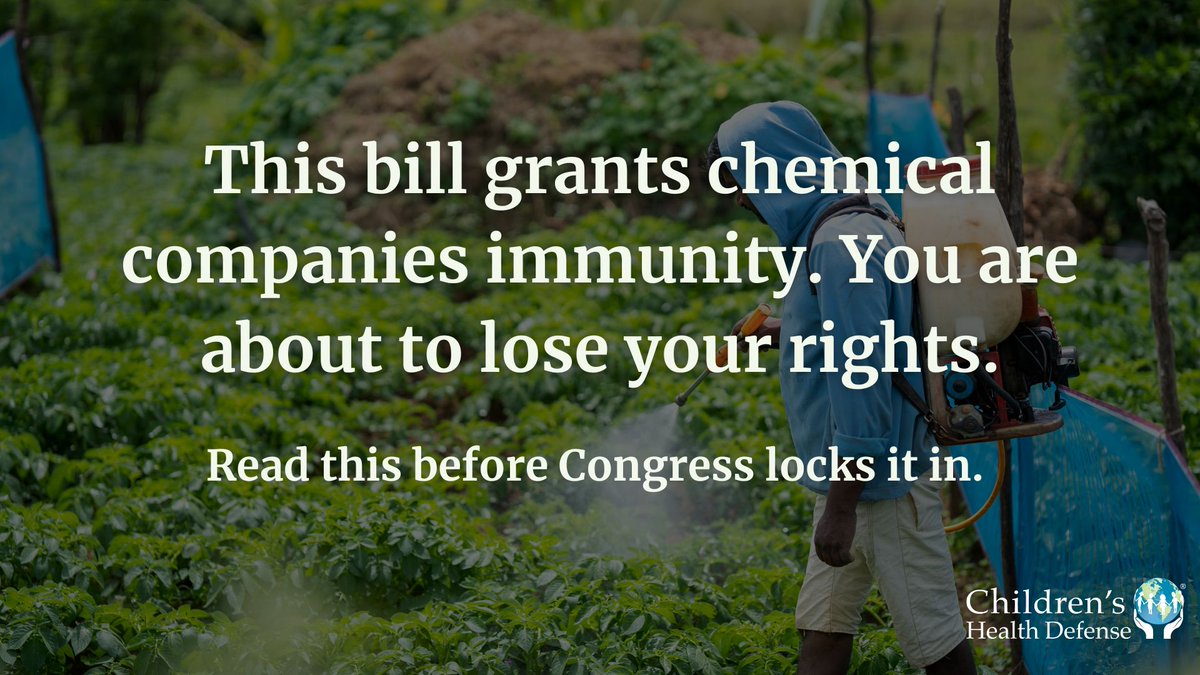
🚨URGENT: Congress is about to wipe out your right to sue pesticide companies, quietly, tucked in a new spending bill.
Section 453 blocks updated health warnings and gives chemical manufacturers immunity even when people are harmed.
Cancer. Parkinson’s. Infertility.
57,000+ products. Zero accountability.
This must be pulled NOW before it reaches the floor.
After 5 years of sample collection and analysis our paper examining the impacts of an industrial #DeepSea mining trial on seafloor #biodiversity is published! Read here: https://t.co/RfOnBdGAmo