@lukekabbash It's a good read. In practice it's worked for almost everyone I've had test it across PMs, designers and engineers. It's loose enough that you apply your own work methodology and personality but rigid enough that it stops the agent from making stupid mistakes.
I’ve been saying this since the beginning, glad we’re all finally seeing sense. Foundry is based on single agent architecture with one additional independent grader. Works like a charm, every, damn, time.
https://t.co/iPBsRgZsCf
Anthropic is now recommending that companies REMOVE unnecessary subagents from their AI systems.
This is a pretty significant shift in agent architecture, with their team finding that a single agent equipped with skills can frequently outperform complex multi-agent systems, and one customer seeing roughly 2x faster execution.
The emerging rules of thumb:
→ Skills: Teach the agent HOW to do something, including procedures, expertise, and instructions.
→ Tools / MCP: Give the agent the ability to DO things through APIs, actions, and live data.
→ Subagents: Use for parallel work, isolated context, or tasks a single agent struggles with.
The interesting part is progressive disclosure. Instead of spawning specialized agents or stuffing everything into a giant prompt, one agent discovers and loads skills and tools as needed.
Their advice is to fold existing subagents into the main loop, turn their instructions into skills, expose their actions as tools, and run evals to see if performance holds up.
As models have gotten smarter, improving agent architecture is becoming less about what you can add and more about what you can delete.
https://t.co/DNq60Skkmc
@wwwjim I’d like to help designers see this an opportunity and not a threat. At the same time, tempering their worst instincts. You can’t put design process into autopilot and expect results that endure.
One of the best articulations I’ve read. Real talent lies in the soul, not the shell:
“Some will mistake the satisfaction of building something for the achievement of creating something genuinely good.”
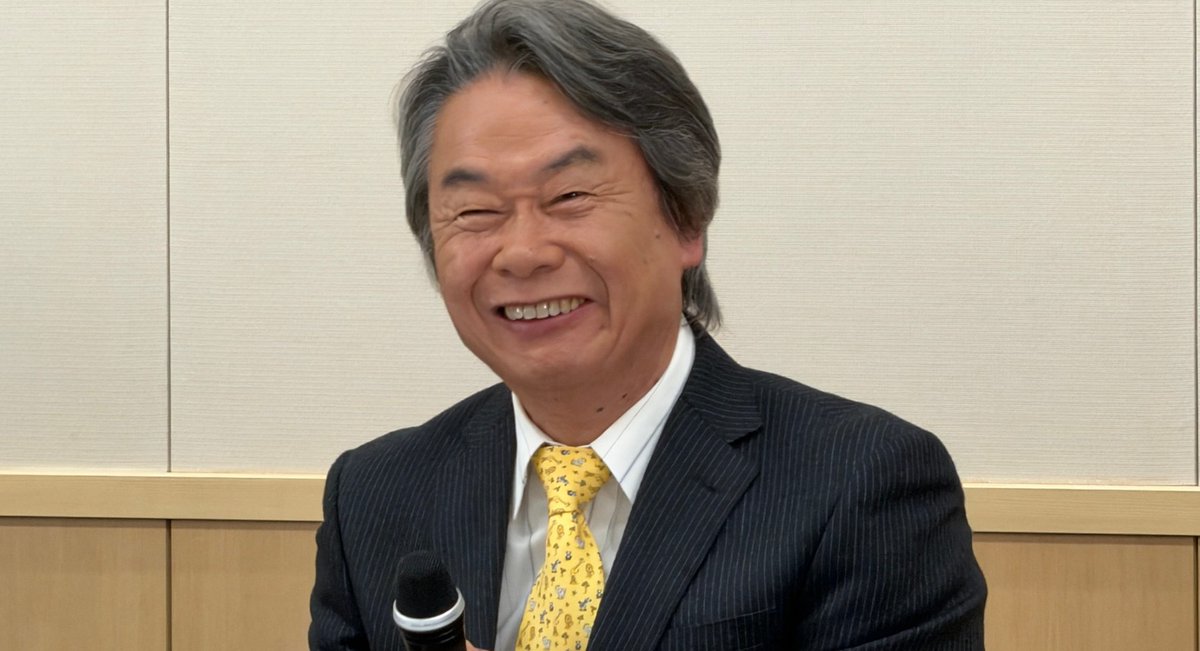
Nintendo’s Shigeru Miyamoto, the acclaimed designer behind Super Mario and Zelda, has explained why he believes generative AI won’t make human creativity obsolete.
"There will always be a role left for us to play."
https://t.co/ZN4m5aNc0r
I’ve joined @trybasis to grow the Labs team alongside @mitch_troy, @falcone_design, and @simoncorry, where we're exploring what emerging technologies could become and how they might change the way we work, make, and live.
@theasianchris1 They only just walked in the room, give the poor guys a second to find their seats. In the meantime please enjoy our original programming content at @DoubleDiamondHQ.
@wwwjim We waited far too long for JRPGs to make a splash in the West. When they finally did arrive we got lumped with the action hero style box art instead of the incredible Japanese illustrations.
.@scspeier, Head of Design at @perplexity_ai, shares how his team uses their own product to build tools for themselves and shape new capabilities for Computer.
00:00 How Perplexity's design team works
02:11 Why designers are spending more time building
06:41 Why designers should make their own tools
08:17 Turning a marketing request into a self-serve design tool
11:38 When an internal tool becomes a product opportunity
13:01 A look at the tools Perplexity's designers use internally
21:25 How design tools influence the way a brand looks
24:39 How to get your team started building its own tools
26:28 Balancing self-serve design tools with brand quality