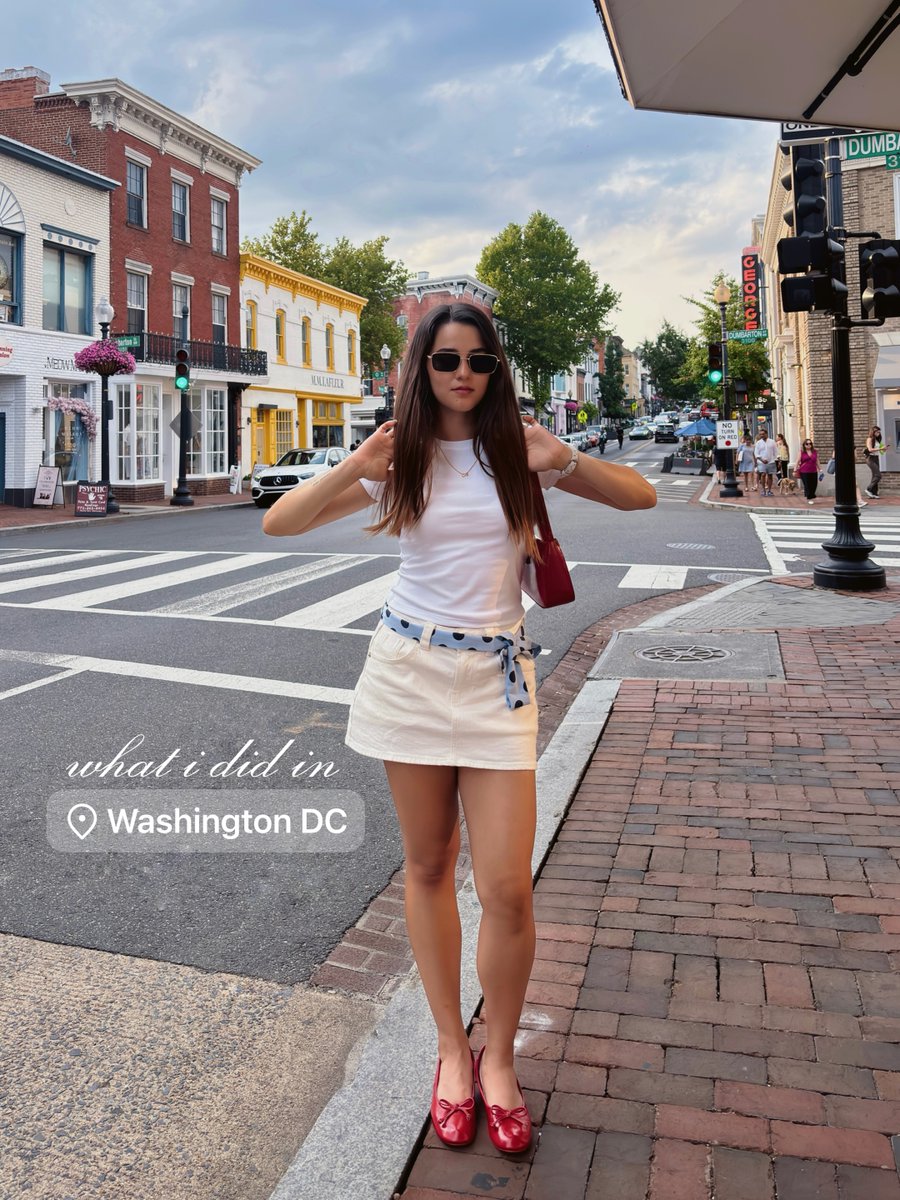
Lo que hicimos en Washington DC: icónico. Georgetown fue mi lugar favorito; ahí me chulearon los flats y el cinturón. No podíamos creer que hubiera Nando’s en EE. UU. 7 maletas: 2 mías y 5 de Tom, llenas de cosas mías. 500 dólares no son 500 pesos.
SISTER, SISTER — THE 2026 REMIX! Two personalities, one unbreakable bond. Angel brings the sass, Arii brings the class, and Roger still refuses to go home. 90s fashion, sisterly love, and zero patience left.
Identity tied to real-world spatial context could make digital interactions feel far more grounded, provided users retain clear control over their data
What if your identity on the next AI-powered network was more than just a profile picture ?
Vangrid Agents introduces an intriguing new layer to the vision behind @vangrid_io
Vangrid is building a decentralized spatial data network that connects real world captures with the growing demand for Physical AI, robotics, and autonomous systems.
Why does identity matter?
As decentralized networks expand, identity can become a way to represent participation and establish a recognizable presence within an ecosystem.
From digital identity to physical intelligence
Vangrid’s broader mission is to turn everyday smartphones into a distributed perception network, collecting real world data that can be verified onchain and used to build 3D models.
A new layer for the grid
Vangrid Agents could become an interesting entry point into this ecosystem, connecting digital identity with a network focused on mapping the physical world.
The key question is how these identities will evolve and what utility they may gain as the network grows.
Vangrid Agents are set to reveal on October 30, 2026, on @opensea
The bigger vision is compelling: a decentralized grid where identity, real-world data, and AI infrastructure converge.