Developers & #Cybersecurity teams don't always see eye to eye.
Tom's suggestion is to bring security into the conversation earlier. When developers understand the risks and constraints, they can help find solutions before a last-minute roadblocks.
https://t.co/BXlZPCv2jh
During the FRD modernization project, we spent time understanding how people actually interacted with the application, the data, and each other. That work shaped the requirements uncoverd opportunities that went well beyond redesigning individual screens. https://t.co/n6xbohtNxk
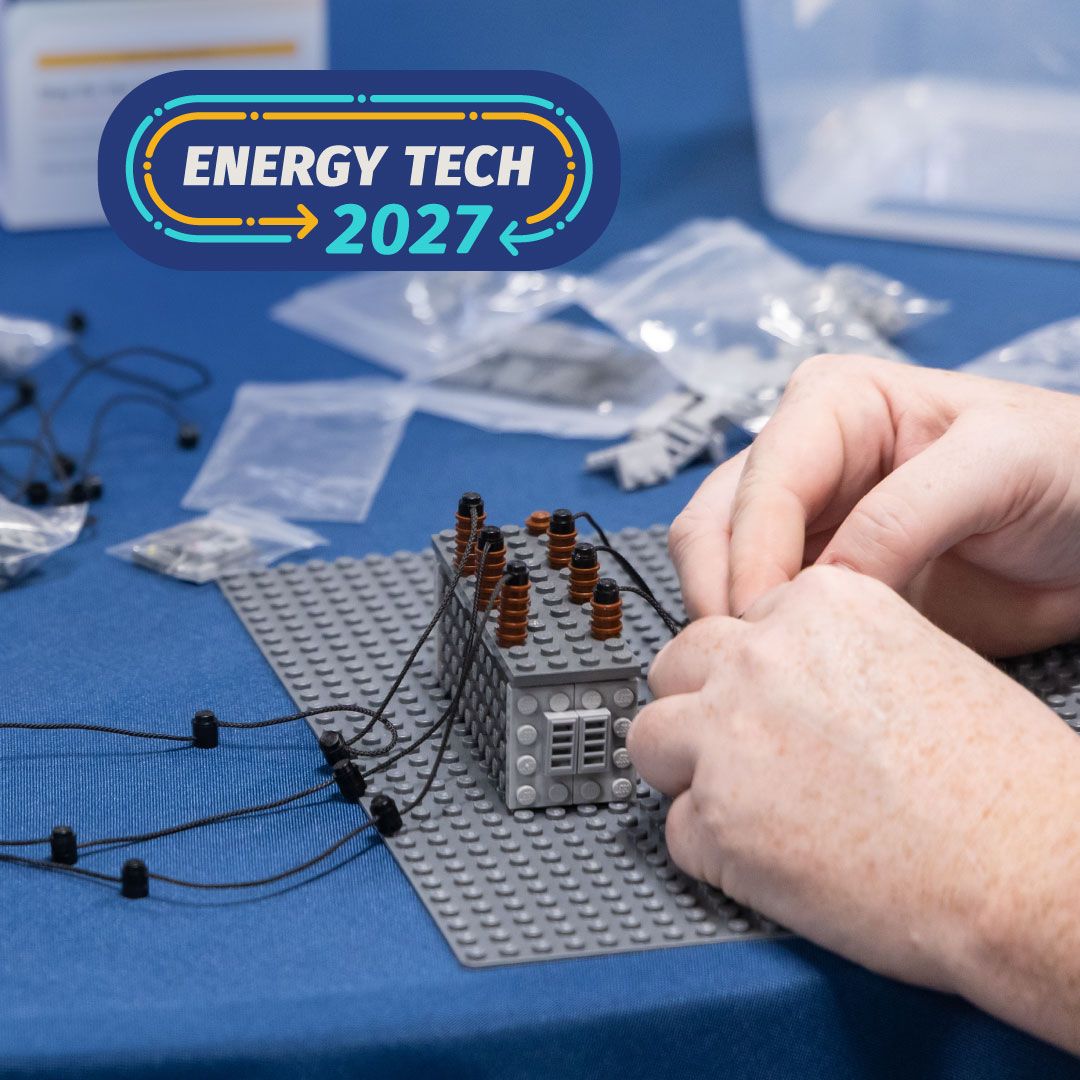
Early bird tickets for Energy Tech are now available.
This year, attendees can also get hands-on with one of the most fun parts of the event: the Grid Builder Lab: The Hands-On Substation Experience.
Grab an early bird ticket and join us. https://t.co/67GqTNeDPF
Utilities have access to more grid measurement data than ever. The challenge is turning it into something engineers can actually use.
Read more about Aion Pulse and the work behind it: https://t.co/wi5C9c9iuR
#GridReliability#UtilityTechnology#PowerSystems
In his latest post, Andrew takes a philosophical detour into what it means to use #AI as a programmer. The central question is an important one: when an AI can draw from an enormous body of human knowledge, where does the programmer’s own reasoning fit?
https://t.co/1iQT54GjKV
FRD is a good example of the kind of utility software modernization we believe in: understand the real work first, then build technology around it.
Read the case study: https://t.co/CUJMZRKoei
#UtilityTechnology#GridModernization#SoftwareDevelopment
Early bird registration is open for Energy Tech 2027. ⚡
Join utility leaders, engineers, technologists, and innovators for a day focused on the challenges the energy industry is working through right now.
https://t.co/67GqTNeDPF
#EnergyInnovation#Utilities
PJM’s #LargeLoads review highlights a growing planning challenge: demand is rising fast, but not every proposed project will arrive on the same timeline, at the same scale, or at all.
Utilities need planning processes that can adapt as assumptions change.
#DataCenters
When a transmission constraint prevents cheaper power from reaching a load center, the local price can rise.
This is where engineering and economics meet.
Read Part 5: Management and Regulation.
https://t.co/15Koip4iiv
A cluster study has to answer: What does this group of projects break, and who pays for each fix?
We wrote about how we built those realities into our cluster study workflow, and why transparency in the assumptions matters as much as the final number.
https://t.co/RSRTTh0iLw
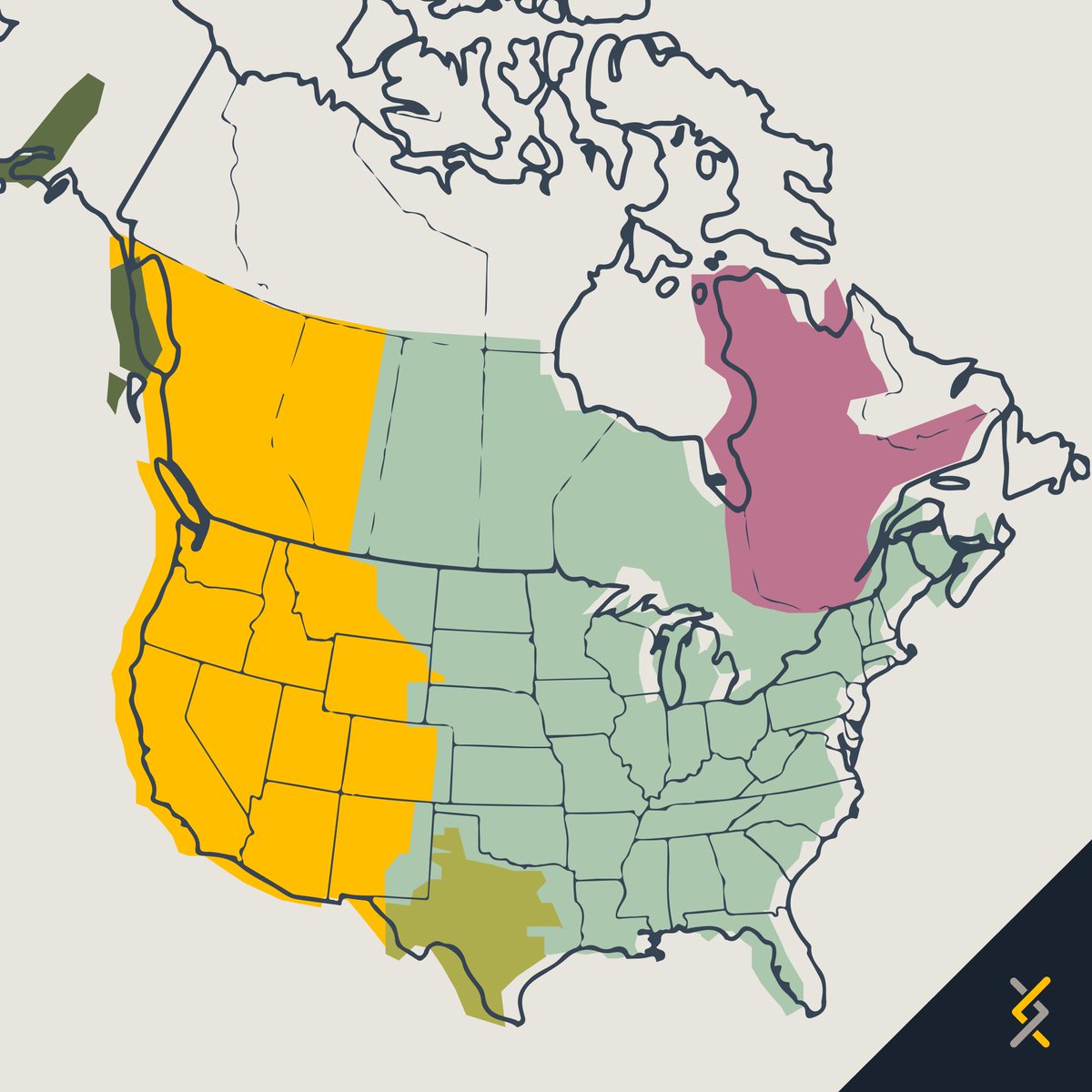
The grid has never been static.
Our A Tale of Two Grids explores how more than a century of engineering decisions created the North American power system we know today.
https://t.co/RzNdRmF05p
#PowerSystems#GridPlanning#Transmission#Energy
What happens when putting your real face and name online starts to feel like a liability?
Austin Carr looks at the return of pseudonyms, the rise of virtual personas, and why Vtubers might be less niche than they seem.
It’s time to become virtual.
https://t.co/ZXPbcKMaNK
In complex utility software, the goal for automation should be to reduce unnecessary effort, catch potential issues earlier, and give people better information when they need to make a decision.
Read more: https://t.co/Dfg79NE56C
#UtilityTechnology#Engineering
The grid is not only an engineering system.
It is also a data system, a market system, a compliance system, and a planning system.
That is what makes utility software so challenging.
Read Part 5 of The Fantastic Machine.
https://t.co/15Koip4iiv
An aging application can make the problem look obvious. The interface is dated. Too much work happens manually.
But rebuilding the same screens with newer technology rarely fixes everything happening underneath them.
Read more: https://t.co/Dfg79NE56C
#UtilityTechnology
Research is only the beginning.
PNNL developed the Generator Scorecard. Simple Thread licensed the technology and is bringing it to market as Aion Pulse, turning proven research into software built for real utility workflows. https://t.co/D3s9Z3koVG
#UtilityTechnology
In our latest post, Chad Langston digs into #Nix Flakes and how they can turn project setup from a long, aging README into a reproducible development environment defined in code.
https://t.co/0OqPwk34AZ
#SoftwareDevelopment#DevOps
Project readiness is becoming part of the interconnection challenge. #ERCOT is issuing verification requests for some Batch Zero #LargeLoads, adding scrutiny to the data, documentation, and coordination needed before projects can move forward. #Interconnection