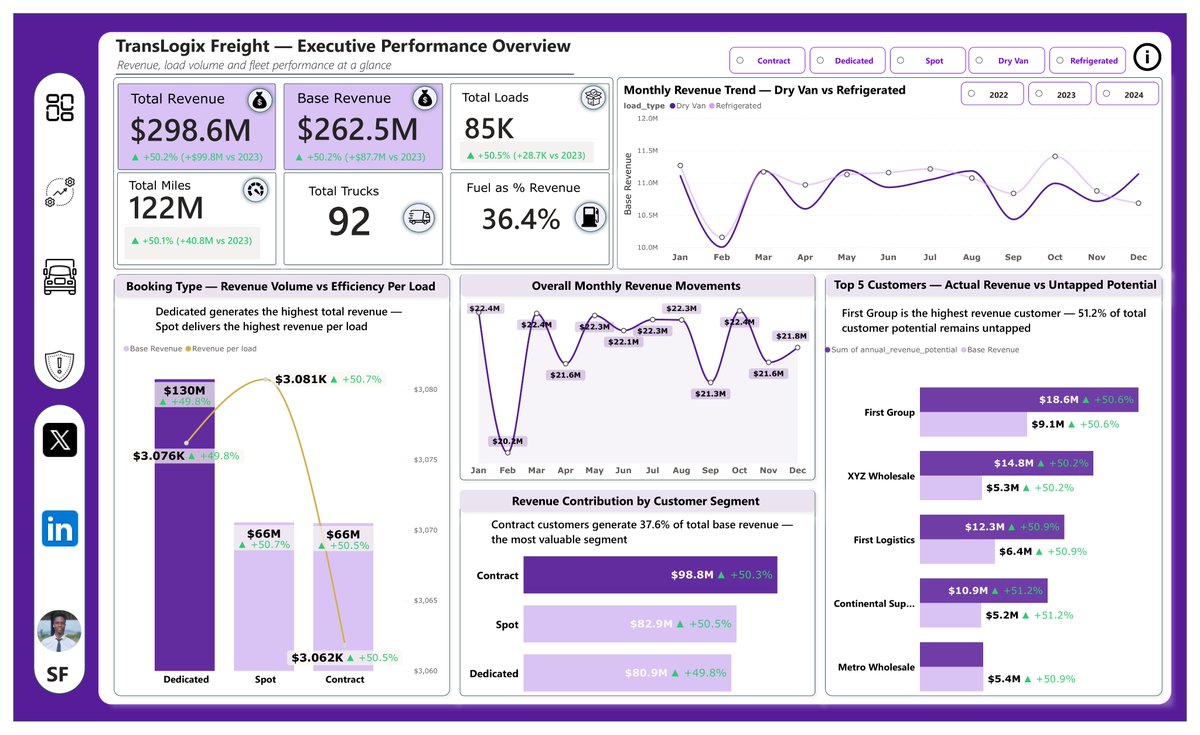
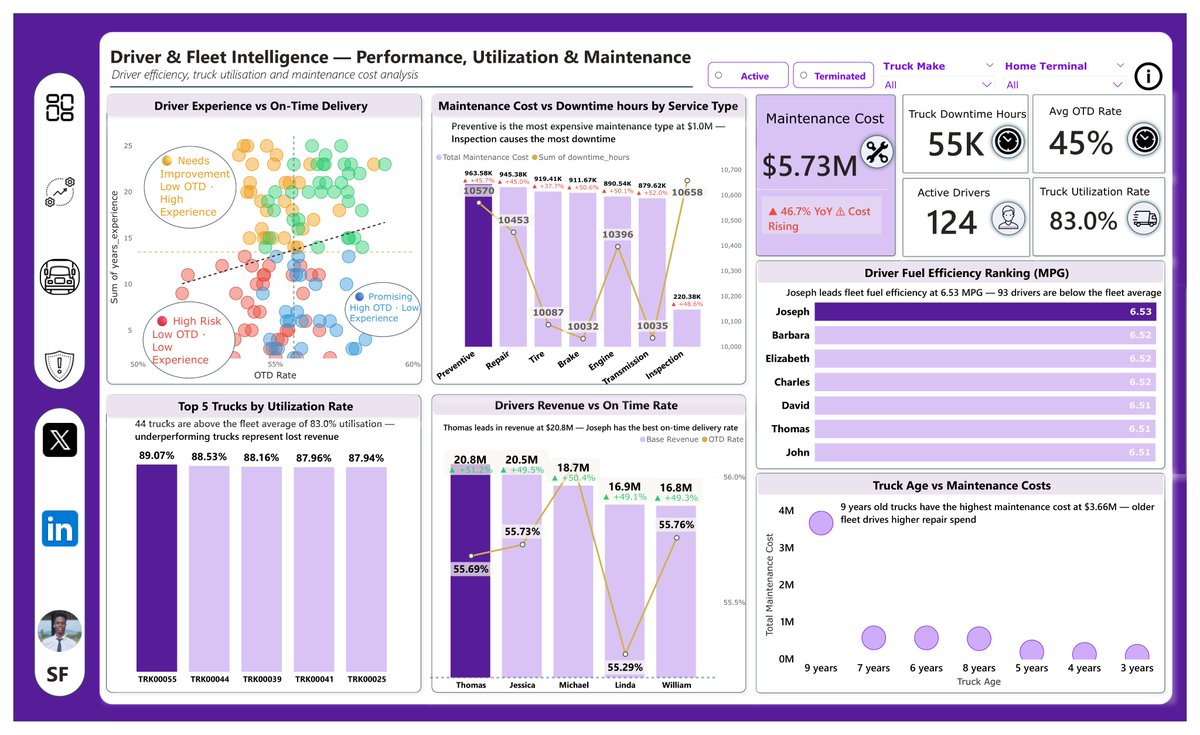
Day 90/120 ✅
Finally Done with @TechSphereAcad Capstone Project
This Project really tested my understanding and also some critical traits of being an analyst.
Thank u so much @ezekiel_aleke for being a wonderful tutor.
Github documentation: https://t.co/YtAElUaXG1
Sprint Day 6 challenge: write a query using everything from Days 94–99.
SELECT, FROM, WHERE, ORDER BY, LIMIT. -
Two milestones in one post tomorrow. Don't miss it. 21 sprint days left. See you at the century mark. #SQLSprint#SQL#LearningInPublic
Day 99+/120
One day from the century mark but first — the most underrated SQL clause that every beginner skips and every professional uses daily.
LIMIT and OFFSET.
Here's why they matter more than you think. 🧵
#120DayChallenge#SQLSprint
After 6 sprint days, here's the complete query structure we've built together:
SELECT columns
FROM table
WHERE condition
ORDER BY column
LIMIT number OFFSET number That's a full, professional SQL query which is one concept at a time. One day at a time.
Sprint Day 5 challenge:
Build on everything from Days 95–99.
Write a query that:
→ Selects name and salary from a table → Filters for one city using WHERE
→ Sorts by salary highest to lowest using ORDER BY
#SQLSprint#SQL#LearningInPublic
Day 99/120✅
SQL SPRINT DAY 5
We can now fetch data, filter it, and combine conditions.
One problem: results come back in random order.
Today we fix that with ORDER BY and we have total control over how your data is arranged. 🧵
#120DayChallenge#SQLSprint
You can sort by more than one column.
SELECT name, city, salary
FROM employees
ORDER BY city ASC, salary DESC
What this does: → First, sort cities A to Z → Then within each city, sort salaries highest to lowest.
This is what real analyst queries look like.
Sprint Day 4 challenge: Write a query that finds employees who:
→ Work in Lagos OR Abuja
→ AND earn more than ₦300,000
→ AND are NOT in the HR department
Try it with any dataset and Drop your query in the replies.
#SQLSprint#SQL#LearningInPublic
Day 98/120✅
SQL SPRINT DAY 4
Yesterday we filtered our data using WHERE and some operators
Today we are working with the logical operators- AND, OR, NOT because real questions always have more than one condition
Here's how SQL handles them 🧵
#120DayChallenge#SQLSprint
The trap that catches everyone at least once:
SQL reads AND before OR — just like maths reads × before +.
✗ WHERE city = 'Lagos' OR city = 'Abuja' AND salary > 500000 (AND runs first — gives wrong result)
✓ WHERE (city = 'Lagos' OR city = 'Abuja') AND salary > 500000.