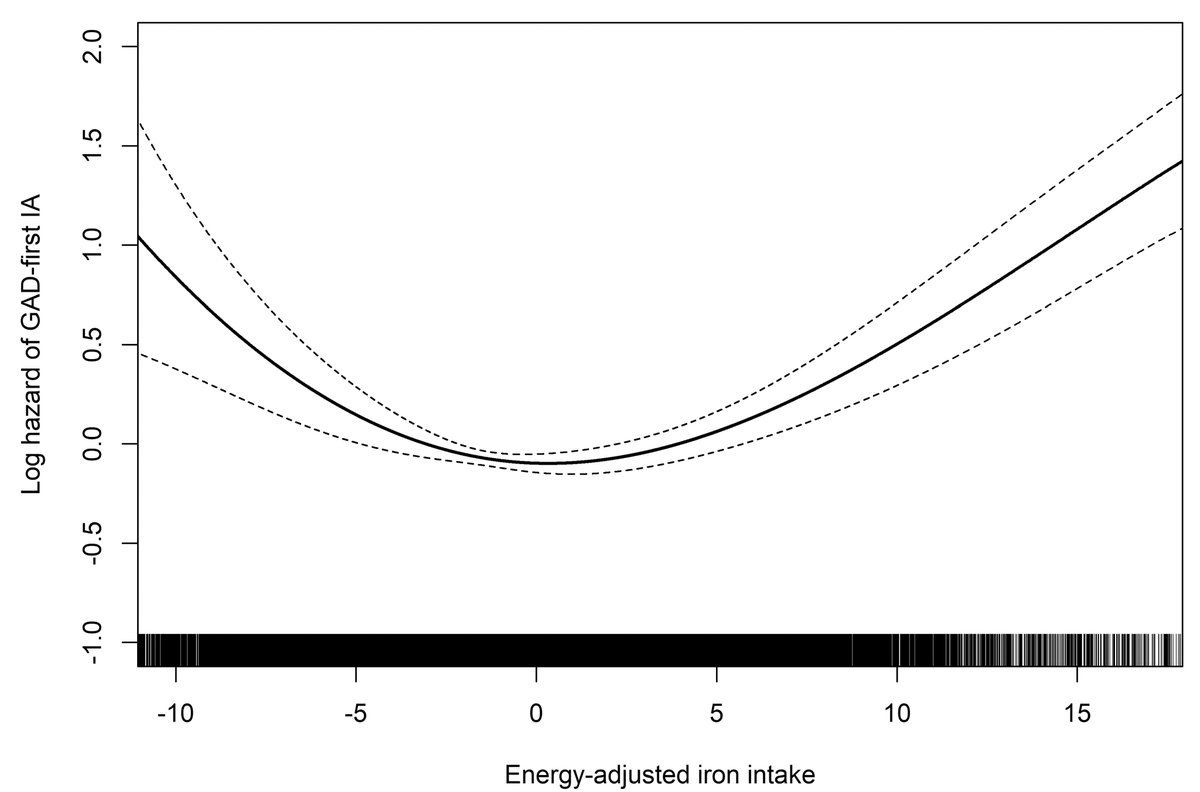
Both high and low iron intake together with genetic variation in key iron handling genes contribute to risk of islet-specific autoimmunity and type 1 diabetes in children with high-risk HLA genotypes @ADA_Pubs
Read Here➡️https://t.co/dDx6ppXfsL
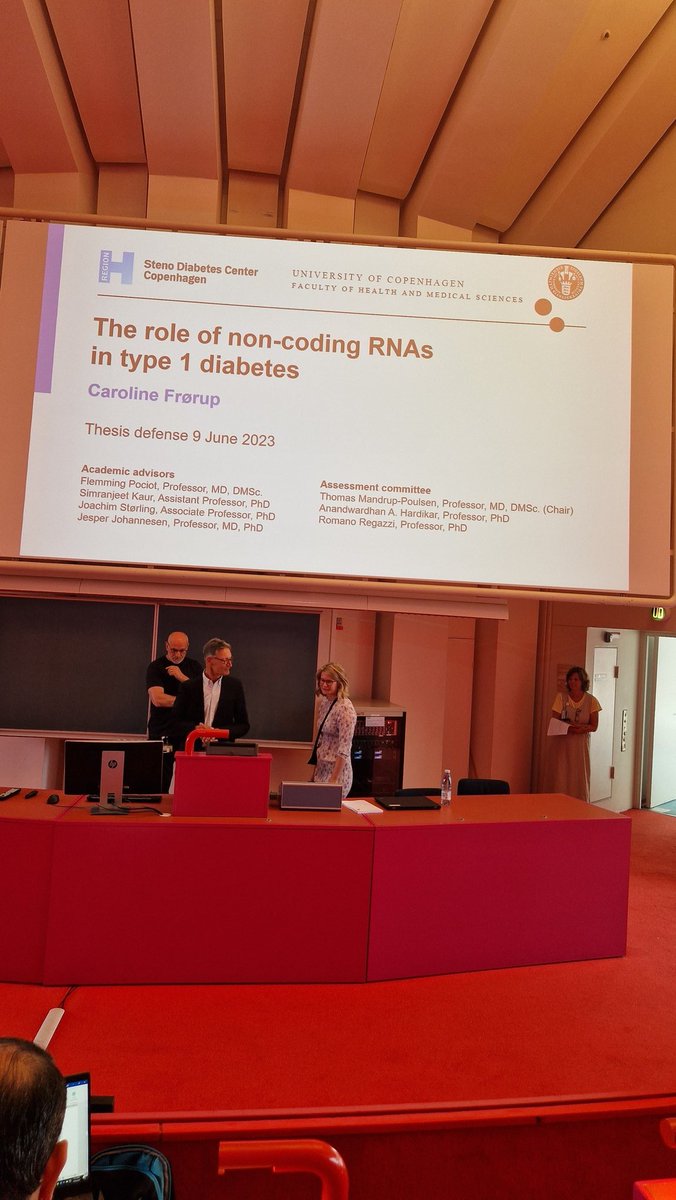
Huge congratulations 🎊 to Caroline Frørup for a successful PhD defense on "Role of Non-coding RNAs in Type 1 Diabetes" . It has been a pleasure being a co-supervisor along with @FPociot, Joachim Størling and Jesper Johannesen. @Stenodiabetes@T1DBiology
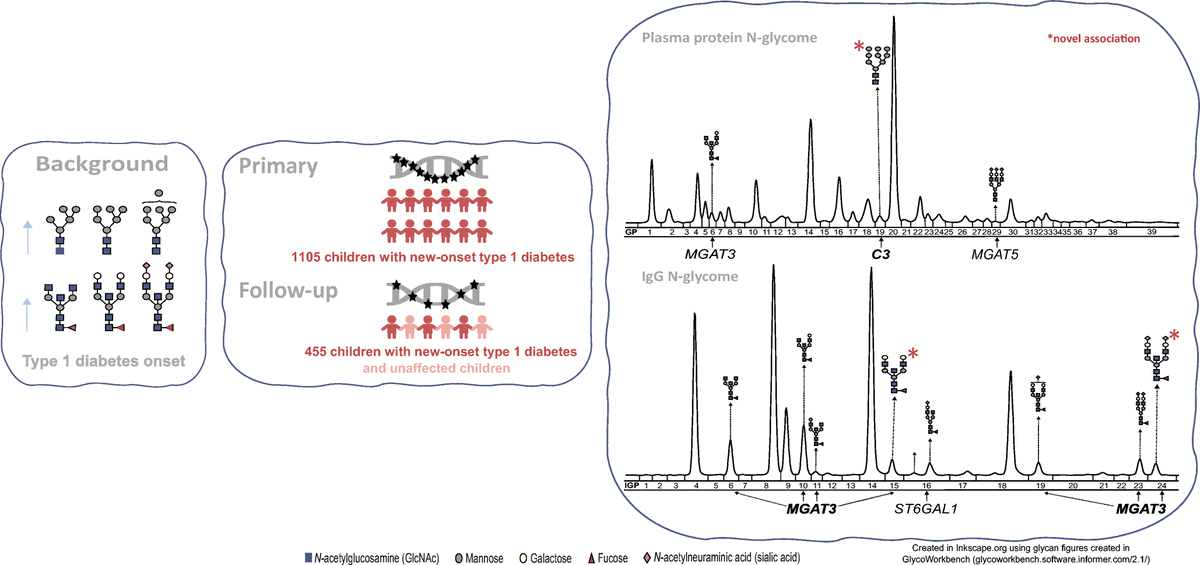
Allelic variants of N glycosylation and complement genes contribute to altered plasma protein and IgG N glycosylation in children at the onset of #T1D compared with their healthy siblings @NajdaRudman@GornikLab@SveucilisteZG@hrzz_science https://t.co/Z0U18O55yy 🔓
An important resource for researchers in the field of LncRNAs and Diabetes published by Prof. Shizuka Uchida in the special issue "Non-coding RNA and Diabetes 2.0" https://t.co/oUrT2lF07S https://t.co/wlzdcDIrlM
@Non_Coding_RNA @Heart_lncRNA
It's not over till it's over! A few more topics to go, before the closure of this year's INNODIA annual meeting. A big shout out to all of the passionate people in the INNODIA family for the tireless work and huge efforts helping make INNODIA so unique.
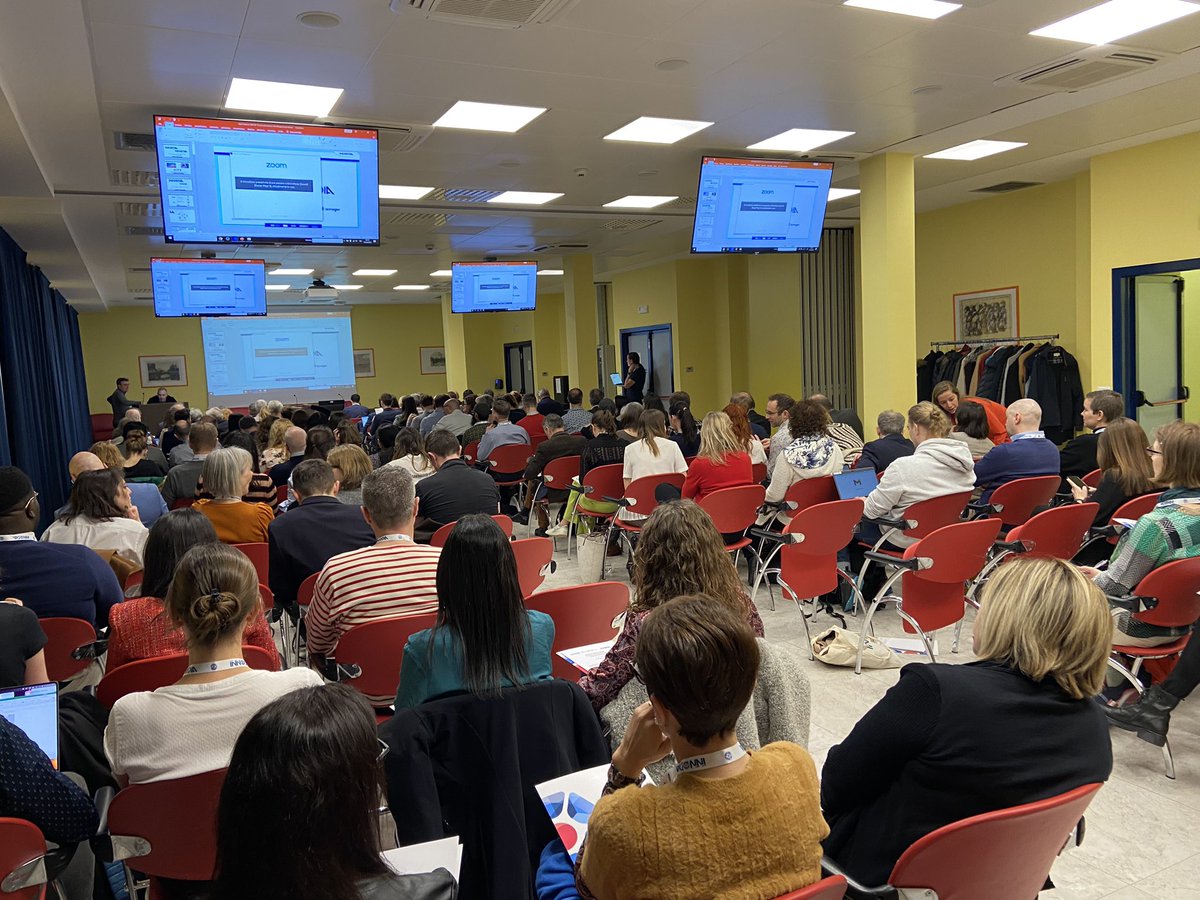
With 140 attendees in person and at least 30 more on ZOOM, we kicked off the annual meeting for the entire INNODIA family today! Many exciting talks, data shares, interactive session and poster presentations are on the program. Ready to rumble!
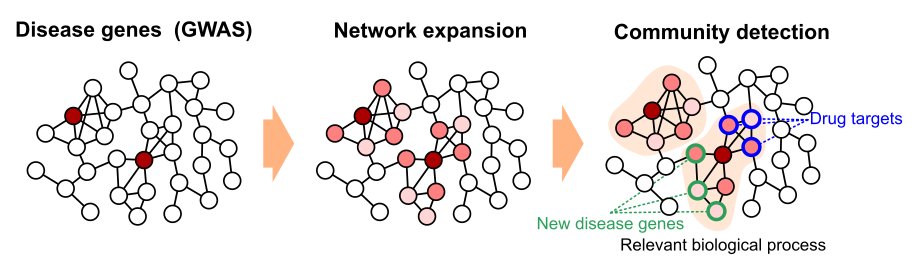
I’m really happy to share this work! We applied network-based methods to expand GWAS genes associated with 1002 human traits, composing a pleiotropy map of cell biology and opening the door to new therapeutic opportunities. Thanks to all involved! https://t.co/hBlTcNCEOf
Excited to share the first article published in the special issue on "Non-coding RNA and Diabetes 2.0" https://t.co/oUrT2lnoJi. Here we explore the role of circular RNAs in Type 1 Diabetes
https://t.co/5DSJXIPviO #mdpincrna via @Non_Coding_RNA@T1DBiology
Our latest article: Genetic Variants Associated with Neuropeptide Y Autoantibody Levels in Newly Diagnosed Individuals with Type 1 Diabetes https://t.co/OVWDLrdDbf
@Genes_MDPI
So proud to announce that together with the University of Melbourne and University of Copenhagen we found that IgG and plasma protein N-glycosylation changes at the onset of type 1 diabetes, which is published in @DiabetologiaJnl and freely available at https://t.co/OraIKoLRNR.
New Research: Plasma Exosome-Enriched Extracellular Vesicles From Lactating Mothers With Type 1 Diabetes Contain Aberrant Levels of miRNAs During the Postpartum Period: Type 1 diabetes is an immune-driven disease, where the insulin-producing… https://t.co/xHCmxZlWoS #immunology
Excited to share our latest work : A Dual Systems Genetics Approach Identifies Common Genes, Networks, and Pathways for Type 1 and 2 Diabetes in Human Islets https://t.co/pok9Hb0yAy
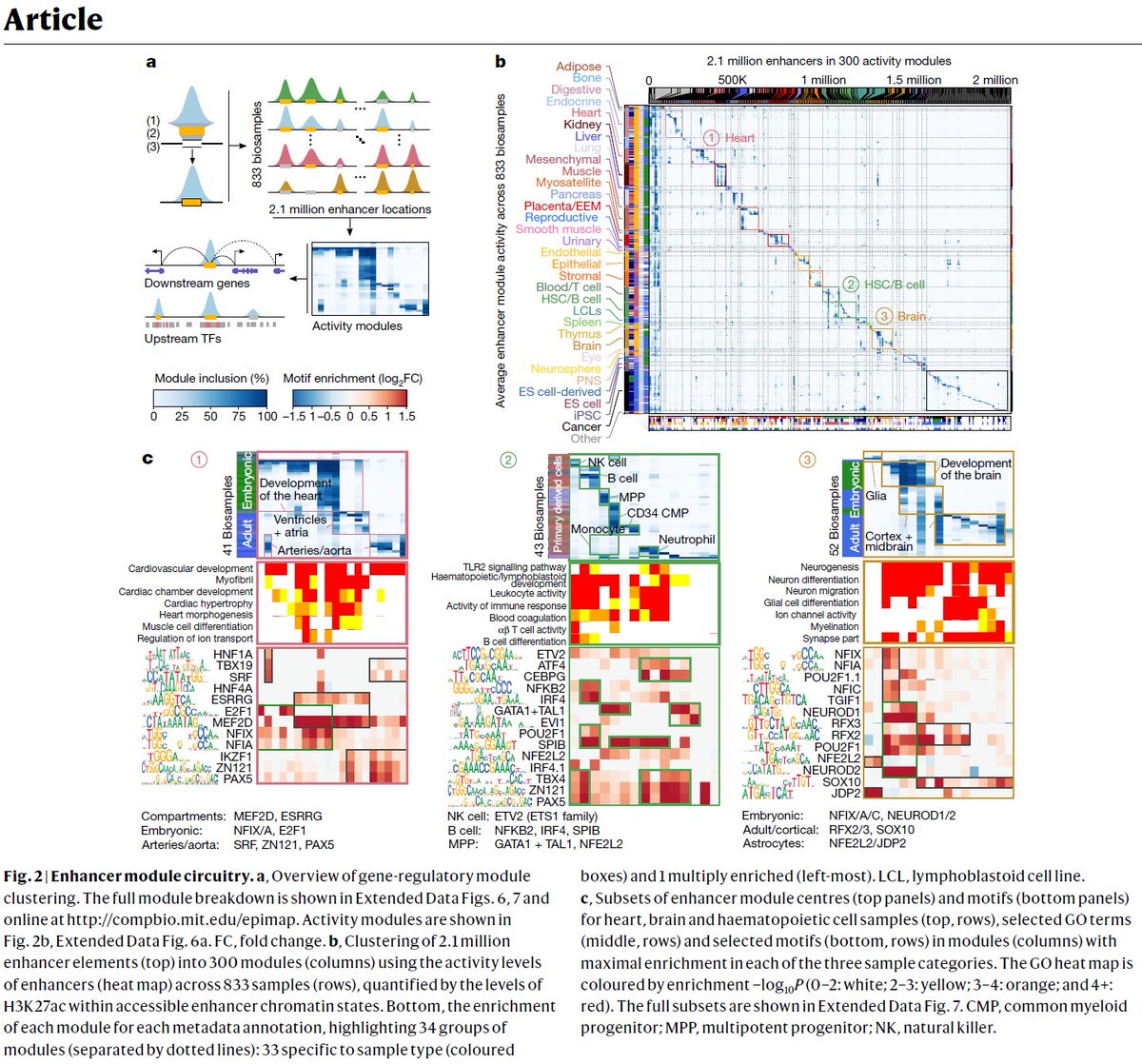
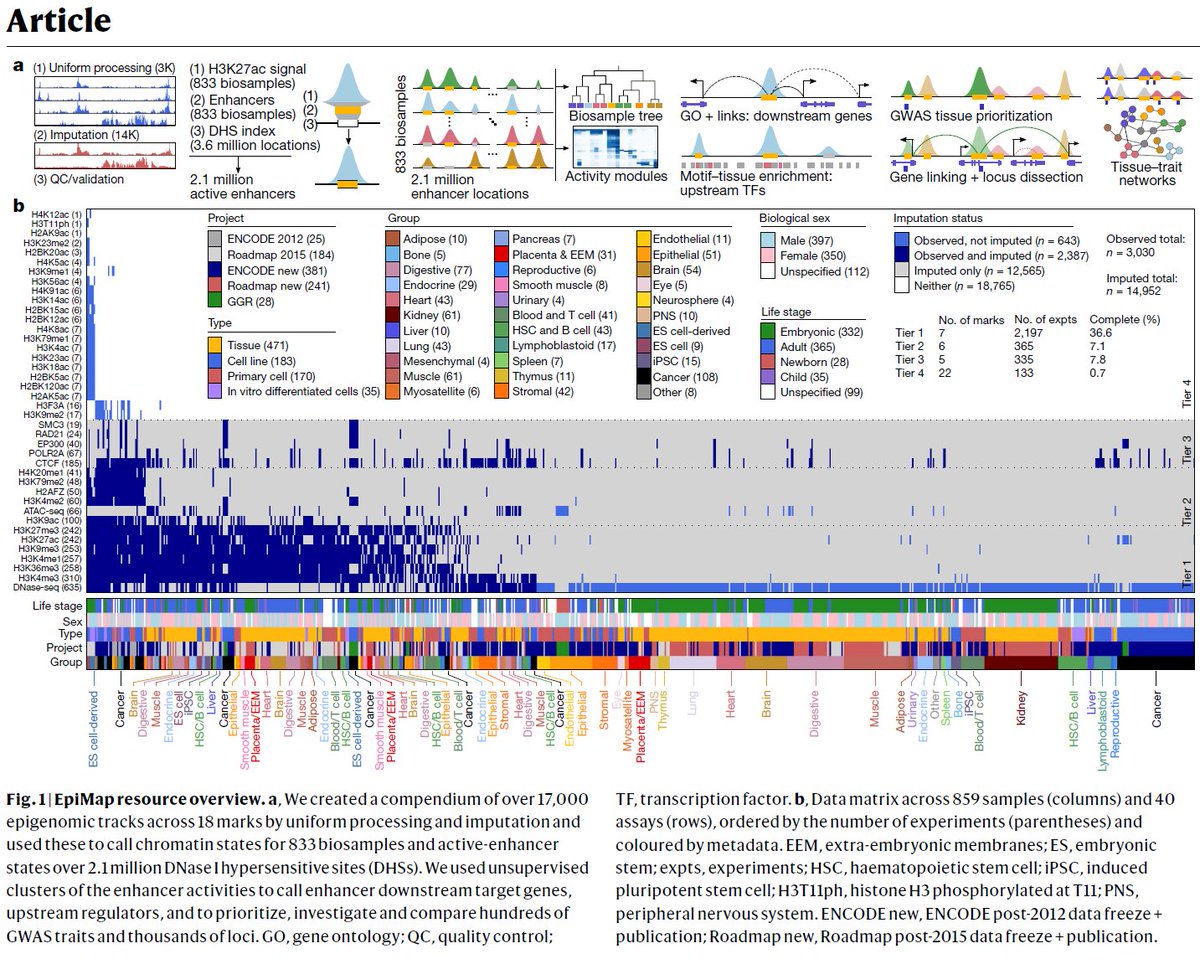
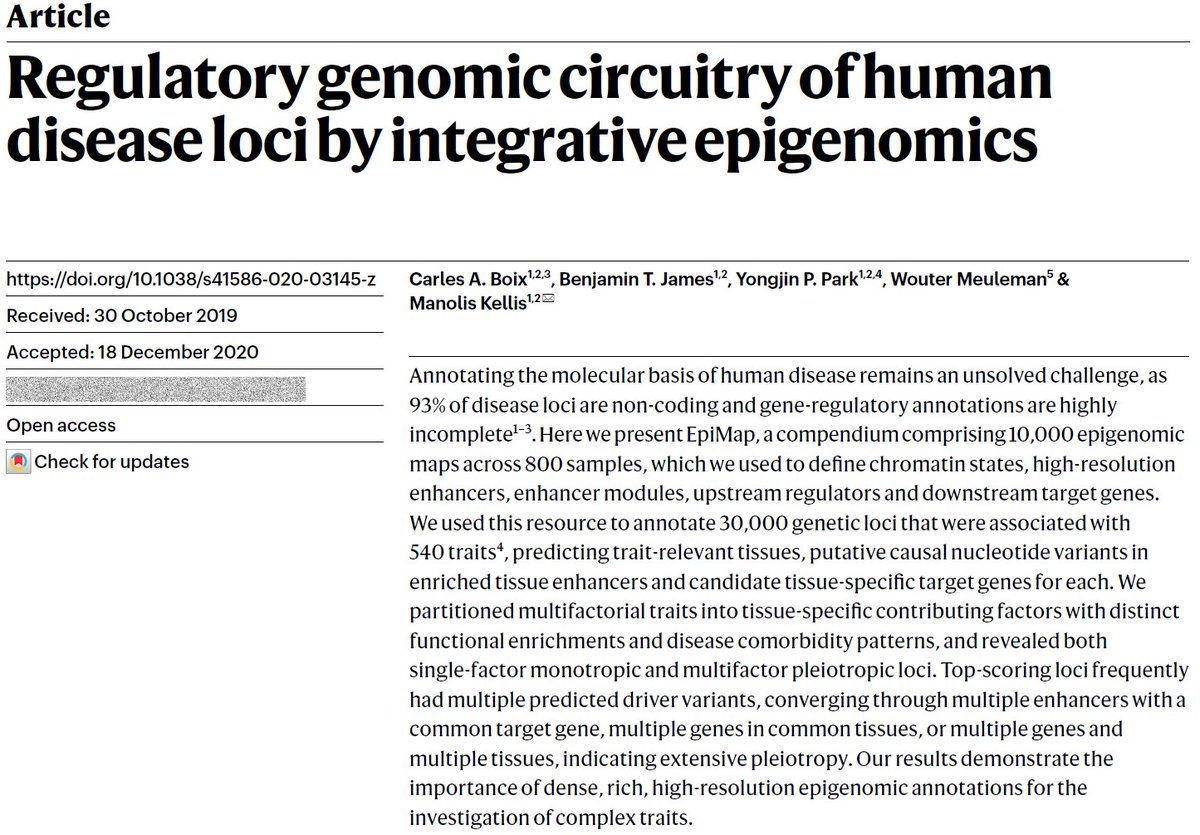
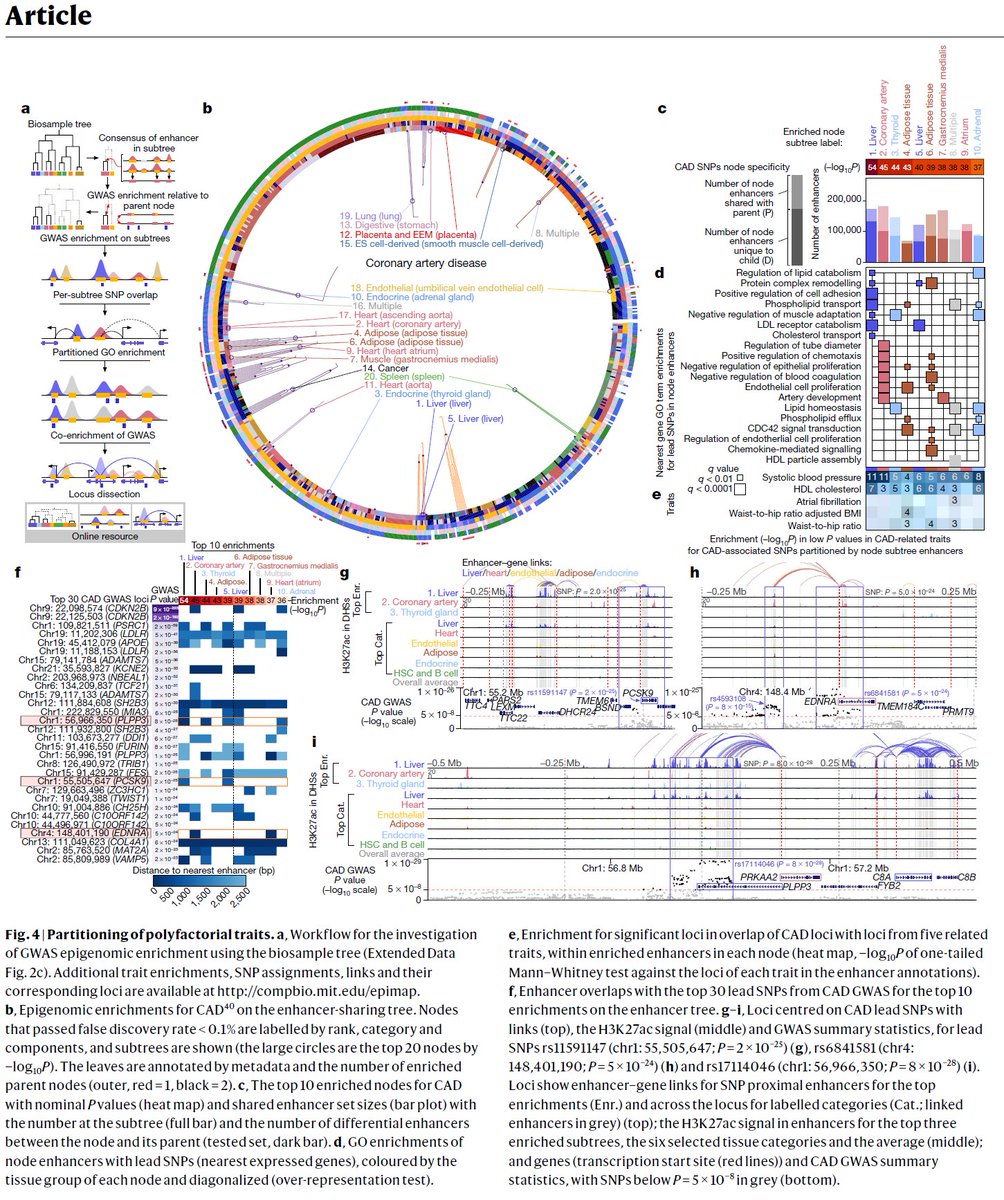
Our #EpiMap paper is now @Nature: systematic dissection of #DiseaseCircuitry, including predicted driver variants, enhancers, regulators, target genes, and relevant tissues/cell types across 30,000 genetic loci, 540 traits, 833 tissues https://t.co/75rulhGnWr #Epigenomics#GWAS
An integrated multi-omics approach identifies the link between HLA genotypes, islet autoimmunity and lipid profiles in individuals with high risk for T1D. Great work @AnneJulieOverg1@T1DBiology@Stenodiabetes