.@NazlanEr Hanım, eğer yazılı/yazılı olmayan böyle bir kural varsa ve yapmayan çalışana mobing uygulanıyorsa büyük haber. Diğer türlüsü ise cellata yetki vermişler önce babasını asmış oluyor. https://t.co/Khu47MUAul
Yağmur Pehlivanlı'nın ailesi adalet arıyor: 'Kızımın canı bir direk kadar mı değersiz?
15 yaşındaki kızları Yağmur Pehlivanlı'yı geçen yıl Kastamonu'da yolun karşısına geçerken bir aracın çarpması sonucu kaybeden aile, davanın açılmamasına isyan ediyor. Anne Esin Pehlivanlı, bir gün bile tutuklu kalmayan sürücünün önceki dönem Kastamonu Belediye Başkanı Rahmi Galip Vidinlioğlu'nun kızı olduğunu belirtti.
https://t.co/R9muhKb5zk
Pekin'de herkes ekranları başına kilitlendi. 3 saat sonra fırlatılacak uzay mekiğini bekliyorlar.
Çin, 3 saat sonra taykonot adını verdiği astronotlarını uzaya yollayacak
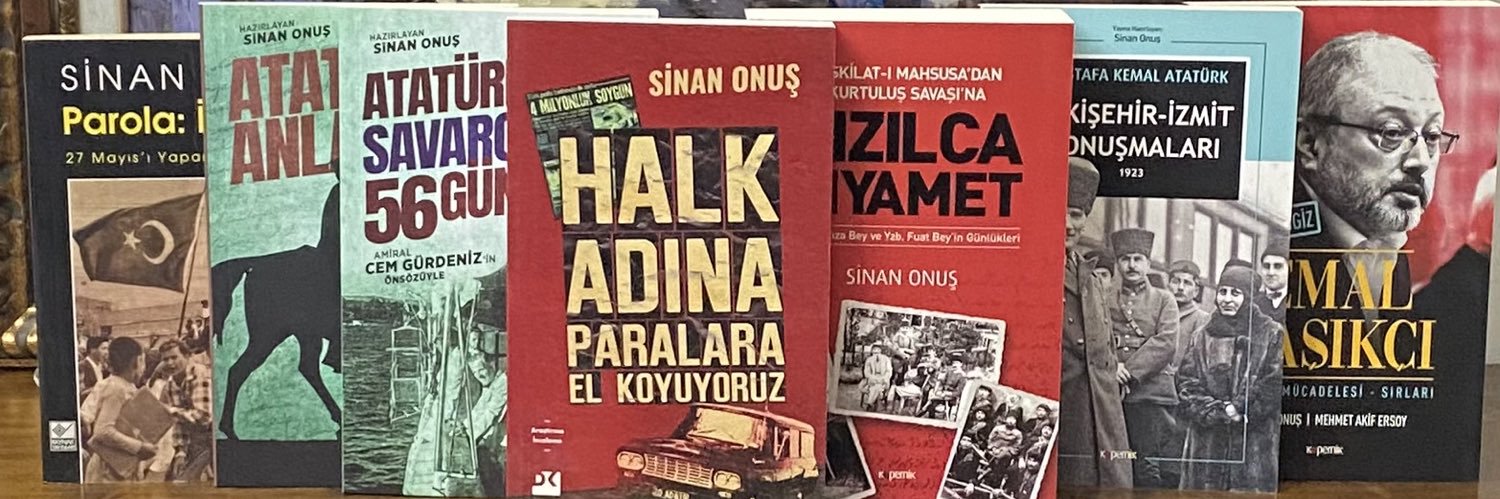
Bugün eksikliğini hissettiğimiz şey belki de bu: Toplumsal kesimleri gündelik tartışmaların ötesinde, ortak bir hafızada buluşturabilecek hikayeler, karakterler ve hayaller...
https://t.co/wS2mTccdWv
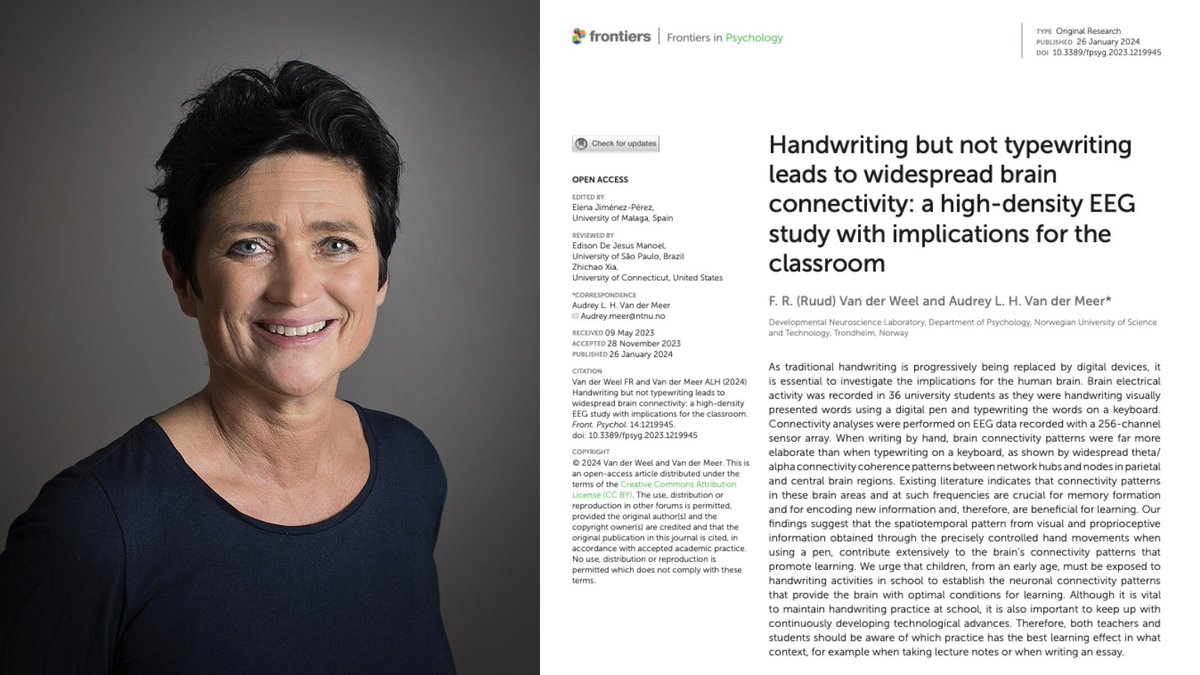
A Norwegian neuroscientist spent 20 years proving that the act of writing by hand changes the human brain in ways typing physically cannot, and almost nobody outside her field has read the paper.
Her name is Audrey van der Meer.
She runs a brain research lab in Trondheim, and the paper that closed the argument was published in 2024 in a journal called Frontiers in Psychology. The finding is brutal enough that it should have changed every classroom on Earth.
The experiment was simple. She recruited 36 university students and put each one in a cap with 256 sensors pressed against their scalp to record brain activity. Words flashed on a screen one at a time.
Sometimes the students wrote the word by hand on a touchscreen using a digital pen, and sometimes they typed the same word on a keyboard. Every neural response was recorded for the full five seconds the word stayed on screen.
Then her team looked at the part of the data most researchers had ignored for years, which is how different parts of the brain were communicating with each other during the task.
When the students wrote by hand, the brain lit up everywhere at once.
The regions responsible for memory, sensory integration, and the encoding of new information were all firing together in a coordinated pattern that spread across the entire cortex. The whole network was awake and connected.
When the same students typed the same word, that pattern collapsed almost completely.
Most of the brain went quiet, and the connections between regions that had been alive seconds earlier were nowhere to be found on the EEG.
Same word, same brain, same person, and two completely different neurological events.
The reason turned out to be something nobody had really paid attention to before her work. Writing by hand is not one motion but a sequence of thousands of tiny micro-movements coordinated with your eyes in real time, where each letter is a different shape that requires the brain to solve a slightly different spatial problem.
Your fingers, wrist, vision, and the parts of your brain that track position in space are all working together to produce one letter, then the next, then the next.
Typing throws all of that away. Every key on a keyboard requires the exact same finger motion regardless of which letter you are pressing, which means the brain has almost nothing to integrate and almost no problem to solve.
Van der Meer said it plainly in her interviews.
Pressing the same key with the same finger over and over does not stimulate the brain in any meaningful way, and she pointed out something that should scare every parent who handed their kid an iPad.
Children who learn to read and write on tablets often cannot tell letters like b and d apart, because they have never physically felt with their bodies what it takes to actually produce those letters on a page.
A decade before her, two researchers at Princeton ran the same fight using a completely different method and ended up at the same answer. Pam Mueller and Daniel Oppenheimer tested 327 students across three experiments, where half took notes on laptops with the internet disabled and half took notes by hand, before testing everyone on what they actually understood from the lectures they had watched.
The handwriting group won by a wide margin on every question that required real understanding rather than surface recall.
The reason was hiding in the transcripts of what the two groups had actually written down.
The laptop students typed almost word for word, capturing more total content but processing almost none of it as they went, while the handwriting students physically could not write fast enough to transcribe a lecture in real time, which forced them to listen carefully, decide what actually mattered, and put it in their own words on the page.
That single act of choosing what to keep was the learning itself, and the keyboard had quietly skipped the choosing and skipped the learning along with it.
Two studies. Two countries. Same answer.
Handwriting makes the brain work. Typing lets it coast.
Every note you have ever typed instead of written went into your brain through a thinner pipe. Every meeting, every book highlight, every idea you captured on your phone instead of on paper was processed at half depth.
You did not forget those things because your memory is bad. You forgot them because typing never woke the part of the brain that would have made them stick.
The fix is the thing your grandmother already knew.
Pick up a pen. Write the thing down. The slower road is the faster one.
Bu Beyefendi parti kurduğunda dernek/vakıf sohbetler yapıyordu. Meclis’in yanında bir kafedeki Lionslarla sohbetlerine gitmiştim. “İktidarız” diyordu. Yüzde 1 alamayacaklarını anlatınca emekli astsb. il başkanı ile gözlerinden ateş saçarak yüzüme hönkürmüşlerdi. Ne oldu o parti?
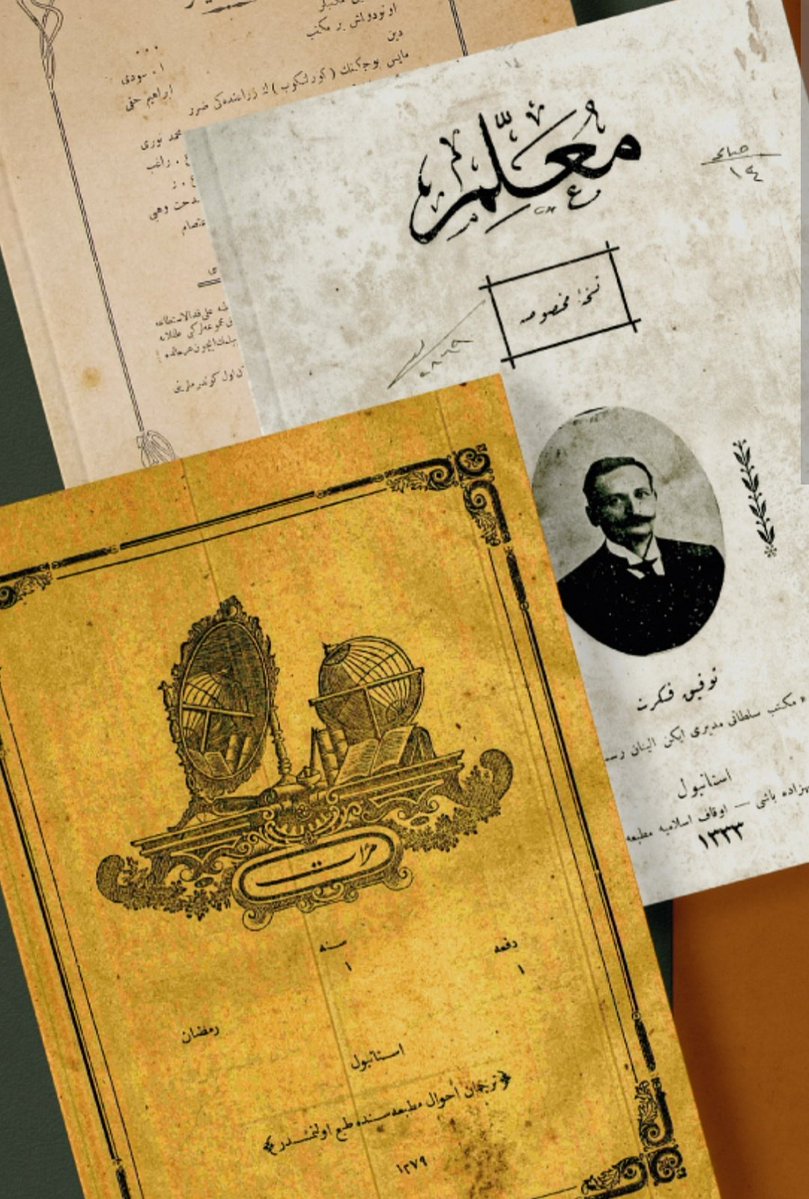
📚 İSAM Kütüphanesi'nin @TDV_ISAM Osmanlıca Makaleler Veri Tabanı'na 1.535 adet yeni makale yüklenmiş👏
📍Tarih, edebiyat, sanat tarihi, dinî ilimlerle ilgili Osmanlıca dergilerdeki 46.260 makalenin tam metin PDF'sine erişmek için şöyle buyrun 👇
https://t.co/7fmleS0hb8
Yunanca σπερμολογος (spermologos) diye bir sözcük var. İncil’de de geçiyor; Pavlusla Filozofların karşılaşmasının anlatıldığı bölümde. Filozoflar Pavlus'u "geveze" veya "sahte entelektüel" olarak nitelendirip onunla alay etmek için bu terimi kullanıyorlar.
Spermologos, karganın tarlalarda tohum toplaması gibi sağdan soldan bilgi toplayan, ödünç sözlerle konuşan kişileri yermek için Atinalıların kullandıkları bir sözcük. Bugün için de oldukça anlamlı aslında.
Okumaya, araştırmaya ve sorgulamaya yeterince zaman ayırmayan, hatta buna sabrı da olmayan birçok insanın yaptığı şey, çoğunlukla sosyal medyadaki bilgi kırıntılarını toplayarak belirli kanaatlere varmak ve bu kanaatleri yüzeysel değerlendirmelerle dile getirmekten ibaret.
Yani zamanın hızına ve zihnin sabırsızlığına uygun, etkili ve işlevsel bilgiler edinmek, sunmak istiyoruz; fakat bunların ne derece doğru olduğu tartışmalı. Ama zaten doğru olup olmamasının bir önemi var mı?
Rusya Devlet Başkanı Putin'in 1915 Ermeni tehcirini "soykırım" olarak nitelemesi tam bir skandaldır. Ermenilerin ayaklanarak katlettiği Türklerin kanında Ermeni teröristlere destek veren Rus Çarlığı'nın payı vardır. Asıl özür dilemesi gereken bugün o çarlığa özenen Putin'dir.
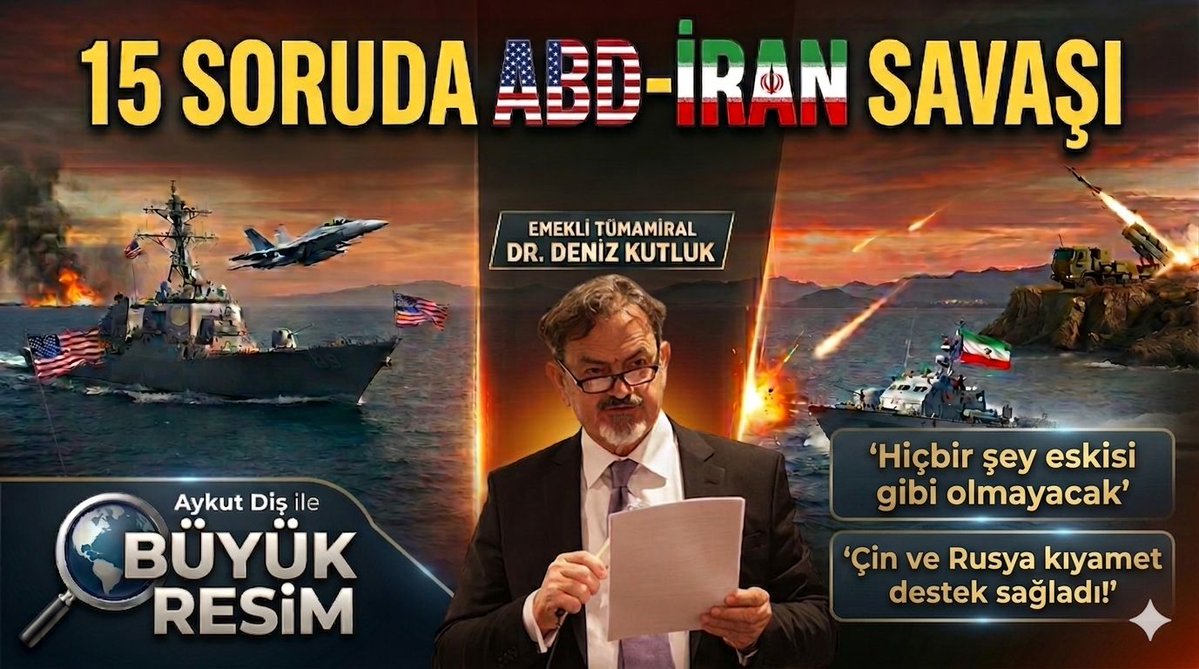
Aydınlık'ın Youtube kanalında "Büyük Resim" ismiyle yeni bir programa başlıyoruz. Her cuma 18.00'de yayınlanacak olan Büyük Resim'de Türkiye, bölge ve dünya gündeminde öne çıkan konuları özel konuklarla bire bir değerlendireceğiz.
İlk yayını da bugün yaptık. Türk Silahlı Kuvvetlerinde üst düzey görevler yapmış, NATO Ana Karargahında ileri yönetim vazifelerinde bulunmuş, Balyoz kumpas davasında da hedef alınan isimlerden Emekli Tümamirali Deniz Kutluk @adenkut ile ABD-İsrail & İran savaşında son durumu konuştuk.
Savaşta gelinen aşamayı ve gelinen manzarayı en gerçekçi şekilde görebilecek bir sohbet oldu.
Tamamını izlemenizi öneririm.
Tabi bu arada Aydınlık Youtube kanalına da abone olmanızı dileriz.
Vira bismillah!
İzlemek için: https://t.co/3uDLAT6Wlk
300 yıllık İshak Ağa Çeşmesi'ni restore ettiğini zanneden cahil muhtar:
"Çeşme eskiydi, biz de onu yıkıp, yeni ve güzel bir çeşme tasarladık.
Vatandaşlar istedi, elbirliğiyle para toplayıp yıkıp yenisini yaptırdık.
Biz kötü bir şey yapmadık, çevremizi güzelleştirdik."