A really thought-provoking study at #ASCO26 (Abstr 4512, Clinical Science Symposium): decision regret after adjuvant pembrolizumab in RCC.
🔹 The question
Do patients regret receiving adjuvant pembro — and if so, is it driven by long-term toxicity that CTCAE grading doesn't adequately reflect? They built a patient co-designed tool focused on long-term toxicity.
🔹 The study
104 RCC pts post-adjuvant pembro across 3 London centres, median f/u 30 mo. Pts completed the Ottawa Decision Regret Scale alongside their own rating of irAEs as life-changing, significant, or non-significant.
🔹 What they found
28% rated their toxicity as significant and 11% as life-changing — but these ratings did NOT correlate with CTCAE grade (a third of G1–2 events were rated significant), and regret was identical for G1–2 vs G3–4 irAEs. Regret was driven by patient-perceived long-term toxicity, especially permanent endocrine and MSK irAEs — and not by disease recurrence (only 1/14 who relapsed expressed regret). Lower baseline expectations of toxicity → more regret.
🔹 My take
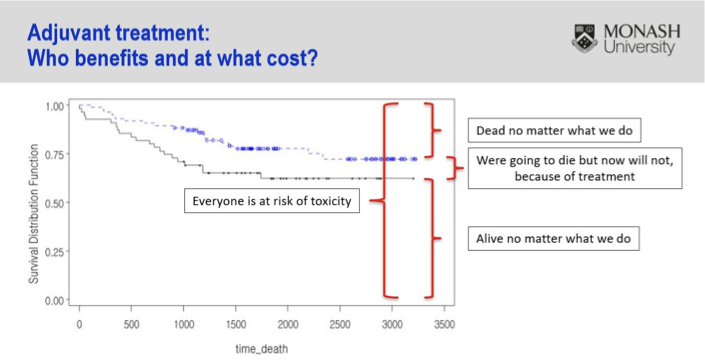
Striking that >1 in 4 reported significant and >1 in 10 life-changing toxicity. What concerns me most isn't that CTCAE missed these events — it's that the grade didn't correlate with how significant patients found them, nor with regret at all. That deviates from the very purpose of grading. The hard part: a regret analysis is tough to contextualize when the alternative, no treatment, risks recurrence — arguably worse than a long-term toxicity. Adjuvant therapy is challenging by nature: most patients are either cured already or destined to recur regardless — we expose everyone to toxicity to benefit a minority. We urgently need biomarkers to find the few who truly benefit. This slide from @Prof_IanD says it all 👇
Looking forward to seeing the presentation!
🔗 https://t.co/laVM7xBbxr
#kcsm #ASCO26
@BethN01@tompowles1
New ASCO Guideline on Palliative Care for Patients with Cancer https://t.co/Zc4o5YJSy4
1. Early referral to SPECIALIZED PC leads to improved QOL, mood, higher likelihood of documenting EOL preferences
2. PC teams are fundamentally interdisciplinary
3. PC benefits caregivers emotionally/psychologically
4. Referral should be "timely" - do not wait until cessation of therapy
5. PC helps pts with hematologic malignancies and those on phase I trials
If you are new to learning R or you want to improve your graphical outputs, this is a partial MUST HAVE cheat sheet.
The complete set of cheat sheets are available here: https://t.co/qDDuQLIi93
#Rstats#DataVisualization#ggplot2#Statistics#DataScience
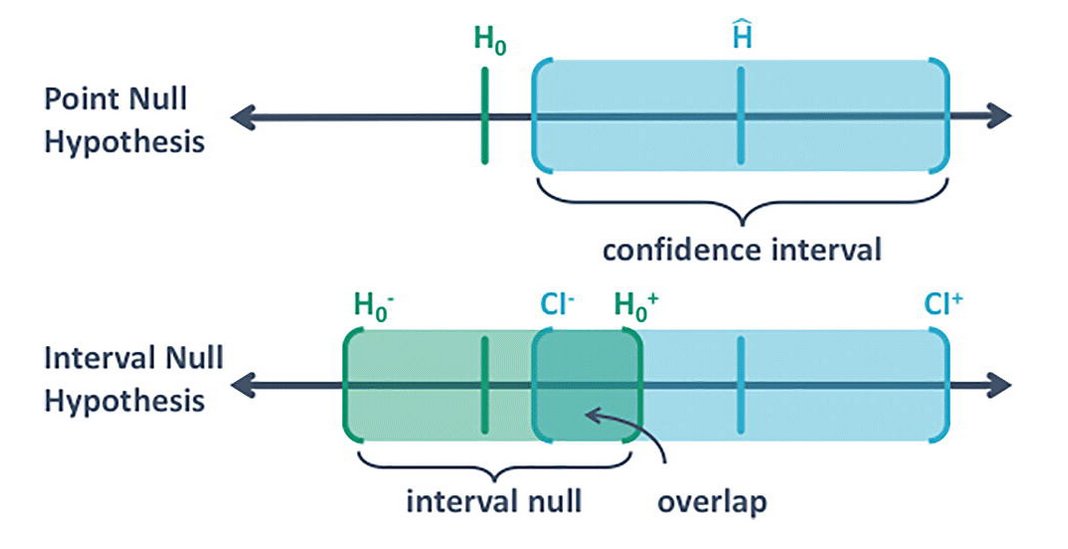
I just learned about second-generation p-values, by @StatEvidence.
They make conceptually more sense as they take into account that the null has an interval too. That there is a difference between null and practically null.
1/
h/t @f2harrell
https://t.co/W5pfWcWfn8
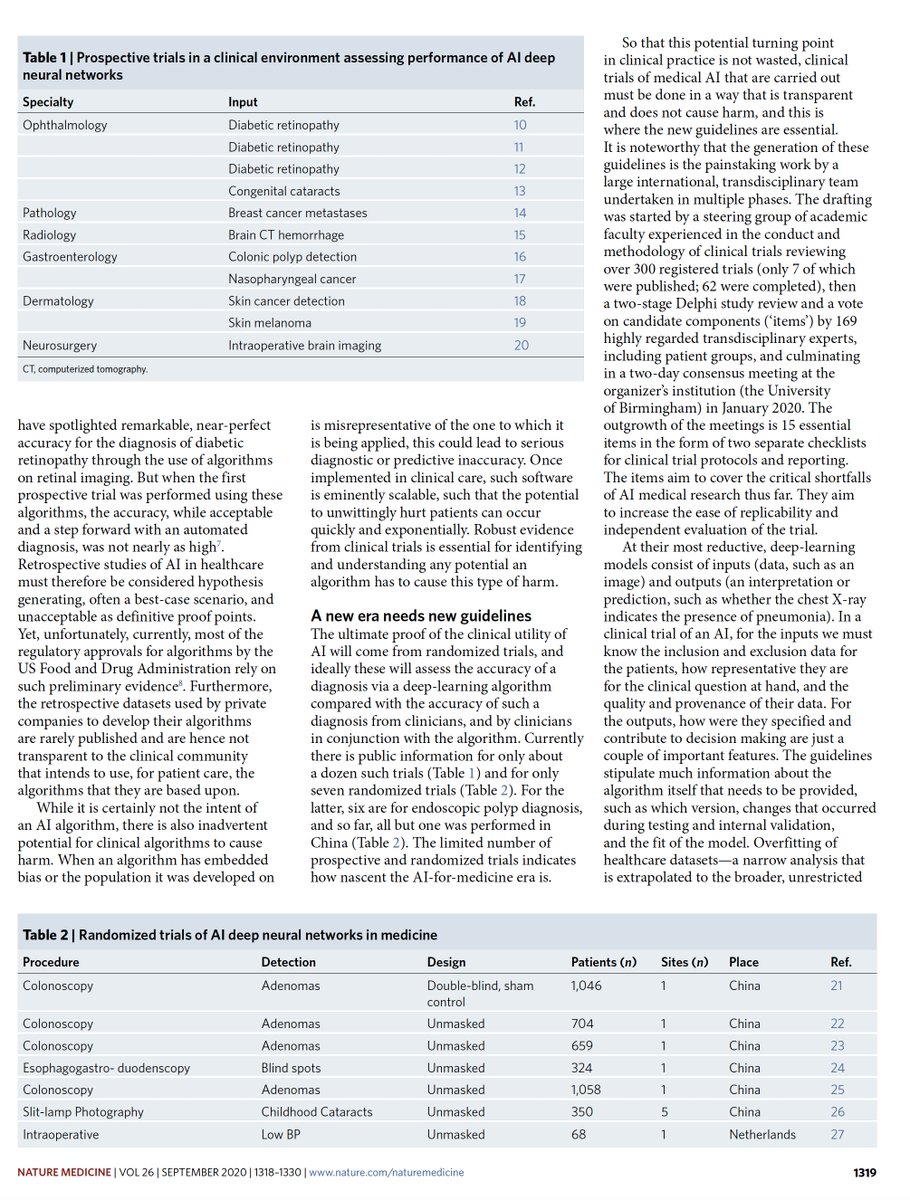
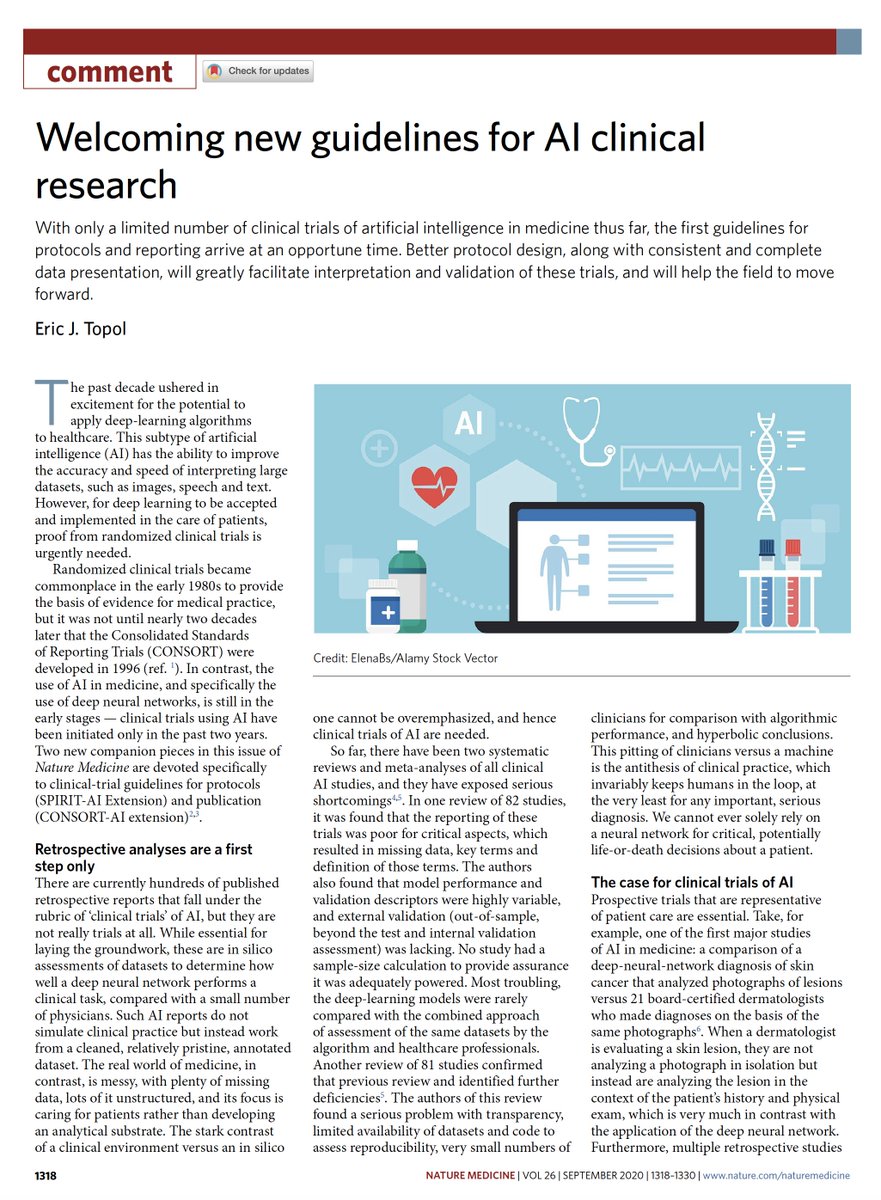
Today's a very big day fo #AI medical research
There are major publications of consensus statements and guidelines published @NatureMedicine@LancetDigitalH@bmj_latest on protocols, trial design, and reporting
Here's my commentary @NatureMedicine https://t.co/86b8WxjX0Q
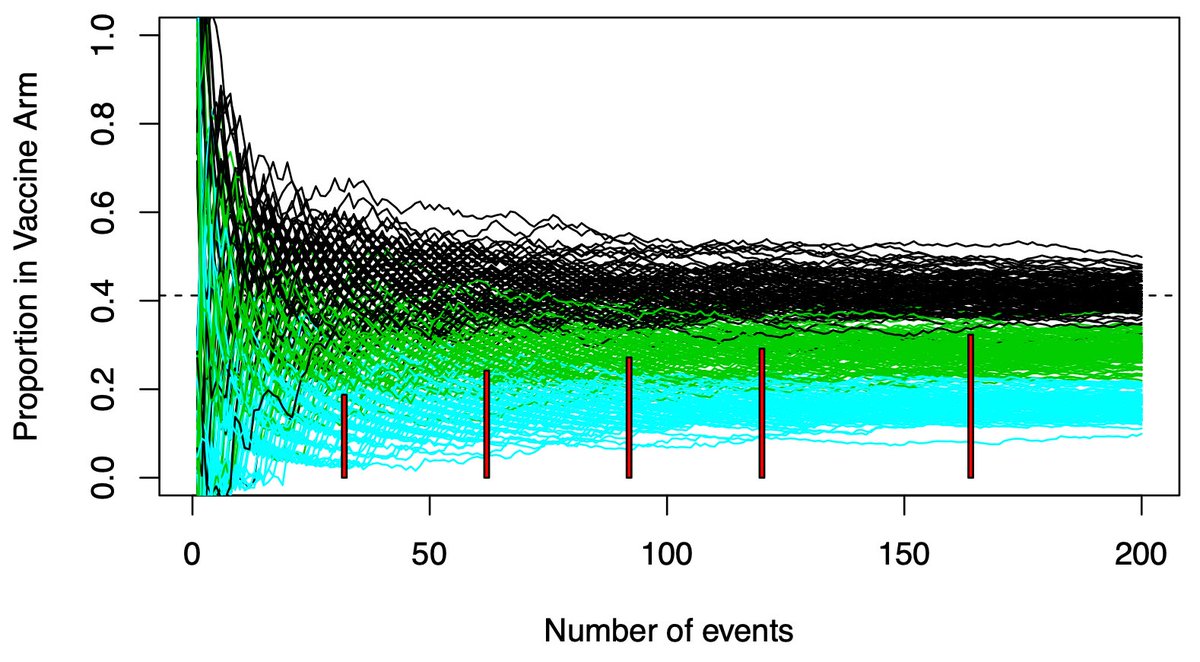
(1/n) Tweetorial…When people talk about a trial “stopping early”, that implies there is an “on time”. Standard trials really “look late”, and interim analyses bridge the gap. Examples in terms of the current vaccine trials. Based on
https://t.co/TDyxK1BSAz
A venerable birding group and a high-profile San Francisco design firm collaborated on a new kind of field guide. It doesn't just tell you where birds live now, but where they’ll live decades from now, @yayitsrob writes: https://t.co/cunN3dwhAh
There are two facts which make correlations controlling for confounds uninformative about many (but not all) causal effects: 1) the R^2 of the mechanisms we understand is low, 2) our uncertainty about not well-understood mechanisms should be high. (1 / about 13-15)