“The volume of social workers who have gotten in touch and expressed their concern about recently undertaken reforms is a cause for urgent concern,” @Aidan_Farrelly_ TD Social Democrats
Laoise Neylon, Dublin Inquirer, May 21 2026
https://t.co/vheRTkN1ob
𝐓𝐮𝐬𝐥𝐚’𝐬 𝐂𝐚𝐫𝐞 𝐒𝐲𝐬𝐭𝐞𝐦 𝐓𝐡𝐫𝐨𝐮𝐠𝐡 𝐓𝐡𝐞 𝐄𝐲𝐞𝐬 𝐎𝐟 𝐅𝐨𝐮𝐫 𝐘𝐨𝐮𝐧𝐠 𝐀𝐝𝐮𝐥𝐭𝐬 𝐖𝐡𝐨 𝐋𝐢𝐯𝐞𝐝 𝐈𝐭
A cover story by Patrick Freyne in today’s Irish Times Weekend magazine, based on the testimonies of four young adults with lived experience of being taken into care by Tusla, paints a complex picture of Ireland’s care system: one capable of kindness, dedication and life changing support, but also marked by instability, stigma, misunderstanding and gaps in care.
One recurring criticism is the system’s crisis driven approach. Anisa Abuukar, who arrived in Ireland from Somalia as an unaccompanied minor, describes repeated placements, profound loneliness and mental distress. Rather than asking what support she needed, she felt professionals often focused on managing behaviour after situations had already deteriorated. Andrea Reilly echoes this point, arguing that services too often wait until problems become severe before meaningful help is provided.
Another major theme is instability. Several of the young people experienced multiple placements. Princess Esezobor went through six. Placement breakdowns, staff changes and repeated moves emerge as deeply disruptive experiences that can undermine trust, emotional security and continuity of care.
The testimonies also point to a system where children can feel misunderstood or insufficiently listened to. Anisa describes struggling with grief, culture shock, mental health challenges and later autism, but feeling that some adults interpreted distress as difficult behaviour rather than asking what lay underneath it.
The article raises concerns too about communication and the professionalisation of childhood within care settings. Kai Brosnan recalls entering residential care without properly understanding what it even meant.
Young people speak about growing up surrounded by adult language, review meetings, case discussions and professional systems. Kai describes living in environments where team meetings took place in the sitting room, blurring the line between institutional process and home life.
Stigma emerges as another powerful criticism. Andrea recalls growing up in a small town where everyone knew she was fostered, with some children discouraged from befriending her. Kai says people often assume residential care is something young people “deserve”, while Princess describes encountering racial ignorance and poor cultural understanding in some placements.
The testimonies also highlight concern about overstretched services and workforce pressures. High staff turnover, heavy caseloads and shortages of resources are repeatedly identified as systemic problems. Yet strikingly, the young people distinguish between criticism of the system and appreciation for individual workers. All four describe exceptional staff members who changed lives through patience, understanding and human warmth.
The transition out of care emerges as one of the sharpest critiques. Young adults leaving care face housing pressures, financial insecurity and anxiety about ageing out of supports. Unlike many of their peers, they may not have a family home to return to. Kai speaks of homelessness and unstable accommodation. Andrea describes young people trying to complete education while living in emergency accommodation.
The message running through these testimonies is not that care cannot work. It clearly can.
But the four young people challenge Ireland to ask harder questions.
Why do so many children experience instability and repeated disruption?
Why are supports so often crisis led rather than preventative?
Why are communication, understanding and continuity not stronger foundations of care?
And why does State responsibility appear to weaken so sharply once a young person reaches adulthood?
Their testimonies amount not simply to personal stories, but to a call for a more stable, trauma informed, better resourced and more humane care system.
After last night’s RTÉ Prime Time:
“Each of those situations are repeated many times” @GarNob
We are recycling crises instead of fixing the causes
Give foster carers pension recognition & real supports
@ClaireKerrane@mattcarthy @RuiariOMurchu @MarkWall1@peadartoibin
Every time some high profile gobshite soft-soaps their criticism of Israel by saying ‘I don’t support Netanyahu,’ show them this video of the knesset celebrating the introduction of the death penalty via hanging for Palestinians.
The math on this project should mass-humble every AI lab on the planet.
1 cubic millimeter. One-millionth of a human brain. Harvard and Google spent 10 years mapping it. The imaging alone took 326 days. They sliced the tissue into 5,000 wafers each 30 nanometers thick, ran them through a $6 million electron microscope, then needed Google’s ML models to stitch the 3D reconstruction because no human team could process the output.
The result: 57,000 cells, 150 million synapses, 230 millimeters of blood vessels, compressed into 1.4 petabytes of raw data. For context, 1.4 petabytes is roughly 1.4 million gigabytes. From a speck smaller than a grain of rice.
Now scale that. The full human brain is one million times larger. Mapping the whole thing at this resolution would produce approximately 1.4 zettabytes of data. That’s roughly equal to all the data generated on Earth in a single year. The storage alone would cost an estimated $50 billion and require a 140-acre data center, which would make it the largest on the planet.
And they found things textbooks don’t contain. One neuron had over 5,000 connection points. Some axons had coiled themselves into tight whorls for completely unknown reasons. Pairs of cell clusters grew in mirror images of each other. Jeff Lichtman, the Harvard lead, said there’s “a chasm between what we already know and what we need to know.”
This is why the next step isn’t a human brain. It’s a mouse hippocampus, 10 cubic millimeters, over the next five years. Because even a mouse brain is 1,000x larger than what they just mapped, and the full mouse connectome is the proof of concept before anyone attempts the human one.
We’re building AI systems that loosely mimic neural networks while still unable to fully read the wiring diagram of a single cubic millimeter of the thing we’re trying to imitate. The original is 1.4 petabytes per millionth of its volume. Every AI model on Earth fits in a fraction of that.
The brain runs on 20 watts and fits in your skull. The data center required to merely describe one-millionth of it would span 140 acres.
🚨 Democracy at risk! Ursula von der Leyen is reportedly weakening EU digital laws, not protecting us from Big Tech & AI. We need her to defend our rights, not cave to pressure. Sign the petition & make your voice heard! 👇 #StopBigTech#DigitalRights https://t.co/LlZpOpwwft
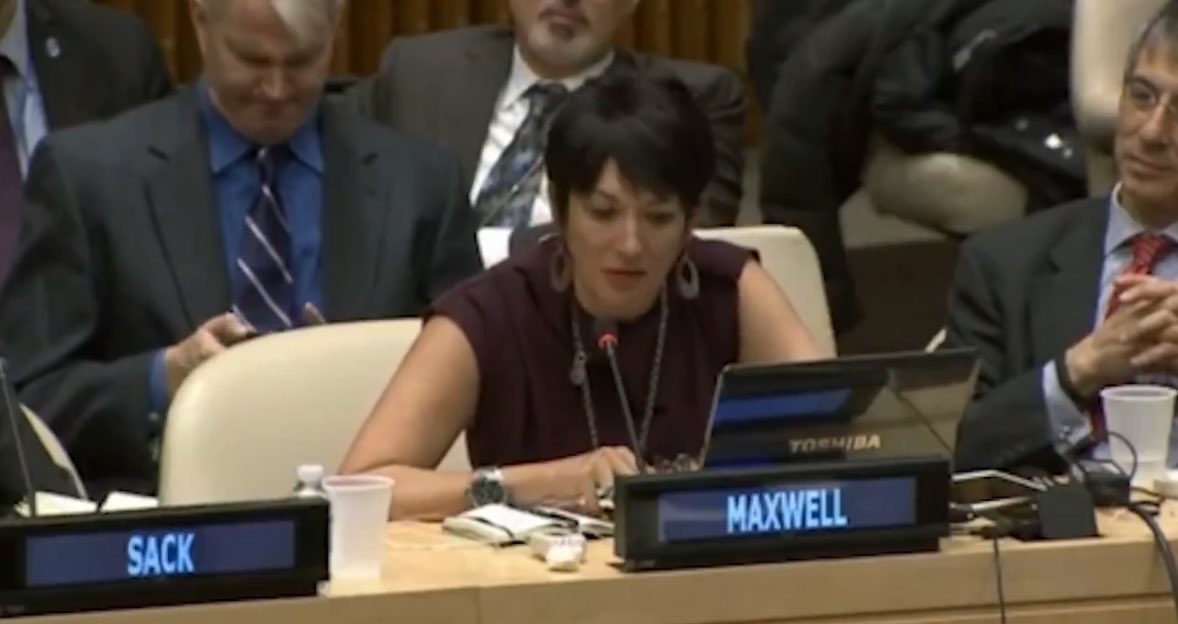
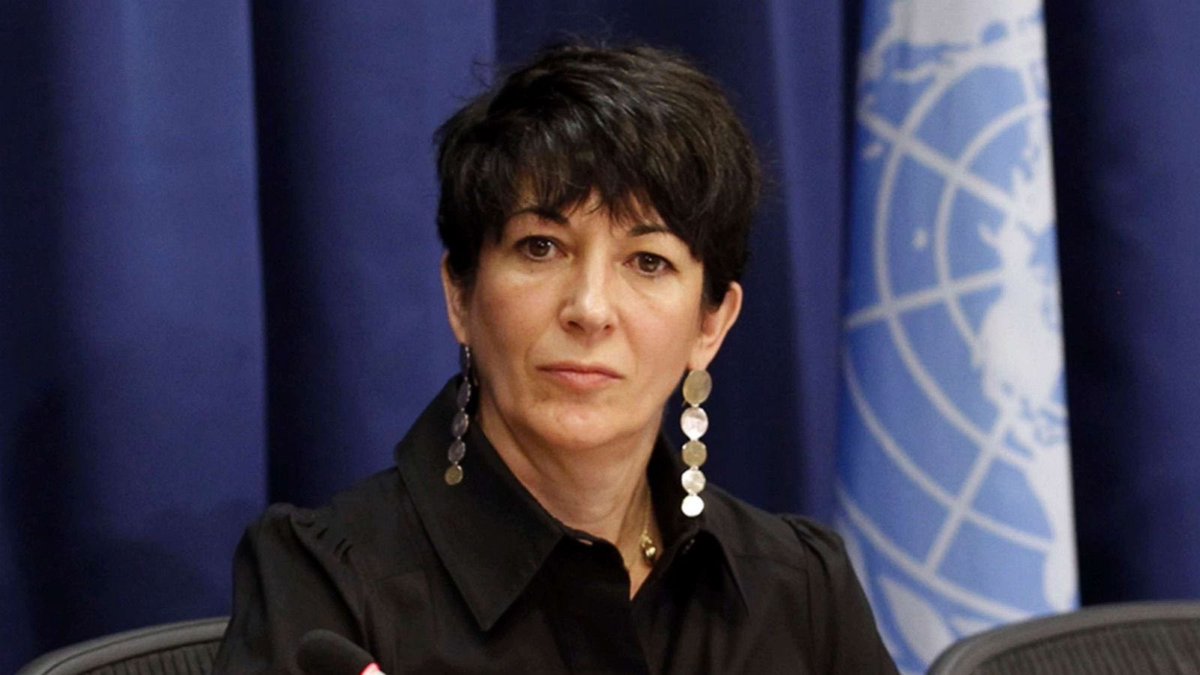
Who invited her to constantly give statements at the UN? She can't do so without an invitation! This requires an internal investigation at the UN.
Release the full of Epstein files. NOW!
We need to know who’s dealing with women and girls in relief, refugee camps and war zones?
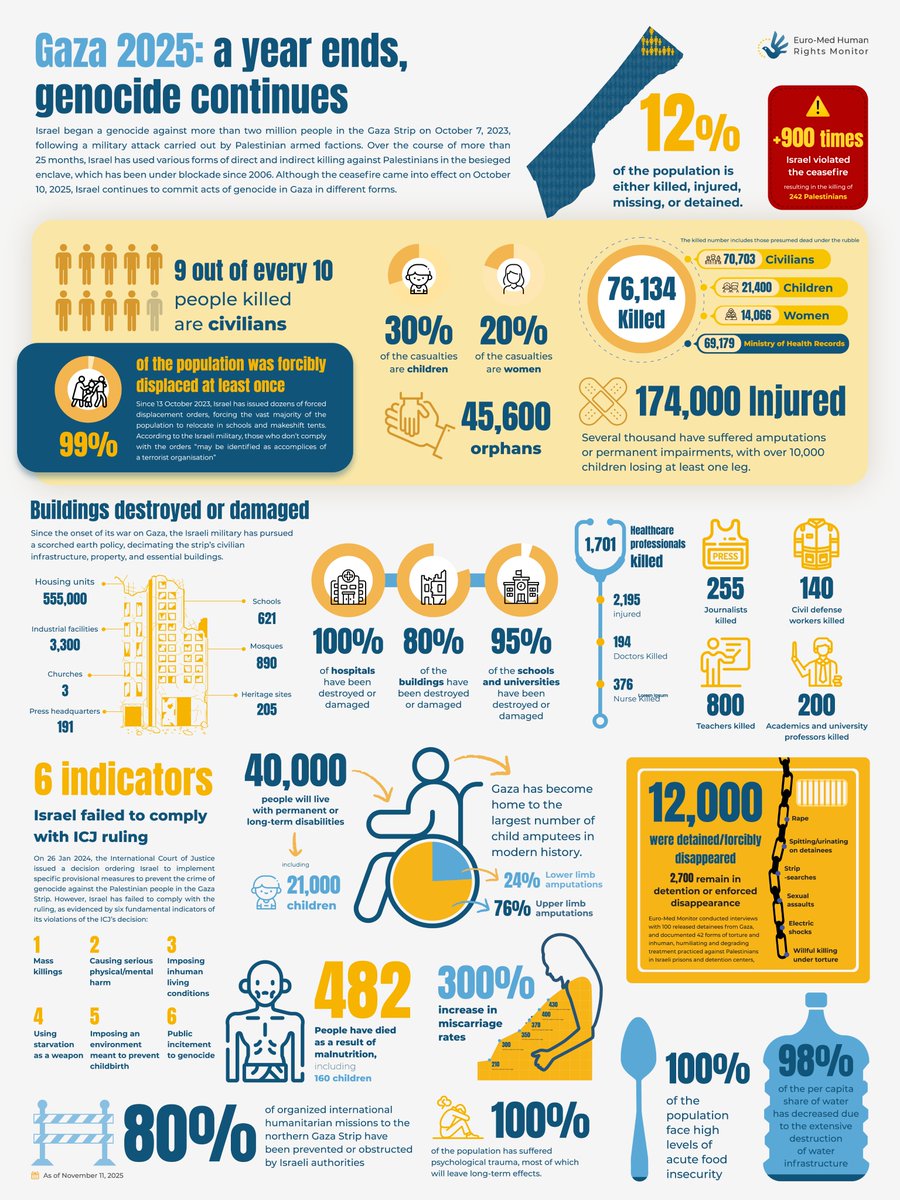
2025 has ended. The genocide in Gaza has not.
Infographic: Israeli violations committed against Palestinians in Gaza from October 2023 through the end of 2025, despite a declared ceasefire and binding ICJ orders⤵️
When Ben & Jerry’s gets shut down for speaking up, you’ve got to ask: what are they afraid of?
This is a company built on taking a stand – on climate action, marriage equality, Black Lives Matter and more.
If you believe in brands with conscience, sign: https://t.co/p8Qqyw4c7D
Not one of our asks was delivered in #Budget2026.
Foster carers continue to provide safe, loving homes for Ireland’s most vulnerable children but without fair financial and practical support, this system is at breaking point.
#FosterCare#Budget2026#FosteringABetterFuture
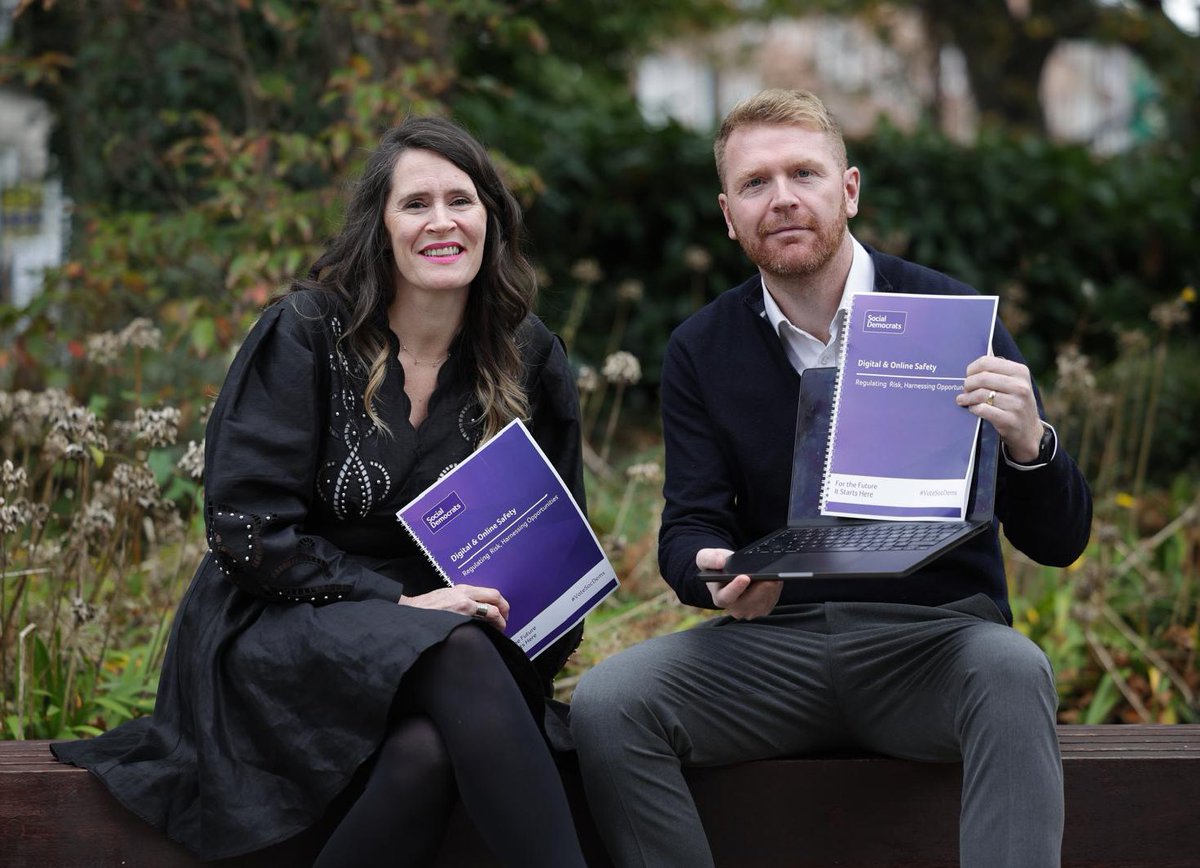
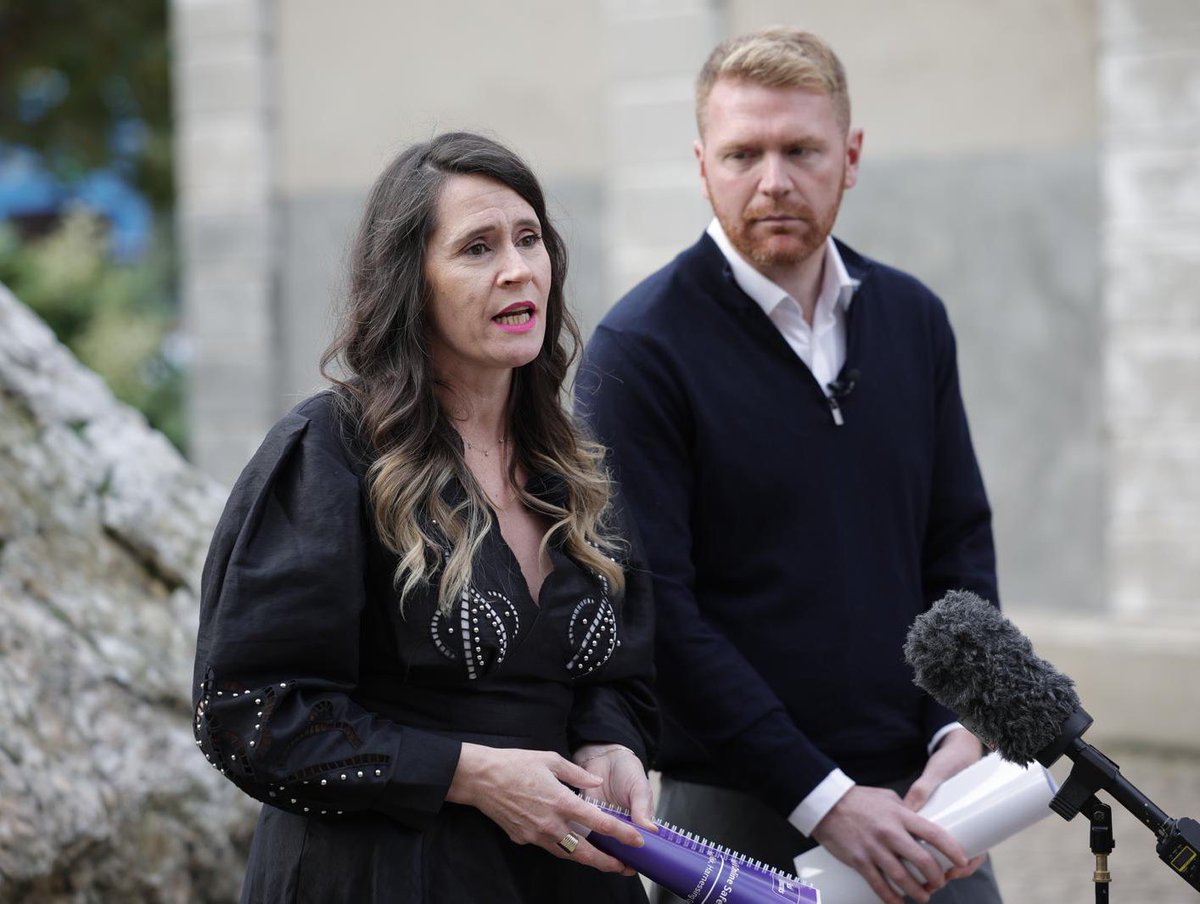
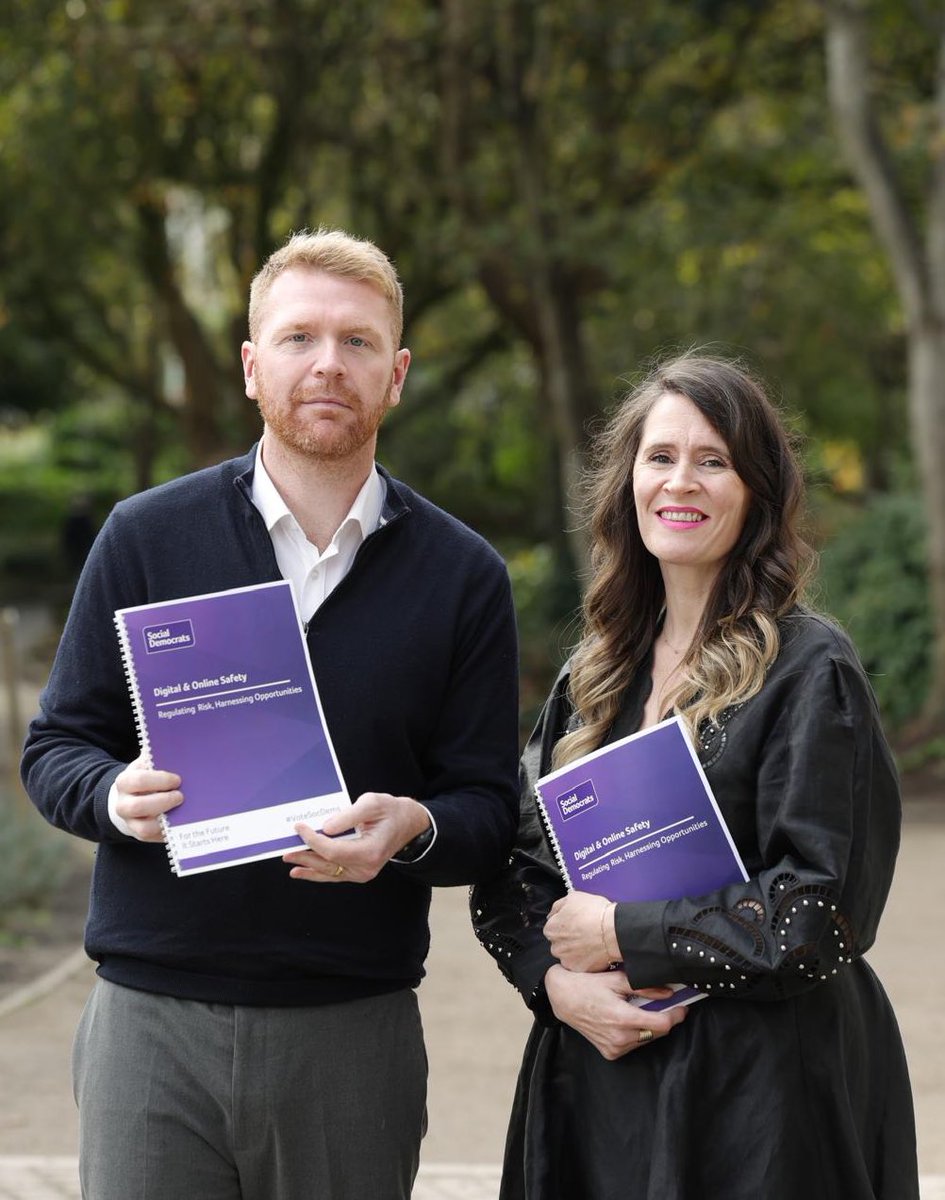
Today we launched our Digital & Online Safety policy.
It is so important that we protect against the dangers and harness the opportunities provided by technological advancement.
Read our policy here ➡️ https://t.co/Tpfhbestkm
"For the first time ever, [@ChildLawProject has] seen cases of young children for whom no foster carer is available; very young children, as young as four years, being placed in residential care; and a ‘waiting list’ for admission to special care.
https://t.co/TIbfFuKLx4
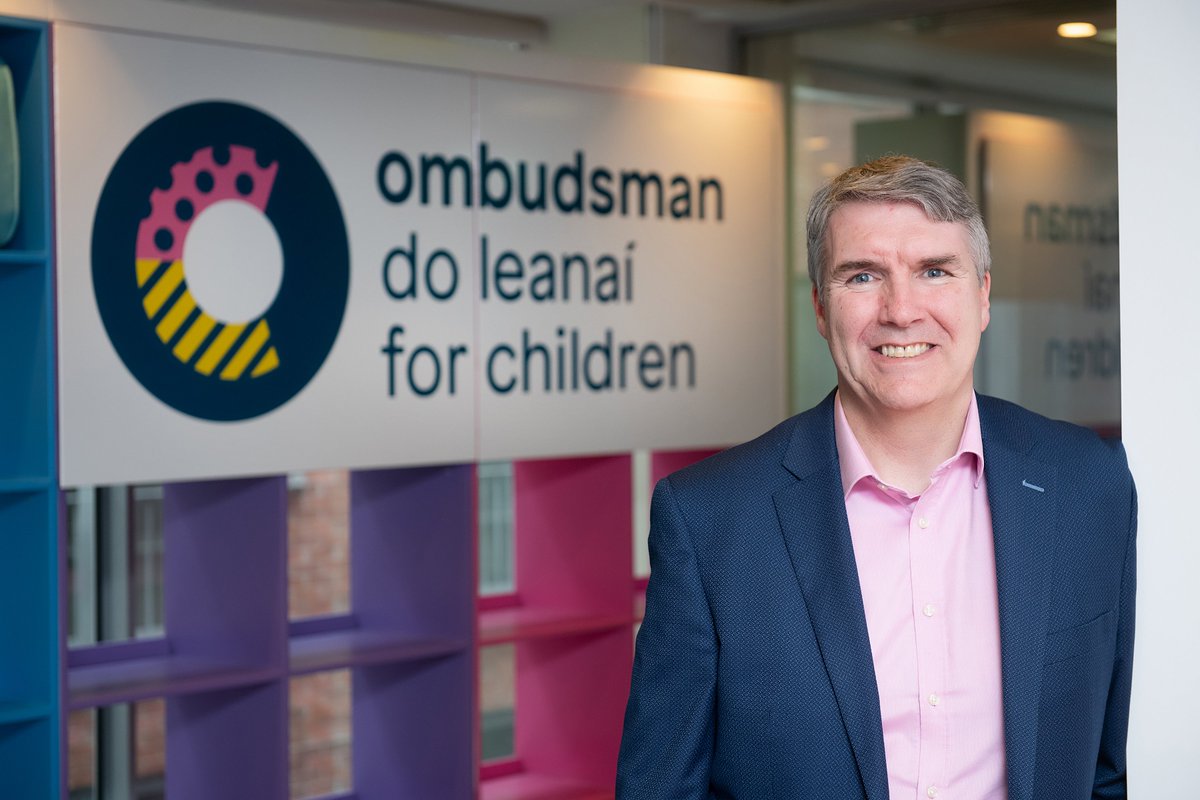
The Ombudsman for Children, Dr Niall Muldoon has written to the Minister for Finance and the Minister for Public Expenditure and Reform urging them to ensure children are prioritised in a meaningful way in the upcoming budgetary process.
https://t.co/zkCOZMaDtU
#budget25#timetodeliver This is an opportunity to ensure that no one foster family is without the resources required to adequately respond to the needs of the child in their care; Govt must act with compassion & foresight now to create a brighter, more equitable future for all.