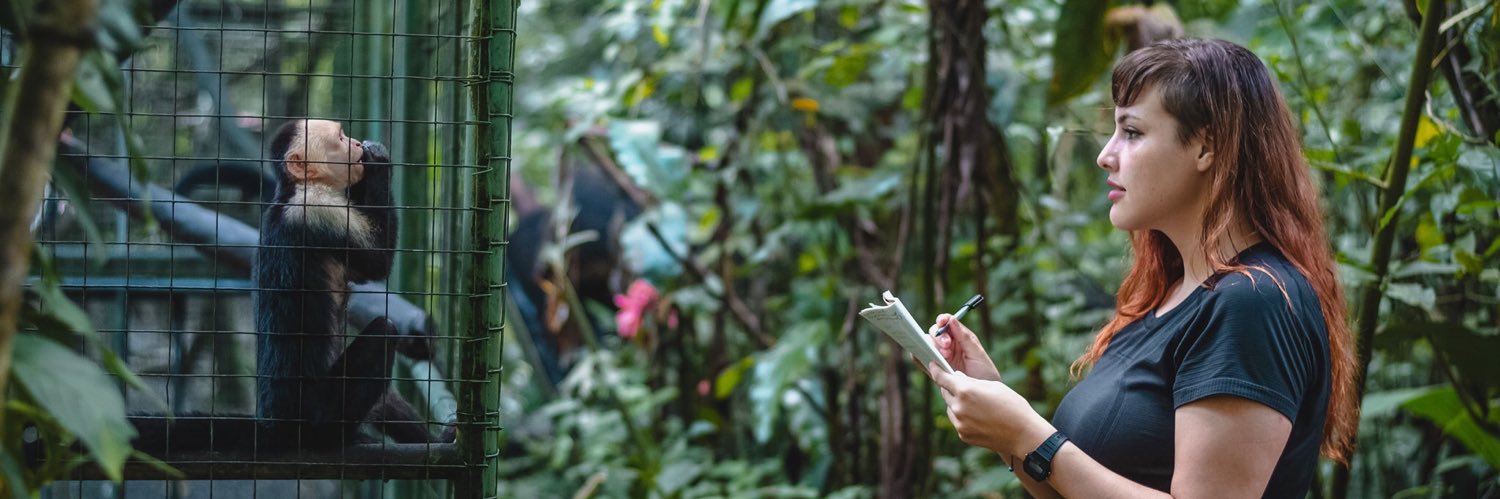
So excited to announce that the methodological portion of my PhD research has been published open access in the Journal of Human-Animal Interactions!
"A field-based Conservation Welfare Assessment Framework for Costa Rican primate sanctuaries"
https://t.co/jafjymR5nS
Reimagining Animal Sentience: A Novel View of Animal Minds
An eye-opening new book seamlessly intertwining science with poetry—"kinpoetics"—depicts other animals as individuals with dynamic personalities, emotional lives, and subjectivity.
https://t.co/YKtDY4RE5B
We are delighted to announce Professor Ronald E. Sánchez Porras as the recipient of the 2025 IPS Charles Southwick Award in recognition of his lifelong dedication, passion, and extraordinary contributions to conservation education in Costa Rica and beyond 1/4
My recent manuscript is out!
The ‘Sanctuary Gap’: Reviewing the Research on Captive Wildlife Sanctuary Tourism https://t.co/aGmcvoQHNg #mdpianimals via @Animals_MDPI
Be sure to join us for the third ASP webinar in the Primates are NOT Pets Webinar Series on February 13 at 8:30 PM EST.
This webinar will focus on how people around the world can help reduce the negative impacts of the primate pet trade on both local and international scales.
"Individual rescue is not enough. By building an animal-friendly infrastructure, we can embed compassion for animals into the basic structures of our shared society."
My latest, on how cities can build a better infrastructure for all, today at @latimes.
https://t.co/buKy6Z4ifK
Why Animals Must Have a Voice in Conservation Protocols
Sentience and an individual's unique personality must be incorporated into conservation protocols.
Animals are the primary stakeholders-granting them agency helps promote more ethical treatment.
https://t.co/rFCQwcjMzR
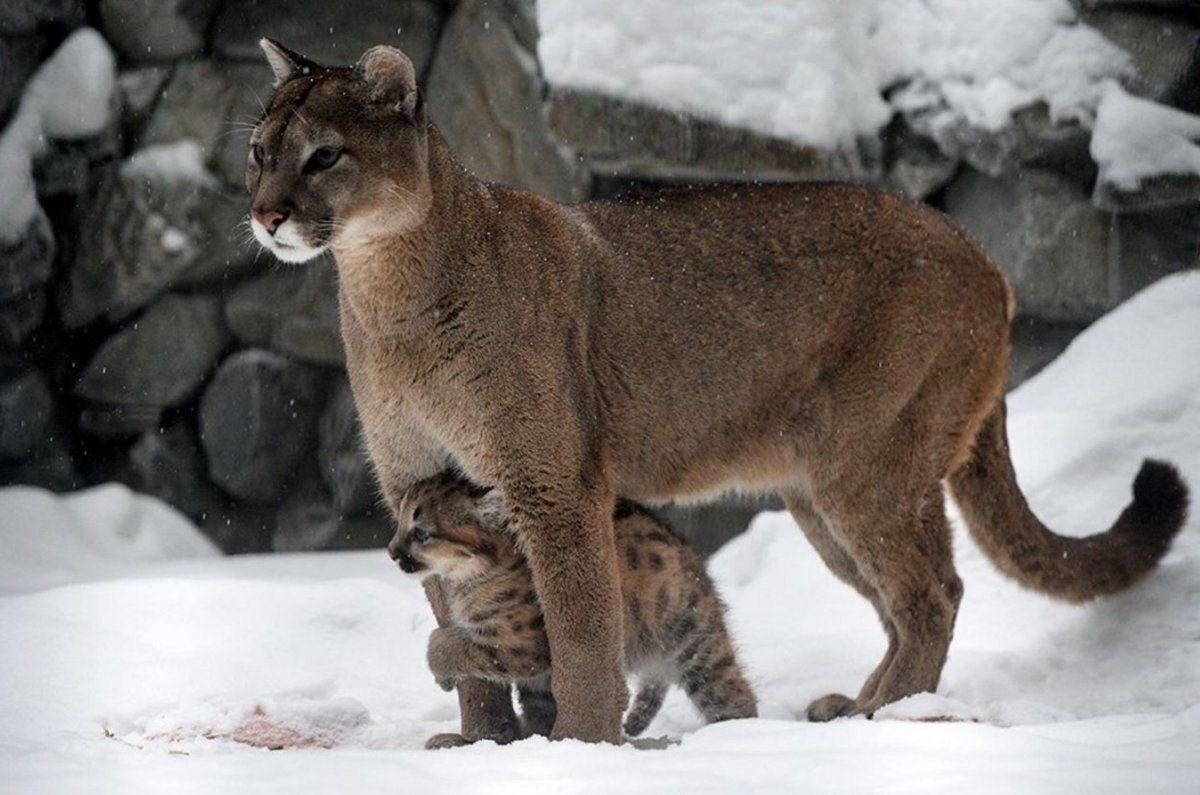
Latin America houses a diverse array of wild cats, ranging from pumas to ocelots. Wild cats rely on habitats that are threatened by urban and agricultural development. While they may have some habitat to sustain a home range, it is becoming crucial to protect wildlife corridors.
Felices por el artículo de @ZaiEsparza (@Inecol_mx) identificando presión de captura y vulnerabilidad para el tráfico de primates.
Happy for the new study by @ZaiEsparza (@Inecol_mx) highlighting capture pressure and susceptibility to primate trafficking.
https://t.co/Ss1LYf3jZ4