Independence is not the same as freedom.
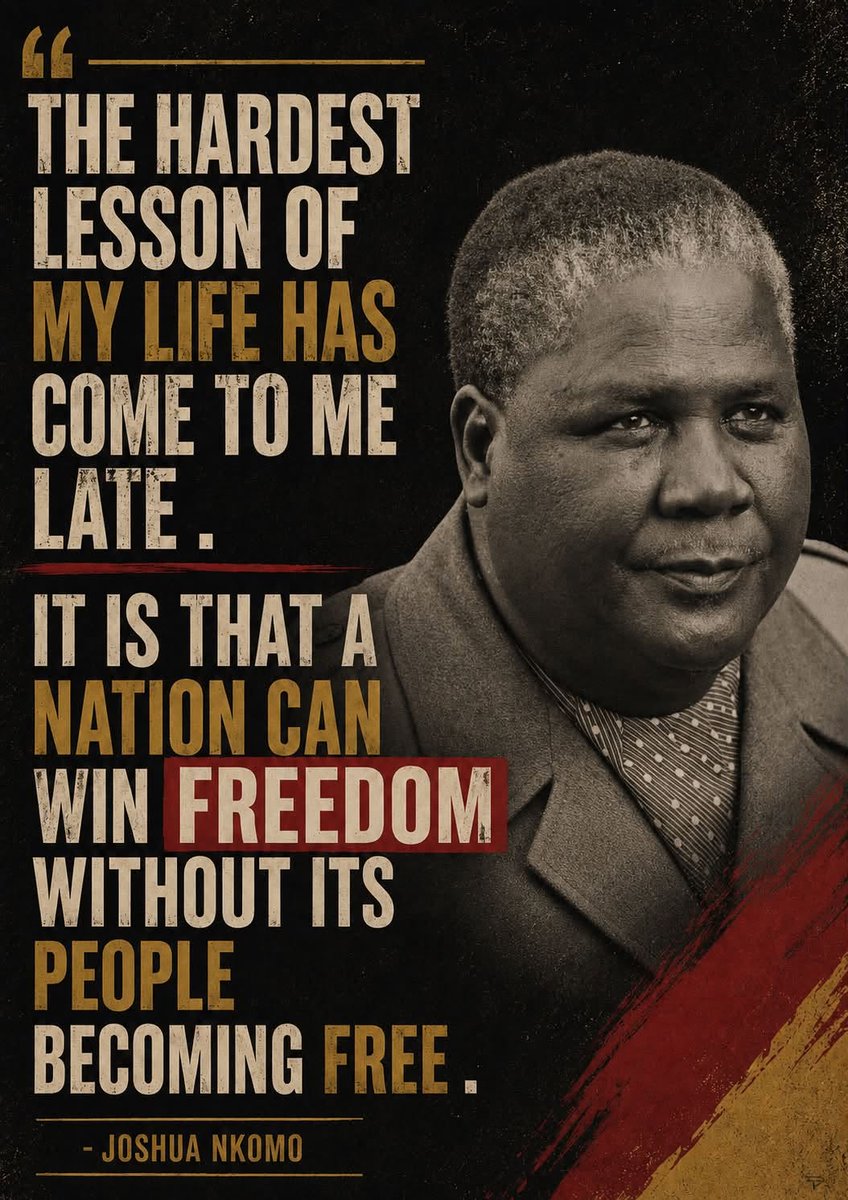
A nation may raise its flag, write its constitution and govern itself — yet its people can remain unfree. Sadly, often needing freedom from those who brought them independence. Joshua Nkomo understood this painful distinction: “A nation can win freedom without its people becoming free.”
More than four decades later, that remains one of Africa’s most profound unfinished conversations.
— Joshua Mqabuko Nkomo, 'Nkomo: The Story of My Life (1984)' | #Zimbabwe Founding Father #Saturdaythought
@daddyhope You are the King in X ( tweeter). I will never jump your tweet. You write simple English for everyone to understand. I salute you my brother.
The shrinking space for democracy in Africa
Authoritarians are gaining ground in an era of more transactional diplomacy
Financial Times Opinion piece
7th August 2026
Nelson Chamisa, a Zimbabwean opposition figure who has twice run for president, was recently in London to drum up support for his democratic cause. “Democracy is not instant coffee,” he said of the difficulty of unseating Zanu-PF, the ruling party that has misgoverned Zimbabwe for much of the time since independence in 1980.
But Chamisa and others must face the reality that prospects for democracy are shrivelling across Africa. The continent reached a high-water mark of regular, if imperfect, elections in the first decade of the century when a combination of western cajoling and popular pressure pushed ruling parties to cede democratic ground.
Since then, civic space has shrunk dramatically as the outside world shrugs its shoulders. Coups, which had all but disappeared, have returned with a bang. There have been more than a dozen successful putsches in the past decade.
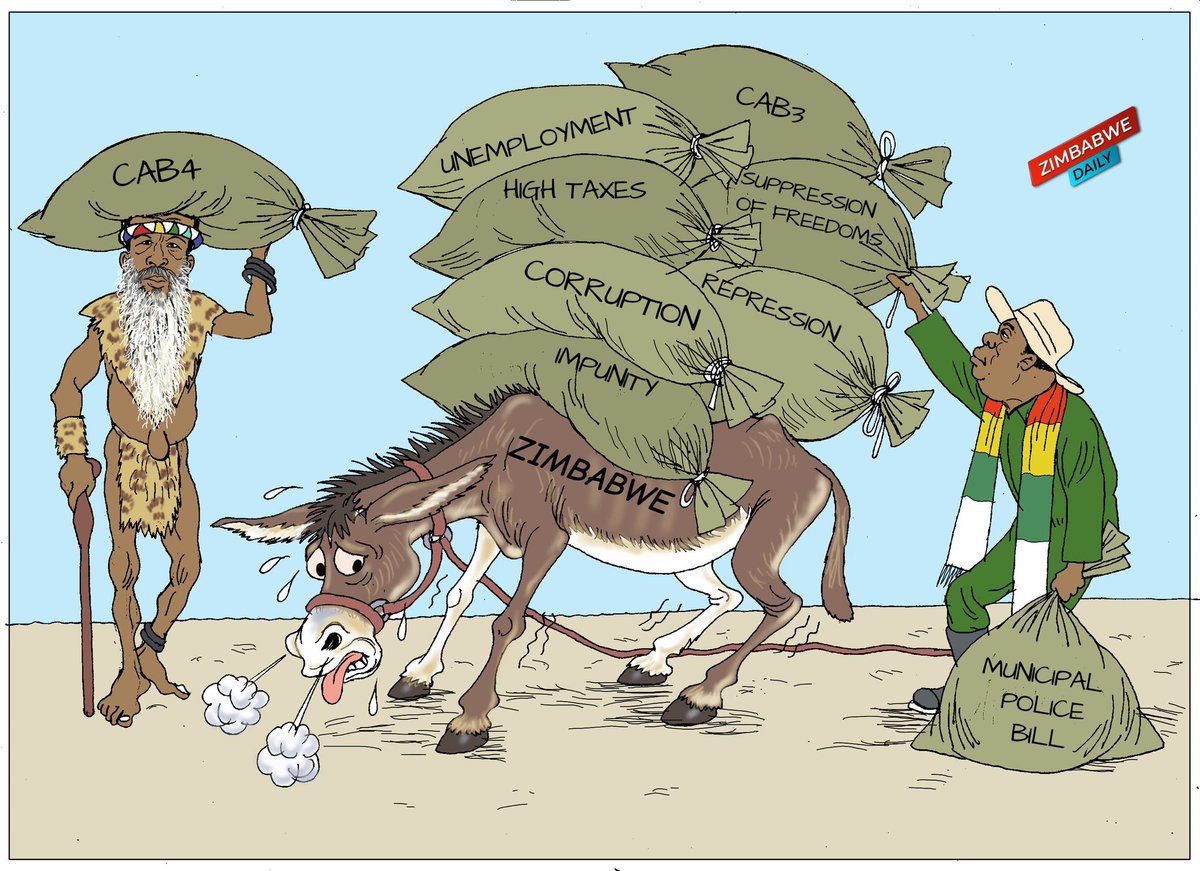
Equally, many leaders have learnt to game the process through constitutional and electoral manipulation and suppression of free speech. In Chamisa’s Zimbabwe, Emmerson Mnangagwa, who replaced Robert Mugabe as president in 2017, used violence to secure victory in 2018 and 2023 elections. Now he is leaving nothing to chance. Parliament has amended the constitution to extend his mandate to 2030, raising fears the 83-year-old could be president for life.
Zimbabwe is far from an isolated case. In Tanzania, a country rarely associated with outright repression, security forces last October killed hundreds of young people protesting against a widely criticised election in which opposition leaders were locked up. They included Tundu Lissu who is currently being tried on trumped-up treason charges. In neighbouring Uganda, Yoweri Museveni, 40 years in power, has chased one democratic pretender Bobi Wine into exile and jailed another, veteran opposition leader Kizza Besigye. The visibly frail Besigye, 70, collapsed in court last week.
The nasty trend is spreading. Western countries once linked aid to at least a nod at democracy. With aid budgets slashed, they have lost leverage. The US, whose own democratic norms are strained, makes little pretence of preferring to deal with democrats. In the Democratic (sic) Republic of Congo, where the US hopes to cut deals for critical minerals, President Felix Tshisekedi has taken the hint that he can safely push for an unconstitutional third term. New powers seeking resources and influence in Africa, from China to Gulf states and Russia, have little interest in democratic freedoms.
The only strong constituent for democracy in Africa is Africans themselves. Surveys by Afrobarometer, a polling group, show consistently high demand for democratic rule. In a landmark 2024 poll, 66 per cent of respondents said they preferred democracy to any other form of government; 80 per cent rejected one-man rule. Opposition to military rule weakened in some countries including Mali and Burkina Faso where it has been installed. Still, 66 per cent rejected rule by junta across the 39 countries surveyed.
Some argue democracy is unsuited to poor countries divided along ethnic lines. They point to authoritarian Rwanda and Ethiopia, relative success stories. One could just as easily mention the authoritarian catastrophes of Cameroon, Equatorial Guinea and Eritrea.
Over the long run, some of the best-performing economies have been more-or-less functioning democracies including Botswana, Ghana, Ivory Coast, Kenya, Mauritius and Senegal. Even Nigeria and South Africa, hardly shining economic success stories, are better off for being democratic. Throughout it all, most Africans have kept the faith that democracy is better than the alternative. Some like Besigye and Lissu have paid dearly for their conviction. They deserve our support.
The minister of international relations and cooperation Ronald Lamola says the continent must implement the AU 2015 resolution that calls for a special conference to discuss measures migration in Africa in a holistic manner. #sabcnews
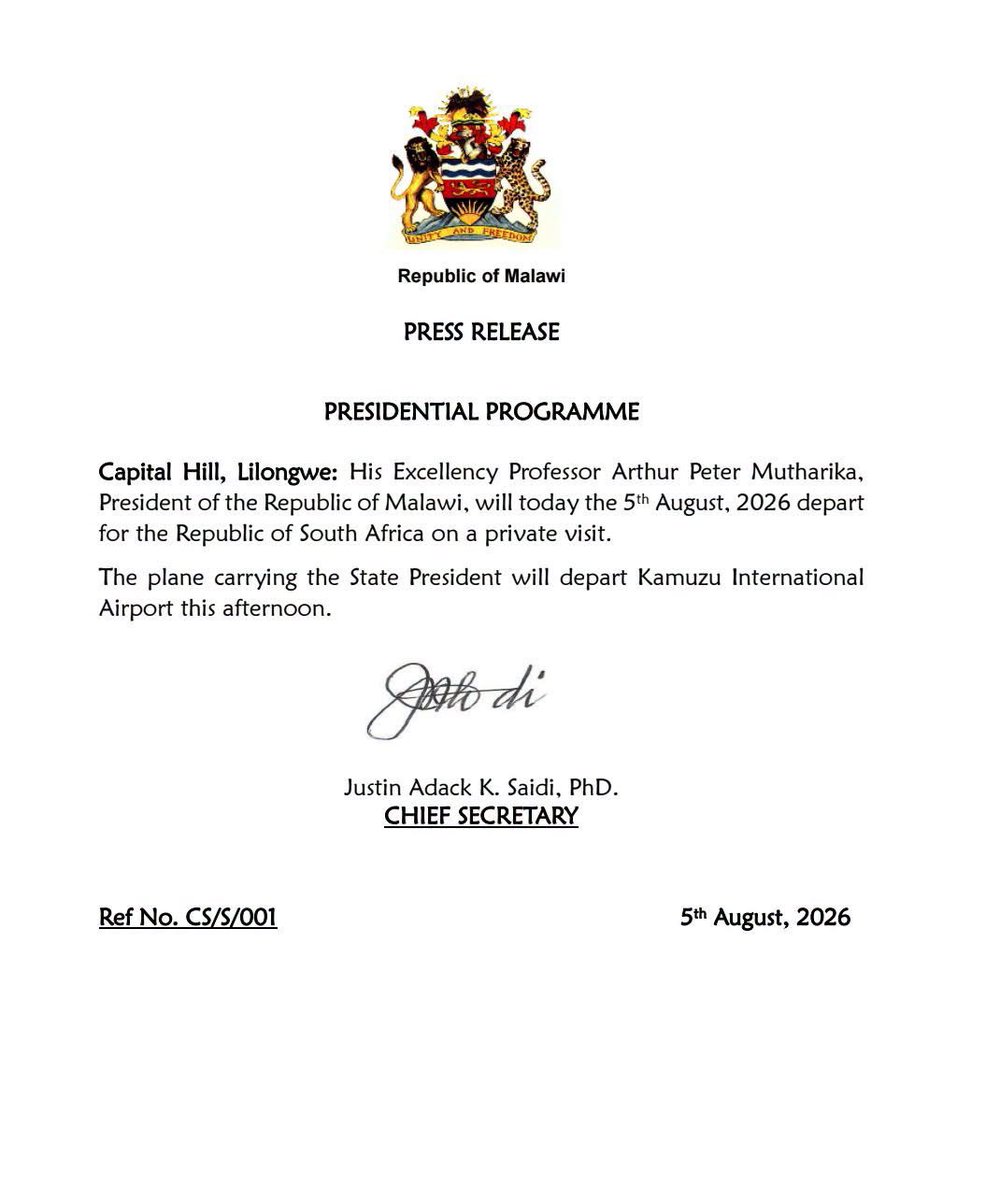
The 87-year-old Malawian President, Arthur Peter Mutharika, has once again left Malawi for South Africa for another medical check-up.
As usual, the trip has been described as a “private visit.” This is his fourth visit to South Africa since returning to office on 27 October 2025. His previous visits were on 14 November 2025, 26 March 2026, and 12 June 2026. Each of these trips has been described as a “private visit.”
These African leaders should be embarrassed. They preside over countries with collapsing public healthcare systems, yet when they need medical attention, they immediately fly to countries whose health systems actually work.
Instead of investing in hospitals, equipment, medicines, and healthcare workers in their own countries, they rely on the very systems they have failed to build at home.
The tragedy is that ordinary Malawians cannot board a presidential jet to seek treatment abroad. They are left to endure hospitals that often lack even the most basic necessities. In some health facilities, there isn’t even a reliable supply of water.
A country’s healthcare system should serve every citizen, not just one man and his family. Until African leaders have the confidence to use the hospitals they oversee, it is difficult to convince citizens that those healthcare systems are fit for purpose.
Today’s trip is Arthur Peter Mutharika’s fourth visit to South Africa for a health check up since returning to office in October 2025.
His first visit was on 14 November 2025, followed by a second on 26 March 2026, a third on 12 June 2026, and now a fourth on 5 August 2026. Each of these trips has been described as a “private visit.”
No it doesn’t make you a bad person mkoma. In a democracy you have every right to support CAB3 just as others have the right to oppose it. The concern is that while you are free to express your support, your ‘friends’ denied others that same freedom by criminalising, arresting & intimidating those who simply said No to CAB3. I believe the democracy in our constitution should not be tested by how we treat those like you who agreed with bill, but by how we protect the rights of those who disagreed with the bill.