In The Kathmandu Post today, Sisir Bhandari and I discuss burgeoning debt level in South Asian economies by looking into structural and idiosyncratic determinants of borrowing needs and advise fiscal decisionmakers to remain wary of the trend.
Link to the article in the comment.
Too often, we dream of the change we wish to see, yet overlook the deeper nature of society and the collective discipline required to achieve it. This article explains why revolution alone is insufficient to structure development or the discourse itself.
Please feel free to read!
OPINION: Gen Z revolt alone can’t transform Nepal
Gen Z seeking a new Nepal must grapple with structural economic and political realities.
https://t.co/yoPTbrAfYE —by Sisir Bhandari
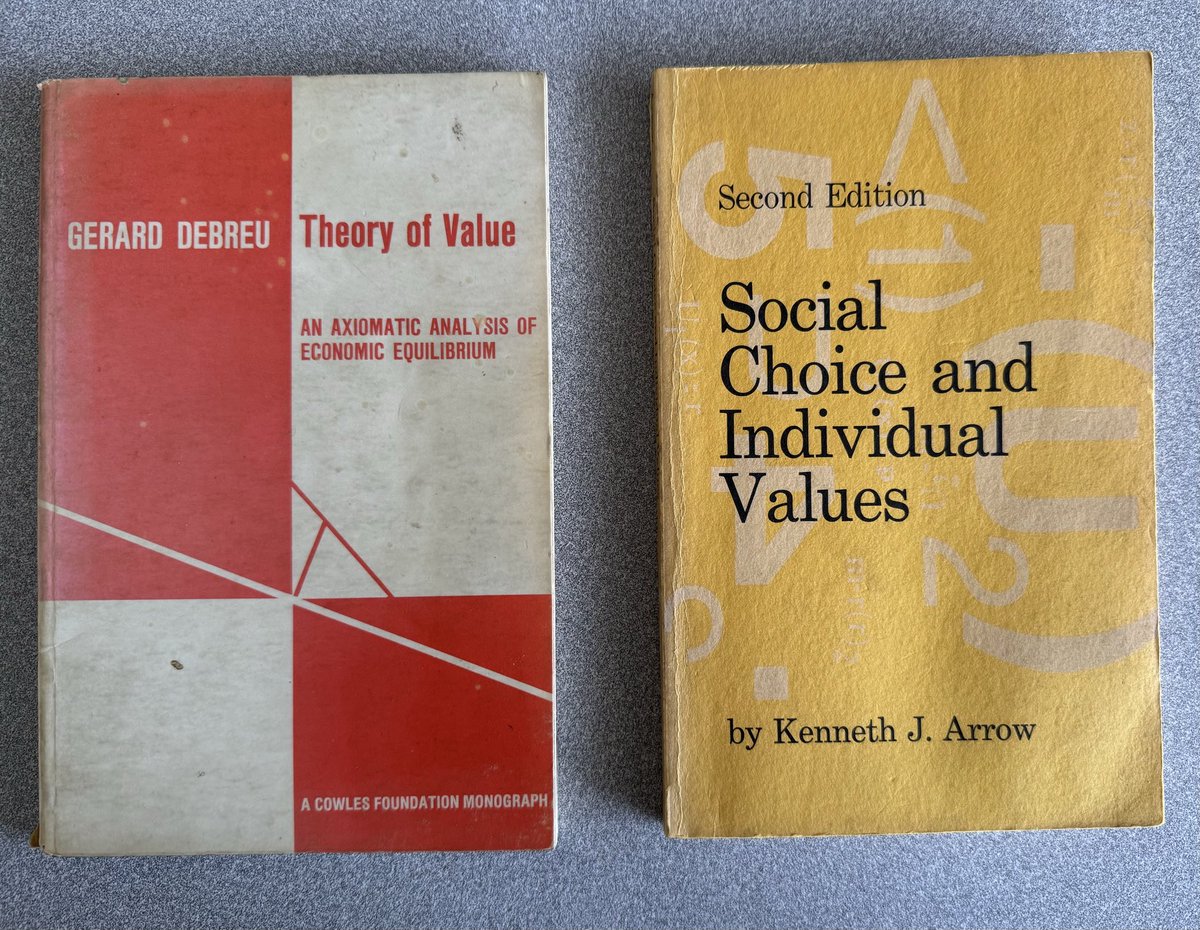
10 Great Books on Institutions and Economics (Nobel Special)
1) Institutions, Institutional Change and Economic Performance - Douglass North
A foundational work in institutional analysis, explaining institutions from first principles and explaining their development through time.
10 Great Books on Macroeconomics
1) A Monetary and Fiscal History of the United States 1961-2021 - Alan Blinder
A terrific work by a leading economist and former central banker. Candid, insightful and often funny, the discussions on academia vs practice are particularly good.
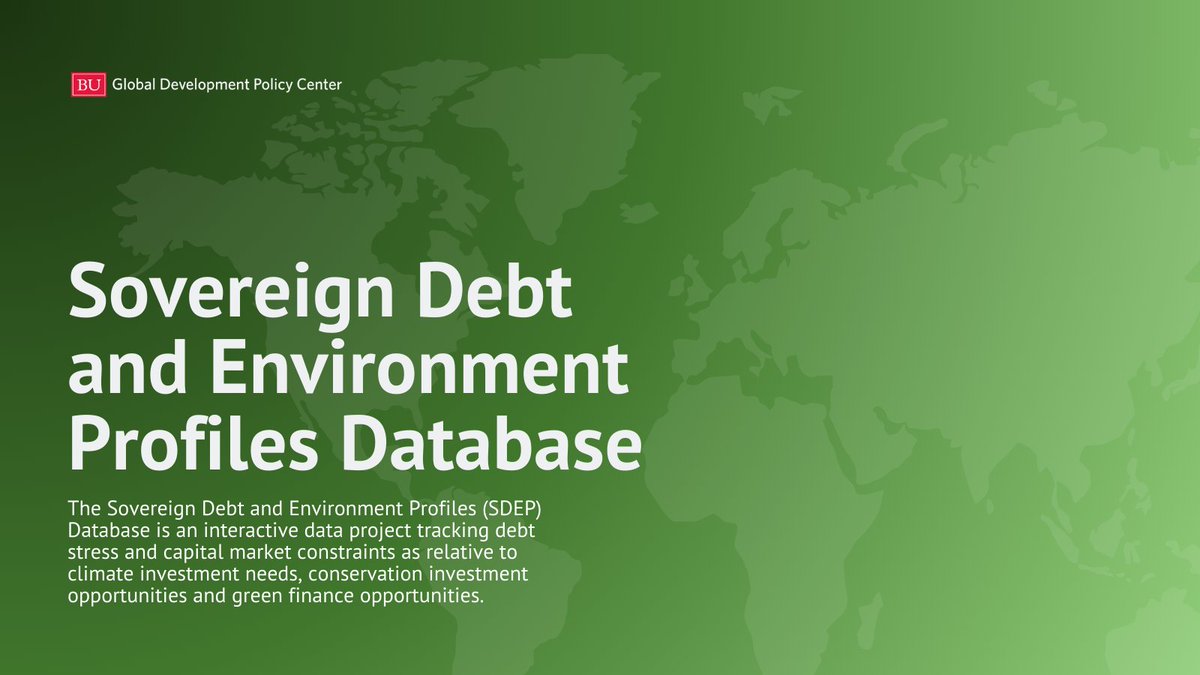
🌱 What are the debt to environment profiles of emerging market + developing economies?
The new Sovereign Debt and Environment Profiles Database explores fiscal constraints + green investment opportunities of 114 EMDEs.
Explore the data: https://t.co/JIXZ5DB6S8
At #ISA2024 we overview our recent RIPE project on International Regime Complexity, the future of the research program and theories of evolution of complexes. Wednesday, 1:45-3:30, Nob Hill 3 in the Hilton. We look forward to seeing you there!
Please join the debate.
My response to @FareedZakaria column in @washingtonpost
last week:
1. Zakaria argues that the "The world of a rules-based international order... emerged from the European enlightenment", mentioning specifically Hugo Grotius and Immanuel Kant.
My response is to point to the racism of enlightenment thinkers like Kant. Grotius defended Dutch imperialism.
2. Zakaria credits the liberal order to the "long peace" or the absence of great power conflict since 1945.
My response, the "long peace" was a period of bloody wars in Global South many of which were fueled in part by western resistance to decolonization, in Vietnam, Algeria and Kenya or the manner of decolonization as in South-Asia.
3. Zakaria says that many of what he calls Liberal values were invented in the West and then imitated by others /Rest.
I argue that values such as humanitarianism, peaceful resolution of conflict, great power cooperation, rational inquiry, emerged many parts of the world, well before Enlightenment or rise of the West. They are universal values.
I also argue that the post-war world order's normative principles - such as anti-colonialism, and anti-racism, human rights and support for international peace and cooperation were developed with strong agency by decolonized states.
4. Zakaria fears that if the liberal order or western supremacy ends, "we will return to a world that is more impoverished, tense and conflict-ridden than the one we have known for generations."
This view ignores that
some of the worst conflicts or "fires" were like Iraq and Libya were the result of Western policies, or reluctance to prevent and sct morally such as the Gaza killings.
My purpose is not to attack Zakaria, but to point out that the history of world order - when looked outside of the established Western discourse that he so frequently and eloquently defends, refutes many of his arguments. As a major influencer of world order policy debates, he should take these criticisms and facts into account, which I will elaborate in my forthcoming book;
"The once and future world order" Basic Books.
Let readers decide.
How to beat the backlash that threatens the liberal revolution
Fareed Zakaria, March 22, 2024
https://t.co/MVUq2vn9Yl
Sri Lanka / IMF 2nd review SLA: "[] agreements in principle with the [OCC] & Export-Import Bank of China on debt treatments consistent with program parameters were important milestones putting [] debt on the path towards sustainability ..." https://t.co/bsVbUEUQa8