An extraordinary marine heatwave has developed off the east coast of Canada, with hundreds of thousands of square miles of ocean experiencing sea surface temperatures more than 5°C (9°F) above normal and max anomalies approaching 10°C (18°F) above normal.
Thermal stress from this marine heatwave could have major impacts on marine life in the Northwest Atlantic.
The climate crisis is pushing global temperatures 'off the chart’. Unprecedented heat waves are hitting the Mediterranean Sea, a marine biodiversity hotspot (thanks to Posidonia 😉). 'Seagrasses in the Anthropocene' is the theme of the next #isbw15. See you all in Napoli!
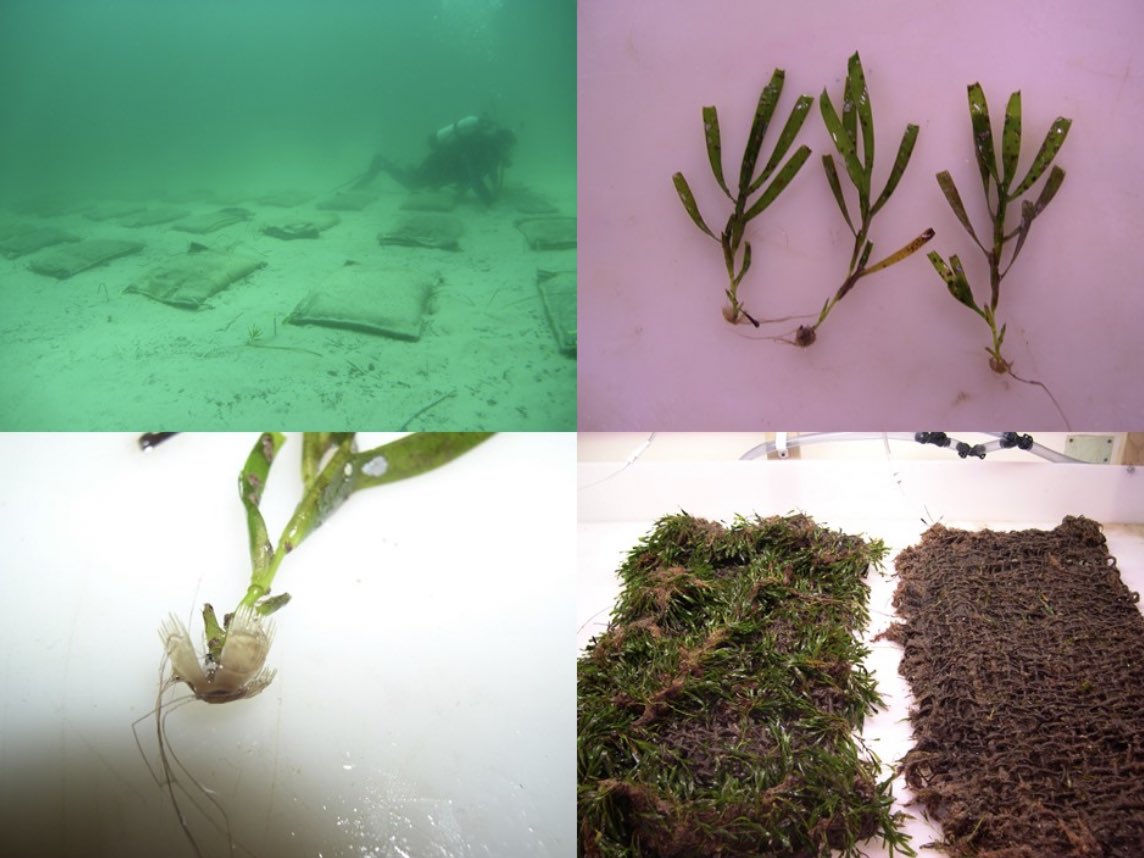
📢 First data chapter from my PhD is out! We carried out field experiments to investigate the most appropriate methods to restore the #seagrass#𝑍𝑜𝑠𝑡𝑒𝑟𝑎 𝑚𝑢𝑒𝑙𝑙��𝑟𝑖 in #Westernport AUS. https://t.co/NLklmqO6if Deets in thread! 1/5
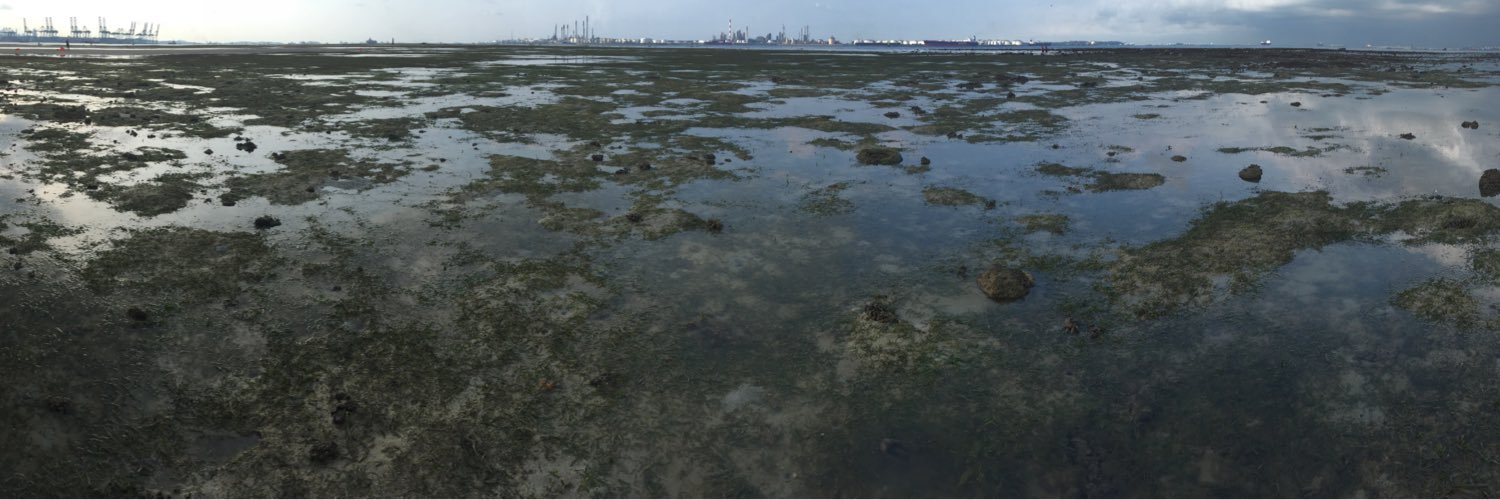
Chek Jawa is my favourite Seagrass habitat in SG. The end bit about managing ecological resilience is key. Thanks @ClaraLeeCNA for the fun interview! https://t.co/qhS1Ljb1Ak
This analogy hits the nail on the head. Academia is broken and surely the best and the brightest in it can come up with a better system? Or are we happy to keep up the exploitation so those at the top stay well-fed and watered? #AcademicTwitter#academiaisbroken
@kixes Can someone get the PA to weigh in on whether this was racist or an appreciation of Chinese culture (as the student claimed it was)? Cos you know, they're the authority https://t.co/ulBE1ZcQcb
Once decimated by disease, eelgrass is now recovering after a decades-long restoration in Virginia.
Since it's returned the water is clearer, wildlife has returned & carbon & nitrogen sequestration rates are back at levels seen in undisturbed ecosystems.
https://t.co/Hpw7I3o2DK