Our plantable Mother's Day cards are now available at these Exclusive Books stores: 🥳🥳🥳
Mall of Africa
Rosebank
Nicolway (Winnie Mandela)
Menlyn
Gift mom the beautiful gift of GROWTH with our plantable Mother's Day cards.
[email protected] || 078 272 7555
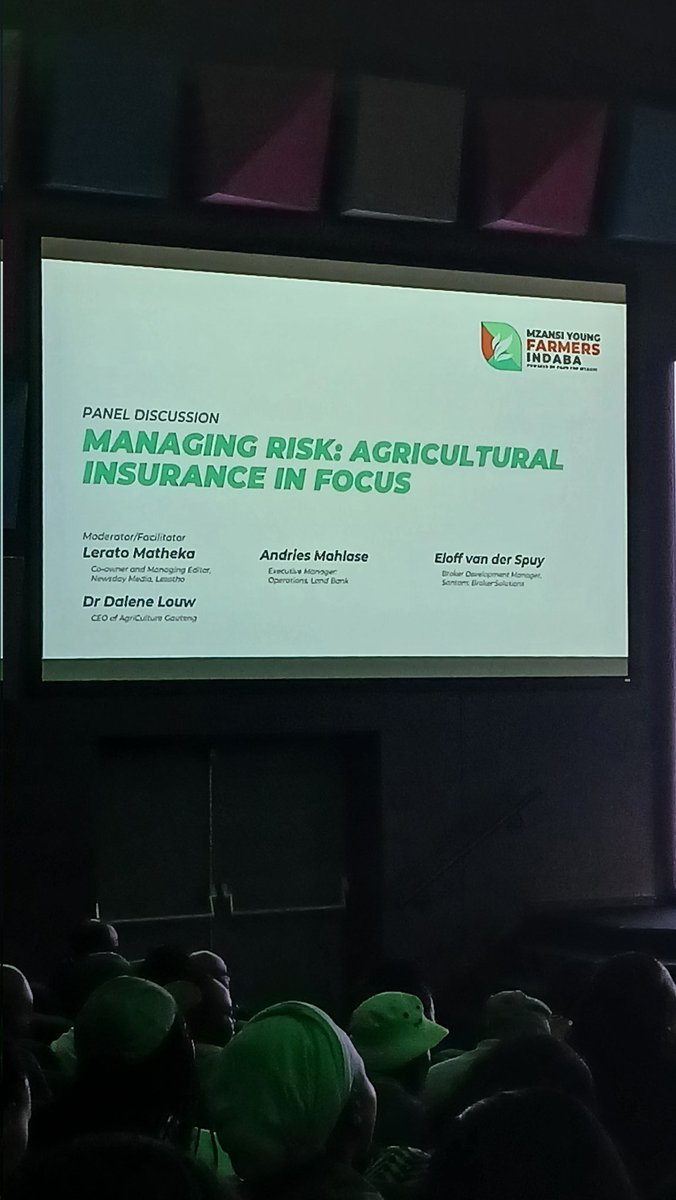
Starting Day 2 of the #FFMIndaba26 on a high! 💪 @foodformzansi
Proud to see our very own Lerato @LavidaAff of @seahlolonews & @LsNewsday moderating a powerful panel:“Managing Risk – Agricultural Insurance in Focus.”
Lesotho 🇱🇸 to the world — we show up, we lead, we represent!
Hi My Name is Lemekoane, an Afro rap/ Hip hop act from Lesotho and this is my jam Jega Ba Bone ft Jiji F off MIPs - Make It Pop 2026 Collection. Please enjoy, like , comment and share.
#SOE#Lesotho#SouthAfrica#Botswana#Music
Kindly listen to this week’s episode of The Battle for African Agriculture. I had a lovely conversation with Dr. Million Belay. We discuss food sovereignty, indigenous crops like sorghum #MabeleLumela, disappearing food traditions, & reclaiming African food systems.
𝐓𝐡𝐞 𝐁𝐚𝐭𝐭𝐥𝐞 𝐟𝐨𝐫 𝐀𝐟𝐫𝐢𝐜𝐚𝐧 𝐀𝐠𝐫𝐢𝐜𝐮𝐥𝐭𝐮𝐫𝐞 𝐏𝐨𝐝𝐜𝐚𝐬𝐭 || 𝐄𝐩𝐢𝐬𝐨𝐝𝐞 𝟏𝟕 - 𝐖𝐢𝐭𝐡 𝐂𝐡𝐞𝐟 𝐒𝐤𝐚 𝐌𝐢𝐫𝐫𝐢𝐚𝐦 𝐌𝐨𝐭𝐞𝐚𝐧𝐞
In this episode of The Battle for African Agriculture, Dr. Million Belay speaks with Ska Mirriam Moteane @Skamoteane an international award-winning chef, cookbook author, activist, entrepreneur, and food consultant who has spent nearly three decades in kitchens championing Basotho cuisine. Ska Mirriam shares how her love for food began with childhood memories of school holidays in a rural village, where her grandmother cooked without electricity or a fridge, gathered the whole family around the fire, and nourished everyone with simple meals and storytelling that made those moments unforgettable.
She explains Basotho cooking as beautifully simple, often built on two or three ingredients, and rooted in grains, beans, peas, barley, and especially sorghum, which she describes as Lesotho’s original staple before maize became dominant. She speaks passionately about sorghum’s cultural importance, its climate resilience, and the danger of losing identity as eating habits shift. One of the most striking stories is the harvest tradition where the whole village comes together: women sort and winnow, men thresh, and when there is no wind, a “wind whisperer” is called to chant by a small fire until the wind arrives, allowing the community to complete the vital process of storing food.
The conversation also explores food as resistance and food sovereignty as total control of what goes onto one’s plate, with Basotho communities owning the full chain from production to consumption. Ska Mirriam calls on young Africans to fall back in love with their food, insisting that African food is good enough, clean, pure, flavorful, and worthy of pride. She challenges culinary education systems that teach French and Italian cuisine while leaving chefs ignorant of their own traditions, and she closes with a Basotho dish that captures the spirit of the people: a nourishing mix of whole-grain sorghum cooked with beans and vegetables, a complete meal that reflects heritage, health, and self-reliance.
Listen to the full conversation on YouTube, Apple Podcasts, Spotify and across all our social media platforms.
YouTube
https://t.co/6AjT4jwe4U
Spotify
https://t.co/lFxHgAmPX8
Apple Podcast
https://t.co/ffJPzpuWjo
Subscribe. Share. Engage.
Lesotho women fighting food colonialism with Sorghum:
In this week's episode of The Battle for African Agriculture, I had a conversation with Chef Ska Mirriam from Lesotho, a chef, a cookbook author, and a culinary business consultant who has over 20 years of experience in this field. We explored the topics of food as culture, memory, and resistance. Chef Mirriam shares reflections on sorghum, an indigenous Lesotho crop that is being overshadowed by maize, disappearing food traditions, and why reclaiming African food systems begins with believing that our food is good enough. She also recounts her experience in culinary school, where French and Italian cuisine took centre stage and African food was completely absent from the curriculum. The conversation reminds us that food is never just about what is on the plate. It is about identity and dignity. She concludes by emphasising that food sovereignty is rooted in being in total control of what goes on our plates. Listen to this insightful episode on YouTube, Spotify, RSS, and Apple Podcasts linked below:
YouTube: - https://t.co/5iPnV1FIHK
SPOTIFY - https://t.co/ggf0fcPgSq
Apple - https://t.co/PNDVunCldS
RSS - https://t.co/eVtkkH4lrV
#Agroecology #FoodSovereignity #BattleForAfricanAgriPOD #AfricanChefs
Today on #WorldFoodDay I'm proud to join #EmptyPlates & #HungryforAction & it’s time we ask those in power: Who do you serve?
Hunger is human-made!
We need to transform food systems to make them resilient, inclusive, and just. The time to act is NOW.
#ZeroHunger#GoodFood4All
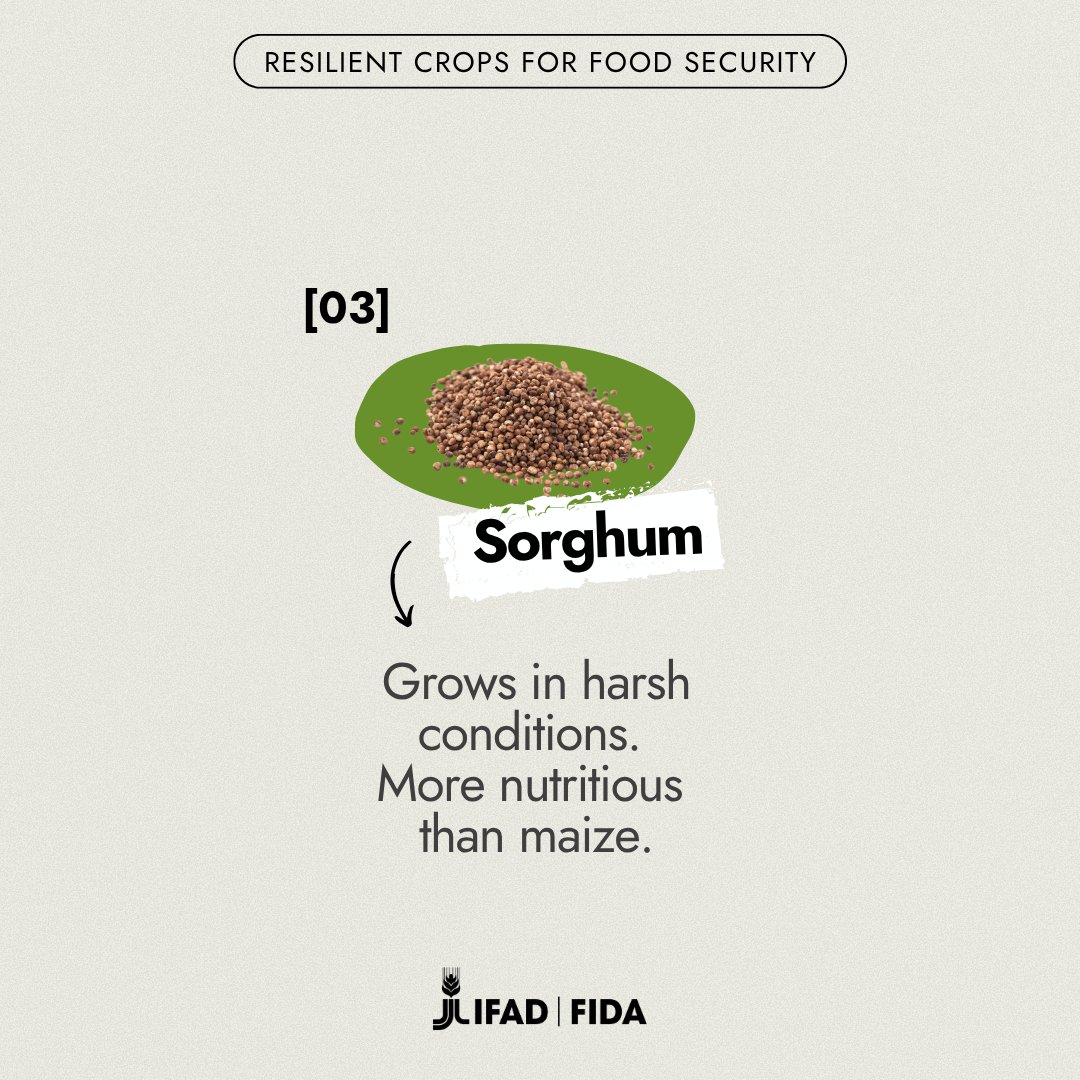
3/ Sorghum has been around for thousands of years, but today it's staging a comeback. Drought-tolerant, low-input and loaded with nutrients, it’s reclaiming its place as a smart & sustainable staple. ☀️🍚
Highlights from our sorghum 🌾feast stall at the Alliance Française @renoka_movement
Farmer's Market. Thanks to everyone who stopped by, created a bowl & shared in the joy of supporting our farmers! #MabeleLumela#SupportLocal#SustainableFood#TikTok https://t.co/EP63oX6IKM
AFSA’s General Coordinator, Dr. @Million_Belay invites audiences into T𝐡e B𝐚t𝐭l𝐞 𝐟o𝐫 𝐀f𝐫i𝐜a𝐧 𝐀g𝐫i𝐜u𝐥t𝐮r𝐞—a new podcast he hosts that goes beyond headlines to examine the deep, enduring forces shaping Africa’s food systems. The series will explore how colonial and neo-colonial legacies continue to influence what Africans grow, eat, and trade, often undermining food sovereignty, eroding biodiversity, and weakening the connection between people, nature and culture.
In each episode, Dr. Million engages with some of the most insightful and courageous voices—scholars, farmers, activists, and policy makers—who understand the roots of Africa’s agricultural challenges and are working to build just, ecological, and culturally grounded alternatives.
Episodes, grouped into thematic series and released every Friday, will unpack different dimensions of the struggle over Africa’s agricultural future, questioning imposed models, sharing stories of resistance, and highlighting African-led solutions.
This podcast aims to provide a fresh perspective to understand, resist, and find solutions toward shifting real power and ownership back to the people—smallholder food producers—restoring their culture, identity, livelihoods, and local economies, and shaping the future Africa chooses for itself.
Through open and thought-provoking conversations, The Battle for African Agriculture invites listeners to reflect, engage, and be part of the movement toward food systems that work in harmony with nature and serve communities across the continent.
Listen to the first episode on all streaming platforms below!
Subscribe. Share. Engage.
YouTube
https://t.co/tqERlmdBrs
Spotify
https://t.co/LxBcR7N2PC
Apple Podcast
https://t.co/pLtjAZM1Ns
RSS
https://t.co/aMFolF6XN3
𝐇𝐨𝐰 𝐚 𝐆𝐡𝐚𝐧𝐚𝐢𝐚𝐧 𝐆𝐢𝐫𝐥𝐬’ 𝐒𝐜𝐡𝐨𝐨𝐥 𝐢𝐬 𝐋𝐞𝐚𝐝𝐢𝐧𝐠 𝐚 𝐋𝐨𝐜𝐚𝐥 𝐅𝐨𝐨𝐝 𝐑𝐞𝐯𝐨𝐥𝐮𝐭𝐢𝐨𝐧
In Wa Municipality, Ghana, a quiet yet powerful transformation is reshaping how young people see and value their food. At Dan-Ibu International School, every Wednesday is dedicated entirely to indigenous meals – from the canteen to lunchboxes and snacks. This simple policy, introduced in October 2024 and driven by the Centre for Indigenous Knowledge and Organizational Development (CIKOD) under AFSA’s #MyFoodIsAfrican campaign, has sparked a wave of pride, curiosity, and cultural revival.
Through workshops, food fairs, and storytelling, students have rediscovered the health, heritage, and environmental benefits of traditional dishes like tuo zaafi, banku, palm nut soup, groundnut soup, and apapransa. The change goes beyond taste – it’s shifting mindsets. Local foods, once hidden in shame, are now celebrated as stylish, desirable, and deeply tied to identity and sovereignty.
The impact reaches beyond school walls. Parents are cooking more indigenous meals at home, vendors are offering traditional dishes, and local media is amplifying the conversation. Students have formed a Local Food Ambassadors Club, leading awareness activities and mentoring peers. While challenges like ingredient availability remain, partnerships with farmers and women’s groups are helping bridge the gap.
Dan-Ibu’s experience is inspiring other schools and drawing interest from policymakers eager to formalize “Indigenous Food Days” nationwide. For the students, the lesson is lasting: their food tells their story – and they are determined to keep that story alive.
Read the full inspiring story here:
https://t.co/9vpzE65wAy