Understanding P-Values is essential for improving regression models. In 2 minutes, learn what took me 2 years to figure out.
1. The p-value: A p-value, in statistics, is a measure used to assess the strength of the evidence against a null hypothesis.
2. Null Hypothesis (H0): This is a general statement or default position that there is no relationship between two measured phenomena or no association among groups. For example, the regressor does not affect the outcome.
3. Alternative Hypothesis (H1): This is what you want to test for. It is often the opposite of the null hypothesis. For example, that the regressor does affect the outcome.
4. Calculating the p-value: The p-value for each coefficient is typically calculated using the t-test. There are several steps involved. Let's break them down.
5. Coefficient Estimate: In a regression model, you have estimates of coefficients (β) for each predictor. These coefficients represent the change in the dependent variable for a one-unit change in the predictor, holding all other predictors constant.
6. Standard Error of the Coefficient: The standard error (SE) measures the accuracy with which a sample represents a population. In regression, the SE of a coefficient estimate indicates how much variability there is in the estimate of the coefficient.
7. Test Statistic (T): The test statistic for each coefficient in a regression model is calculated by dividing the Coefficient Estimate / Standard Error of the Coefficient. This gives you a t-value.
8. Degrees of Freedom: The degrees of freedom (df) for this test are usually calculated as the number of observations minus the number of parameters being estimated (including the intercept).
9. P-Value Calculation: The p-value is then determined by comparing the calculated t-value to the t-distribution with the appropriate degrees of freedom. The area under the t-distribution curve, beyond the calculated t-value, gives the p-value.
10. Interpretation: A small p-value (usually ≤ 0.05) indicates that it is unlikely to observe such a data pattern if the null hypothesis were true, suggesting that the predictor is a significant contributor to the model.
===
Need help applying data science to business?
I'd like to help. Here's how:
👉 My Free 10 Skills Webinar: I put together a free on-demand workshop that covers the 10 skills that helped me make the transition to Data Scientist: https://t.co/LR39RJ5XKB
👉 Learn ChatGPT for 10X Faster DS Projects: I have a live workshop where I'll share how to use ChatGPT for Data Science (so you can complete projects 10X faster): https://t.co/EaMpKrJiqX
If you like this post, please reshare ♻️ it so others can get value (follow me, 🔥 Matt Dancho 🔥 for more data science concepts).
Git Merge vs. Rebase vs. Squash Commit!
What are the differences?
When we 𝐦𝐞𝐫𝐠𝐞 𝐜𝐡𝐚𝐧𝐠𝐞𝐬 from one Git branch to another, we can use ‘git merge’ or ‘git rebase’. The diagram below shows how the two commands work.
𝐆𝐢𝐭 𝐌𝐞𝐫𝐠𝐞
This creates a new commit G’ in the main branch. G’ ties the histories of both main and feature branches.
Git merge is 𝐧𝐨𝐧-𝐝𝐞𝐬𝐭𝐫𝐮𝐜𝐭𝐢𝐯𝐞. Neither the main nor the feature branch is changed.
𝐆𝐢𝐭 𝐑𝐞𝐛𝐚𝐬𝐞
Git rebase moves the feature branch histories to the head of the main branch. It creates new commits E’, F’, and G’ for each commit in the feature branch.
The benefit of rebase is that it has 𝐥𝐢𝐧𝐞𝐚𝐫 𝐜𝐨𝐦𝐦𝐢𝐭 𝐡𝐢𝐬𝐭𝐨𝐫𝐲.
Rebase can be dangerous if “the golden rule of git rebase” is not followed.
𝐓𝐡𝐞 𝐆𝐨𝐥𝐝𝐞𝐧 𝐑𝐮𝐥𝐞 𝐨𝐟 𝐆𝐢𝐭 𝐑𝐞𝐛𝐚𝐬𝐞
Never use it on public branches!
--
Subscribe to our weekly newsletter to get a Free System Design PDF (158 pages): https://t.co/FIzCeaWsZV
The monthly close in gold prices at all-time highs makes silver one of the most important charts in macro right now.
The metal just broke out from a decade-long resistance after 3 years of major consolidation.
It sure looks like precious metals have turned, and the bottom for miners and silver are probably in.
No matter how much money you invest, your portfolio should be smth like this:
- 30% BTC
- 20% ETH
- 15% quality altcoins
- 5% high potential "shitcoins"
- 10% working (trading) capital
- 20% USDT (to buy dips)
Rotate gains to increase position size, or derisk in USDT, repeat.
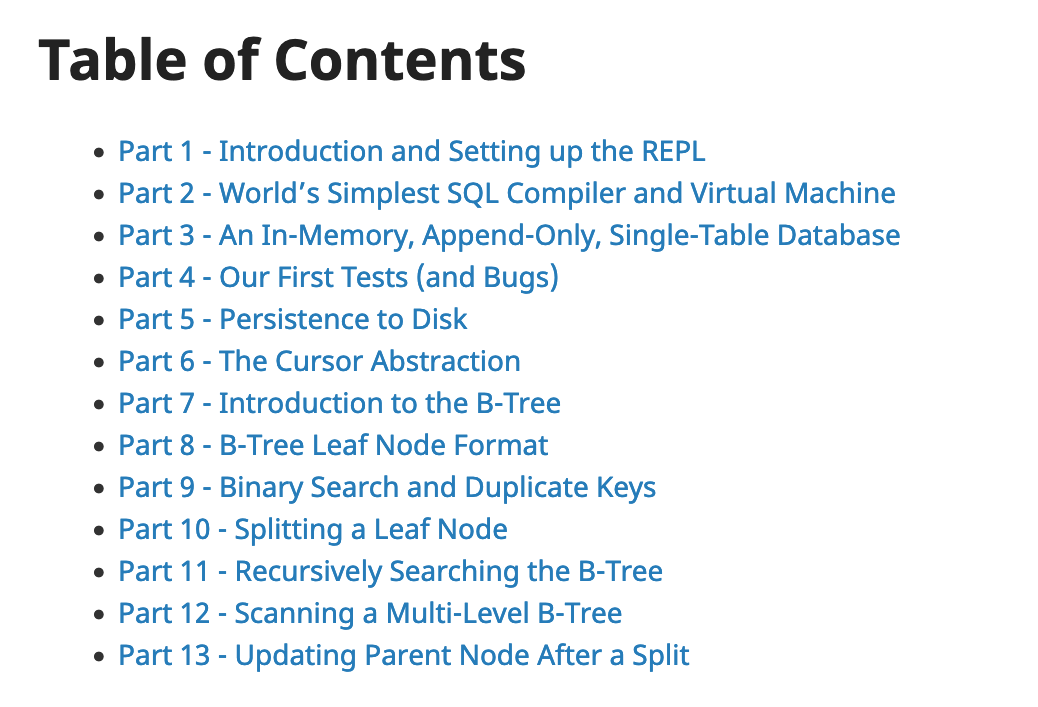
"Let's Build a Simple Database -- Writing a #sqlite clone from scratch in C"
Haven't read the whole thing yet, but this looks super-interesting 👀.
https://t.co/NvHbcfzXym
Some advantages of using semantic HTML
- Easy to maintain ⚙️
- More readable code 🧹
- Machine and Human friendly 🤝
- Increase accessibility ♿
- Importance SEO 🔍
4 GitHub repositories that will help you with CSS 😼🎨
🔗 https://t.co/3HC6CtXc0X
🔗 https://t.co/5lr3KjFqOV
🔗 https://t.co/5haB2xTWuz
🔗 https://t.co/Kv8IuMwpQQ
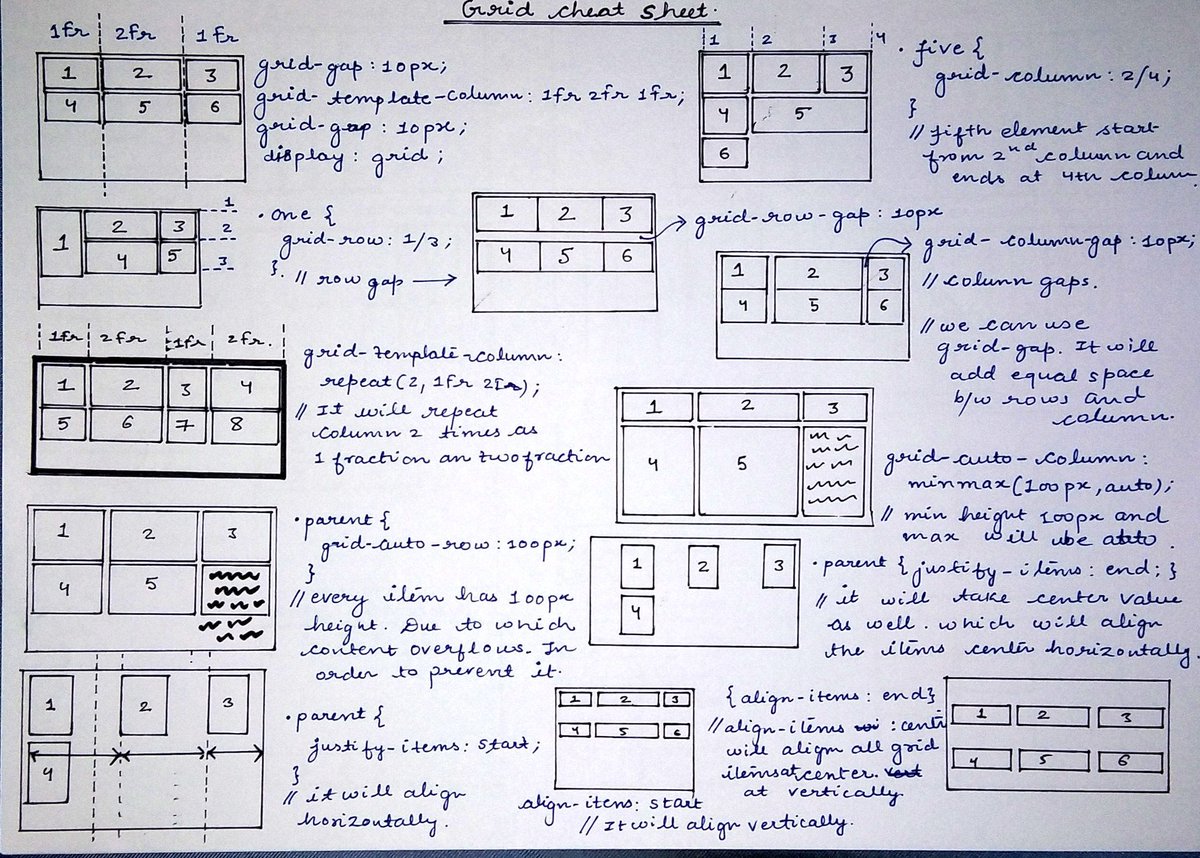
The CSS linear-gradient() functions is used to create the background images consisting of a two or more colors. It creates the gradient background.
But there are a lot values we can pass in this linear-gradient function which makes it confusing.
Check out this cheat sheet 👀