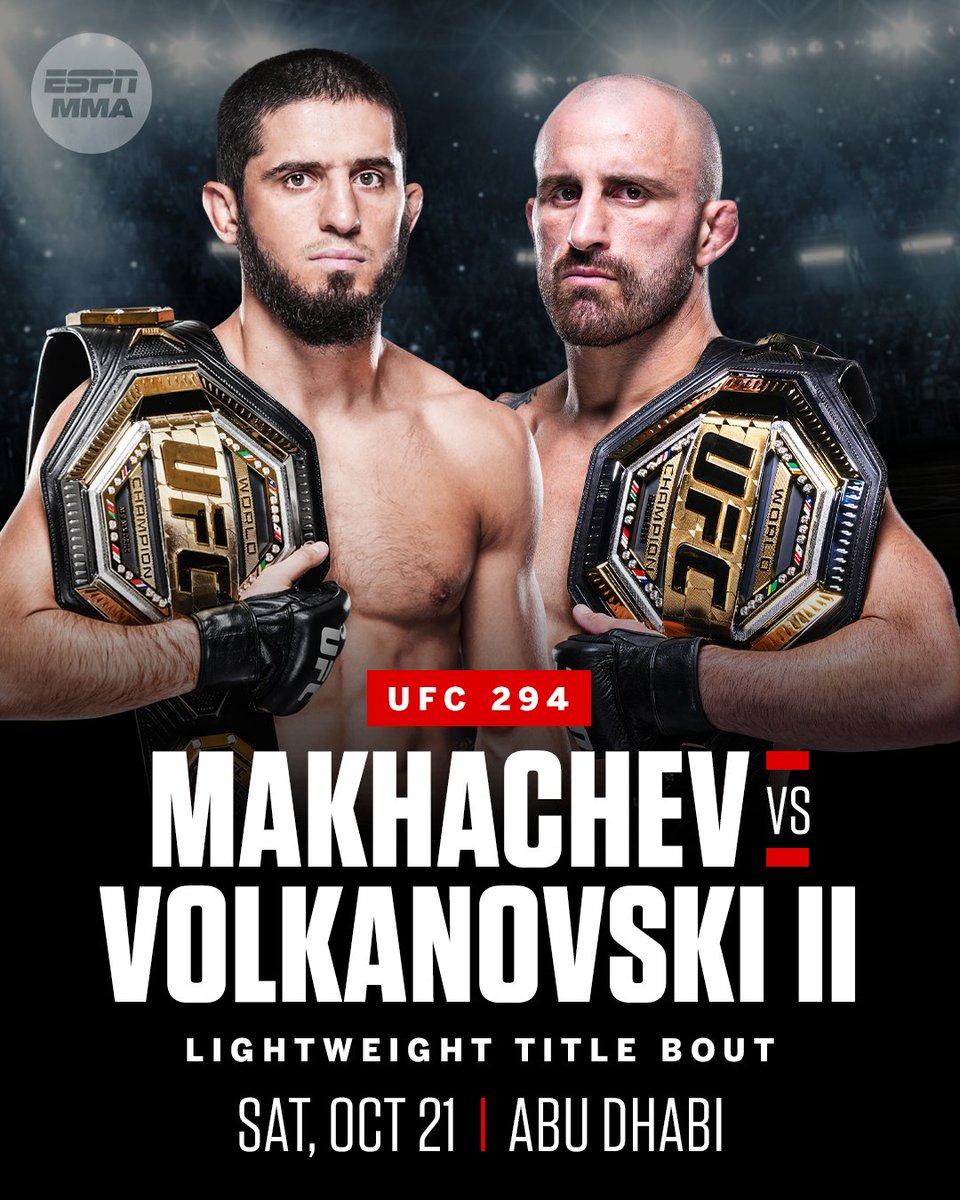
Breaking: Islam Makhachev will defend his UFC lightweight title in a rematch against Alexander Volkanovski at UFC 294, UFC announced on Tuesday.
Charles Oliveira, originally slated for the bout vs. Makhachev, pulled out due to an injury.
The Japan Nuclear Waste Isn’t As Bad As You Think. Here's why.
What Happened in Japan?
2011:
Fukushima nuclear disaster.
2011-2019:
Tokyo Electric Power Company (TEPCO) cleaned up the radioactive waste.
2019-2022:
Talks of releasing the treated radioactive water into the Pacific Ocean to dilute any remains of radioactive elements.
24 August 2023:
Discharge of treated radioactive water into the Pacific Ocean.
Today:
Backlash from the public and several countries over the presence of radioactive elements in the discharged water.
Backlash & Public Concerns
The driving force for the backlash is the presence of tritium (a radioactive isotope of hydrogen) in the discharged water.
Most of the retaliation is coming from China, including:
1. China, Hong Kong and Macau banning seafood imports from Japan.
2. A rise in anti-Japanese sentiment in China.
3. Spam harassment phone calls from China to Japan.
4. A movement to boycott Japanese cosmetics brands.
5. Overall pushing of a media narrative that opposes Japan’s and most of the scientific community.
Some other backlash include:
1. Public protests in China, South Korea and Japan.
2. Governments worldwide voicing their concerns.
3. Global NGOs urging for more research to be conducted.
(Source: BBC, CNN, The Star)
What Science Has To Say
Facts about tritium:
• Tritium is a radioactive isotope of hydrogen and hydrogen is part of water itself, so there is no technology available to remove tritium. (Source: NPR)
• Tritium is present in water all over the world including tap and rain water. (Source: The Star)
• Low levels of tritium are safe for the environment, marine and human life.
Tritium in Fukushima’s discharged water:
• According to WHO, the tritium limit for drinking water is 10,000 Bq/L.
• The tritium concentration in Fukushima’s water discharge is 1,500 Bq/L.
• Annual comparison of tritium discharge according to country (refer to the table as shown in the image below)
How This Affects You In Malaysia
1. Malaysia could potentially ban seafood imports from Japan
- Currently, more studies (locally and internationally) are being conducted. Our government has yet to make a decision on it. (Source: Malay Mail)
2. Local Japanese restaurants may have less business
- If the backlash reaches our shores, more people may avoid eating Japanese food, especially if the seafood is imported from Japan.
- Consequently, this means less business for restaurant owners.
3. Japanese seafood may be more expensive
- Basic supply and demand.
- If Malaysia bans Japan’s seafood, the supply will go down. However, if local demand remains the same or increases, you can expect the cost of Japanese seafood to increase.
My Opinion On Japan’s Nuclear Waste
Personally, what I think is happening, especially the retaliation by China, has more to do with political turmoil (Tokyo showing support to Taiwan in the US-China War) than the threat of radioactive activity. (CNN, 2023)
Consequently, with China making such bold claims and actions, global media is becoming more polarised with two entirely different narratives being set.
So, what we can do now is to stay vigilant and ensure the media you’re consuming is credible and neutral.
What do you think about the Fukushima radioactive water issue? Let us know your thoughts! #FukushimaWaterRelease #JapanNuclearWater
Video angkasawan India di Bulan hari ini selepas kapal angkasa mereka berjaya mendarat di Kutub Selatan Bulan.
Tak pernah lagi misi ke bulan di bahagian Kutub Selatan Bulan 👏🏼
https://t.co/dL0ZxOoFab
Breaking news: A plane carrying Russian warlord Yevgeny Prigozhin has crashed on a flight from Moscow to St Petersburg. All 10 people on the plane died in the crash, according to Russia's emergency ministry. https://t.co/wjizVG8UCW






![ufc's tweet photo. THIS IS NOT A DRILL 😱
Charles Oliveira is out of next Saturday's #UFC294 main event, @AlexVolkanovski is replacing in a rematch for the Lightweight title with @MakhachevMMA
[ @InAbuDhabi | #InAbuDhabi | @VisitAbuDhabi ] https://t.co/zR3Nlqzl7P](https://pbs.twimg.com/media/F8IHb5sawAA4yLf.jpg)