Expecting cloud, I missed the start of the eclipse, but woke in time to catch the last sliver of bright Moon before totality began in a rapidly brightening sky at Walmer, Kent. #LunarEclipse
How to see the Eta Aquariids meteor shower this month.
Best around 5/6 May, meteors may be seen for a few days either side of this date. Get the full info here @suthers@skymania https://t.co/fnvwMZ7ocx https://t.co/0TFKzJS3Xw
#space#Meteorshower#astronomy
What to see in the night sky in April 2022 https://t.co/636DKTe8yG https://t.co/JaBKLcOBQe
How to see Venus, Jupiter, Mars and Saturn, plus the Lyrid meteor shower - and more.
Credit @suthers@skymania#space#astronomy#Mars#planets
Hard to believe that it’s 25 years since the awesome Comet Hale-Bopp graced our skies. My first shots were taken from Puimichel in the South of France as it was still brightening. The separate gas (blue) and dust tails were very evident.
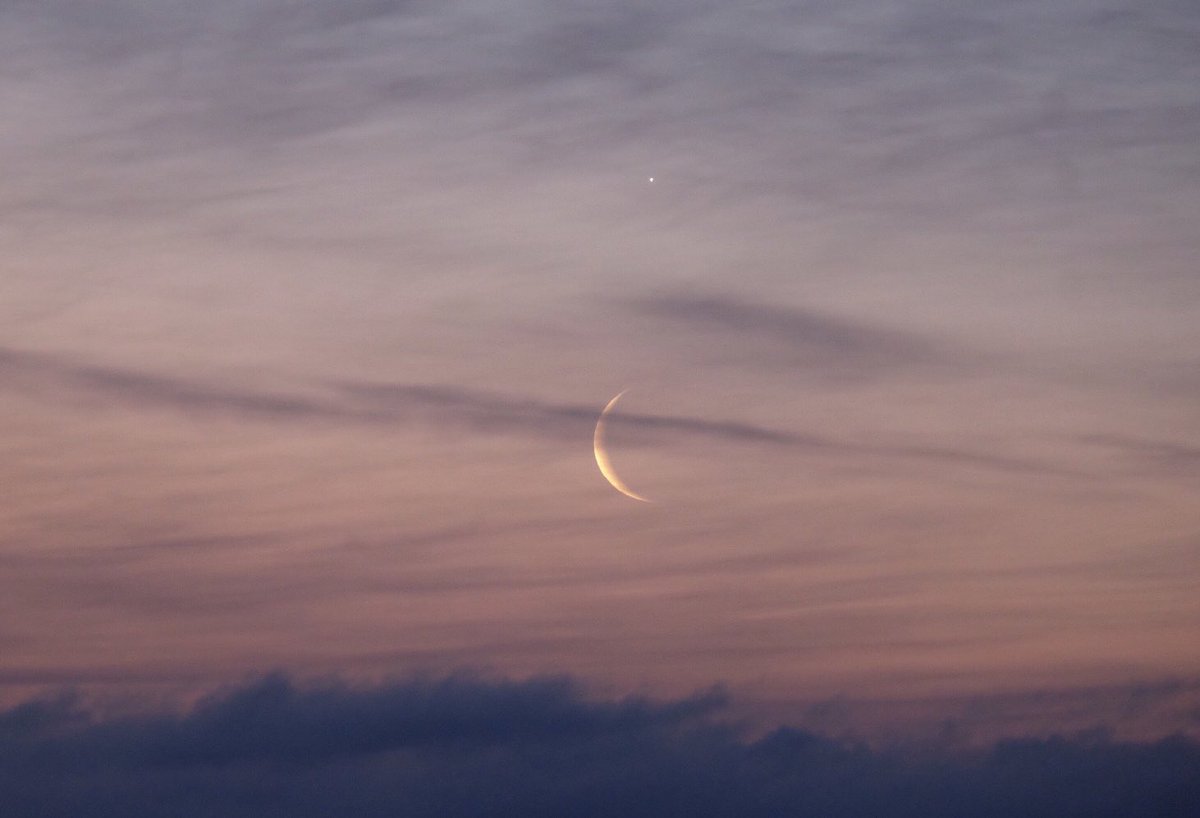
With the plane of the Moon’s orbit at a very shallow angle to the horizon in the morning right now, I was pleased to see and photograph it before dawn today, low over the sea.
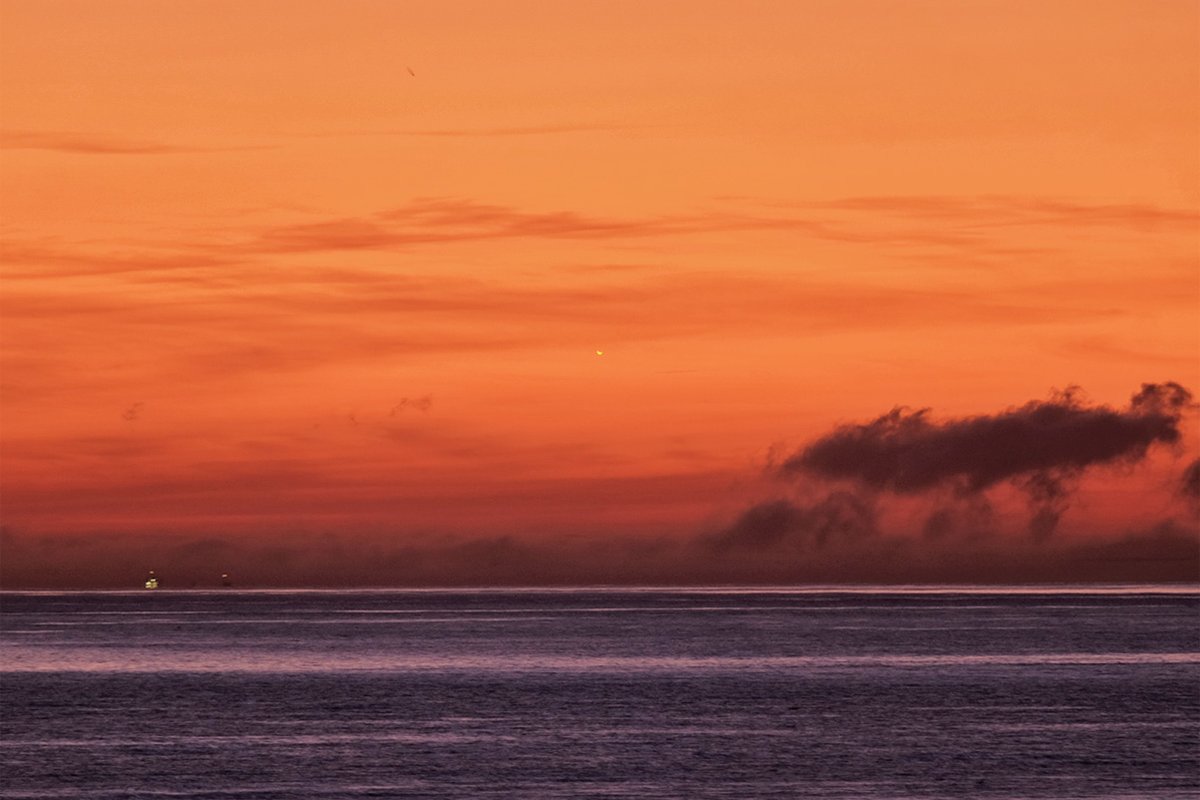
Five days after it passed between the Earth and the Sun, an event known as inferior conjunction, I managed to photograph Venus low over the sea in the morning sky today. The second image, with an old Sigma 600mm mirror lens, shows the planet's crescent phase. #astrophotography
What's that bright star near the Moon? https://t.co/XVUZXRcvKI
As the Moon makes its regular orbital journey around the sky, it sometimes appears close to a particularly bright “star”. Here's a useful identifier list up to May 31st @suthers@skymania#astronomy#moon#space
This morning I got my first glimpse of planet Mars this apparition, not far from the bright star Antares, a red giant whose name literally means "rival of Mars" in Greek. There's not much rivalry at the moment as Mars is considerably fainter than Antares. #planets#astronomy
Catch Mercury in the evening sky during early January. And the Quadrantid meteor shower peaks on the night of the 3rd/4th. Here's more of what you can see in January's night sky.
https://t.co/As178X0I18
The rich and reliable Geminid meteor shower peaks tonight. Watch in the hours before dawn to avoid moonlight. Here’s our guide to seeing the Geminids. https://t.co/0c69nlVRd9
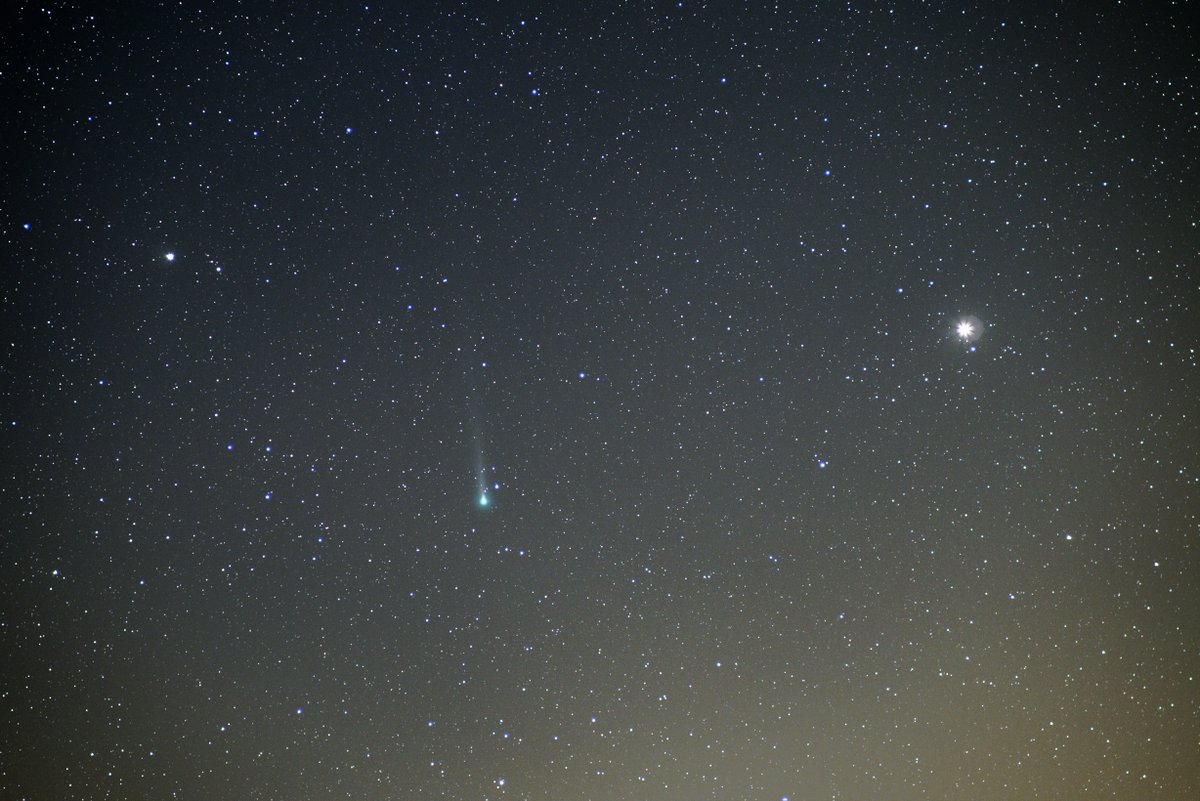
I've used Nebulosity on the Mac to stack images of Comet Leonard (C/2021 A1) taken yesterday morning, 11 Dec, from Walmer, Kent. FujiFilm X-T10 and Olympus OM 135mm lens, tracked. #astrophotography
Before photographing the comet, I thought I'd catch up with dwarf planet Ceres. I was surprised to find how far it has now moved away from V-shaped cluster the Hyades. (I've marked its position with two tick marks.)
I took several shots of Comet Leonard (C/2021 A1) from Walmer this morning using a fast 85mm lens stopped to f2 and an old Olympus OM 135mm lens wide open at f2.8. I've stacked just a few images from each to avoid comet trailing as it was moving quite swiftly. #astrophotography
The sky was reasonably clear this morning, though with low mist and some thin cloud moving in. It allowed me to see Comet Leonard at last, and to take some photos from Walmer. This is a cropped and processed stack of four images. FujiFilm X-A10 camera with Samyang 85mm lens.
Our guide to the night sky in December is now up. As well as some planets on view, we have a reasonably bright comet on show! Thanks to @mars_stu for the photo. https://t.co/As178X0I18