Excited to put these thoughts out there. Training and retraining is moving closer to mission execution with advanced technology.
@RCDefense@stuartscheller@wargamingweekly
https://t.co/CGid9lZyEX
@CNQAdvisors@mikepompeo Excited for this effort! Now you need to add a Wargaming, M&S, and analysis capability to ensure all your qualitative insight is underpinned with cutting edge data.
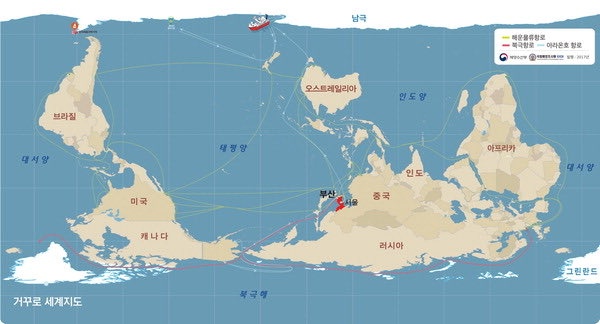
🇰🇷 Ministry of Oceans and Fisheries:
Map now used for forces training & military colleges. Seoul sees Busan as heart of the world’s oceans and key to unlocking the polar frontiers.
My latest article: To stay relevant, NATO must embrace the #Arctic's icy frontier, & compete with Russia & China to secure its strategic resources & vital sea lanes. 👇
https://t.co/je5KX4wAin
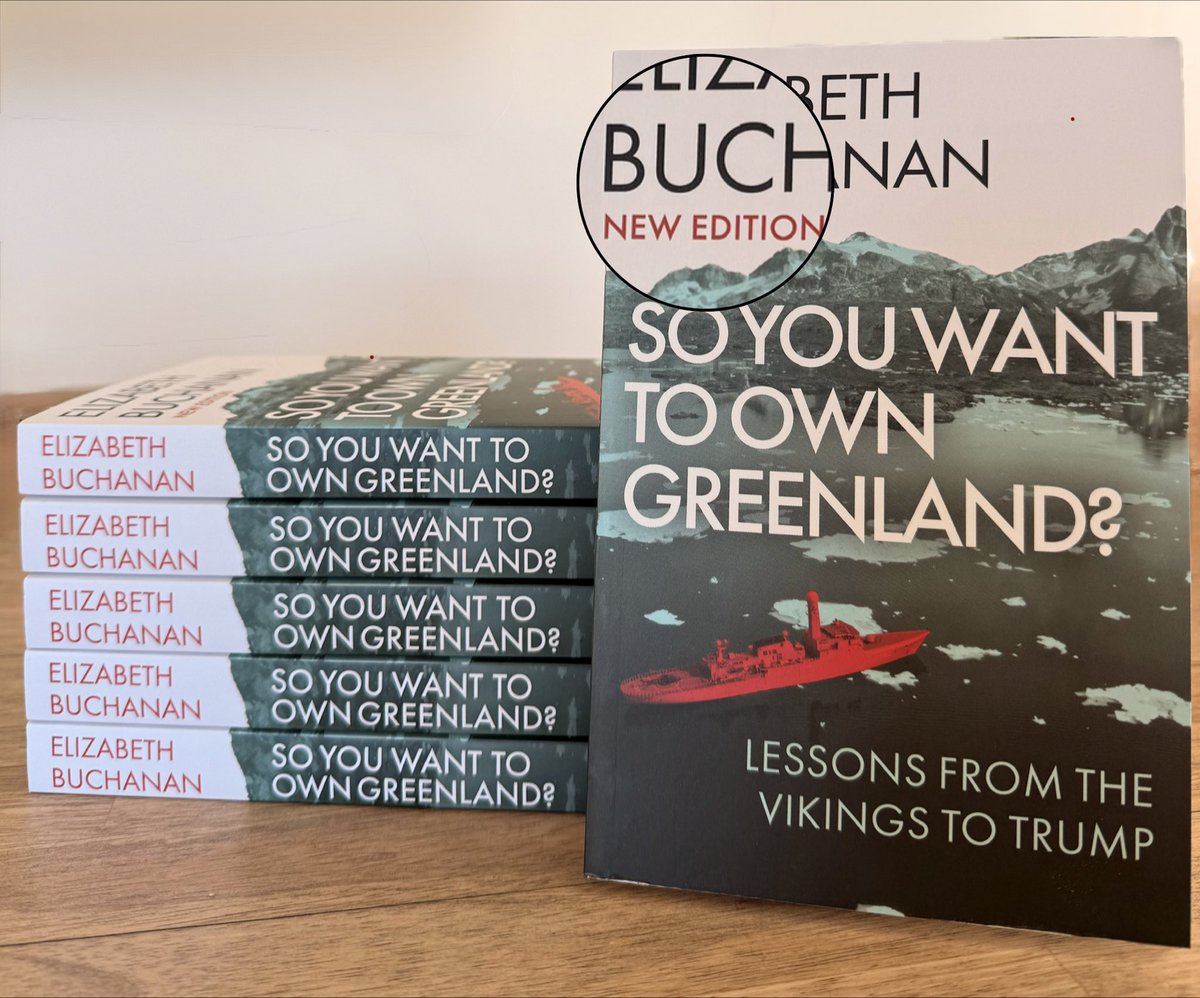
second edition just dropped with an added chapter on events since 2025. sets up a framework of the deal (as struck this week). to understand the ebbs and flows of the Greenlandic geopolitical journey since the 1600s & to prepare for expected those curveballs yet to come, order now:
https://t.co/pe7pQytu1Q
“Mao did not out-think Chiang so much as outwait him. Mao stood still after the men who had armed his rivals lost patience, ran out of money, or switched sides. He had one habit his rivals mostly lacked: when something broke his way, he kept it.”
-Stephen L. Nelson (@Slnelsontld) in "The Improviser’s War: How Mao Zedong Actually Won," a #SWJPerspectivePiece
The 1949 victory in the Chinese Civil War provides a significant case study in the exploitation of operational chaos. 🇨🇳
The historical record reveals a victory built on strategic patience and the retention of every advantage provided by external actors.
📖Read "The Improviser’s War: How Mao Zedong Actually Won," a #SWJPerspectivePiece 👤By Stephen L. Nelson (@Slnelsontld)