When microbial inoculants are applied as part of a different nutrition management system, they have consistently been some of the most significant ROI applications, and produce dramatic changes in soil health. Rread morehere https://t.co/UkCx2iynnj
First lot of SR3 wheat bacterial inoculum is left at our monitor farm. We will be looking if it can help stressed crop to recover. Moreover we will determine if N input can be reduced and to what extent. Stay tuned for more updates. #soilhealth#soil#trial#wheat
Only a fraction of conventional row crop farmers grow cover crops after harvest, but a new global analysis shows the practice can boost soil microbial abundance by 27%. Here is good read for you!
https://t.co/1P2GTURzsN
The symbioses that mycorrhizal #fungi form with #plants are critically important for humans - they help to maintain our ecosystems and #foodsecurity, write @KatieField4, @Luehea, et al. 👇
https://t.co/ygP9UVoMUS
[thread]
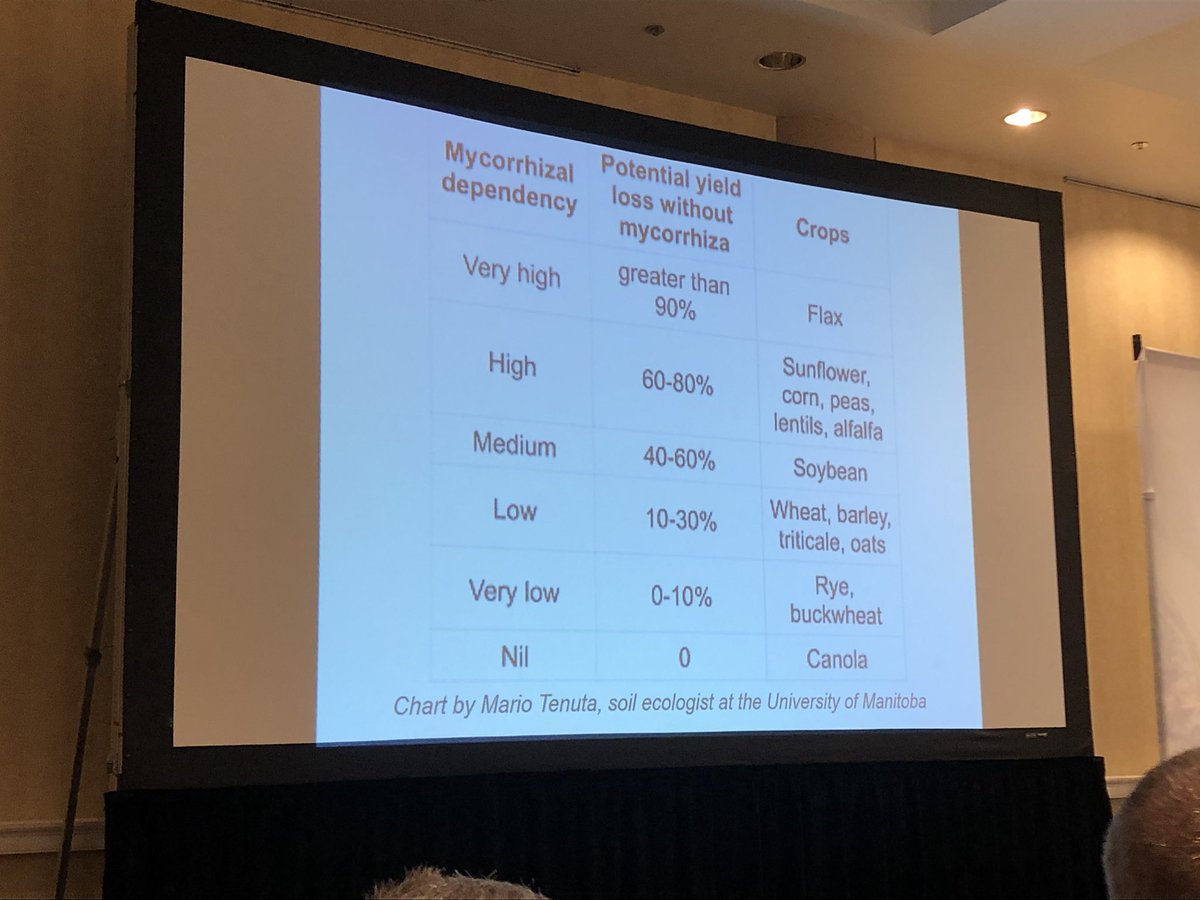
Really interesting point about when you should innoculste with mycorrhizae fungicide post brassica (which obviously doesn’t support it). Definitely apply with cereal/grasses as you will get your biggest return & boost as they support the biggest range of species.
We are looking to kick off January in a #healthy way here at the park, as we all often prioritise work over our health. Why not join Patty Mitchell from Plantworks @smart_rotations in her R.E.D January challenge https://t.co/aYuPP41TOv #2020
The demonstration field #covercrop for next years show is building plenty of biomass, sequestering carbon, fixing some N and feeding the soil biology. #regenag#notill#farming#GW20


![plantspplplanet's tweet photo. The symbioses that mycorrhizal #fungi form with #plants are critically important for humans - they help to maintain our ecosystems and #foodsecurity, write @KatieField4, @Luehea, et al. 👇
https://t.co/ygP9UVoMUS
[thread] https://t.co/91QV65tSfJ](https://pbs.twimg.com/media/ERNq6k0UcAEMzC6.jpg)