@antgrasso Interesting perspective on the growing complexity of digitalization. The shift toward dynamic and flexible architectures challenges us to balance security and efficiency without compromising innovation. AI and microservices are reshaping this balance in key industries.
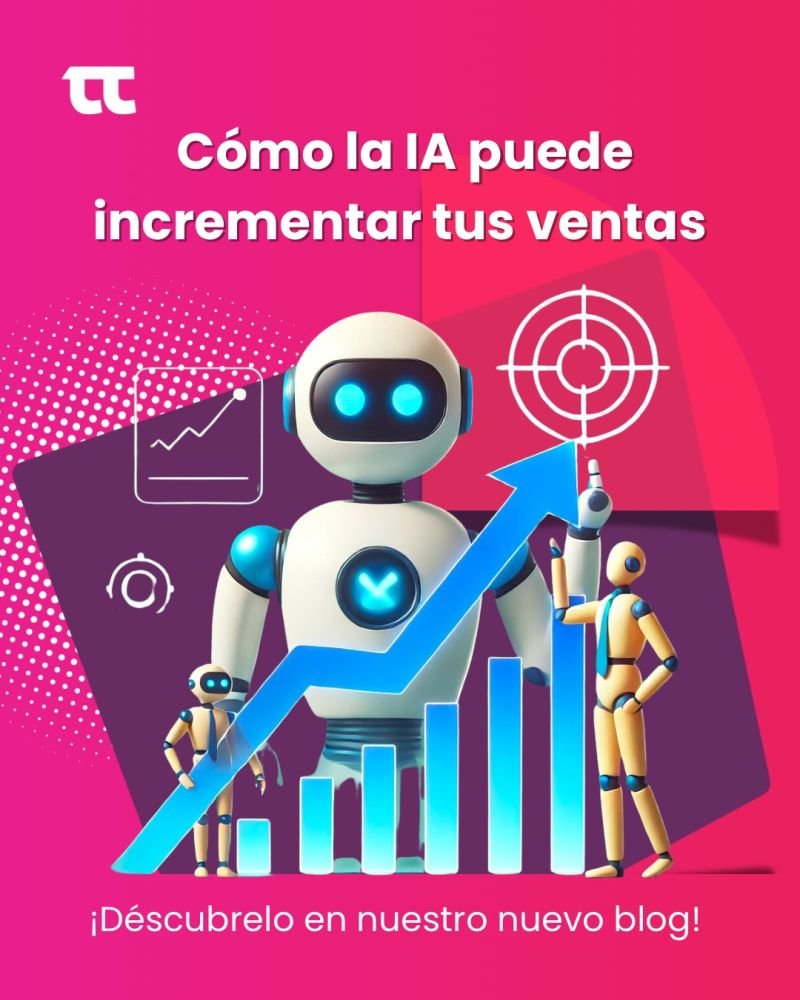
¿Sabías que la IA puede ser tu mejor aliada para aumentar tus ventas? 🤖✨ Descubre en nuestro blog cómo implementar estrategias inteligentes para atraer más clientes y maximizar resultados. 🚀 https://t.co/QEQJnBOkSx
#IA#VentasConIA#TransformaciónDigital#Innovación
@Ronald_vanLoon@healthtechworld@KirkDBorne@ogrisel@meisshaily Cracking the ‘neural code’ is a fascinating milestone for AI. Leveraging such breakthroughs will unlock unprecedented opportunities across industries, from healthcare to finance. Excited to see how this shapes the future!
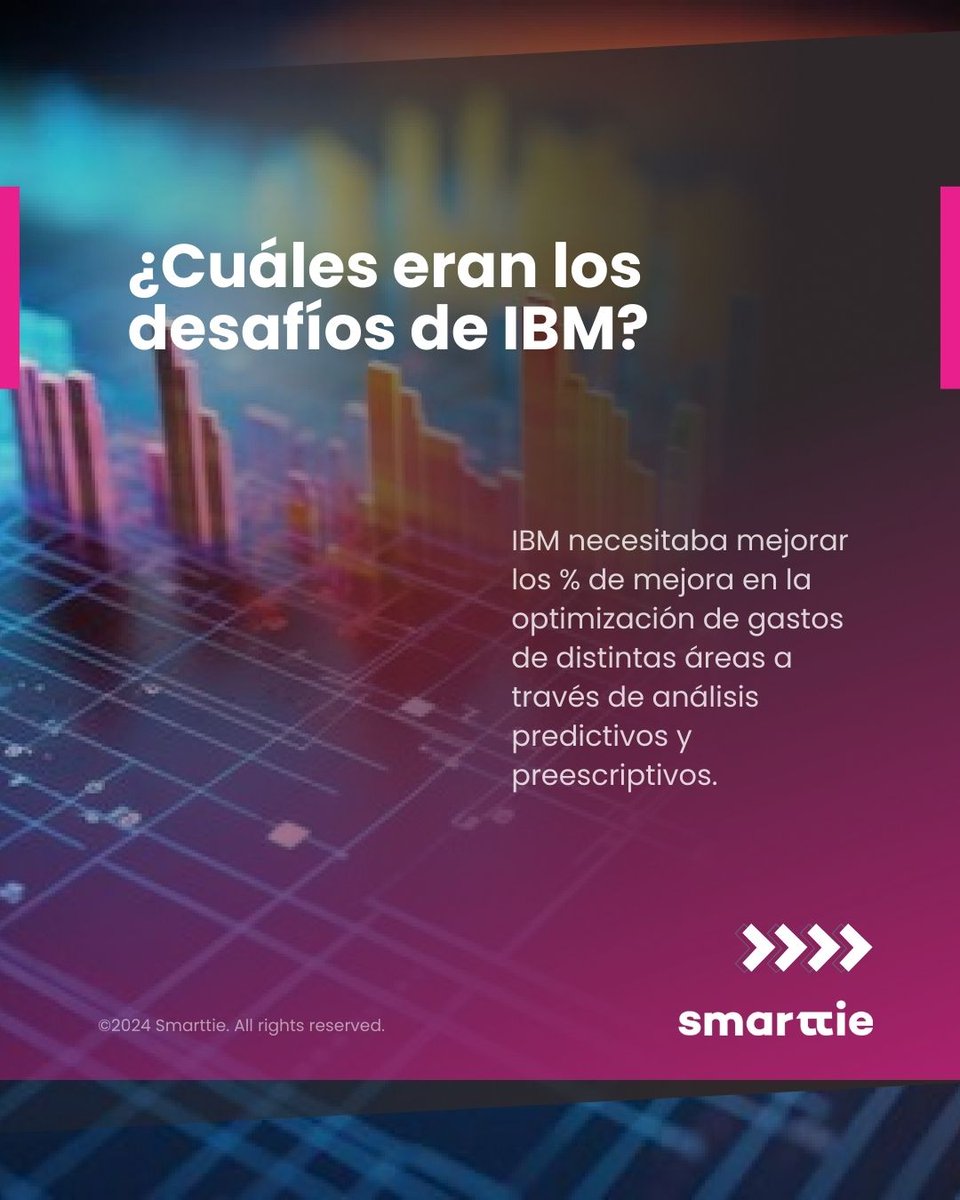
La IA está transformando las finanzas de las PYMES.
Con Watson Analytics,
IBM optimizó costos en un +30% gracias a predicciones, detección de anomalías y análisis "¿qué pasaría si?"🌐📊
👉 Descubre cómo la IA puede impulsar tu negocio.
#TransformaciónDigital#IA#Finanzas
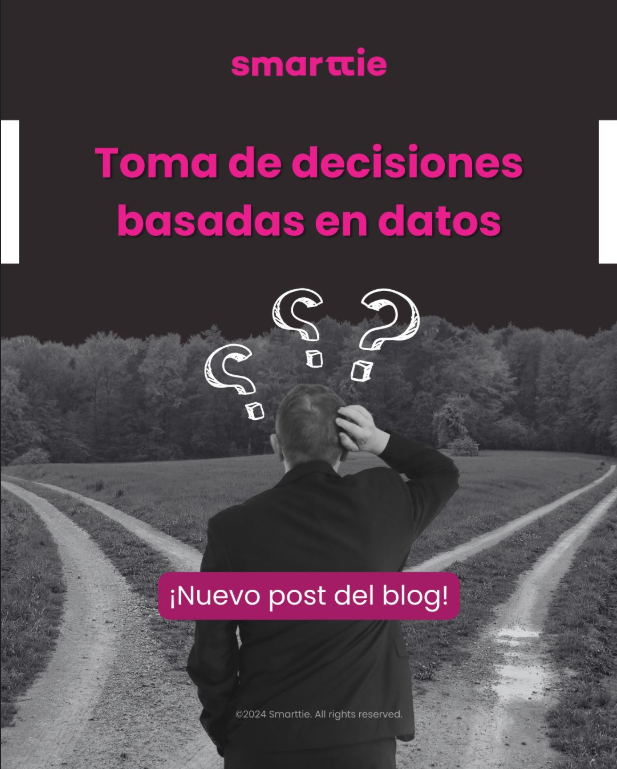
💼¿Estás aprovechando el poder de los datos para tus decisiones empresariales? 📈 En Smarttie te contamos cómo el enfoque data-driven está cambiando las reglas del juego. ¡No te pierdas nuestro nuevo artículo! https://t.co/ogGfNKVf9G
#TomaDeDecisiones#DataDriven#Smarttie
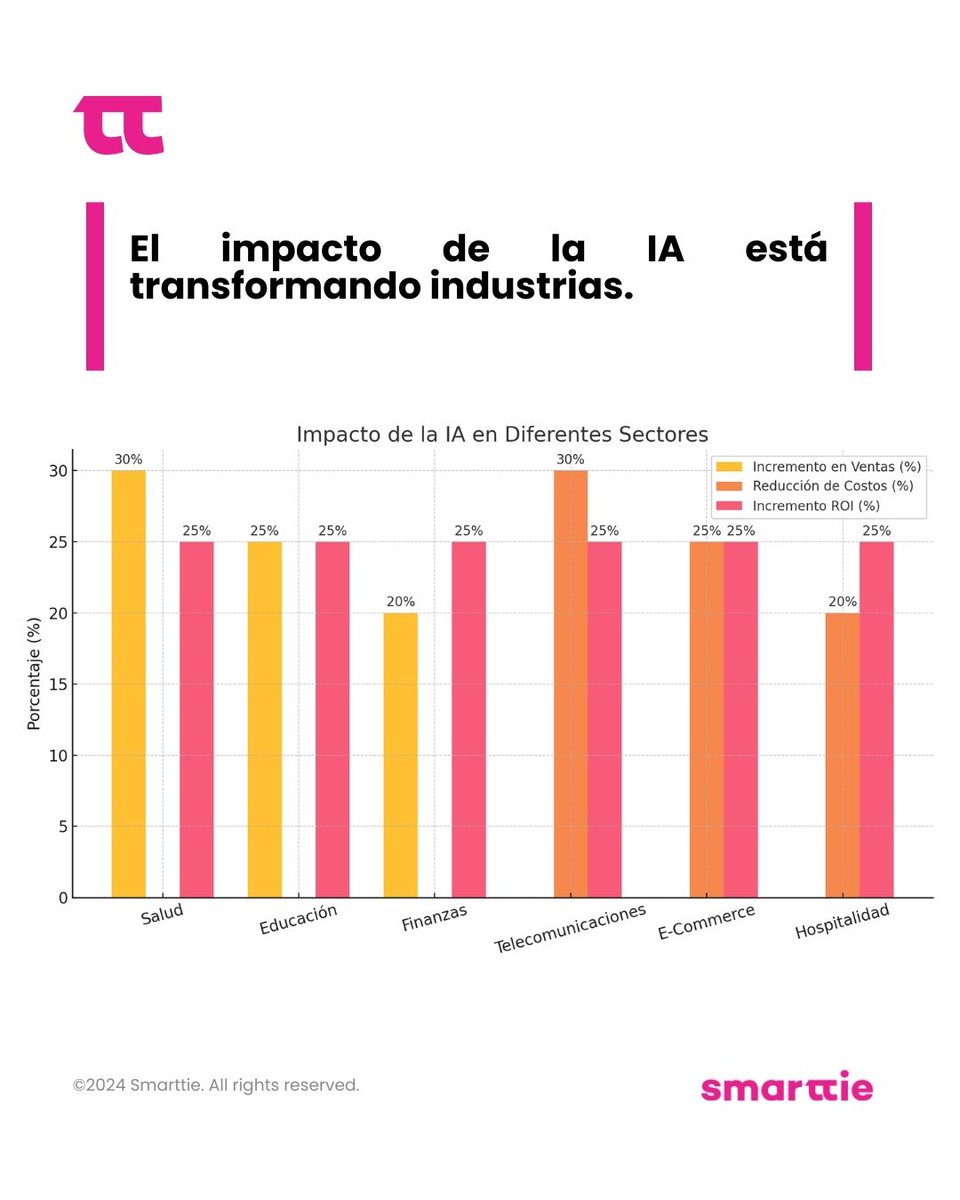
La IA transforma industrias:
📈Más ventas, 📉menos costos, y ⚡mejor ROI.
🌟¿Qué impacto te sorprende más? ¡Responde y comparte!
En Smarttie, trabajamos para llevar estas transformaciones a tu negocio.
https://t.co/sgz2fgKspt
#IA#Innovación#TransformaciónDigital#Smarttie
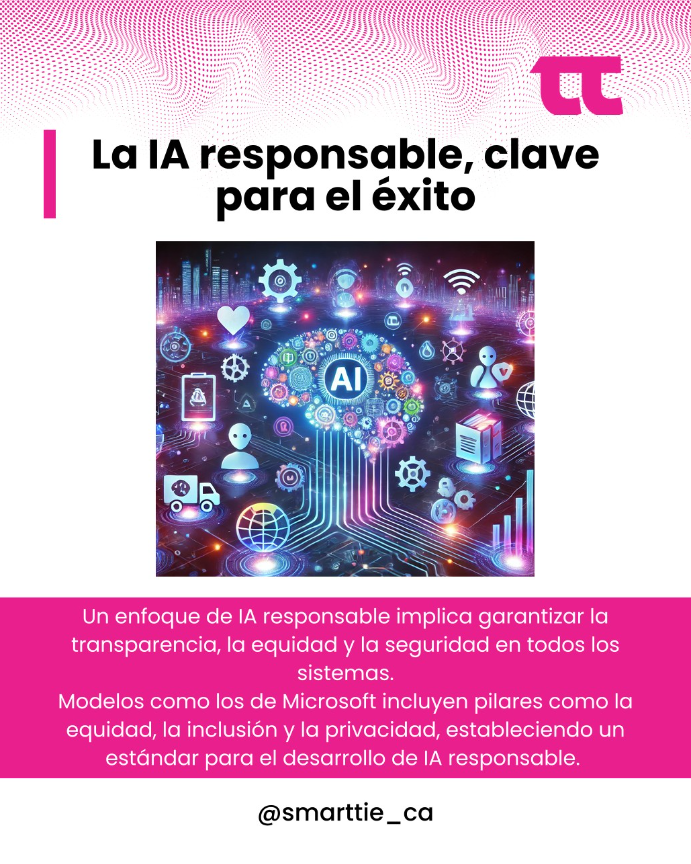
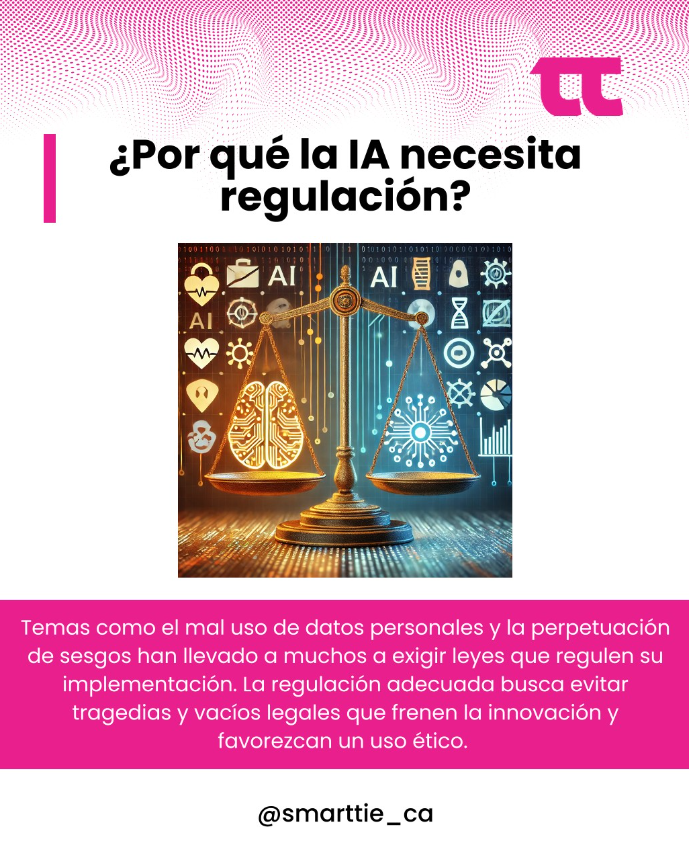
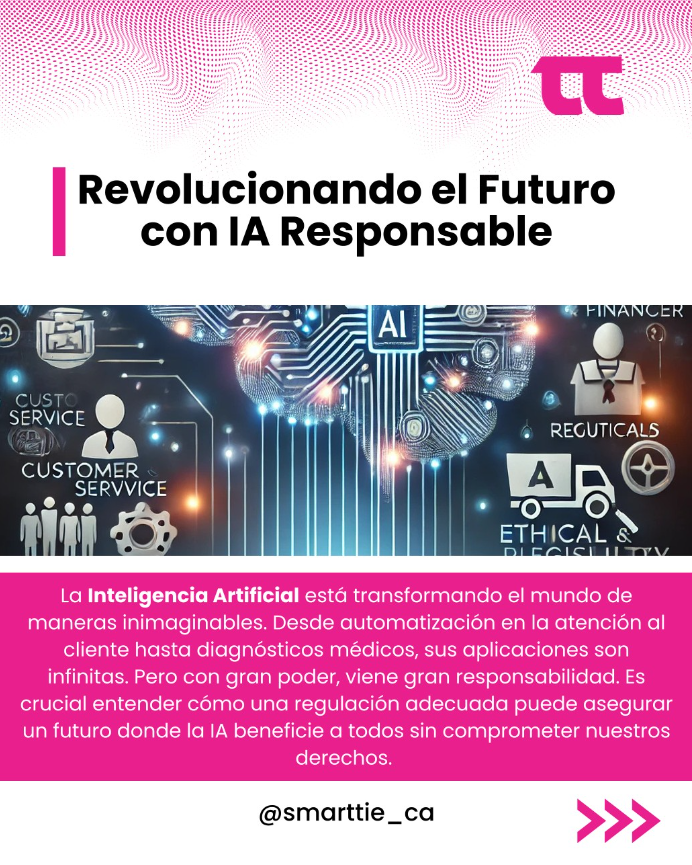
La IA tiene un gran potencial, pero requiere responsabilidad y regulación. 💼🤖 Descubre en nuestro Whitepaper cómo las normativas y el uso ético de esta tecnología están dando forma a un futuro más seguro👉https://t.co/87AMZXie3o
#InteligenciaArtificial#Regulación#Ética
@Dan_Jeffries1 A thought-provoking take on the future of AI: we don’t need utopian dreams or catastrophic fears, but a grounded, realistic approach. By focusing on the probable, not the extremes, we can build practical frameworks and guide society toward a balanced, better tomorrow.
@AndrewYNg Exciting insights on LLMs adapting to agent workflows! Integrating tools, function calls, and automation is paving the way for innovative, efficient solutions across applications. These advancements will undoubtedly shape the future of AI and its pivotal role in complex systems.
¿Cómo los agentes de IA pueden optimizar procesos en tu empresa? En nuestro último Whitepaper te explicamos el impacto y el potencial de estos sistemas inteligentes. 🚀https://t.co/VykOGLtlI6 💡#IA#Automatización#Tecnología#Innovación#Smarttie
@AndrewYNg Completely agree on the importance of speed and a rapid feedback loop. At Smarttie, agile prototyping and feedback help us create AI solutions that fit the market. Accelerating from idea to MVP lets us test hypotheses and optimize UX early. Love ‘move fast and be responsible
Startups live or die by their ability to execute at speed. For large companies, too, the speed with which an innovation team is able to iterate has a huge impact on its odds of success. Generative AI makes it possible to quickly prototype AI capabilities. AI capabilities that used to take months can sometimes be built in days or hours by simply prompting a large language model. I find this speed exciting and have been thinking about how to help startups and large companies alike go faster.
I’ve been obsessed with speedy execution for a long time. When working on a project, I am loath to take two weeks to do something that I could do in one week. The price of moving at that pace is not that we take one week longer (which might be okay) but that we’re 2x slower (which is not)!
When building an AI-powered product, there are many steps in designing, building, shipping, and scaling the product that are distinct from building the AI capability, and our ability to execute these other steps has not sped up as much as the AI part. But the speed with which we can prototype AI creates significant pressure to speed up these other steps, too. If it took 6 months to collect data, train a supervised learning algorithm, and deploy the model to the cloud, it might be okay to take 2 months to get user feedback. But if it takes a week to build a prototype, waiting 2 months for feedback seems intolerably slow!
I’d like to focus on one key step of building applications: getting user feedback. A core part of the iterative workflow of designing and building a product (popularized by Eric Ries in his book The Lean Startup) is to build a prototype (or MVP, minimum viable product), get user feedback on it, and to use that feedback to drive improvements. The faster you can move through this loop — which may require many iterations — the faster you can design a product that fits the market. This is why AI Fund, a venture studio that I lead, uses many fast, scrappy tactics to get feedback.
For B2C (business to consumer) offerings, here is a menu of some options for getting customer feedback:
1. Ask 3 friends or team members to look at the product and let you know what they think (this might take ~0.5 days).
2. Ask 10 friends or team members to take a look (~2 days).
3. Send it to 100 trusted/volunteer alpha testers (~1 week?).
4. Send it to 1,000 users to get qualitative or quantitative feedback (~2 weeks?).
5. Incorporate it into an existing product to get feedback (1 to 2 months?).
6. Roll it out to a large user base of an existing product and do rigorous A/B testing.
As we go down this list, we get (probably) more accurate feedback, but the time needed to get that feedback increases significantly. Also, the tactics at the top of the list create basically no risk, and thus it’s safe to repeatedly call on them, even with preliminary ideas and prototypes. Another advantage of the tactics further up the list is that we get more qualitative feedback (for example, do users seem confused? Are they telling us they really need one additional feature?), which sparks better ideas for how to change our product than an A/B test, which tells us with rigor whether a particular implementation works but is less likely to point us in new directions to try. I recommend using the fast feedback tactics first. As we exhaust the options for learning quickly, we can try the slower tactics.
With these tactics, scrappy startup leaders and innovation-team leaders in large companies can go faster and have a much higher chance of success.
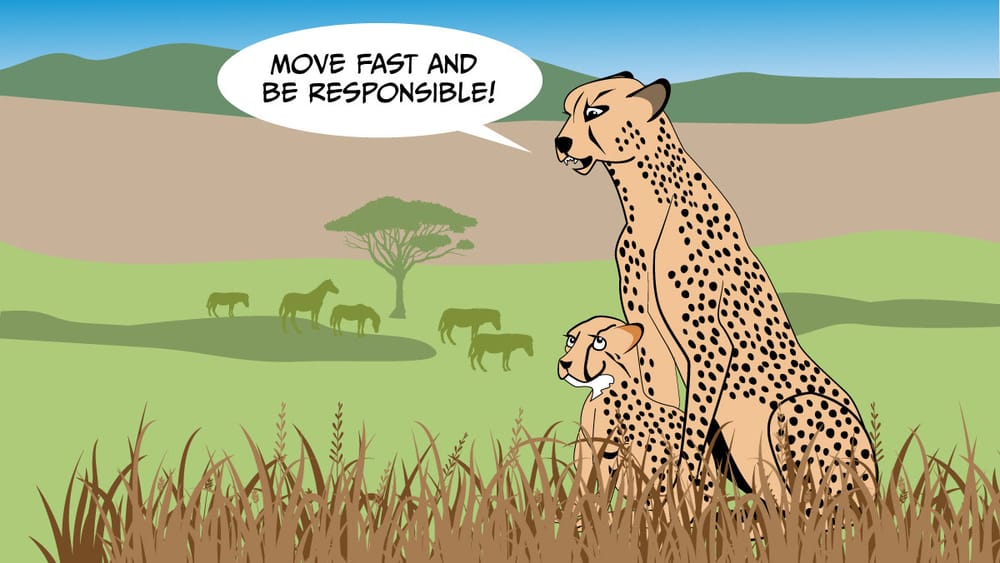
The mantra “move fast and break things” got a bad reputation because, well, it broke things. Unfortunately, some have interpreted this to mean we should not move fast, but I disagree. A better mantra is “move fast and be responsible.” There are many ways to prototype and test quickly without shipping a product that can cause significant harm. In fact, prototyping and testing/auditing quickly before launching to a large audience is a good way to identify and mitigate potential problems.
There are numerous AI opportunities ahead, and our tools are getting better and better to pursue them at speed, which is exhilarating!
[Original text: https://t.co/NeMP4DKdDX ]
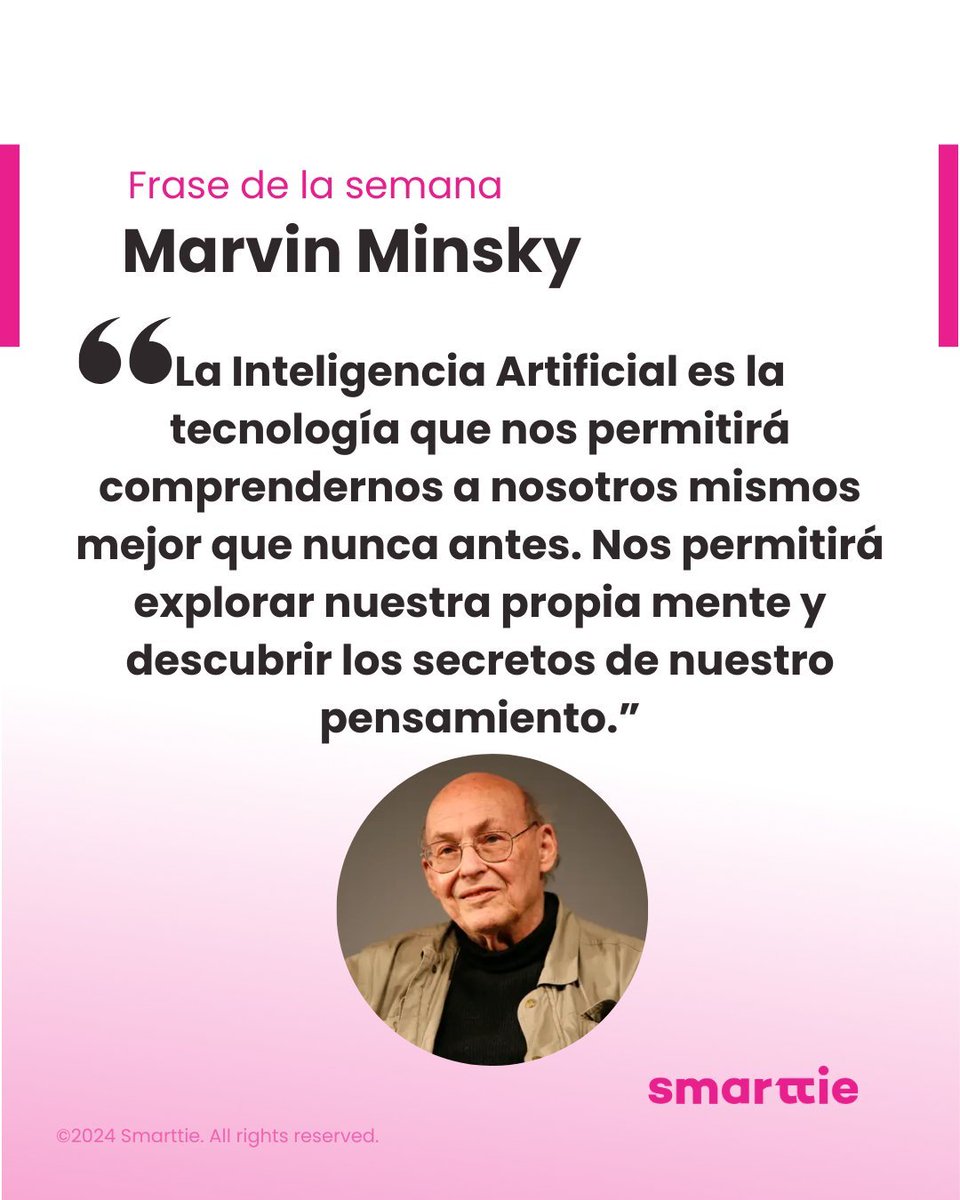
Esta semana el científico de la computación Marvin Minsky nos comparte esta frase sobre la Inteligencia Artificial, ¿Qué te parece? 🚀
https://t.co/aORTeQWoog
¿Curioso sobre el funcionamiento de los chatbots? 💬🤔En Smarttie te explicamos cómo esta herramienta responde, aprende y ayuda a optimizar el servicio al cliente. ¡No te pierdas nuestro último artículo!
👉https://t.co/RcWiw1Nl4L
#Chatbots#InteligenciaArtificial#AtenciónAI
¡Tesla lo hace de nuevo! Los nuevos robots que están revolucionando la industria tecnológica están a punto de cambiar el mundo. ¿Te gustaría tener un asistente robótico en casa? 🚀
#Tesla#Robots#Innovación#FuturoTecnológico#TeslaRobots hashtag#RobotRevolution #Tecnología#IA
@virginiog Absolutely agree, @virginiog. AI pushes us to value our human skills like empathy and creativity even more. Adaptability and learning will be key in this new landscape.
La IA automatizará el trabajo cognitivo rutinario a través de Agentes lo que dará más valor a lo humano
Apuesta por habilidades blandas (POWER) skills
-Emocionales como empatía o APRENDER A CAMBIAR
-Cognitivas como anticipación o planificación
Lo que nos define como humanos
Las empresas están transformando sus operaciones con IA , mejorando la eficiencia y potenciando la innovación. Descubre casos de éxito y cómo la inteligencia artificial está llevando los negocios al siguiente nivel. 🚀Encuentra nuestros whitepapers aquí👉https://t.co/B982OHDbzS
Las oportunidades y usos del Big Data son prácticamente infinitos 📷
Por esta razón, cada vez más organizaciones comprenden la importancia de invertir en esta tecnología o en empresas especializadas en Headhunting.