Bronze Coiled Dragon Square Base
This exquisitely crafted bronze artifact is a masterpiece of ancient Chinese bronze art, showcasing the superb craftsmanship of the pre-Qin period. The sculpture features a powerful, sinuous dragon coiled around a square pedestal, its body adorned with intricate cloud and scroll patterns, and its head turned back in a dynamic, lifelike pose. The rich, green patina from centuries of oxidation tells the story of its long history.
In ancient Chinese culture, the dragon was a sacred symbol of power, good fortune, and divine authority, often used in ritual bronzes to represent imperial might and spiritual connection. This piece, likely a ritual vessel base or musical instrument stand, reflects the advanced metallurgy and artistic aesthetics of the Eastern Zhou Dynasty (770–221 BCE), a golden age of Chinese bronze craftsmanship.
#History #CulturalRelic #Artwork
Eagle-Shaped Pottery Ding
This is the Eagle-Shaped Pottery Ding, a masterpiece of the late Yangshao Culture (c. 3500 BCE) from China’s Neolithic period. Standing 35.8 cm tall, this black pottery vessel was unearthed in 1958 from a female burial in Huaxian, Shaanxi Province, and is now housed in the National Museum of China.
Crafted in the form of a powerful standing eagle, it merges artistic expression with practical function: the eagle’s sturdy legs and short tail form a stable three-legged base, while its rounded belly serves as the ding’s cooking chamber. The sharp hooked beak and wide, alert eyes vividly capture the ferocity of a raptor, reflecting the ancient reverence for eagles as divine messengers.
As one of China’s earliest animal-shaped ritual vessels, it pioneered the aesthetic tradition of zoomorphic bronze ware in later dynasties. It is listed among the first batch of cultural relics forbidden to be exhibited abroad, a testament to its irreplaceable value in understanding early Chinese civilization.
#History #CulturalRelics #NationalTreasure
Today in History: The Paris Commune
On March 28, 1871, the Paris Commune was officially founded in Paris, France. It was the first proletarian regime in human history—a bold and revolutionary attempt by workers and working people to seize and exercise state power.
Born from popular resistance against injustice, the Commune stood for equality, people’s governance, and the rights of the working class. Though short-lived, it left a profound mark on modern history, inspiring movements for social justice and workers’ power worldwide.
#History #France #Proletariat
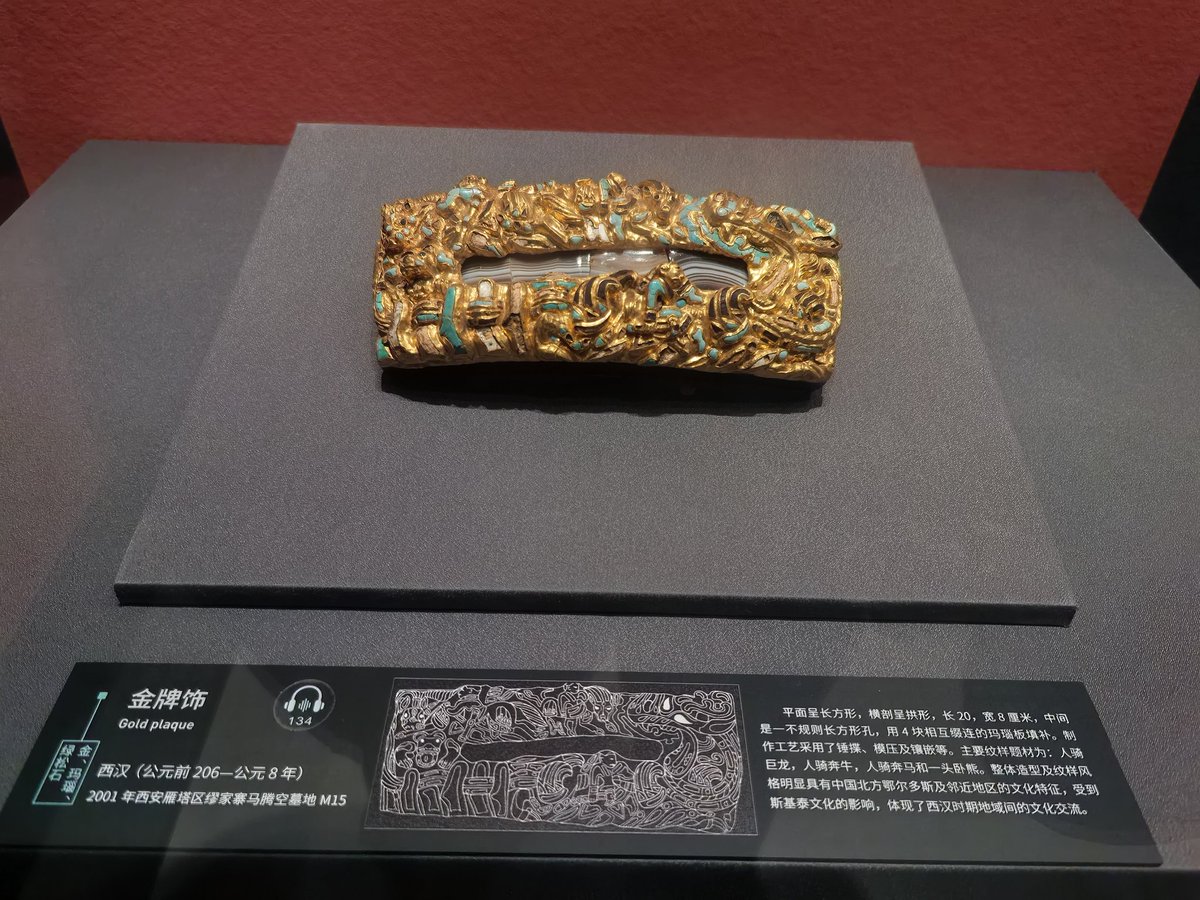
The Golden Plaque: A Window to Western Han's Cultural Exchange
This exquisite Gold Plaque (206 BCE – 8 CE), unearthed from the M15 tomb at the Mijiazhai Horse-Tinkling Site in Xi'an, is a masterpiece of Western Han Dynasty craftsmanship.
Crafted from gold with inlaid turquoise and agate, the rectangular plaque features intricate reliefs of a human riding a giant dragon, a bull, a galloping horse, and a reclining bear. Its design bears strong influences from the Ordos region and Scythian culture, vividly reflecting the cross-cultural exchanges along ancient trade routes during the Western Han period.
This artifact not only showcases the advanced metalworking techniques of its time but also serves as a tangible testament to the cosmopolitan spirit of early Chinese civilization.
#History #CulturalRelics #Artifacts
The Immortal Throne: A Han Dynasty Relic of the Queen Mother of the West
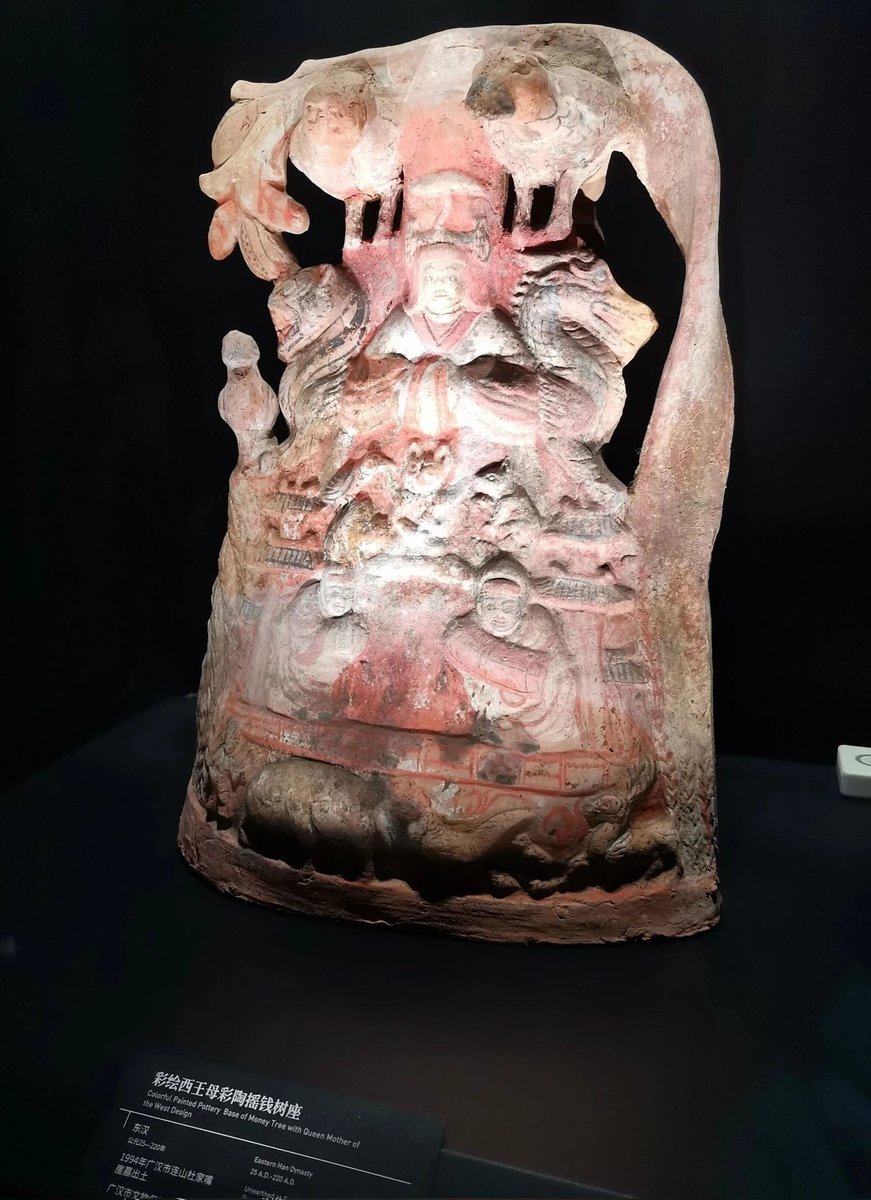
This exquisite color-painted pottery base of a money tree with the Queen Mother of the West is a precious artifact from the Eastern Han Dynasty (25–220 AD). Unearthed in 1994 from the Dujiayan site in Guanghan, Sichuan, it vividly captures the religious beliefs and artistic craftsmanship of ancient China.
Carved with intricate details, the central figure of the Queen Mother of the West is seated regally, flanked by mythical beasts and attendants. The upper part is adorned with tree branches, birds, and floral motifs, while the lower section depicts scenes of daily life and divine beings, all preserved with remnants of original red and white pigments. This piece not only reflects the prosperity of the Han Dynasty but also reveals people’s yearning for immortality and spiritual sustenance.
It stands as a testament to China’s rich cultural heritage and the pinnacle of ceramic art from over two millennia ago.
#History #CulturalRelic #Masterpiece #China
The Bronze Spearhead with Hanging Figures
This exquisite artifact is a Bronze Spearhead with Hanging Figures, dating back to the Western Han Dynasty (202 BCE – 8 CE). Unearthed from Shizhaishan in Jinning, Yunnan Province between 1955 and 1960, it stands as a remarkable testament to the craftsmanship and cultural identity of ancient southwestern China.
Crafted from bronze, the spearhead features a slender, leaf-shaped blade with a sharp central ridge and raised edges. Along its sides, delicate hanging figures of bound prisoners are attached, showcasing distinctive regional artistic style. This weapon not only served as a practical tool for warfare but also carried profound symbolic meaning, reflecting the social and spiritual life of the Dian people.
As a rare treasure among Han Dynasty bronze artifacts, it vividly illustrates the fusion of military function and artistic expression, offering invaluable insights into the history and material culture of ancient Yunnan.
#History #CulturalRelic #Weapon
Remembering Ludwig van Beethoven
Today marks the death anniversary of Ludwig van Beethoven, one of the greatest composers in history. On March 26, 1827, he passed away in Vienna after years of illness and hearing loss.
Though he could no longer hear, he created timeless works full of courage and passion. His music bridged the Classical and Romantic eras, inspiring generations with strength and beauty.
His legacy lives on in every note, touching hearts across the world.
#History #Music #FamousPeople
#Beethoven
Sanxingdui Bronze Sacred Tree: A Window to Ancient Shu Civilization
The Sanxingdui Bronze Sacred Tree is one of the most iconic and mysterious artifacts from the ancient Shu Kingdom, unearthed at the Sanxingdui site in Guanghan, Sichuan, China. Dated to around 1200–1000 BCE (late Shang Dynasty), it stands nearly 4 meters tall, making it the largest surviving bronze artifact from ancient China.
Crafted from a single piece of cast bronze, the tree features a central trunk with three tiers of curving branches, each adorned with mythical birds, coiled dragons, and intricate foliage. At its base, a dragon-like creature wraps around the roots, linking the celestial and earthly realms. Scholars believe it represents the Fusang Tree from Chinese mythology, a cosmic axis connecting heaven, earth, and the underworld, symbolizing the Shu people’s reverence for nature and their complex cosmology.
As a masterpiece of ancient bronze art, it showcases extraordinary casting techniques and imaginative design, far ahead of its time. It is now permanently exhibited at the Sanxingdui Museum, serving as a testament to the lost civilization of Shu and its profound artistic and spiritual legacy.
#China #Archaeology #CulturalRelic #Mythology
Jin Hou Bird Zun
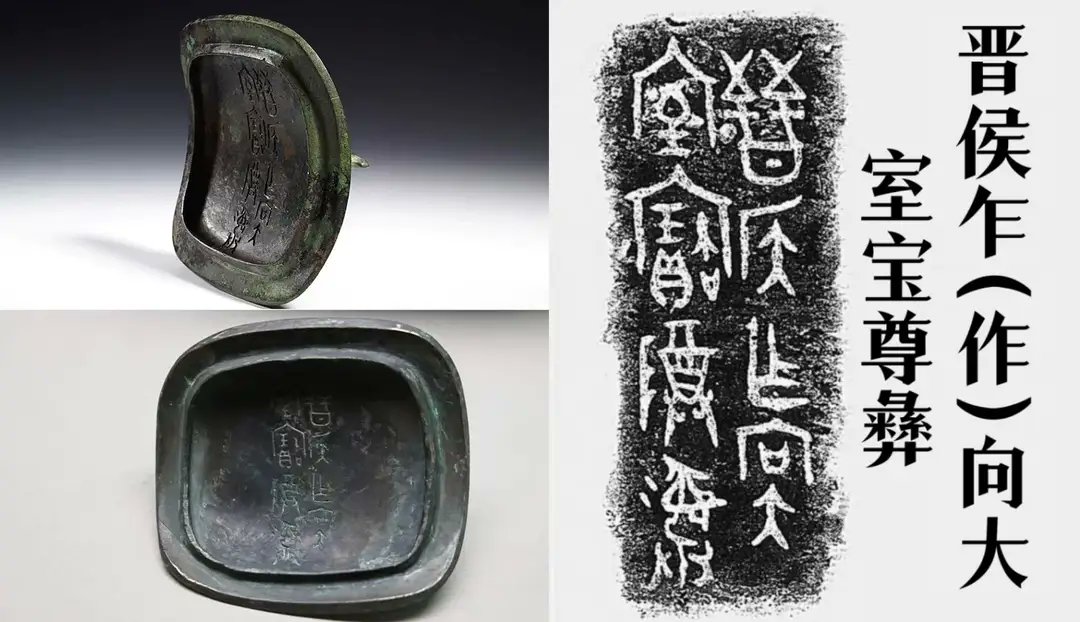
This is the Jin Hou Bird Zun, a masterpiece of Western Zhou Dynasty (c. 1046–771 BCE) bronze art. Shaped as a graceful phoenix with a high crest and curled wings, it features a small bird perched on its back as the lid handle, while its tail transforms into an elephant’s head, forming a stable three-point support with its two legs. Adorned with intricate feather and spiral patterns, this ritual wine vessel was unearthed from the tomb of the first Marquis of Jin in Shanxi, China, and now serves as the "treasure of the museum" at the Shanxi Museum. Its inscriptions reveal it was a sacred offering for ancestral worship, embodying the Zhou people’s reverence for phoenixes as symbols of good fortune.
#History #CulturalRelic #Artwork
Yue Fei: The Eternal Hero of Loyalty
Today marks the birth of Yue Fei (1103–1142), China’s greatest patriotic hero and a legendary military commander of the Southern Song Dynasty.
He led the Yue Army with strict discipline and unmatched courage, defending the nation against invasion. His life embodied Loyalty to the Country, a spirit that still inspires millions. Though wrongfully killed at 39, his legacy, poems and bravery live on forever.
#History #Hero #War
A Warrior Frozen in Time: The Han Dynasty Armored Figurine
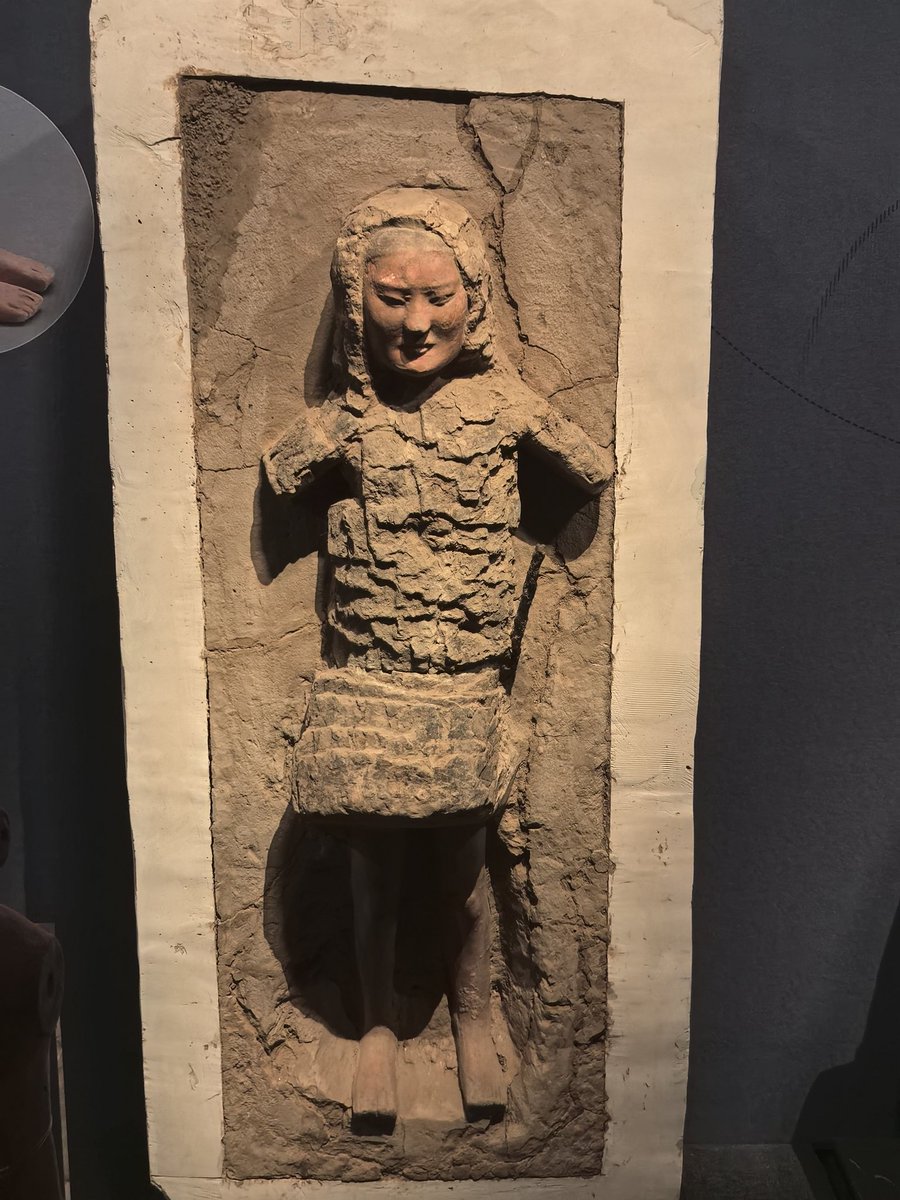
This terracotta warrior unearthed from Han Yang Ling—the mausoleum of Emperor Jing of the Western Han Dynasty (188–141 BCE)—is a vivid window into ancient Chinese military life.
Standing with a calm, determined expression, the figurine wears remnants of a leather armor suit, its layered plates still visible in the clay. Though its original wooden weapons and fabric clothing have long decayed, the detailed craftsmanship reveals the soldier’s posture and the structure of Han Dynasty military attire.
More than just a burial artifact, it embodies the grandeur of the Han Empire and the meticulous artistry of ancient Chinese sculptors. Today, it stands as a silent witness to China’s rich imperial past, connecting modern viewers to a world of warriors and emperors.
#History #China #CulturalRelic
Royal Bronze Dagger-Axe of Song Gong Luan
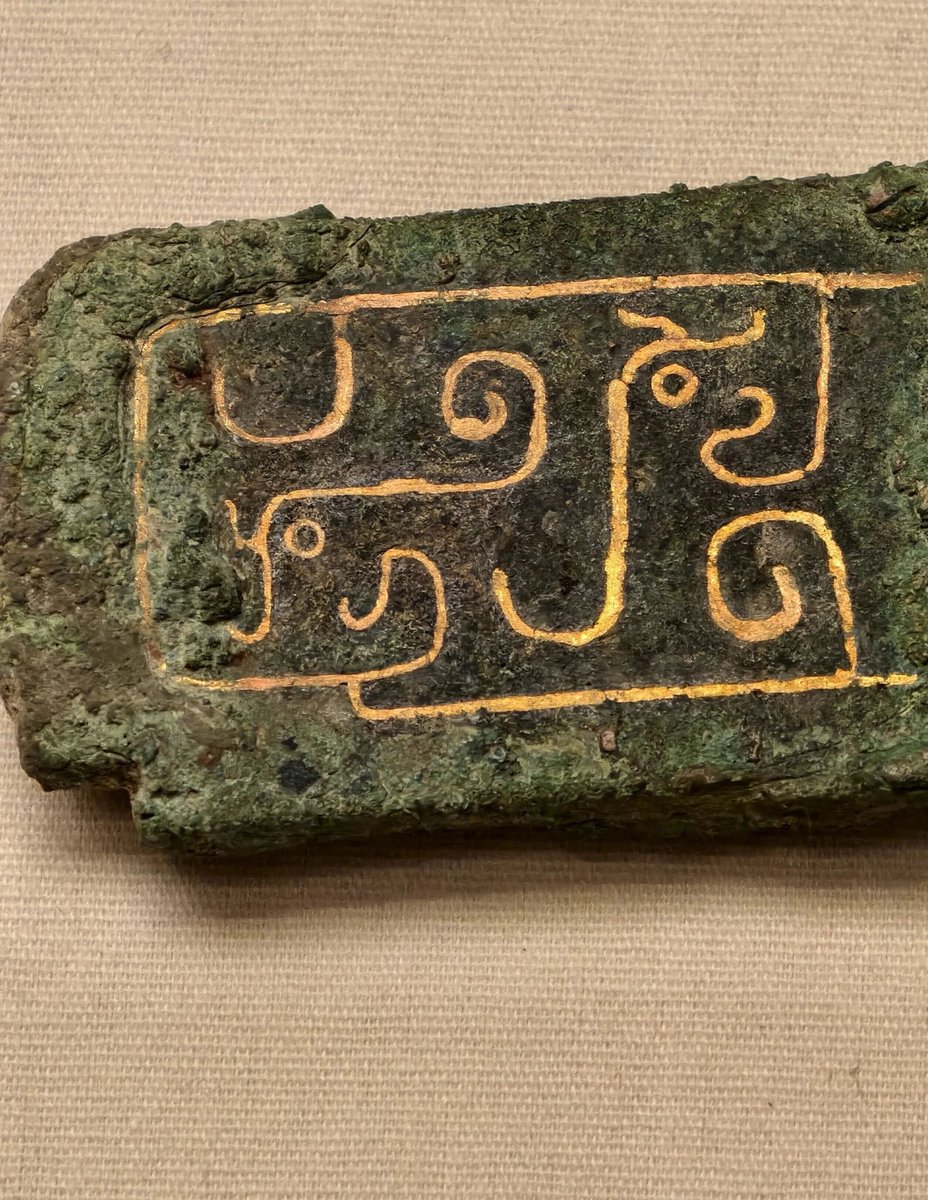
A precious national treasure from the Spring and Autumn Period, this bronze ge (dagger‑axe) was made for Duke Jing of Song (Song Gong Luan), the 27th ruler of the State of Song. It features exquisite gold-inlaid bird seal script inscribed with “Made for Song Gong Luan”. Unearthed in Shouxian, Anhui in 1936, it is now preserved at the National Museum of China, representing peak bronze craftsmanship and royal authority in ancient China.
#History #CulturalRelic #NationalTreasure
Royal Regalia of the Ming Dynasty: A Tale of Two Imperial Crowns
These two exquisite treasures from the Ming Tombs Museum offer a glimpse into the opulent world of China’s imperial court.
The first is the Golden Filigree Crown (金翼善冠), a masterpiece of gold craftsmanship worn by Ming emperors. Woven from ultra-thin gold threads into a delicate mesh, it is adorned with intricate dragon motifs that symbolize imperial power. This lightweight, airy crown is a testament to the unparalleled skill of Ming Dynasty goldsmiths.
The second is the Phoenix Crown with 12 Dragons and 9 Phoenixes (十二龙九凤冠), a resplendent headdress for empresses. Densely decorated with vivid kingfisher feather inlay, shimmering pearls, and precious gemstones, it features 12 dragons and 9 phoenixes—symbols of imperial authority and feminine virtue. The vibrant blue kingfisher feathers, a traditional Chinese craft technique, lend it an ethereal, timeless beauty.
Together, these crowns stand as enduring symbols of the Ming Dynasty’s artistic excellence and imperial grandeur.
#ImperialCrown #CulturalHeritage #GoldenFiligree #PhoenixCrown #AncientArt #KingfisherFeatherInlay
#WorldHeritage #AsianArt #RoyalJewelry #CulturalTreasures #ChineseHistory #ArtOfTheAncients #ImperialChina #HeritageArt
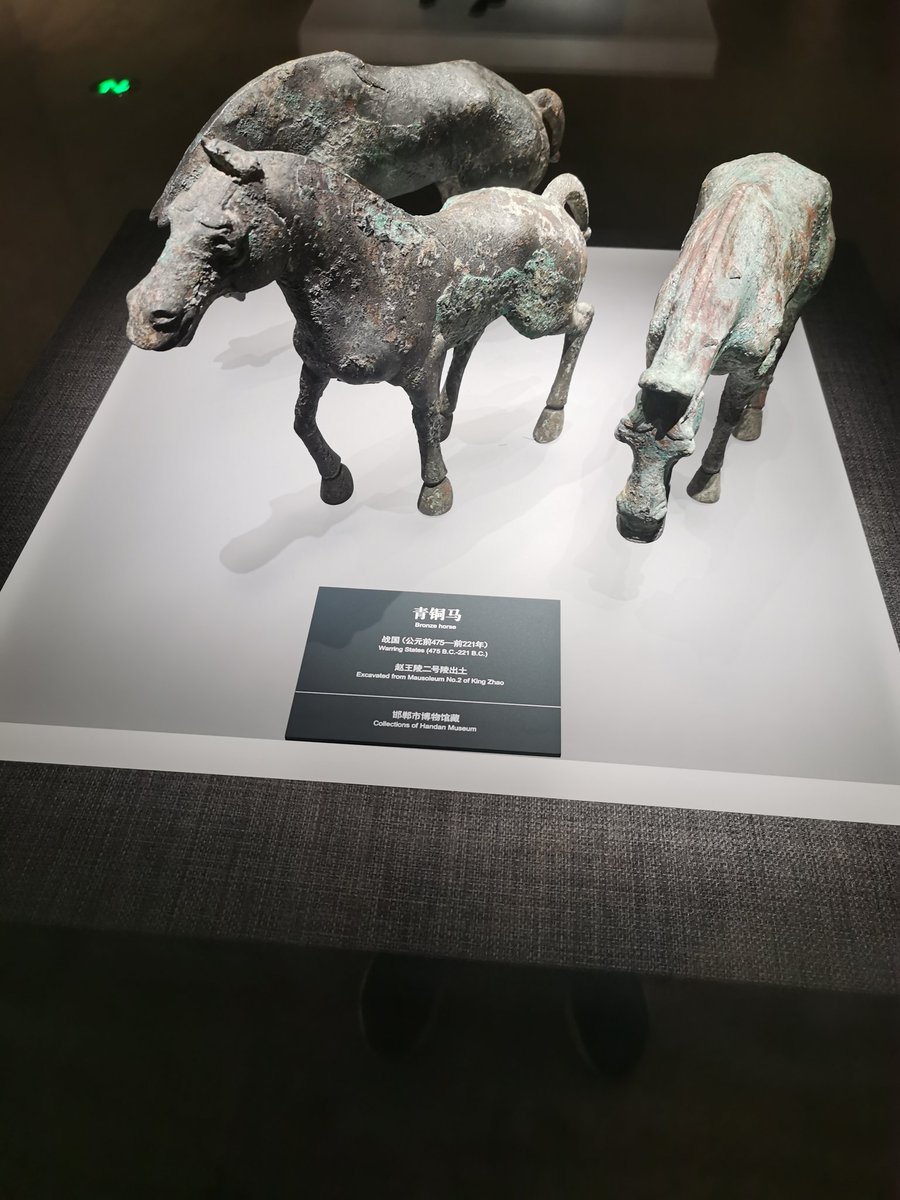
The Legendary Warhorses of Zhao: A Glimpse into Warring States Splendor
This exquisite exhibit features three life-like bronze horses unearthed from the Tomb No. 2 of King Zhao's Mausoleum in Handan, Hebei Province. Dated back to the Warring States Period (475-221 BC), these national first-class treasures stand at approximately 15 to 18 centimeters tall, each exuding a distinct vitality. One horse holds its head high in mid-stride, while the other two bow their heads in repose, capturing the raw power and realism of ancient equine sculpture. Notably, their tails are neatly tied—a practical detail reflecting the military ingenuity of "Hu Fu Qi She" (King Wuling of Zhao's military reforms). These masterpieces, predating the famous "Flying Horse of Gansu" by over 400 years, are not just artifacts; they are vivid storytellers of a pivotal era in Chinese military and artistic history. #WarringStatesPeriod #CulturalHeritage #BronzeHorse #NationalTreasure