So im sure we have both seen tubing tested in a lab. When they test for tensile and elongation that do that at a rate of like a few thousandths of an inch per second. So basically we can go eat lunch and come back 30mins later and that tube is still stretching. Maybe at 40mins it finally breaks and we arrive at tensile strength and elongation.
I don’t know of any race car crash that lasts 30-40 mins. In a crash we do all this at an extremely high rate of speed. We elongate tubing in fractions of a second as opposed to 30 mins in a lab. I believe they call this the strain rate. As we speed everything up our numbers move around. Our strain rate increases 1000%. Our yield and tensile numbers spike and our elongation drops at these high rates of speed.
Im not telling anyone how to build a race car. We all have our ways. But i am saying i want a way bigger gap than 5,500 between my yield and tensile. Actually i want 20k
In fact of the tubing samples you provided i would refuse 7 of them at my shop. I personally would not sit in a car with 7 of those numbers. And they do not fall in the actual parameters of normalized 4130 material
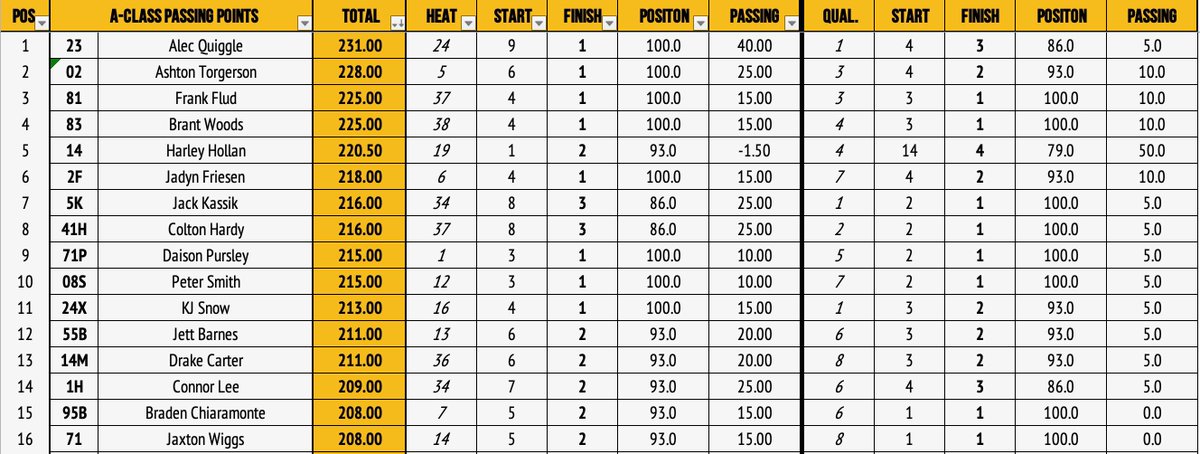
@LandonHuffman I get both points. I definitely always want to show up with a chance to win but I also understand trying to challenge yourself against the highest level of competition. Even if it means less of a chance of winning.
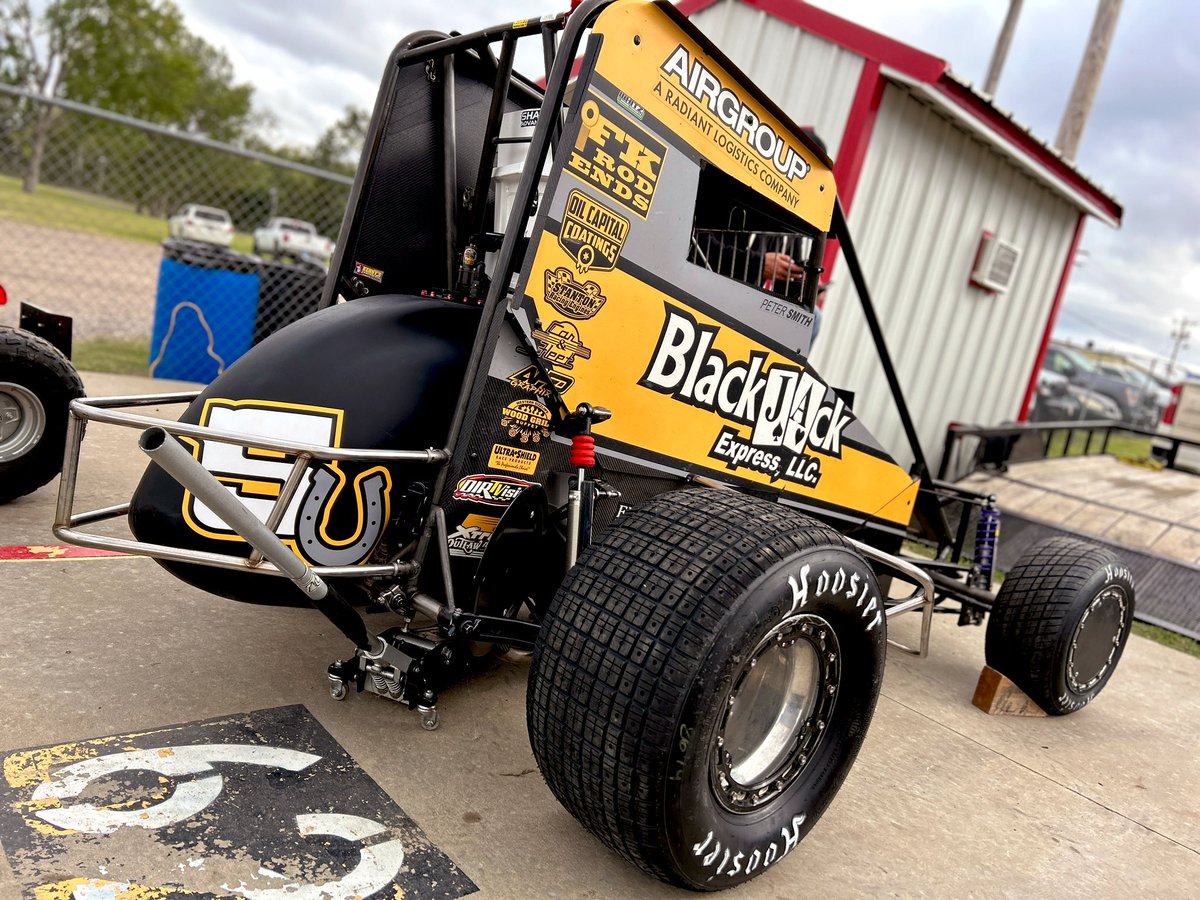
It’s @7URacing: 5U edition. 🖐🏻
Micro Sprint racer Peter Smith makes his #XtremeOutlaw debut tonight at @PortCity_Racing in the second Trifecta Motorsports entry.
The Anthony, NM-native ran 15th in his national Midget series debut last night with @POWRi_Racing.