@MakaylaV2029 TBT, an unfortunate welcome to sports politics. Effort only works for 50% of the battle. I had two kids, one in baseball, one in softball. Premium Club/Varsity teams have a tendency to pay attention to the kids whose parents either "pay to play" or are connected to the system.
@EAStarWars - Amazing. I get locked out of the game for almost a week. Finally back in. No compensation, no way to get help in-game. After over 5 years, I think we're done here.
Love the layout of the in-game help. Can't tap into the message area on Android.
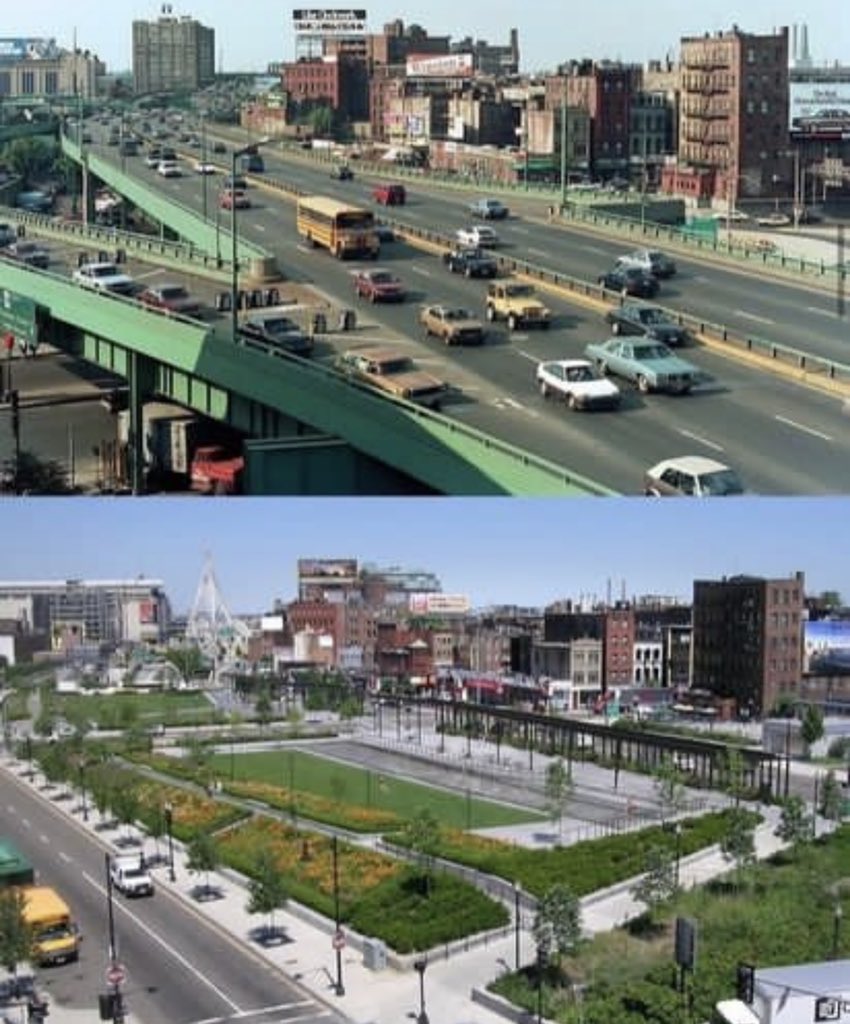
After the completion of the Big Dig in Boston, a remarkable transformation took place in the city's transportation system. Previously, Boston faced a significant traffic dilemma known as the Central Artery, an elevated highway running through the heart of downtown. From its inauguration in 1959, the Central Artery struggled to accommodate the growing volume of vehicles, with a surge from 75,000 to over 200,000 daily by the early 1990s. Consequently, it became notorious as one of the most congested highways in the entire United States.
The consequences of this congestion were severe. Traffic moved at a snail's pace for up to ten hours each day, and the accident rate on the Central Artery exceeded the national average fourfold. Motorists suffered an estimated annual cost of $500 million due to these challenges.
To address this crisis, the Central Artery/Tunnel project, commonly known as the Big Dig, was initiated. The objective was to replace the six-lane elevated highway with an underground expressway, situated beneath the existing road. The planning phase commenced in 1982, and construction activities spanned from 1991 to 2006. Despite enduring a lengthy and troubled 15-year journey, the project finally reached its completion in 2006.
The underground tunnel stretches approximately 1.5 miles and boasts eight lanes. At its peak, the project engaged a workforce of 5,000 individuals daily. With a staggering cost of $14.6 billion, the Big Dig became one of the most financially demanding construction ventures in history.