Тейк "ИИ - это инструмент" прав там, где ты говоришь, окей, ИИ, давай разберемся, как я могу написать такую-то сцену, найди мне штуки, помоги понять, что общего у авторов, как я могу приблизиться к такому результату. Когда ты говоришь"НАПИШИ за меня" - это не инструмент, а сервис
уважаемые политические лесбиянки, геи экспериментаторы, абсолютные расово верные гомосексуалы а также всеми отвергаемые бисексуалки в текущих гетеросексуальных отношениях! у меня для вас крутое объединяющее напоминание 🩷🩷🩷для товарища майора вы все достаточно настоящие 🩷🩷🩷
when i'm mad from my perspective but i can also see their perspective so now i’m carrying double the emotional weight and being eaten away by my anger and empathy
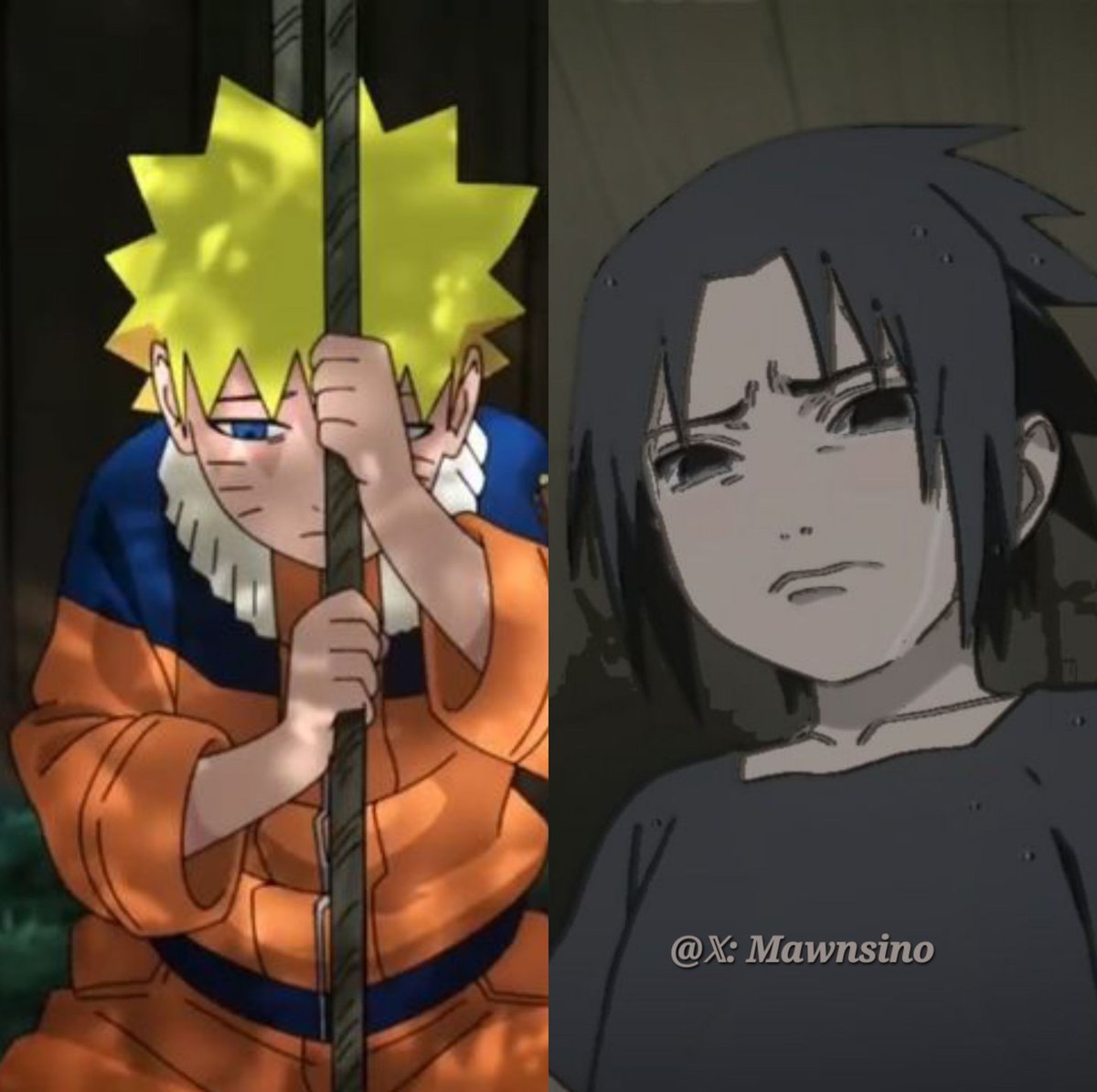
A lot of people dragged me for saying Sasuke still had no valid reason to go rogue.
And honestly, I still stand by that point.
Trauma can explain someone’s behavior, but it does not automatically justify every decision they make afterward.
That’s part of why Naruto’s mentality will always be one of the most impressive things in the series to me.
Because if we’re being honest, Naruto had every reason to grow up hating the Hidden Leaf far more than Sasuke ever did.
The village feared him since childhood.
Adults looked at him like he was a monster.
Parents warned their kids to stay away from him.
He grew up without parents, without a clan, without love, without emotional support, and spent most of his childhood desperately starving for acknowledgment from people who already decided what he was before they even knew him.
If anybody in that world had the perfect setup to become cold, bitter, or even villainous, it was Naruto.
Yet Naruto still chose loyalty.
He still chose compassion.
He still chose to protect people who had emotionally abandoned him for years.
That level of emotional resilience is genuinely terrifying when you think about it deeply.
But at the same time, the older I get, the more I realize something important about Sasuke that many people overlook:
Sasuke was psychologically broken long before he physically left the village.
People simplify his story too much and reduce it to:
“Sasuke had friends, so he should’ve stayed.”
But trauma isn’t always that simple.
Sasuke didn’t grow up isolated from the beginning like Naruto did.
He experienced love first.
He knew what family felt like.
He knew what belonging felt like.
He had parents.
He had a clan.
He had an older brother he admired more than anyone else in the world.
Then in a single night, all of it disappeared.
His home became a graveyard.
His entire bloodline was erased.
The person he trusted most became the face of his trauma.
And the worst part is that Sasuke never truly healed from that moment because the shinobi world kept feeding his hatred instead of helping him process it.
Every step of his life after the massacre pushed him deeper into obsession.
Power became his coping mechanism.
Revenge became his purpose.
Hatred became the thing keeping him emotionally alive.
That’s why I think many people misunderstand Sasuke’s downfall.
I still don’t think he was “right.”
I still think he made terrible decisions.
He hurt people who genuinely cared about him.
He threw away bonds that others would’ve died to have.
But I also think people underestimate how mentally destroyed he already was before Orochimaru ever entered the picture.
By the time Sasuke left the village, his mind was already consumed by grief, inferiority, rage, trauma, and the crushing need to give meaning to his clan’s death.
That’s what makes Naruto and Sasuke such brilliant contrasts to me.
Naruto suffered and desperately chased bonds because he never truly had them.
Sasuke suffered and slowly pushed bonds away because every important bond he ever loved became associated with pain, betrayal, and loss.
One looked at suffering and begged the world to acknowledge him.
The other looked at suffering and slowly stopped believing the world deserved anything from him at all.
And honestly, that’s why their dynamic still feels timeless years later.
They aren’t just rivals.
They’re two completely different psychological responses to pain, loneliness, and trauma.