Hyperliquid Annual Report 2025
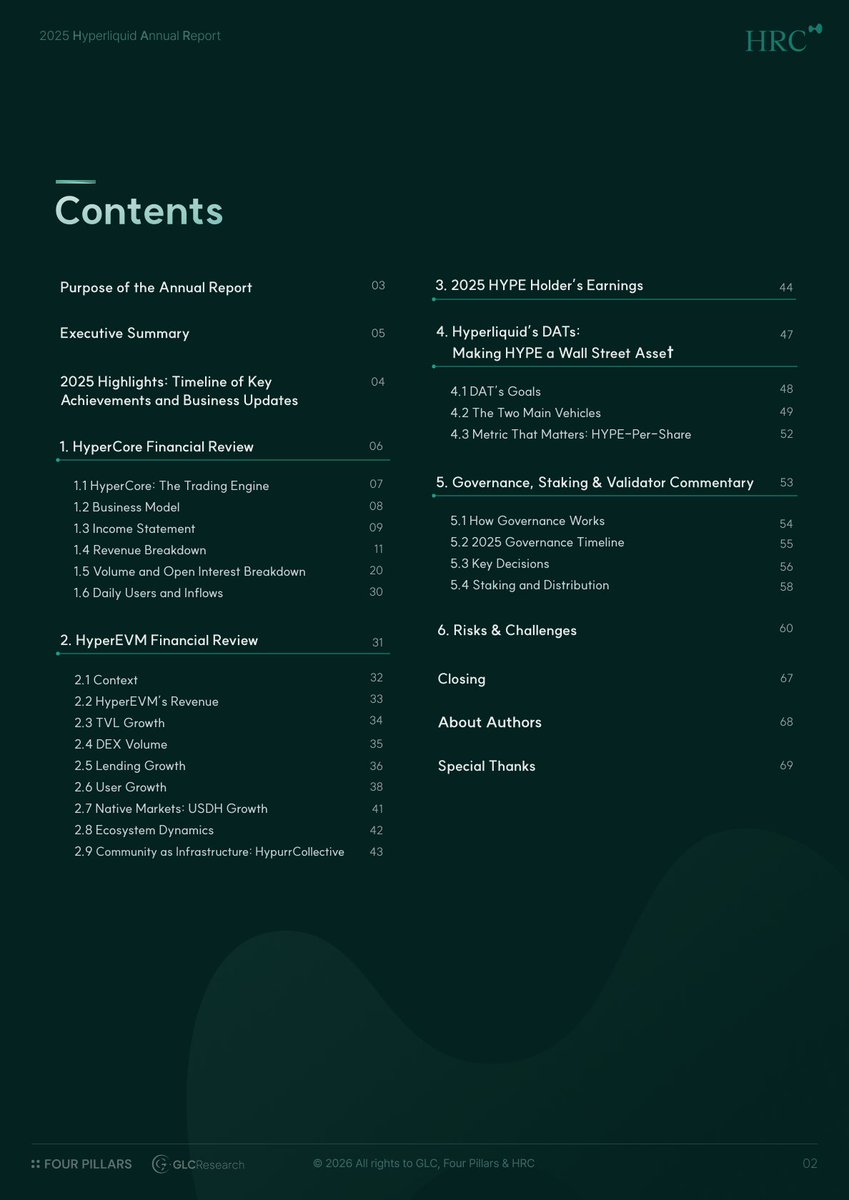
Today, we're excited to release Hyperliquid's 2025 Annual Report.
What Hyperliquid, the core team, and hundreds of contributors have built this year is largely unprecedented in financial history. This report is our attempt to capture that extraordinary year with the rigor it deserves.
A few months ago, we created HRC because we felt a clear need to reduce information asymmetry and lower entry barriers for new participants through independent research. We hope this report helps do exactly that.
For us, it is a privilege to be part of this ecosystem and to have produced this work. Months of research, data work, debate, and collaboration across Four Pillars, GLC, and all our contributors went into every page. It means a lot to share it today, so please, let us know what you think and how we can improve the reporting going forward.
Enjoy the read. Some excerpts below, with the link to the full PDF.
Hyperliquid.
I put a lot of heart into my technical writing, I hope it's useful to you all.
📌 Here's a pinned thread of everything I've written.
(much of this will be posted on the Claude blog soon as well)
@TurnerNovak I was investigating a guy running 30 accounts with Indonesian IP addresses and I was trying to figure out what tools he was using.
I found out it was AI: Actual Indonesians.
Hyperliquid supports permissionless perps on anything. As all of finance moves onchain, there is a billion dollar opportunity to build a mobile app for non-crypto users.
The two keys are:
1. seamless fiat onboarding
2. a mobile UX that non-crypto users love
Hyperliquid and HIP-3 perps offer the full backend liquidity infrastructure. Solve 1 and 2, and you have a product that markets itself: global, permissionless finance at your fingertips. Builder codes allow monetization proportional to volume flowing through the app, fully configurable per-trade.
Hyperliquid’s ethos is to let talented, hungry teams reinvent the pillars of finance. For those who specialize in UX and building magical user experiences, nothing stands between you and the empires to be built.
@ponder_sh has been my go-to type-safe indexer. Fast, reliable, and a solid alternative to subgraphs.
Excited to try out @marblexyz!
Huge congrats to @typedarray and the team on the launch!
Introducing Marble.
Marble is a platform for offchain software, built by the team behind Ponder.
We're making it radically easier to build fast & reliable backend systems for crypto apps.
1/ Euler will join Napier as a curator.
@NapierFinance v2 will allow builders to create yield derivatives on yield assets across most EVM chains.
Euler will also be the key lending market for all its PTs.
Make Yield Trading Great Again
On-chain yield trading that introduced by Pendle has already become one of the most popular product in DeFi.
But the innovation should not stop there, today I will extensively discuss @NapierFinance with their upcoming v2.
Let's dive in 🧵
...
— 📌 | Unscalable Yield Tokenization Model
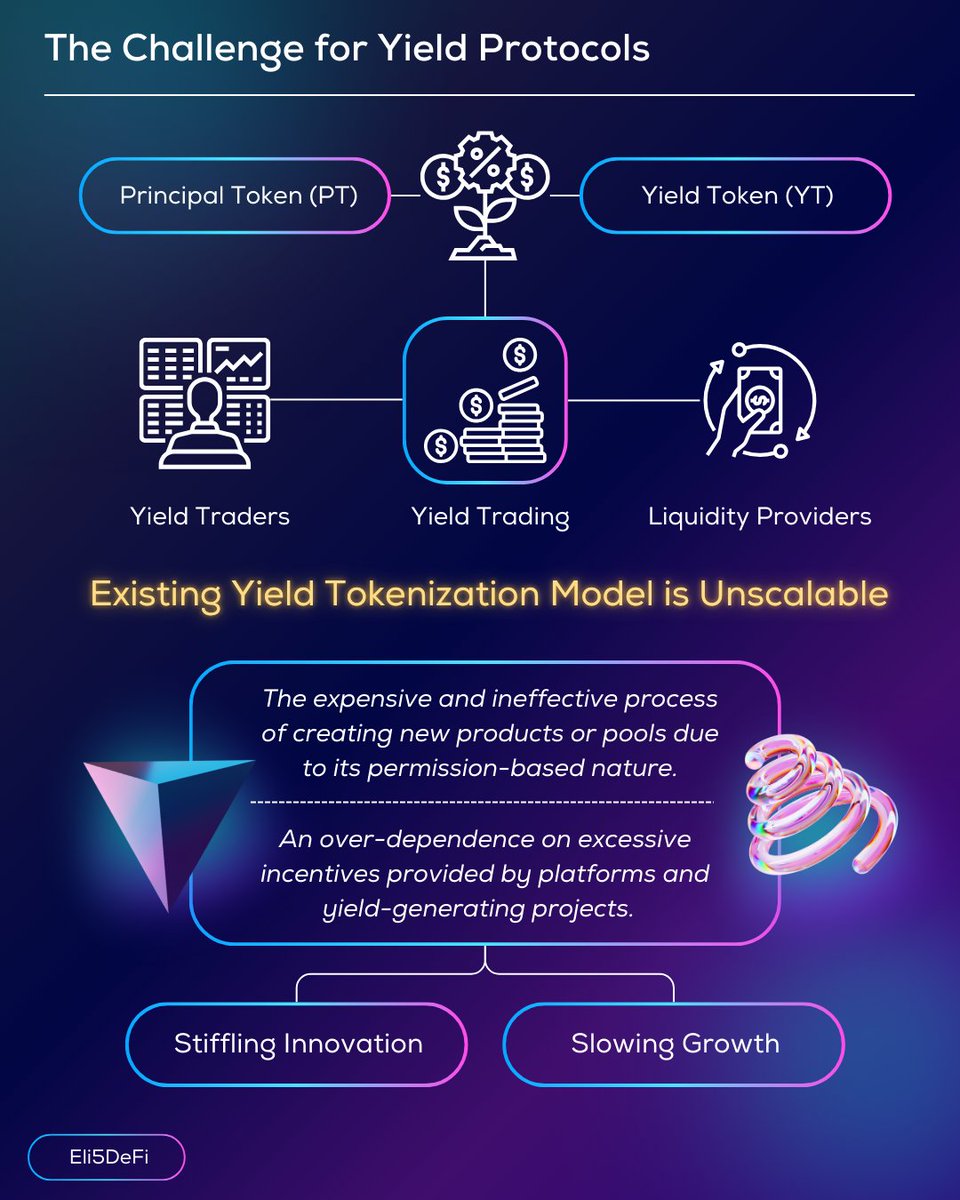
DeFi thrives on yield, which is why yield tokenization has been highly successful in the on-chain ecosystem, whether by trading yield for notable returns or by providing liquidity.
However, it is currently grappling with significant challenges due to two main factors:
🔹 The costly and inefficient process of developing new products, driven by the complexity of calculating risks and implementing the required logic.
🔹 An over-dependence on excessive incentives provided by platforms and yield-generating projects.
These issues highlight a structural limitation that prevents scalability to the multi-trillion-dollar Interest Rate Derivatives (IRD) market.
So, what can be done to address this?
...
— 📌 | Modular Yield Tokenization
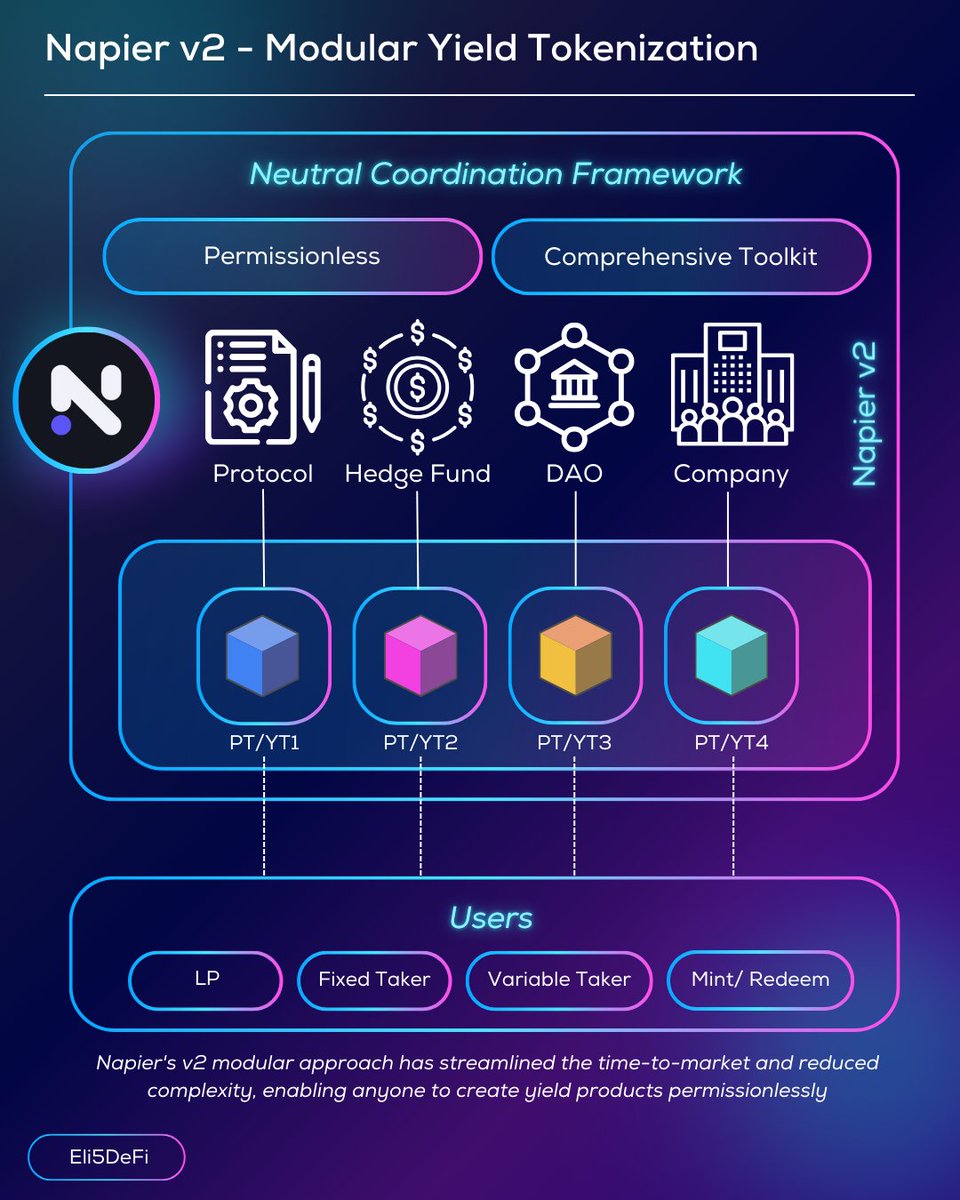
Napier Finance has recently introduced their v2, a neutral coordination framework designed for yield tokenization.
This coordination framework approach has already shown success across other protocols like @MorphoLabs, @SiloFinance v2, @eulerfinance v2, @symbioticfi and @Uniswap v4, as well as on launchpads such as @Pumpdotfun and @FjordFoundry.
In simple terms, It’s similar to Pendle, but with a key difference:
The deployers of PT/YT (Principal Token/ Yield Token) maintain ownership and have the freedom to offer any type of yield products.
Napier v2 aims to overcome the limitations of current yield trading by offering a comprehensive technical toolkit that enables anyone to deploy their own PT/YT.
...
— 📌 | How it Works
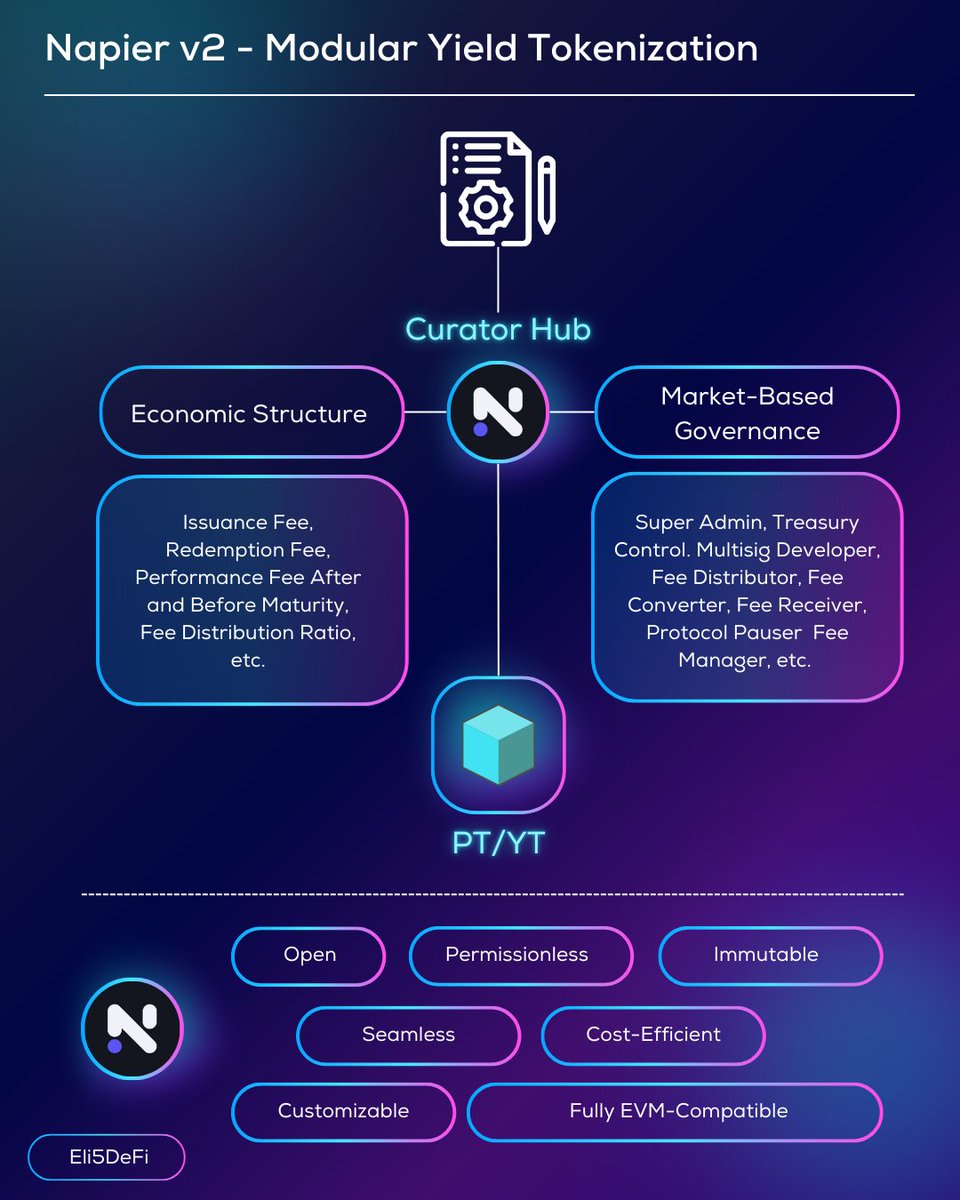
Curators act as deployers of PT/YTs, utilizing the Napier v2 framework through the Curator Hub Interface or Napier Factory in a permissionless manner.
They have the ability to define and tailor the economic structures of their PT/YTs, such as modifying fees based on maturity duration, applying dynamic fees, and imposing penalties after maturity.
Using a market-based economic model, curators can generate significant revenue and grow their product offerings at any time, without relying on platform deployment.
Additionally, Curators hold the power to assign roles related to PT and YT management to individuals or organizations, a system referred to as Market-Based Governance.
They can delegate responsibilities, activate emergency pausing mechanisms, and implement upgrades to ensure the efficient functioning of the market.
This flexible approach allows Curators to closely adapt to market supply and demand to adjust the incentives and improving overall market efficiency.
...
— 📌 | Why Napier v2?
I see Napier v2 unlocking new possibilities for yield tokenization.
Imagine protocols or even institutions wanting to introduce their product on the blockchain, enabling them to develop their own yield derivative products without needing to create new code from scratch or depend on untested forks.
They will get significant alternative revenue streams, existing userbase and possible composability with other DeFi protocols.
This means users will enjoy a wide range of instantly available IRD products.
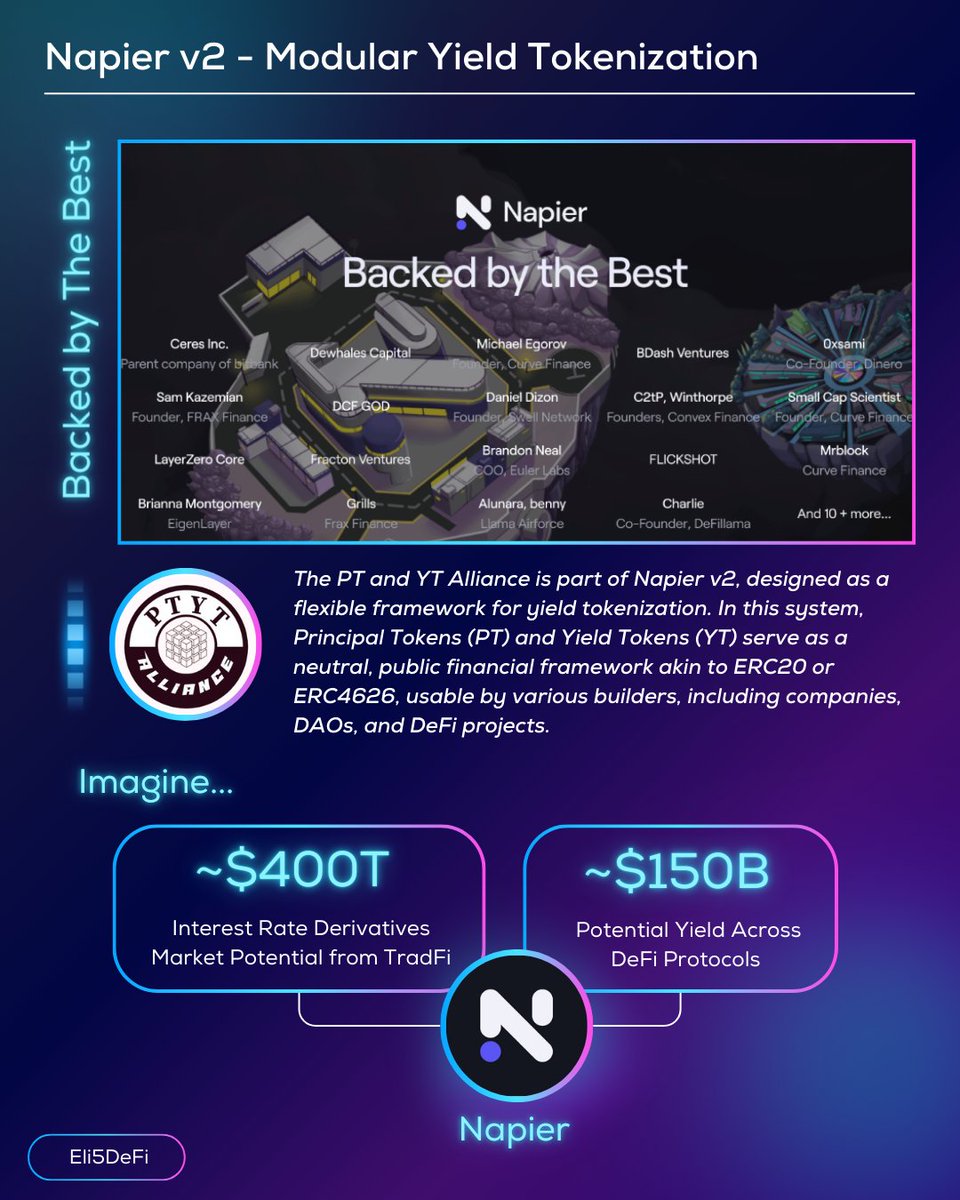
We are talking $400T potential of IRD market from TradFi that can be converted on-chain.
It's not far-fetched to anticipate that Napier could become the cornerstone for yield in the future.
Moreover, Napier Points are on the horizon for both curators and users, with the potential to be converted to $NPR upon TGE.
There's a lot to look forward to with Napier, and I'm eager to fully explore the yield strategies once it launches!
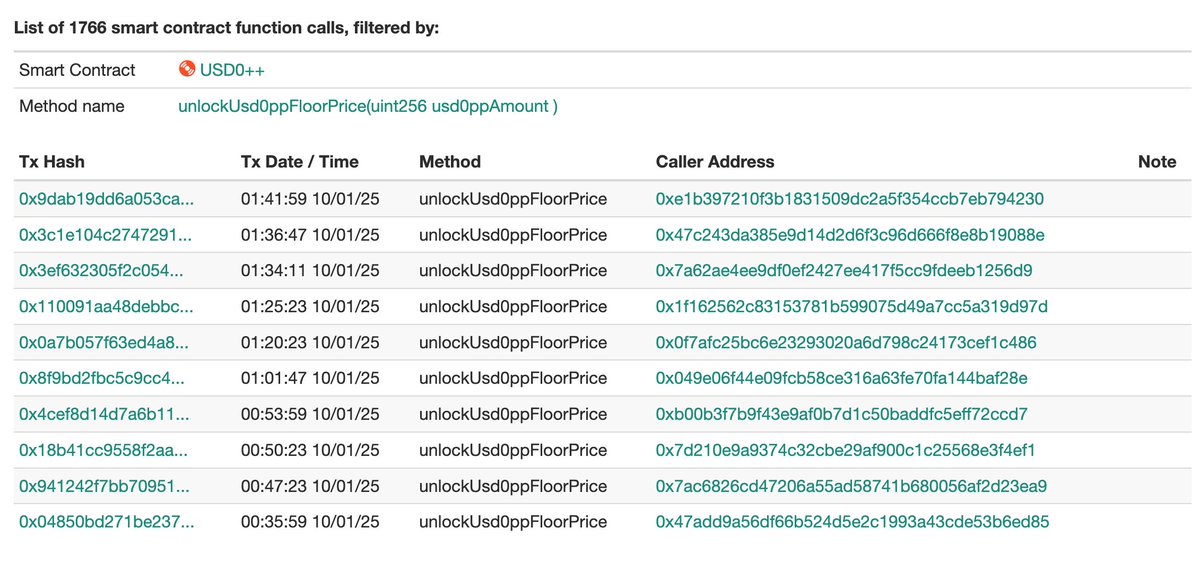
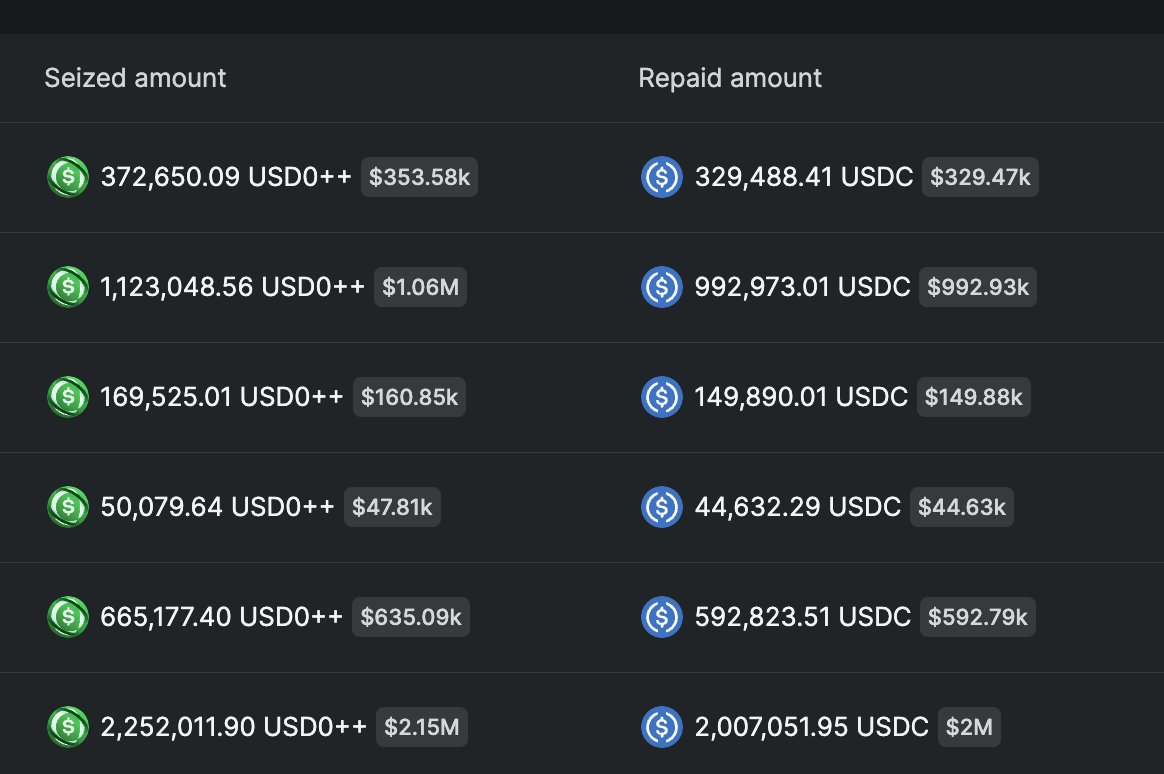
> Usual suddenly changes usd0++ floor price to 0.87 from 0.9995
> usd0++ depegs to reflect new floor
> Majority of the markets are hardcoded 1:1 (usual pinky promises to cover any "bad debt")
> For the ones that use floating oracle, depeg along with accumulated interest causes multi million liquidations
> Usual Pts (+LPs) on pendle fully rekt
> Some gigabrains choose to redeem their usd0++ for 0.87 instead of selling for 0.92+ market rate ???
ONLY IN DEFI, THANKS FOR FLYING
@cryptostaker22 Sorry to hear this.
Similar thing almost happened to me. I got dm on linkedin to review and fix their dapp. The code doesn't seem suspicious viewed at github. But I discovered they appended a malicious code only visible when viewed using editor.
@devneill@adamwathan Couldn't say it better, I learn a lot of CSS by using tailwind.
When used with proper tooling. It build your intuition and understanding of the underlying CSS.