My life changed in 2020. Lost a close family member, First workshop Business fell, 8yr-long gf left. I quickly got into online gigs that kept the lights on until 2021. Chatgpt ilitokea end of 2022 nikiwa ocha kimeumana. Took a Break ya miaka tatu kichwa ipoe(22-24)
2025 after kuuza miti uko nyuma ya ID, I was back in Kitengela looking for writing and transcription gigs not knowing how big the changes were in online money. Slowly I understood what AI is and what that meant for me as a freelancer.
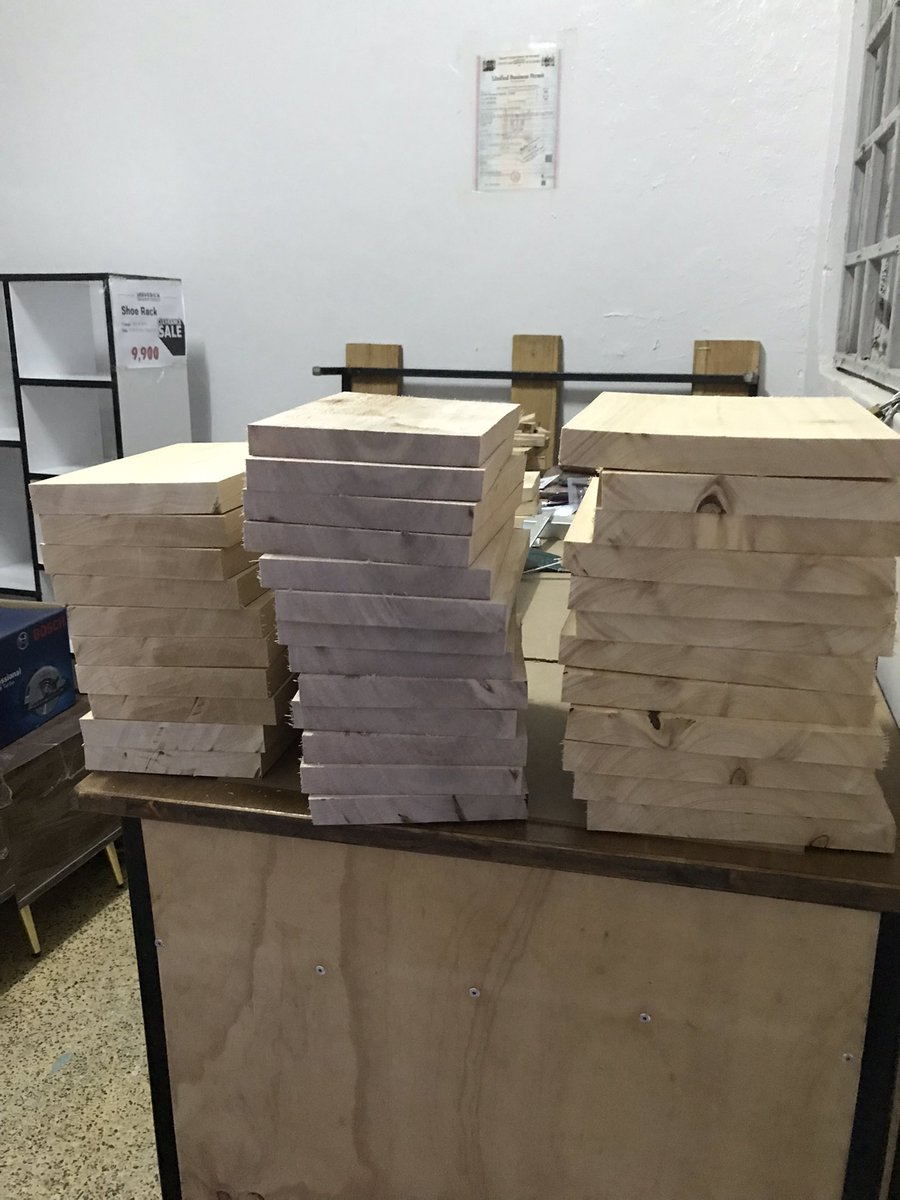
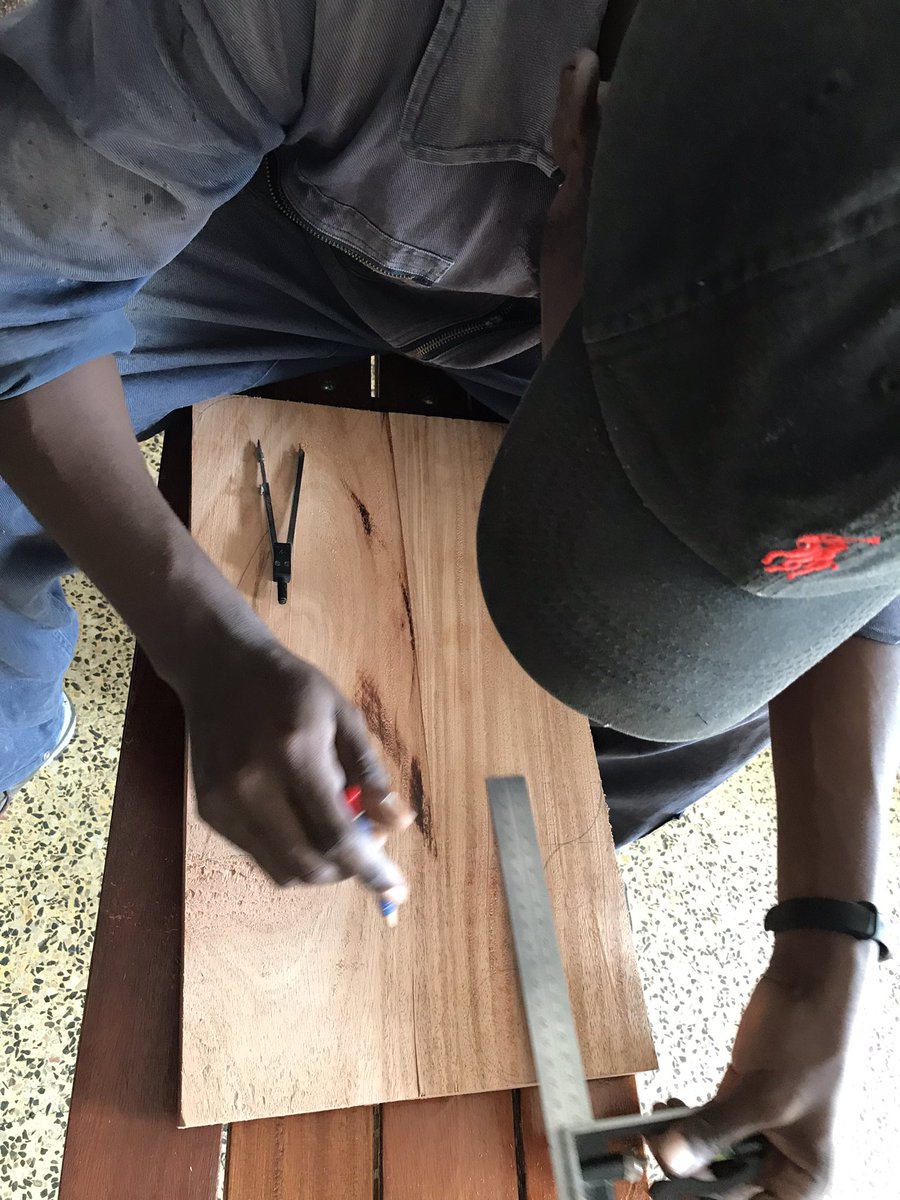
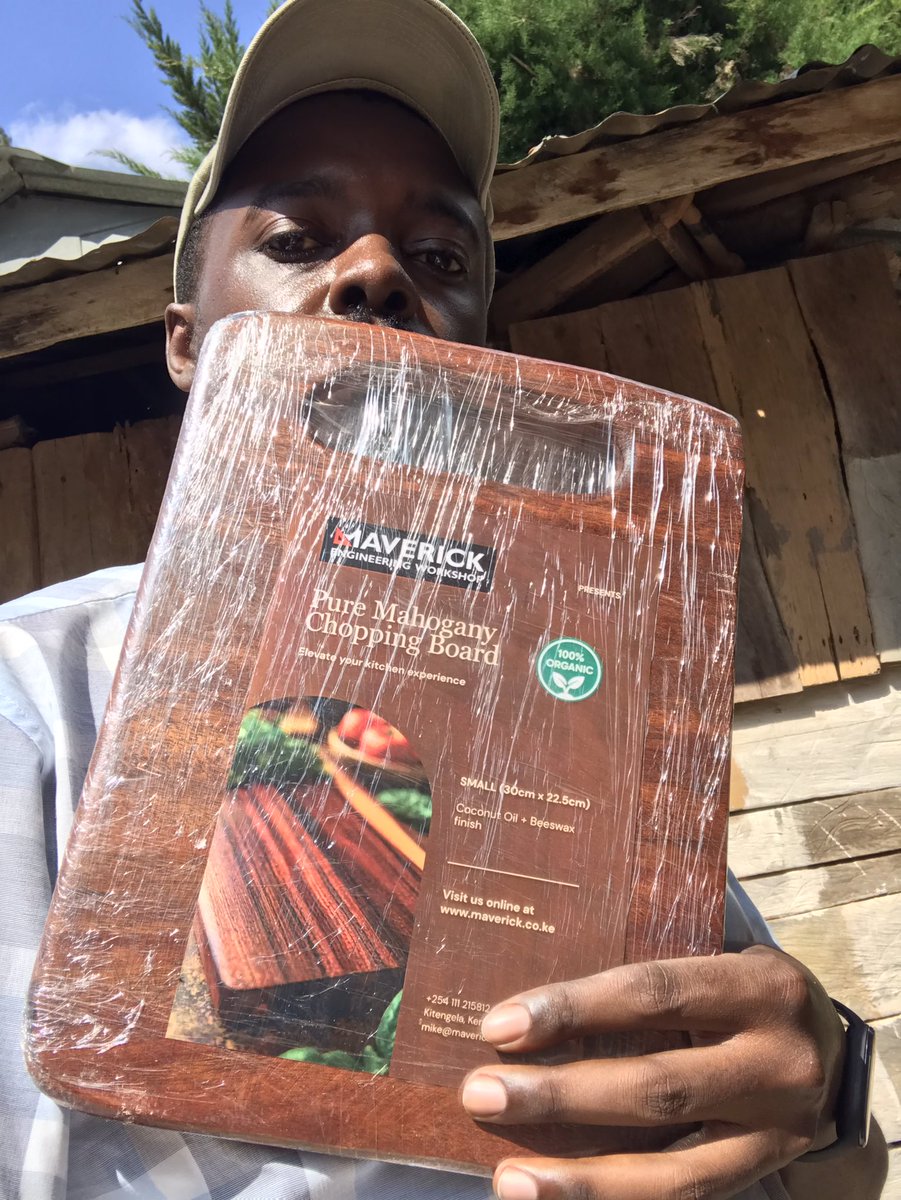
Eventually watched some people on YT and I started making chopping boards from the rooftop where I rent my single room. I did not have the workshop in Kitengela yet.
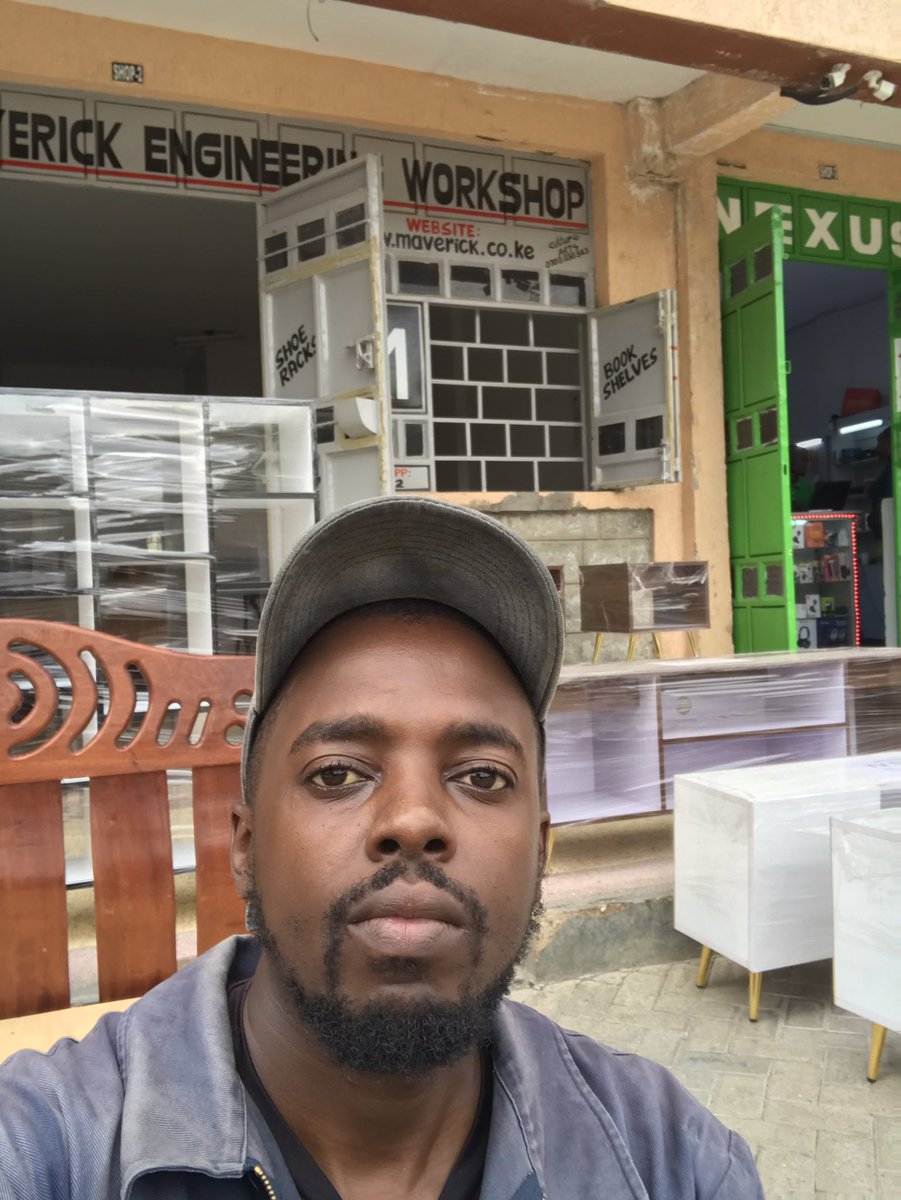
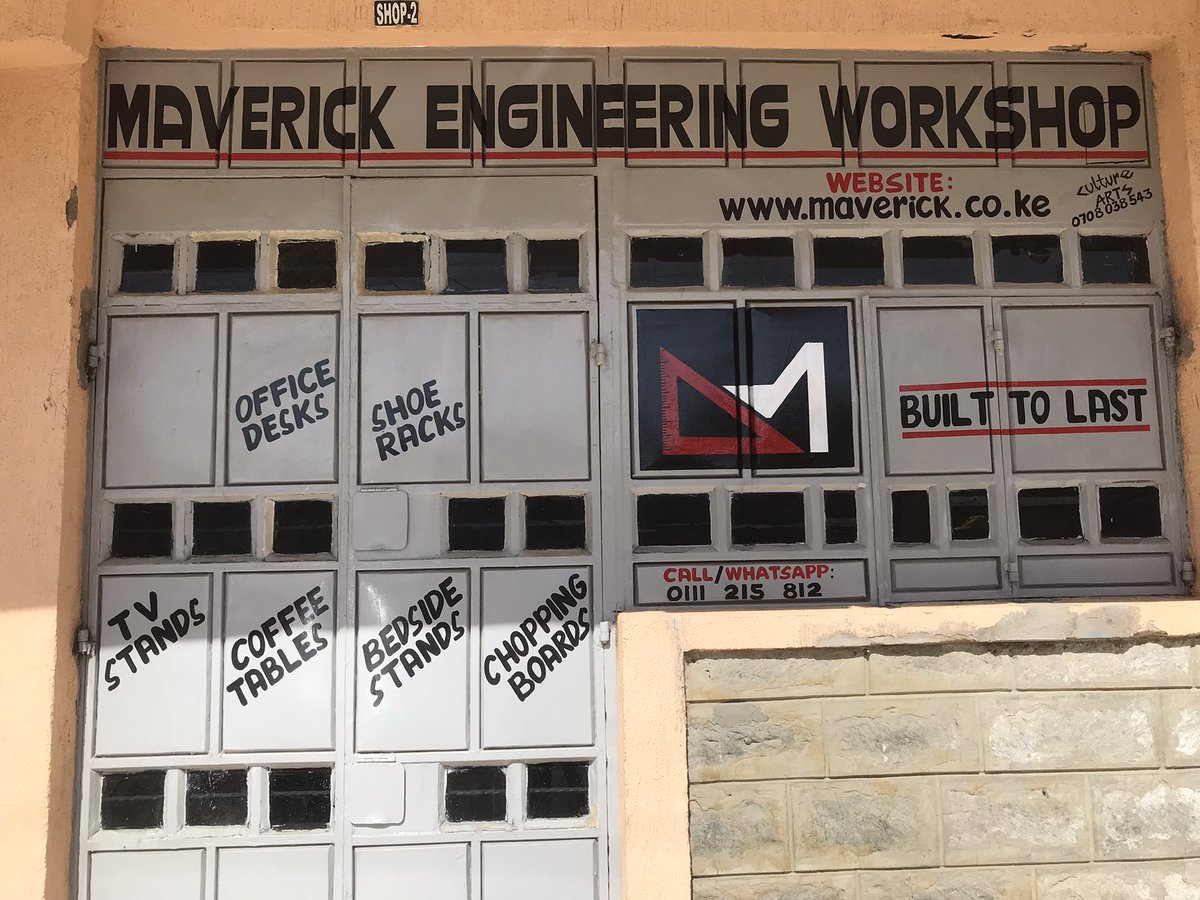
My customers were loving the product. One thing led to another and I opened the workshop in January 2026.
Tried introducing cheaper softwood boards but that failed miserably(cracking). My clients care a lot more about quality so I doubled down on mahogany.
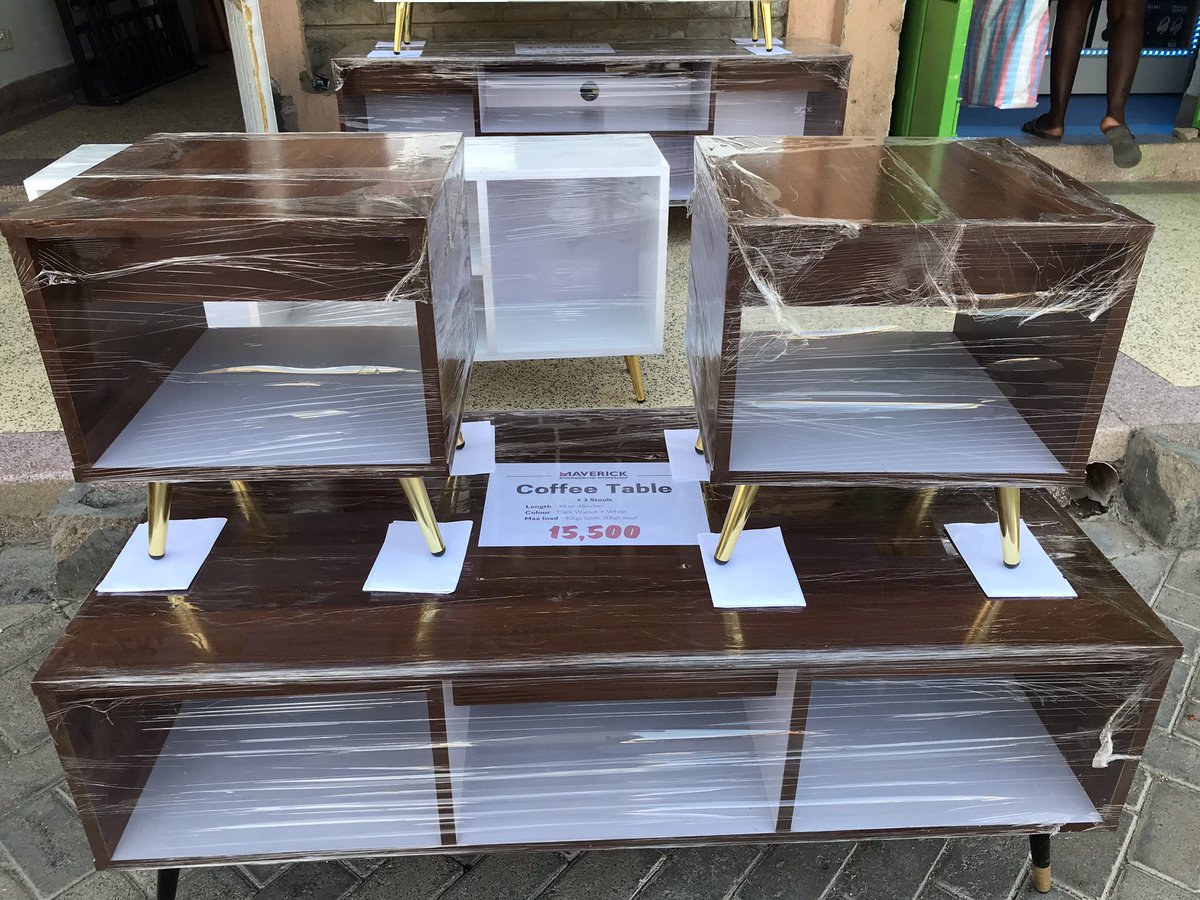
I also tried building some simple home furniture but that too failed. They weren’t unique in a way that a buyer 500kms away would order.
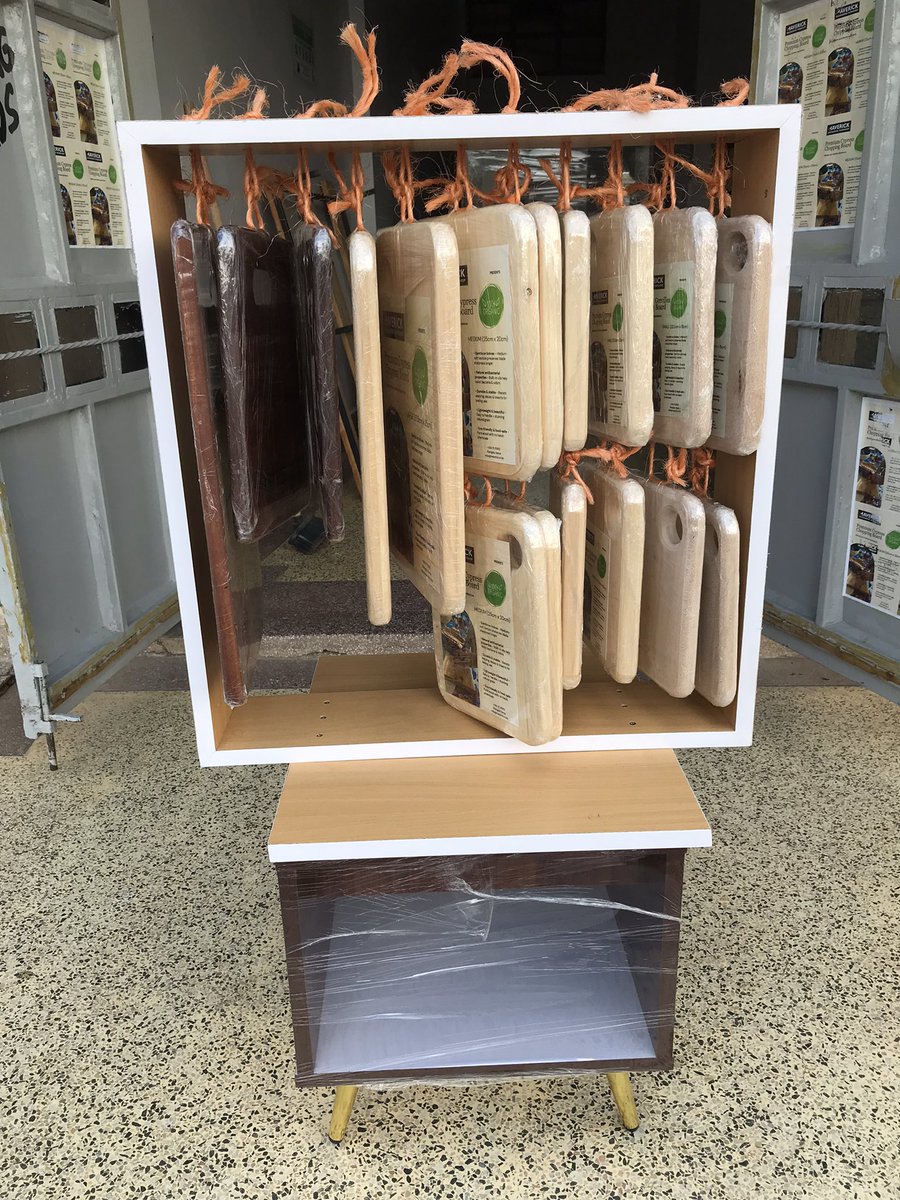
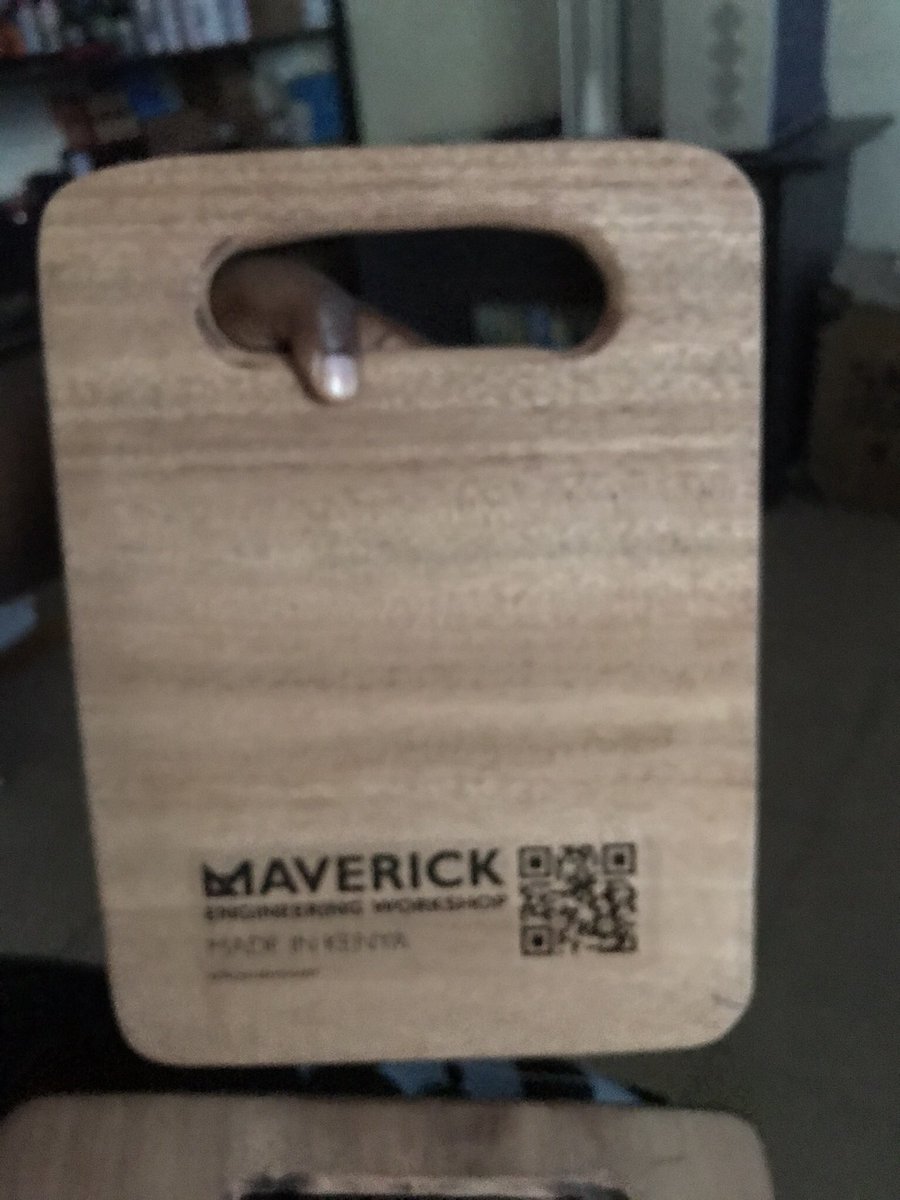
Finally decided that hardwood chopping boards would be the best product for my small workshop. High quality attracts a high value client.
90% of my sales has been through X. I thank all of you who’ve reposted my sales posts and brought a sale or two my way.
I have a dream to grow this tiny workshop to a fully equipped manufacturing facility.
Manufacturing and exporting hardwood chopping boards.
Employing hundreds of young guys.
Major lessons: stay alive, get a skill, no shame.
Kenya's NGO culture is a legitimate concern. I'd restrict their work to areas like health, sanitation and economic empowerment, with restrictions elsewhere. Uncomfortable as it may be, many Kenyans have become unwitting conduits for foreign interests.
Just found out today that Lions SightFirst Eye Hospital in Loresho accepts old spectacles, replaces the lenses and hands them out to those who cannot afford them.
So, if you have old spectacles you no longer use, take them to their Optical Unit reception desk.
The Hidden Cost of Living in a Low-Trust Society
Trust has enormous economic value.
In Japan, for example, some farmers sell vegetables at unattended roadside stalls. They leave their produce with a price and a money box. Customers take what they want and pay.
We spend so much time and money protecting ourselves from dishonesty. You employ someone, then constantly monitor them because they might steal. You enter a business agreement, but need witnesses, deposits and guarantors. You buy something online, but fear paying before delivery because you might never see the product.
And the worst part is that these precautions are usually justified. People have been cheated enough times to know better.
Every dishonest person makes life more expensive for everyone else. Businesses spend money preventing theft instead of expanding. Honest people are treated with suspicion. Transactions that should take minutes take days.
Economists call these transaction costs. In his book Bowling Alone, Robert Putnam explains why societies built on mutual trust and reciprocity are more efficient than distrustful ones.
And it doesn't end there. I build websites and online applications, and I know how frustrating it is when services like Stripe aren't fully available to us, or when PayPal comes with restrictions. Fraud isn't the only reason, but it's one of the risks these companies consider. So even those of us running legitimate businesses end up paying for a reputation we didn't personally create.
And before someone blames poverty, some of the biggest thieves in our societies are already wealthy. Meanwhile, millions of poor people live honestly every day. Dishonesty isn't simply a consequence of poverty. Low trust is also one of the things that keeps societies poor.
This brings me back to Africans who celebrate scamming Westerners as intelligence. Some even justify it with colonialism.
But stealing an American pensioner's savings doesn't recover a single resource from Africa. It simply enriches another dishonest person.
We complain about corrupt politicians, dishonest contractors and officials who demand bribes, yet celebrate the same cunning when someone else is the victim.
A scammer might make a fortune exploiting someone's trust, but his society pays a much greater price when dishonesty becomes normal. Nigeria is a good example. The actions of scammers have tarnished the reputation of an entire country, and millions of honest Nigerians who have never scammed anyone are left dealing with the suspicion and distrust.
The real achievement isn't becoming so cunning that nobody can fool you. It's building a society where you don't need to be cunning just to go about your ordinary life.
This is something I used to ask myself until I realised that we live in a low-trust society.
It's often easier to scam Westerners precisely because they come from high-trust societies, and we mistake that trust for stupidity.
Take the US, for example. You can print your own check, deposit a check by simply taking a picture with your banking app, and even start using some of the money before the check has fully cleared. You don't even have to visit a bank.
Compare that with most parts of Africa, where something as simple as forgetting your banking app password can mean physically visiting a bank branch with all your identification documents.
We have become so accustomed to suspicion and distrust that we mistake our cunningness for intelligence and other people's trust for foolishness.
We think we are smarter because we are harder to fool, without realising that we have built societies where nobody trusts anybody.
Folks, I don't credit governors or national govt just for growing revenue collection.
Anyone with coercive power including to appropriate property, can raise resources. That's an input, not capability.
Judge them on outputs from that revenue, not the collection itself.
She wanted the Ten Commandments in Texas schools.
So James Talarico challenged and humiliated her in front of everybody.
Her name is Rep. Candy Noble. And she lost on the same night James Talarico won his Senate race.
I've been in politics for a quarter century. It's hard to express how staggering it is to see a conversation like this on corporate US media. The Morning Joe panel gobsmacked by the directness of @AbdulElSayed's points.
(clip via @DropSiteNews)
Lula no venció a Bolsonaro, él era solo un títere, le ganó a Trump, a Meta, a los algoritmos, a la tremenda ola de derecha que pretende apoderarse de Latinoamérica, a la iglesia evangélica, a las élites.
La victoria de hoy pasa a la historia. Lula un grande.
Serbian students overthrowing Vučić is an extraordinary achievement.
In 2024, they began protesting. In 2025, they transformed a protest movement into civil dissidence. In 2026, they became a political party — and 2 months later, crushed a corrupt state-entrenched authoritarian.
Every time I live through yet another Brazilian election I can’t but marvel at an electoral system that can count 120 million votes in a single evening. Take a bow, Brazil