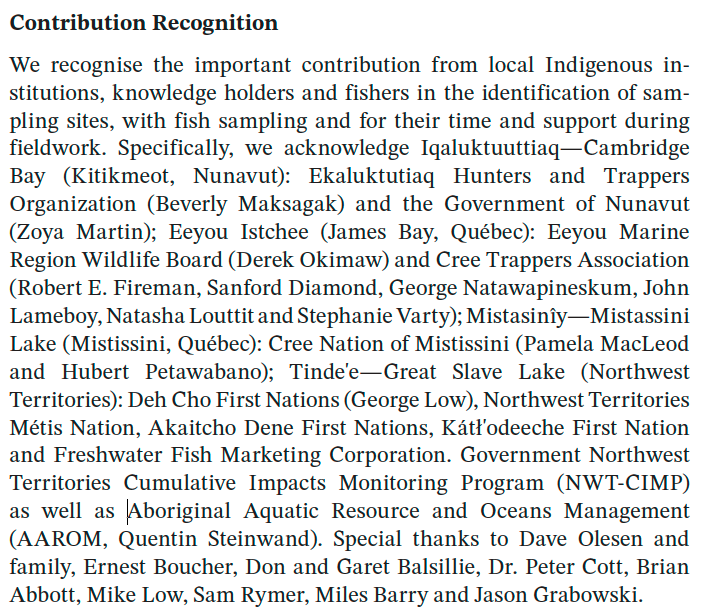
This work would not have been possible without the important contribution from local Indigenous partners. Also thanks to funding partners Genome Canada, Génome Québec, and the Ontario Genomics Institute. supporting the project 'FISHES' https://t.co/E10n1BiCWl
New SNP panels for Arctic Char, Brook Trout, & Lake Whitefish bring cutting-edge genomics to Northern Canada! These tools aim to support Indigenous fisheries, for sustainability, food security, and cultural traditions. See📰https://t.co/asSI5WWU5Y
#IndigenousKnowledge#Genomics
Really enjoyed listening to Keith Parker at our session showing insights about the cultural values of Pacific Lamprey to the Yurok tribe and the genetic background of specific maturation ecotypes #afs154@AmFisheriesSoc
Great talk by Jeremy FiveCrows about sharing traditional knowledge across generations for fishery recovery kicking off our session ‘Interweaving Traditional Ecological Knowledge with genomic approaches’
@AmFisheriesSoc
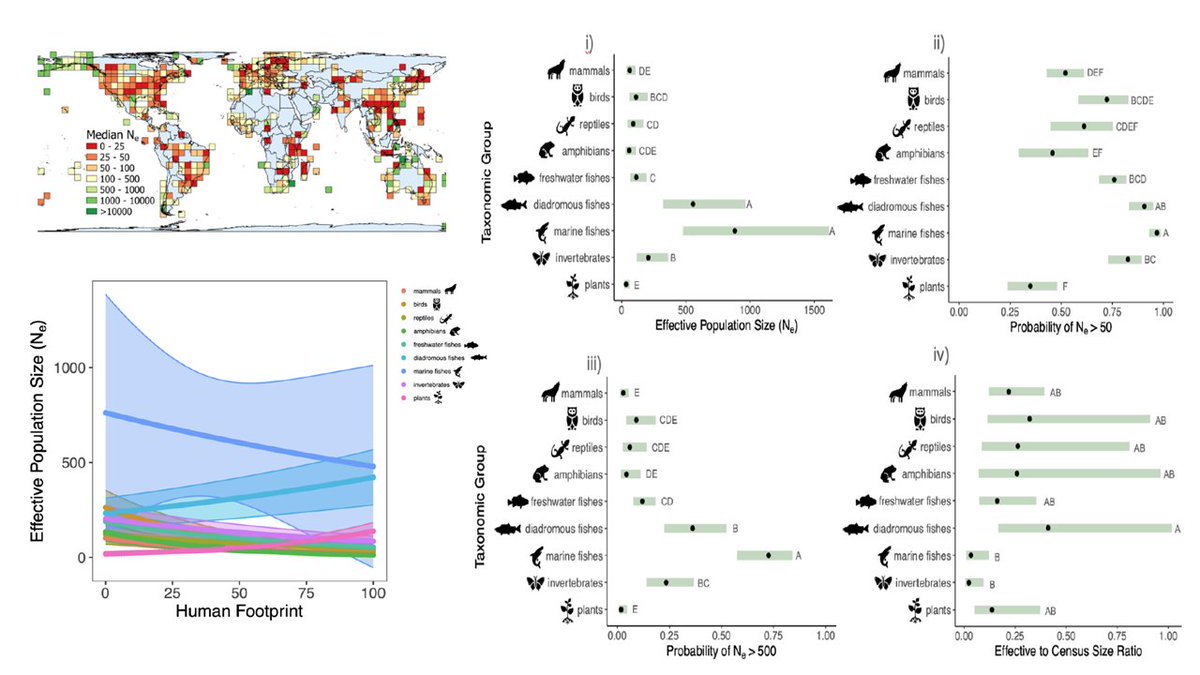
New preprint: A global assessment of effective population sizes highlights consistent taxonomic differences in meeting the 50/500 rule, and reduced Ne in many areas with greater human footprint
https://t.co/AvLtR2k0ZW
Led by @_shannon_clarke + super team @Concordia@DalhousieU
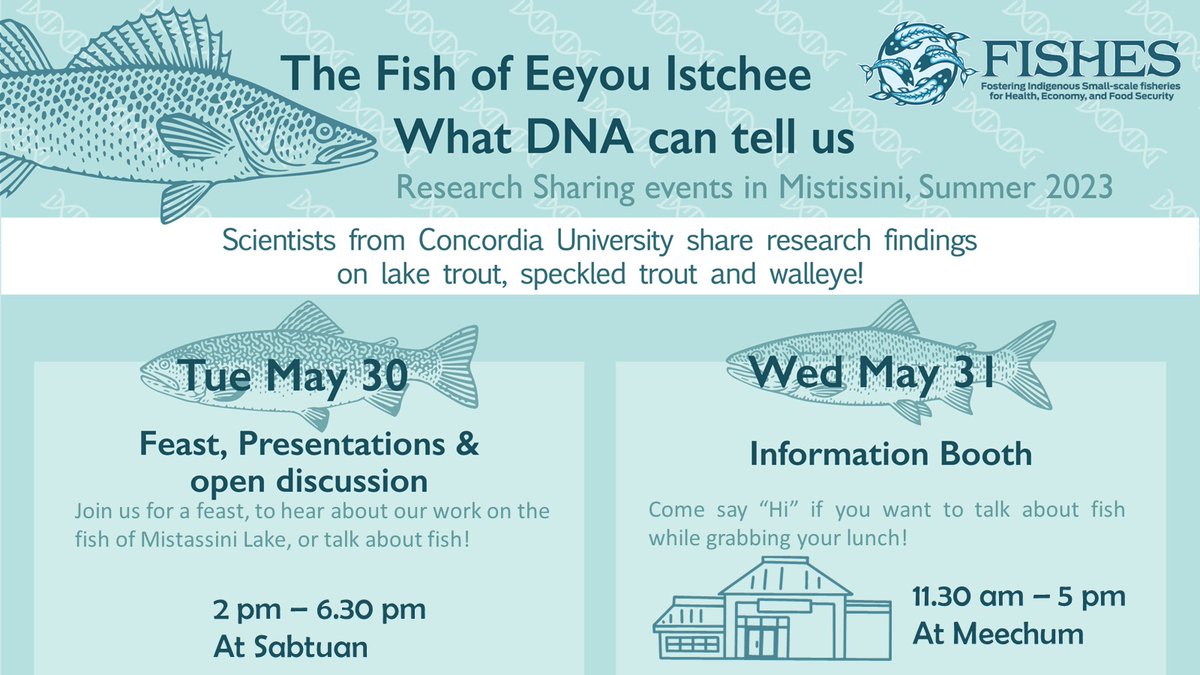
So excited about three days filled with activities centered around #fish and #twoeyedseeing, including discussions, a Mistassini fish Trivia, and a Mistassini fish rap break! looking forward to being in the beautiful Cree community of Mistissini...
Recognizing all of the women involved in FISHES and their contribution to fish, fishing, sustainable fisheries and food security. Tag your FISHES women in action. #internationalwomensday#IWD2022#womeninstem
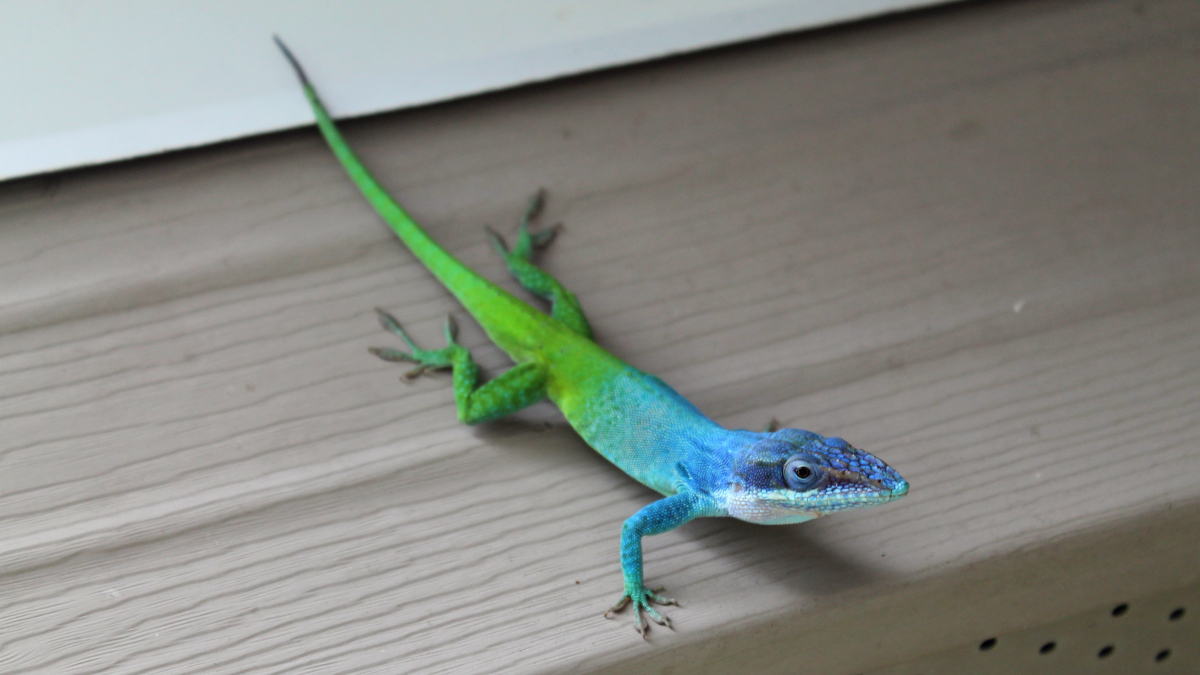
Thrilled to share our new study @PNASNews on drivers of hybridization in invasive brown anoles. We asked if the breakdown of extrinsic isolation is involved, investigated the genomics of adaptation, and identified an X chromosome limb length locus! (https://t.co/M1fRFjdM3r)…1/10
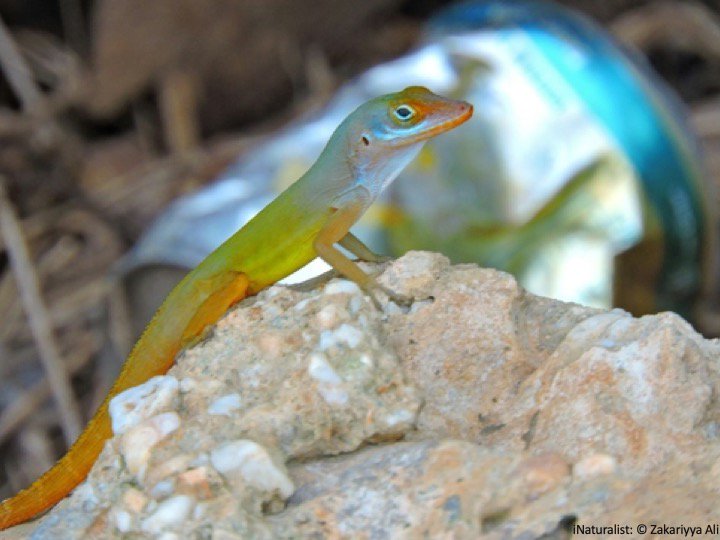
Proud to have worked with @SNMichaelides on this paper showing origin and spread of Cuban Allison’s anoles in Tampa. Initiated by first author and #citizenscientist Dolores Morris (pic credit) and daughter based on an @iNaturalist observation! pdf: https://t.co/c9K4APO1DA
MHC diversity in small fragmented fish populations shows a high-resolution population structure than the neutral genetic markers
https://t.co/ZbW7xZN4YW
Our team has put together a synthesis of #brooktrout & #walleye populations of Albanel, Mistassini & Waconichi for local fisheries management. It can be downloaded on our website: https://t.co/UZv4zTgyPQ
Our first weekly video to introduce you to our projects! Sozos Michaelides, a postdoctoral research associate at Concordia University is presenting on lake trout and walleye. #FISHES#Laketrout#Walleye#MistassiniLake#GreatBearLake https://t.co/7ShFXZwJws via @YouTube
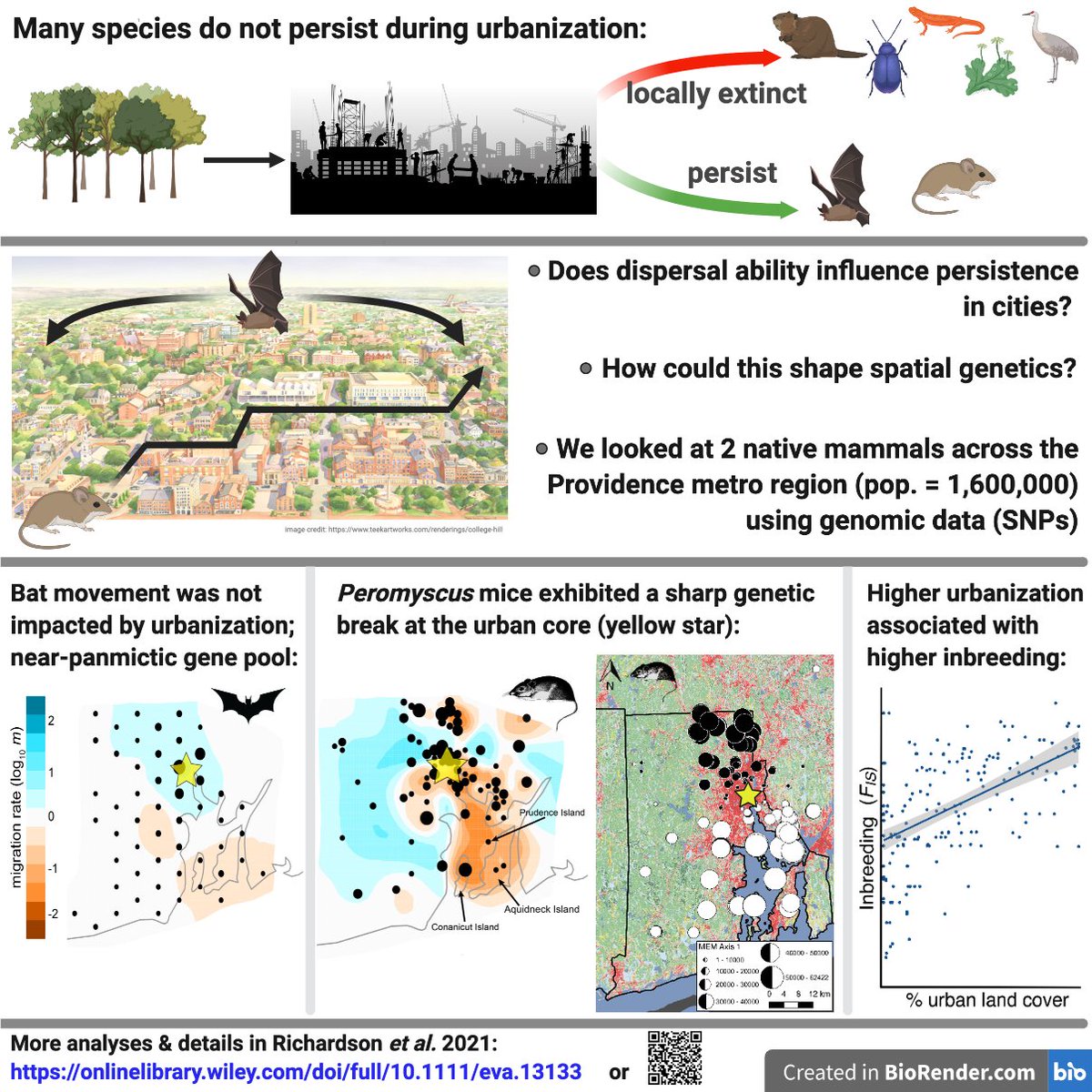
Urbanization can clearly be bad for native wildlife. But some species do fine as cities arise. Could dispersal ability influence persistence? Here’s a short thread about our new paper in @EvolAppJournal where we use SNP data to compare gene flow in 2 native “synanthropic” mammals
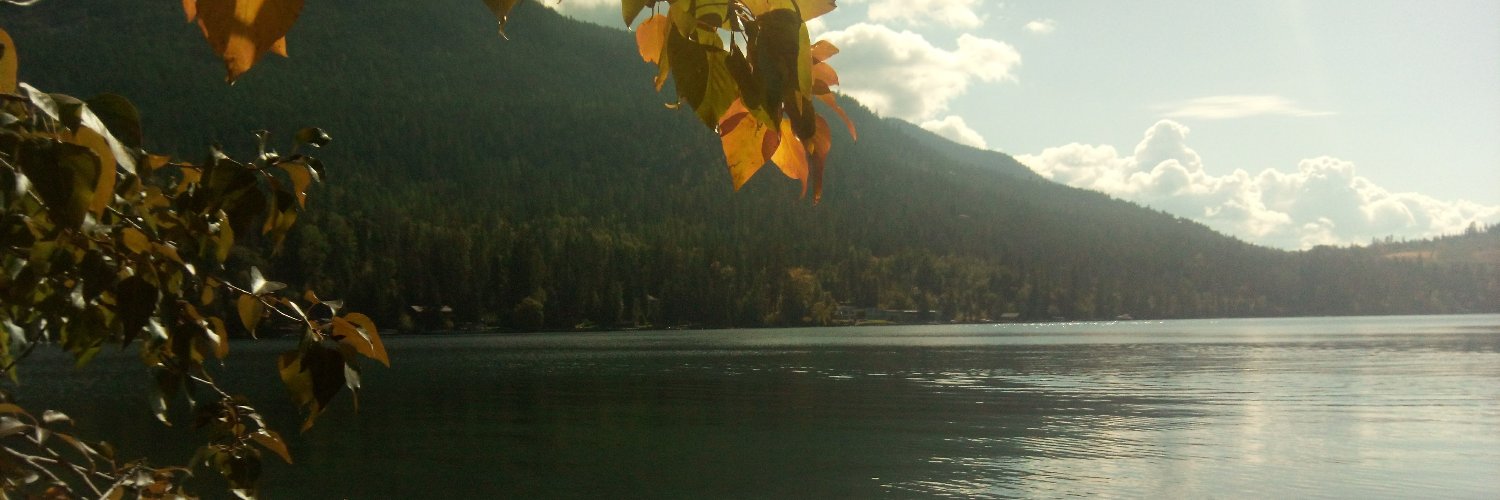
2/3 #Mistassini Lake remains pristine despite its large size. The lake harbours diverse populations/forms within several fishes that are important for local fisheries (e.g. #brooktrout, #walleye, #laketrout, #pike). Check out this incredible variation in Mistassini's lake trout!
1/3 Did you know that #Mistassini Lake is #Quebec's largest lake (2335km2, 180m in depth)? It is the pride and home of the #Cree Nation of Mistissini. Mistassini means 'big rock' in Cree after this specific rock at the lake's outlet, an important historical meeting place.
New paper out; with undergrad Noah Gilbert working on the genetics of Anolis wattsi in Trinidad and the importance of ecological similarity to invasion success. @BritishHerpSoc https://t.co/M4SpUV34Ww
Our meta-analysis is finally out in @PNAS! @reinrad, Tobias Uller and I show that multivariate plastic responses to novel environments are biased towards phenotype dimensions with high additive genetic variation https://t.co/TCxeItXC9W @EcoEvo_ANU@EERC_UNSW