Вона впізнала свого загиблого чоловіка за запискою, яку сама ж і написала: "Я тебе дуже-дуже-дуже сильно кохаю". Цю записку він взяв з собою в останній бій.
Після смерті Андрія його дружина Аня бачила його щоночі уві сні. Він кликав її і казав: "Ти шукаєш мене не там".
Одного разу їй приснився лікарняний коридор. Вона бігала, зазирала в двері, а голос чоловіка вів її.
Вона питала: "Я тебе не бачу, де ти?", а він відповів: "Ти вже була тут раніше".
Лише через місяці вона зрозуміла: той сон був про морг, куди вона приходила шукати його тіло.
Аня познайомилася з Андрієм у 18. Через два побачення вони вже жили разом. Він сказав їй: "Ти - моя доля". Так і було.
Але прийшла війна. Весілля відклали. Андрій пішов на фронт, а Аня їздила до нього щовихідних.
У березні 2023-го він приїхав у відпустку й сказав: "Їдемо по обручки!" Наступного дня вони розписалися.
А в жовтні того ж року вони бачилися востаннє. Перед від'їздом він посадив її навпроти себе і сказав:
"Ти маєш знати, що робити, коли я загину. Якщо зникну безвісти - знайди мене й поховай удома".
19 жовтня він загинув, тоді вони залишилися без прикриття.
Аня бачила відео з дрона, як її чоловік, уже поранений, накладає турнікет і кидає гранати. Останнє, що вона бачила, - він лежить на землі.
А потім на ворожих каналах вона побачила відео - росіянин знімав обличчя наших вбитих хлопців. І серед них був Андрій.
Далі були місяці пошуків. Вона їздила в морги, дивилася на сотні тіл. Слідчі їй казали: "Він там точно є, ти просто не впізнаєш". Але вона знала - його немає.
Потім на сайті МВС вона знайшла опис: "Вуса, борода, 180 см, чорні кросівки, мультикам-футболка".
Слідча сказала їй: "Це не він". А потім раптом запитала: "А з ним могла бути записка, написана тобою?"
А у них була традиція: писати одне одному записки. Останнього разу Аня передала кур'єром нашвидкуруч написану нею записку: "Я тебе дуже-дуже-дуже сильно кохаю". І Андрій узяв ту записку в бій.
Коли слідча надіслала фото - Аня вмить упізнала свій почерк. Разом із мамою Андрія вони поїхали на впізнання. І вона опізнала його.
Тоді вона згадала той сон: коридор, двері, голос: "Ти вже була тут раніше". Адже вона справді приходила в цей морг ще в лютому - і її вигнали. Весь цей час Андрій лежав там.
Поховали його через 10 місяців після загибелі.
Аня тепер каже: "Він любив мене більше, ніж я його. Ми іноді сперечалися: "Я тебе більше люблю" - "Ні, я тебе більше".
А коли я побачила ту записку, я зрозуміла: блін, а він і справді любив мене більше".
Минуло півтора року і легше їй не стало. Вона просто звикла жити з болем. Вона ходить на цвинтар, розмовляє з ним та залишає місце на ліжку. Вона відчуває його поруч завжди.
Перед смертю він попросив її жити на повну котушку - за себе і за нього. Вона так і робить. Щоб він міг сказати: "Молодець, Анька!"
Посол Накаґоме провів зустріч із Міністром @mva_gov_ua Віталієм Кімом, під час якої сторони обмінялися думками щодо підтримки ветеранів, розвитку реабілітаційних програм та адаптації захисників до цивільного життя, адже турбота про ветеранів є основою стійкого суспільства.
🇯🇵🤝🇺🇦
🧡 Ніна Піпченко готується до матчів у складі України WU19, а Вікторія Золотухіна працює з командою WU17 🇺🇦
💙💛 Зичимо нашим гравчиням успішної підготовки та яскравих матчів у синьо-жовтій футболці!
#Ukraine
Среди погибших в результате взрыва, который произошёл 1 августа в московском ресторане Balzi Rossi, был генерал-майор Валерий Плохотнюк, утверждает телеграм-канал "ВЧК-ОГПУ" без ссылки на источник. Канал опубликовал фотографию могилы, в которой, как утверждается, 5 августа на Троекуровском кладбище был похоронен генерал. "Медиазона", ссылаясь на государственные реестры, подтвердила, что в них содержится запись о смерти Плохотнюка 1 августа. https://t.co/Am5JkJbRdJ
An amazing story about the courage of Ukrainian peacekeepers in Bosnia and Herzegovina in the 90s who, unlike the Dutch peacekeepers who listened to music while Mladic was slaughtering ppl, saved innocent lives. Proud. Read
Thirty-one years ago, 79 Ukrainian peacekeepers found themselves caught between the forces of Ratko Mladić and some 10,000 people who could have suffered the same fate as those in nearby Srebrenica.
The Ukrainians had neither heavy weapons nor superior numbers. Their mandate was limited, they were completely surrounded, and they could not count on reinforcements arriving quickly.
But they had a commander who refused simply to stand by and watch a tragedy unfold.
His name was Mykola Verkhohliad.
After the breakup of Yugoslavia, Bosnia and Herzegovina declared independence in 1992. This led to war among Bosnian Muslims, Croats, and Serbs. Cities came under siege, thousands of families lost their homes, and civilians became hostages in the struggle for territory.
The United Nations designated several enclaves as “safe areas.” Among them were Srebrenica and Žepa.
Their populations were supposed to be protected by UN peacekeeping units.
The Bosnian Serb forces were commanded by General Ratko Mladić. In July 1995, his army captured Srebrenica. The Dutch UN battalion failed to protect the enclave, after which more than 8,000 Bosnian Muslim men and boys became victims of genocide.
Žepa was next.
The small mountain town was completely surrounded. Thousands of civilians remained trapped inside, while the only meaningful UN presence consisted of 79 Ukrainian soldiers from the 240th Separate Special Battalion.
Colonel Mykola Verkhohliad, deputy commander of the UN Sarajevo sector and the senior officer of the Ukrainian contingent, was assigned to coordinate the evacuation.
Mykola Verkhohliad, who lived from 1954 to 2021, was born in Myronivka in the Kyiv region. He graduated from a tank command school and rose from platoon commander to chief of staff of a tank regiment.
After Ukraine declared independence, he chose to serve his country. In 1992, he secured a transfer to Kyiv, became chief of staff of the brigade responsible for protecting the General Staff, and later served for many years in the Main Intelligence Directorate of Ukraine’s Defense Ministry.
Verkhohliad had his own understanding of an officer’s honor. He believed that a commander must be demanding first and foremost of himself, must not hide behind orders, and must take responsibility for the people entrusted to him.
That was the man who arrived in Žepa.
Late in the evening of July 22, 1995, the colonel was ordered to organize the evacuation of the population. The following morning, he set out for the enclave with an aide, three soldiers, and a convoy of three vehicles.
At one of the checkpoints, he was met by Ratko Mladić.
The general immediately made the situation clear: the Ukrainians would be allowed into Žepa, but whether they would be permitted to leave depended on the outcome of the negotiations.
Verkhohliad’s small group could have been taken hostage at any moment.
The Bosnian Serb forces announced that all men between the ages of 17 and 65 would be detained as prisoners of war.
After Srebrenica, people understood what that could mean.
Panic broke out in Žepa. Local residents surrounded the Ukrainian peacekeepers’ base and demanded protection. Bosnian soldiers also warned that, unless the peacekeepers helped them, their weapons could be turned against the Ukrainians as well.
The peacekeepers found themselves trapped between two armed sides.
There were no representatives of the Red Cross or other international organizations in Žepa. French trucks were not allowed into the enclave. An air strike against the Serb positions could only have provoked fighting inside the town, putting both the civilians and the Ukrainian soldiers at risk.
Verkhohliad chose negotiation.
Not because he was afraid to use force. He understood that his task was not to start another battle, but to get people out alive.
The negotiations brought together Mykola Verkhohliad, Ratko Mladić, and Avdo Palić, the commander of Žepa’s defenses.
Both sides tried to use the UN forces to advance their own interests. The talks were long and difficult, but the Ukrainian colonel refused to abandon his central demand: the evacuation had to include every resident of Žepa.
“I have been given the task of evacuating the population of Žepa, and I will carry out that task,” Verkhohliad said.
If no transport was provided, he was prepared to lead the people out on foot.
The colonel reminded Mladić and Palić that all three of them wore officers’ insignia, and that turning weapons against unarmed people was a disgrace to any soldier.
He told Mladić one more thing: the war would end one day, and the politicians would turn their backs on him.
Eventually, the Bosnian Serb commander agreed to allow the entire population of Žepa to be evacuated.
But reaching an agreement was only half the task. The evacuees still had to cross territory controlled by Serb forces.
Verkhohliad insisted that families must not be separated.
Men, women, and children had to travel together.
A Ukrainian soldier rode on every bus. He accompanied the civilians to safe territory and then returned to Žepa for the next group.
This decision proved crucial. The Ukrainians remained inside the convoys and ensured that the buses did not change course and that no one was taken away along the route.
The evacuation lasted about three days.
The wounded and sick were taken out first. Everyone else followed.
After the first journey, a rumor spread through Žepa that the evacuees had never reached safety. Panic returned, and people began refusing to board the buses.
Verkhohliad then ordered several residents who had already completed the journey to be brought back to the town. They personally confirmed that the Ukrainian soldiers had kept their word and delivered the evacuees to safety.
The operation resumed.
In this way, the Ukrainian peacekeepers evacuated around 10,000 people from Žepa.
Families were not separated. The convoys reached safe territory. Not a single Ukrainian soldier was lost.
Mykola Verkhohliad was among the last to leave Žepa.
He waited until the final bus carrying civilians had crossed the bridge. Only then did Bosnian Serb troops enter the enclave.
Soon afterward, they blew up the local mosque. The force of the explosion threw Verkhohliad to the floor and knocked him unconscious for several seconds. The effects of that concussion stayed with him for many years.
The Žepa operation was later described as one of the few unequivocal successes of the UN peacekeeping mission in Bosnia.
French General Hervé Gobilliard, commander of the Sarajevo sector, wrote to the Ukrainian General Staff that Ukraine could be proud of such an officer.
Yet for many years, little was said at home about the actions of Verkhohliad and the 79 Ukrainian peacekeepers.
Mykola Verkhohliad died in Kyiv on May 30, 2021. Later that year, he was posthumously awarded the title Hero of Ukraine and the Order of the Gold Star.
The recognition came 26 years after Žepa.
The world remembers Srebrenica as one of the most horrific tragedies in postwar Europe.
Ukraine must remember Žepa — the place where 79 of its soldiers prevented that tragedy from being repeated.
Mykola Verkhohliad left the town only after the last bus had crossed the bridge.
For thousands of families saved in the summer of 1995, the Ukrainian flag meant one simple thing: these soldiers would not abandon them.
Жертвами и пострадавшими от взрыва в ресторане Balzi Rossi стали родственники и друзья главы ВКС России Александра Чайко. Изучая биографии возможных жертв, "Системе" удалось обнаружить редкую фотографию Владимира Путина времен его службы в Дрездене в 1985 году. Читайте о том, что известно об обстоятельствах взрыва, который произошел в Москве 1 августа, и смотрите фотографии будущего российского президента в нашем материале. https://t.co/wsU2m4NFwu
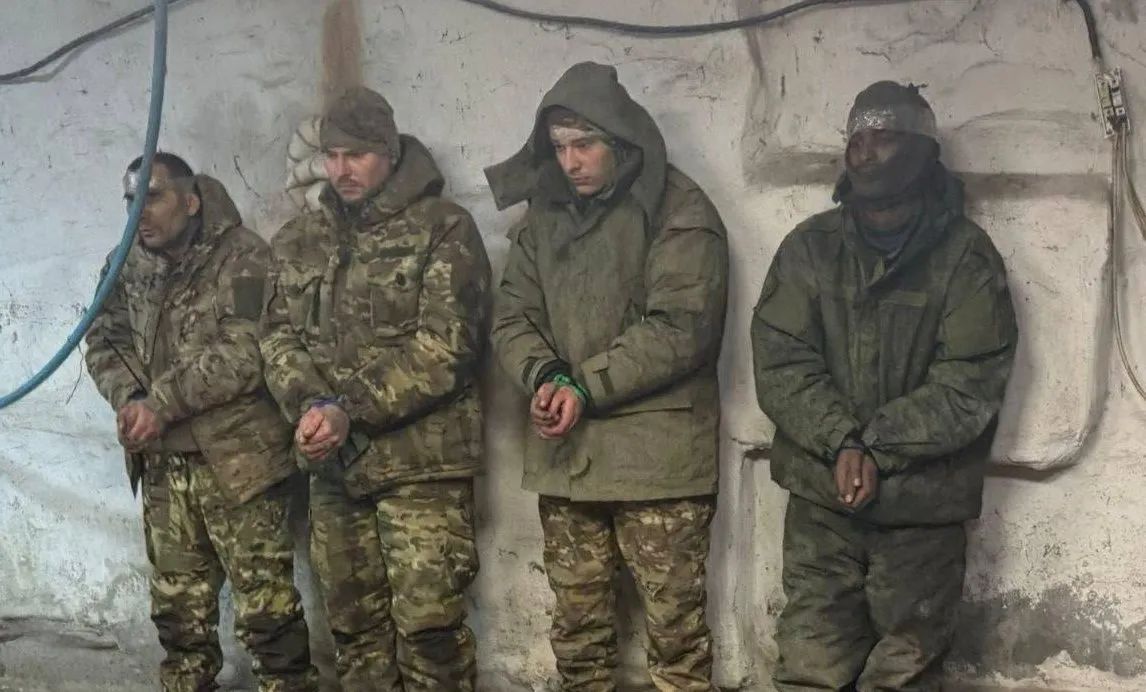
Ukraine holds captured fighters from 51 countries, Ukrainian human rights commissioner Dmytro Lubinets said—a glimpse of how Moscow turns promises of jobs and places at Russian universities into frontline service.
Some enlist knowingly. Others report being deceived or pressured into service.
Now many remain in captivity, with no clear route home from Moscow or their own governments.
https://t.co/leVh4cJKAJ
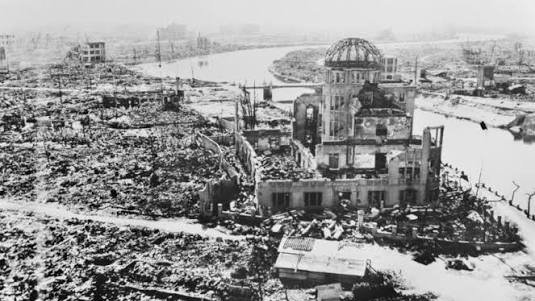
On this day in 1945, Hiroshima was destroyed by an atomic bomb. Today, we remember the victims and honor the survivors who warned of nuclear war’s true horror.
The memory of Hiroshima demands the courage to defend peace and freedom, and to ensure such horror is never repeated.
Russian outlet Mediazona says it confirmed through state records the death of Maj. Gen. Valery Plokhotnyuk, who reportedly died in the August 1 explosion at Moscow's Balzi Rossi restaurant. ASTRA separately reports that Maria Chaiko, daughter of Russian Aerospace Forces commander Alexander Chaiko, suffered serious injuries in the blast. Her husband, Daniil Peredriy, was previously reported killed. #Russia
On this day in 1517, Francišak Skaryna printed his Psalter in Prague, laying the foundations of Belarusian book printing.
His legacy is a bridge between Belarus and 🇨🇿 and part of our shared European heritage.
Thank you, Prague, for keeping his memory alive.
Временный поверенный Евгений Лазарев принимает участие в ежегодной церемонии памяти жертв атомной бомбардировки в Парке мира города Хиросимы.
エヴゲーニイ・ラザレフ臨時代理大使が、広島市の平和記念公園で行われた原爆死没者慰霊式に参列しています。
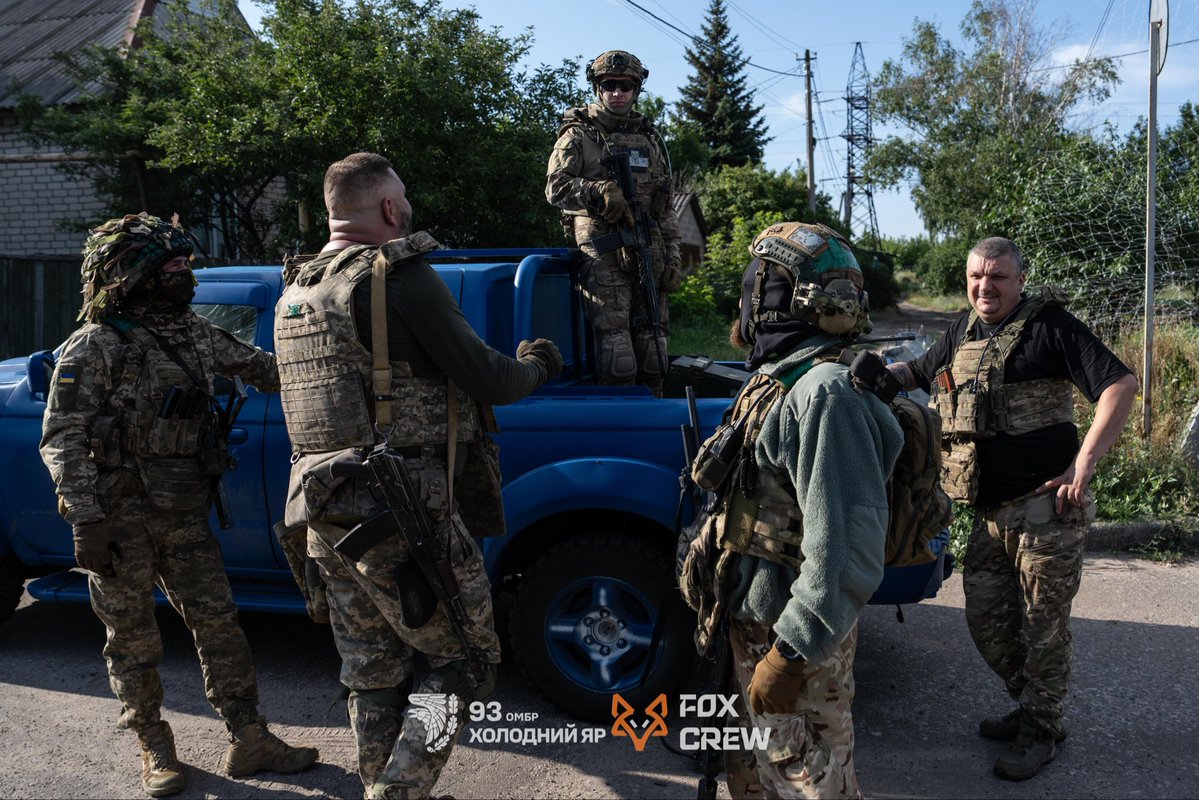
These are some of the men cutting off russian logistics, leaving the occupiers without food, ammunition, and even water.
Fox Crew began the war as anti-tank teams, helping stop russian armored columns during the early stages of the invasion. Later, they transitioned to fiber-optic strike drones, which they continue to use extensively. Now they are mastering a new drone system with an entirely different communications link, capable of flying deep behind enemy lines. These drones are highly resistant to enemy electronic warfare, while providing a clear, stable video feed.
Their "office", tucked away in the middle of a dense tree line, consists of several computers and monitors. The new drones are prepared for launch. The battery is fully charged –it's time to fly.
Fifteen minutes later, the drone has crossed the front line and reached a distant village somewhere between Kostiantynivka and Pokrovsk, where it begins patrolling the streets in search of targets.
The sun rises over the sunflower fields of Donbas.
Meanwhile, another Fox Crew platoon is carrying out a logistics mission, delivering supplies and ammunition to front line positions by ATV. An evacuation team remains on standby near the Kramatorsk–Kostiantynivka highway. From there, they can walk to the Kramatorsk city sign, where burned-out ATVs and ground robotic systems lie scattered beneath it. If anything goes wrong, they are ready to head out immediately and evacuate the soldiers operating closer to the front.
Less than half an hour later, the roar of ATV engines and a pickup truck echoes down the road. The resupply mission has been completed successfully, and fortunately the evacuation team was not needed today.
On their way, the soldiers destroyed a waiting enemy FPV drone lying in ambush. Now they sit together, smoking and animatedly discussing what was a stressful, but ultimately successful mission.
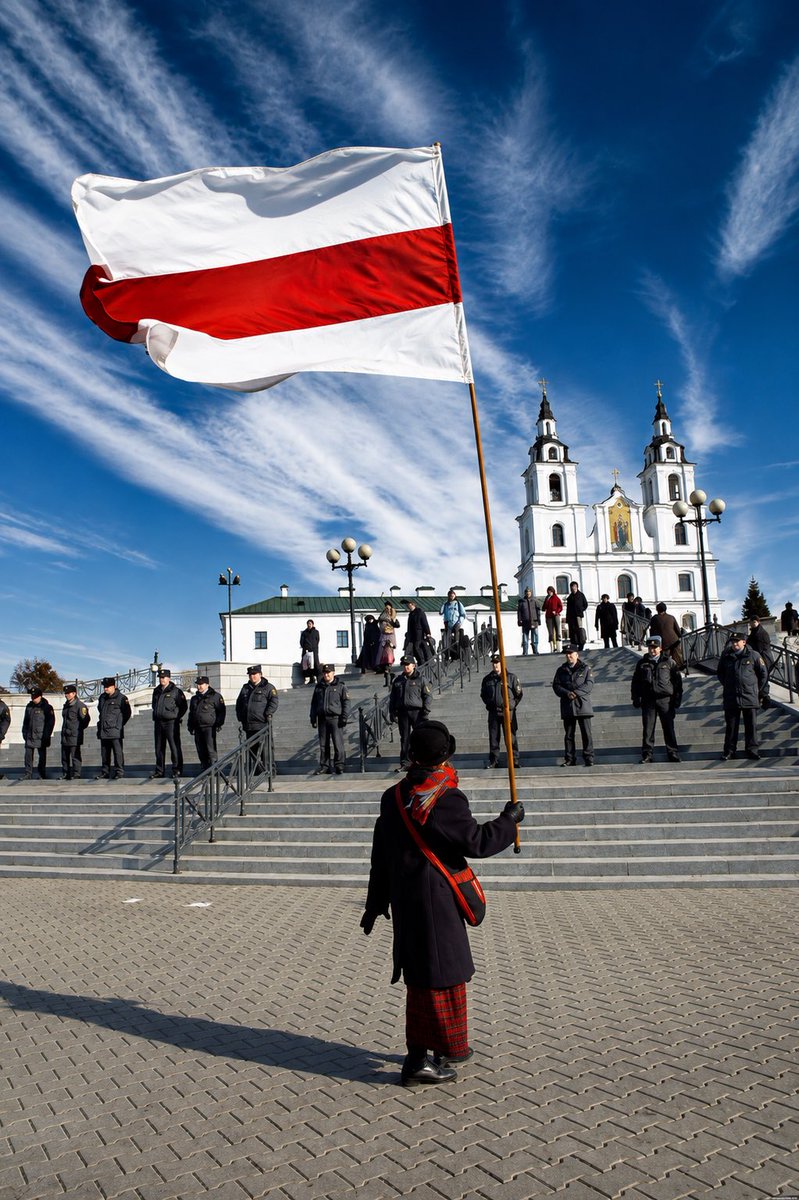
Today we mark the Day of the White-Red-White Flag — Belarus’s national flag, adopted in 1918. It stands for freedom, independence, and our European future. Though banned by the communists and Lukashenka, it survived and will return as our state flag. 🤍❤️🤍
Today, Belarusian artist Ales Pushkin would have turned 61.
He should have been creating art and imagining a free Belarus. Instead, the regime imprisoned him and denied him timely medical care.
The regime let him die behind bars, but his art remains free and belongs to us all.
Росія прагне залякати нас і зламати нашу волю ракетним терором проти мирного населення. Сьогодні Київщина в жалобі за загиблими від ворожої ракетної атаки.
Завдаючи руйнівних ударів по будинках, логістиці, складах, ворог марно сподівається нас зламати. Сліпа одержимість убивць натикається на головне – нашу непохитну стійкість і єдність.
Щоб повністю зупинити цей терор, критично необхідні рішучі кроки. Наші партнери мають розуміти: надання Україні ракет для ППО сьогодні – це збереження мирного життя на Заході. Ми також працюємо над зміцненням протиповітряної оборони власними силами. І рішення будуть.
Ворог обов'язково відповість за кожне обірване життя.
Світла пам'ять загиблим.