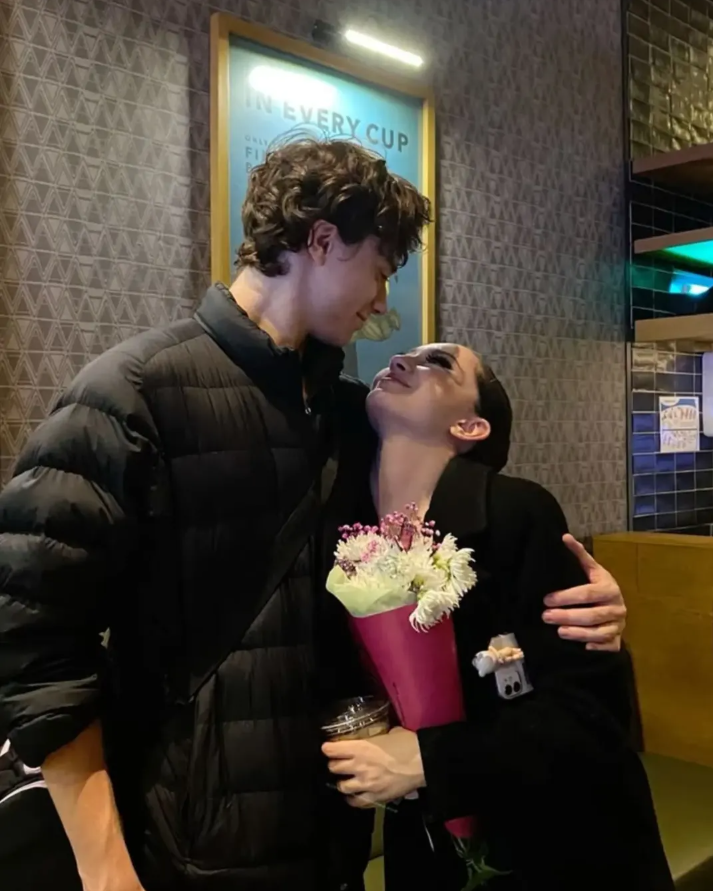
How many people have walked through your life where you felt completely drained, constantly walked on eggshells, and had to wear a forced smile while falling apart inside?
In psychological terms, this dynamic is known as the "False Self." It is an emotional survival strategy rooted in early childhood: it takes hold the moment we realize we are only valued when we are well-behaved, high-achieving, agreeable, or utterly low-maintenance. If the environment we grew up in made no room for our anger, tears, vulnerabilities, or imperfect edges, we enter adulthood as perpetual performers—staging only the parts of ourselves that guarantee approval.
What truly exhausts a human being isn't physical labor; it is the relentless psychological toll of trading authenticity for acceptance. The exhausting pressure to always appear composed and keep everyone around you comfortable inevitably leads to profound emotional numbness and alienation. Yet, genuine and healing bonds are never formed between flawless facades; they are built through shared, raw vulnerability.
If a relationship leaves no room for your sorrow, meets your honesty with cold detachment, or offers warmth only when you fulfill expectations, you are not truly present there—only the role you are playing is.
Give yourself permission to breathe today. Value and protect the spaces where you can lay down your guard, shed tears without shame, express anger without fear of abandonment, and simply say, "I am not okay today."
Above all, ask yourself this:
When was the last time I sat beside someone without performing, accepted simply for existing, and took a completely unobstructed breath?
You owe others understanding and grace, but before anyone else, you owe that safe, compassionate harbor to your own tired soul. ✨
Have you ever grown up with the ache of an emotion you never actually experienced?
We often assume trauma only comes from the bad things that happen to us. Yet, what fractures the soul most deeply is often the void of what never took place: the fundamental need for safety, warmth, and truly being seen that was simply never met.
That tight ache in your chest when watching a casual act of affection between others isn't the recall of a bad memory. It’s the quiet grief of an emotional warmth you were never granted.
What Does the Trauma of Absence Do?
A Belief in Alienation: You start assuming loving relationships are a privilege reserved only for others, never for you.
A Chronic Sense of Emptiness: Even when everything in your life seems fine on paper, an unfillable void lingers in a quiet corner of your mind.
Traceless Wounds: You can direct anger at an overt harm, but you can’t hold anyone accountable for affection that simply never existed. You are left with only an invisible deprivation.
Learning to offer yourself the love withheld in your youth is an intentional, demanding journey. True healing begins when we build that safe haven with our own hands today. ✨
What most people call 'manifestation' is actually the brain's Reticular Activating System (RAS).
Your brain is bombarded with millions of bits of data every second, but it only opens the door to what you actively focus on. Just like thinking about buying a red car and suddenly seeing red cars everywhere; when you get crystal clear on your goals, your brain filters and reveals opportunities, people, and paths that were previously invisible to you.
It’s not the universe; it’s your mind finally noticing the reality it focuses on.